


Quick Summary
- Ransomware attacks are increasing in frequency and sophistication.
- Healthcare and education sectors are prime targets.
- Cybercriminals leverage AI to enhance their tactics.
- Organizations must invest in proactive cybersecurity measures.
- Expect more targeted attacks with personalized phishing methods.
Ransomware attack trends are shifting dramatically as cybercriminals refine their tactics. Recent reports indicate a surge in sophisticated ransomware incidents, particularly targeting critical sectors such as healthcare and finance. As we head into 2026, understanding these trends is essential for organizations looking to bolster their defenses against such threats.
With the rise of ransomware-as-a-service (RaaS) platforms, even less skilled hackers can launch devastating attacks. This makes it crucial for businesses to stay informed about evolving tactics and invest in comprehensive cybersecurity strategies.
Ransomware Attack Trends: Understanding the Landscape
In 2026, ransomware attacks are projected to become more targeted and sophisticated. Cybercriminals are increasingly leveraging artificial intelligence to automate and enhance their attacks. According to a report from Cybersecurity Ventures, ransomware damages are expected to exceed $265 billion by 2031, underscoring the urgency for organizations to adopt effective cybersecurity measures. The rise of RaaS has democratized the ability to launch ransomware attacks, making it easier for less experienced hackers to participate in this lucrative crime.
Organizations must not only focus on reactive measures but also develop proactive strategies to mitigate risks. This includes investing in employee training programs and adopting advanced threat detection systems. For further insights into training options, check out our guide on top cybersecurity training programs.
Who is Most at Risk from Ransomware Attacks?
Healthcare and education sectors are particularly vulnerable to ransomware attacks. The critical nature of their operations makes them attractive targets for cybercriminals. In 2025, a significant ransomware attack on a major hospital network led to the exposure of sensitive patient data, resulting in millions of dollars in damages. Organizations in these sectors need to prioritize cybersecurity measures to safeguard their operations and protect sensitive information.

Additionally, small and medium-sized enterprises (SMEs) often lack the resources to defend against such attacks, making them prime targets. For detailed strategies on how SMEs can enhance their cybersecurity posture, refer to our article on incident response strategies.
How Are Cybercriminals Adapting Their Tactics?
Cybercriminals are increasingly using social engineering tactics to launch ransomware attacks. Phishing emails are becoming more sophisticated, often tailored to appear legitimate to the recipient. Recent research indicates that nearly 90% of successful data breaches involve some form of phishing. This trend highlights the importance of employee training in recognizing and responding to phishing attempts.
Furthermore, attackers are utilizing data from previous breaches to create more convincing emails. Organizations must implement multi-factor authentication (MFA) and regular security training to combat these evolving tactics.
What Preventative Measures Can Organizations Take?
To defend against ransomware attacks, organizations should adopt a multi-layered security approach. This includes regular software updates, robust endpoint protection, and comprehensive data backup solutions. Regularly backing up critical data ensures that organizations can recover quickly in case of an attack. For a deeper dive into cloud security, explore our article on cloud security risks.
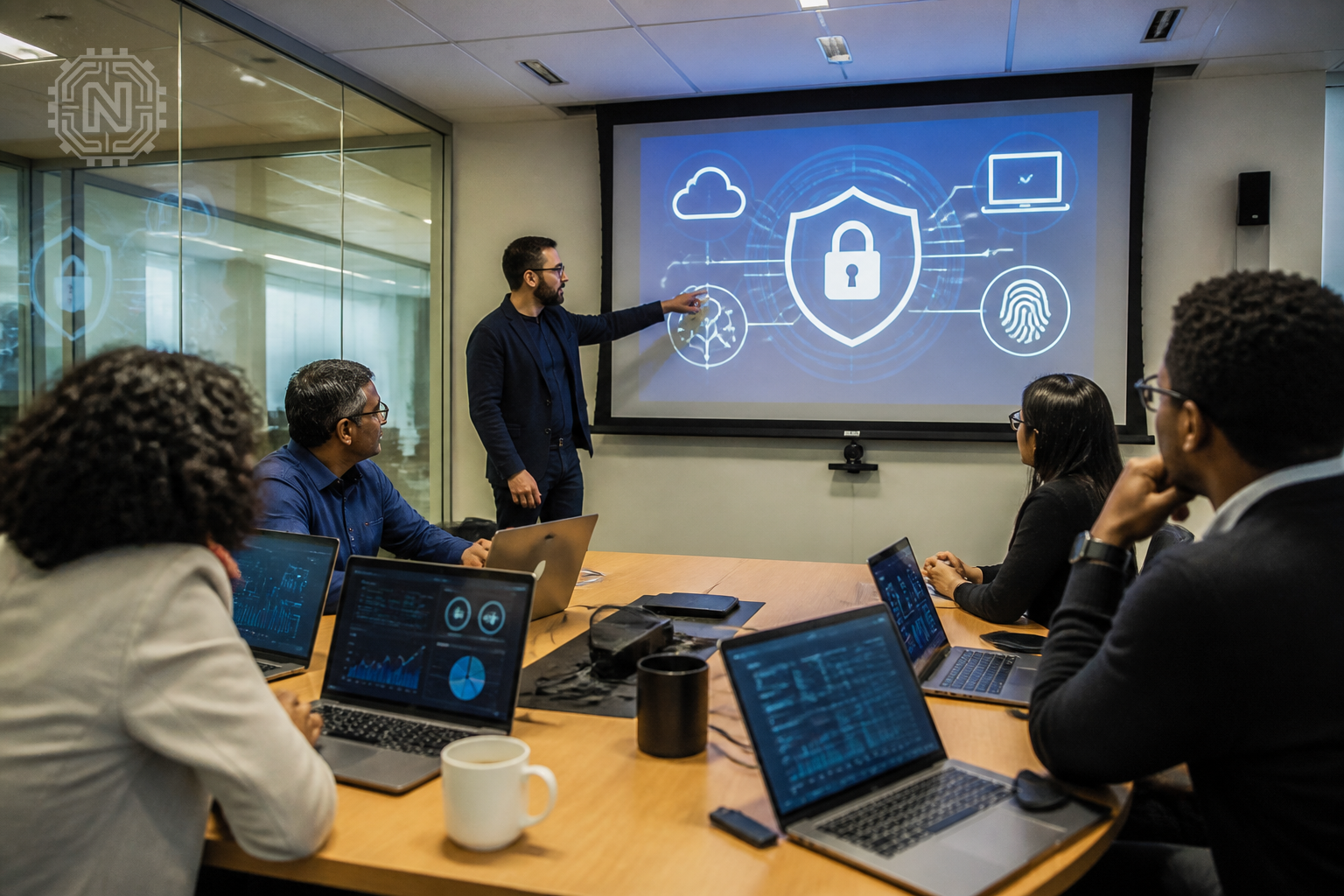
Additionally, organizations should conduct regular security audits to identify vulnerabilities and address them promptly. Implementing an incident response plan can also minimize the impact of an attack, allowing organizations to respond effectively and reduce recovery time.
The Future Outlook for Ransomware in 2026 and Beyond
The outlook for ransomware in 2026 suggests continued evolution in tactics and methods used by cybercriminals. As technology advances, attackers will likely find new vulnerabilities to exploit. Organizations must remain vigilant and adaptable, continually updating their security measures to stay ahead of threats.
Investment in cybersecurity technologies, such as artificial intelligence and machine learning, can bolster defenses against ransomware. These technologies can help detect anomalies and respond to threats in real-time, providing an additional layer of protection.
Conclusion
As ransomware attack trends evolve, organizations must prioritize cybersecurity to protect against increasingly sophisticated threats. Staying informed and proactive is essential for safeguarding sensitive data and ensuring operational continuity.
Frequently Asked Questions
What are the latest ransomware attack trends in 2026?
In 2026, ransomware attacks are increasingly targeting critical infrastructure and leveraging double extortion tactics.
How do ransomware attacks typically occur?
Ransomware attacks often occur through phishing emails, malicious downloads, or exploiting software vulnerabilities.
What industries are most affected by ransomware attacks?
Healthcare, finance, and government sectors are among the most targeted industries due to their sensitive data and critical operations.
What can organizations do to prevent ransomware attacks?
Organizations can prevent ransomware attacks by implementing regular backups, employee training, and robust cybersecurity measures.
How has ransomware evolved in recent years?
Ransomware has evolved to include more sophisticated encryption methods and targeted attacks, making recovery more challenging.
What is double extortion in ransomware?
Double extortion is a tactic where attackers not only encrypt data but also threaten to leak it if the ransom isn't paid.
What are the signs of a ransomware attack?
Signs of a ransomware attack include unusual file extensions, system slowdowns, and unexpected ransom notes on infected devices.
What should you do if you fall victim to a ransomware attack?
If victimized by a ransomware attack, disconnect from the network, report to authorities, and avoid paying the ransom. For more on Cybersecurity, explore Newtechzy. You can also review our Privacy Policy and Cookie Policy, or learn more About us.
Related Topics
Want to learn more about protecting your organization from ransomware? Explore our in-depth articles or get in touch with our cybersecurity experts today!
Start Your Journey Today!


