


Quick Summary
- Cloud security risks are increasing with more companies shifting to cloud services.
- Data breaches and misconfigurations are top threats to monitor.
- Understanding shared responsibility models is critical for effective security.
- Continuous monitoring and auditing can mitigate many risks.
- Educating employees on security best practices is essential.
Cloud security risks are becoming a pressing concern as businesses increasingly rely on cloud services. In 2026, organizations face a variety of threats that can compromise sensitive data, disrupt operations, and damage reputations. Understanding these risks is vital for effective cloud security management.
With the rapid adoption of cloud technologies, many companies overlook potential vulnerabilities. This article outlines the most significant cloud security risks and provides strategies to mitigate them, ensuring your data remains protected.
Cloud Security Risks: Understanding the Threat Landscape
The landscape of cloud security risks is evolving. As organizations move their operations online, they expose themselves to numerous threats. Key risks include data breaches, account hijacking, and insecure APIs. According to a 2026 report from Cybersecurity Ventures, data breaches are projected to cost businesses $10.5 trillion annually by 2025. This underscores the need for vigilant security measures.
Misconfigurations are another significant issue. A recent study found that 70% of cloud security failures stem from misconfigured cloud settings. Organizations must prioritize proper configuration and regular audits to prevent these vulnerabilities.
For more insights on managing cybersecurity incidents, check out our guide on Cybersecurity Incident Response Strategies.
What Are the Most Common Cloud Security Risks?
What types of risks should companies be aware of?
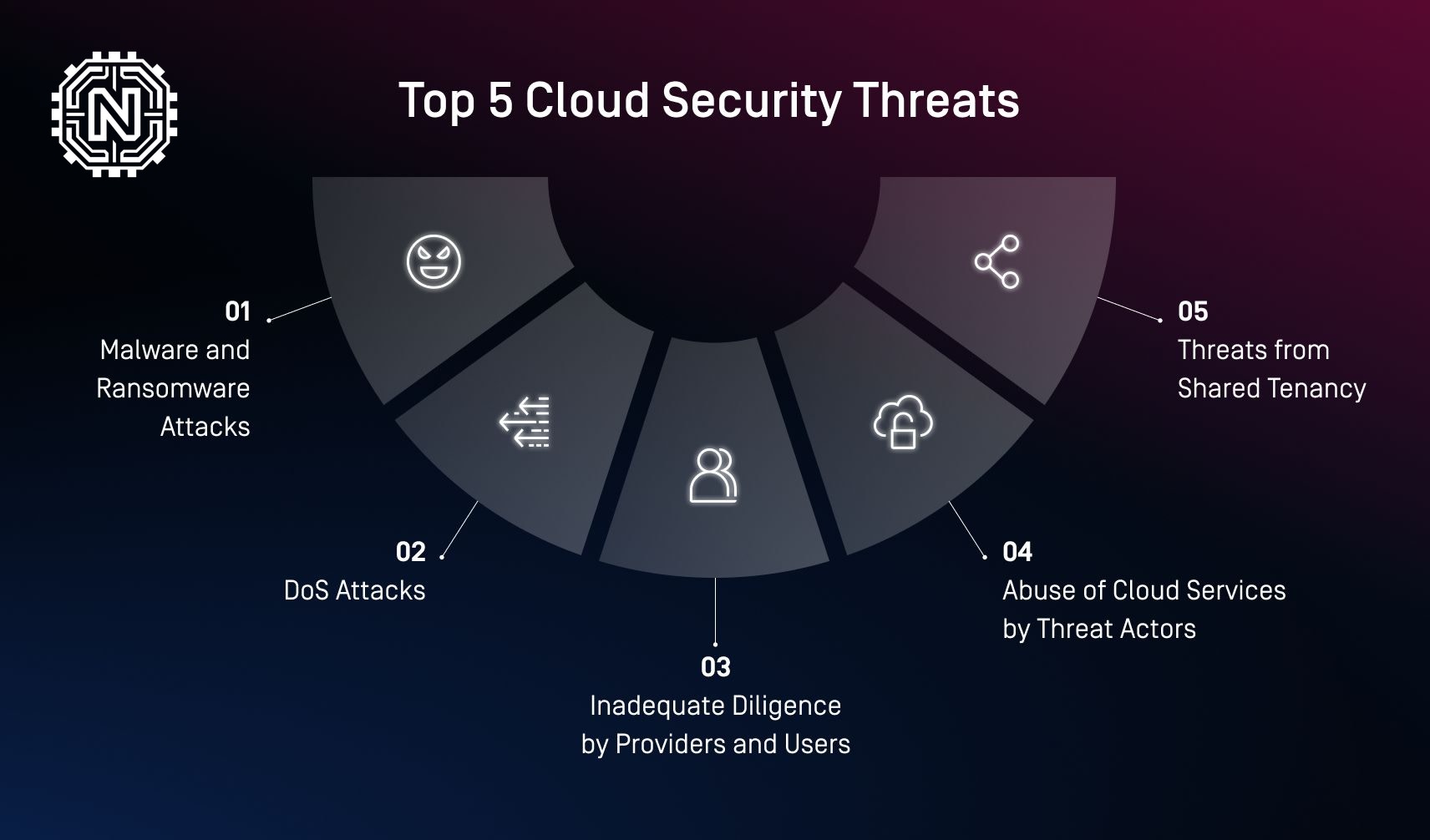
Companies should be particularly wary of data breaches, which occur when unauthorized individuals gain access to sensitive information. These breaches can result from poor access controls or vulnerabilities in cloud applications.
Account hijacking is another risk, where attackers take over user accounts to access sensitive data or manipulate services. Implementing multi-factor authentication can significantly reduce this risk.
Insecure APIs also pose a threat as they can be exploited if not properly secured. Regularly updating and securing APIs is crucial for maintaining cloud security.
The Shared Responsibility Model in Cloud Security
What is the shared responsibility model?
The shared responsibility model outlines the division of security responsibilities between cloud service providers and their customers. While providers manage the security of the cloud infrastructure, customers are responsible for securing their data and applications.
Understanding this model is essential for organizations. For example, a company using a cloud-based service must ensure that their data is encrypted and access controls are in place. Failing to do so can lead to significant vulnerabilities.
For more about effective cybersecurity training, read our article on Cybersecurity Training Programs.
Mitigating Cloud Security Risks: Best Practices
How can organizations protect their cloud data?

Implementing best practices is vital to mitigate cloud security risks. Regularly auditing cloud configurations helps identify vulnerabilities before they can be exploited. Additionally, employing encryption for data at rest and in transit provides an extra layer of security.
Continuous monitoring of cloud environments can help detect unusual activities and potential breaches. Organizations should invest in security information and event management (SIEM) tools to facilitate this.
For further reading on emerging threats, visit our post on Cybersecurity Threats 2026.
The Future of Cloud Security: Trends to Watch
As cloud technology evolves, so do the associated security risks. Emerging trends such as the rise of artificial intelligence in cybersecurity are shaping how organizations approach security. AI can help automate threat detection and response, improving overall security posture.
Another trend is the increasing importance of zero trust architectures, which require verification for every user and device attempting to access resources. This approach can significantly reduce the risk of data breaches.
To learn more about zero trust security, check our article on Zero Trust Security: Why It Matters in 2026.
Conclusion
Understanding cloud security risks is essential for organizations navigating the digital landscape. By recognizing potential threats and implementing best practices, companies can protect their data and maintain trust with customers.
Frequently Asked Questions
What are the main cloud security risks in 2026?
Top cloud security risks include data breaches, misconfigured cloud settings, and insecure APIs.
How can organizations mitigate cloud security risks?
Organizations can mitigate risks by implementing strong access controls, regular audits, and encryption of sensitive data.
What is the impact of data breaches in cloud security?
Data breaches can lead to significant financial loss, reputational damage, and legal repercussions for affected organizations.
Are cloud security risks different from traditional IT security risks?
Yes, cloud security risks often involve shared responsibility models and unique threats like insecure interfaces and account hijacking.
What role does employee training play in cloud security?
Employee training is crucial as it helps staff recognize phishing attacks and understand proper data handling procedures.
What are insecure APIs in cloud security?
Insecure APIs can expose cloud services to attacks, allowing unauthorized access to data and functionalities.
How often should organizations assess their cloud security?
Organizations should assess their cloud security at least quarterly or after significant changes to their cloud environment.
What is the shared responsibility model in cloud security?
The shared responsibility model delineates the security obligations of cloud service providers and their customers, emphasizing collaboration. For more on Cybersecurity, explore Newtechzy. You can also review our Privacy Policy and Cookie Policy, or learn more About us.
Related Topics
Ready to enhance your cybersecurity strategy? Explore our resources or get in touch with our experts for tailored advice.
Start Your Journey Today!


