


Quick Summary
- Supply chain attacks increased by 30% in 2026, targeting software and hardware vendors.
- Attackers exploit third-party vulnerabilities to access critical infrastructure.
- New malware strains are designed to bypass traditional security measures.
- Organizations face challenges in managing complex supply chain security.
- Proactive risk assessments and zero-trust models are essential defenses.
- Regulators are tightening cybersecurity requirements for supply chain vendors.
Supply chain cybersecurity threats in 2026 are escalating rapidly, with attackers increasingly targeting third-party vendors and suppliers to breach larger networks. These attacks exploit vulnerabilities in interconnected systems, making supply chain security a top priority for organizations. Explore more Cybersecurity coverage on Newtechzy.
Recent incidents highlight how breaches in supply chain components can cascade into widespread disruptions, emphasizing the need for robust defenses and proactive risk management.
Understanding supply chain cybersecurity risks in 2026
Supply chains have become more complex, involving multiple vendors and global suppliers. In 2026, cybercriminals are leveraging this complexity, exploiting vulnerabilities in less secure third-party systems to gain access to larger networks. The rise of supply chain attacks has been driven by the increasing sophistication of malware, ransomware, and targeted exploits.
Recent reports indicate a 30% increase in supply chain breaches compared to last year, with attackers focusing on software supply chains and hardware components. These attacks often involve compromised updates, malicious firmware, or exploited vendor vulnerabilities. The 2026 threat landscape underscores the importance of comprehensive supply chain security strategies.
For example, the 2025 SolarWinds attack set a precedent for supply chain compromise, and similar tactics are now more refined and widespread. Organizations must scrutinize every link in their supply chain, from suppliers to logistics providers, to prevent infiltration.
Regulatory bodies like the Cybersecurity and Infrastructure Security Agency (CISA) are pushing for stricter security standards for vendors, mandating regular audits, vulnerability disclosures, and incident reporting. Companies ignoring these guidelines risk severe penalties and operational disruptions.
Key Facts About Supply Chain Cybersecurity in 2026
- Supply chain attacks rose by 30% in 2026 compared to 2025.
- Third-party vulnerabilities remain the top attack vector.
- Malware strains are increasingly sophisticated, bypassing traditional defenses.
- Critical infrastructure sectors are prime targets for supply chain breaches.
- Regulatory standards are tightening globally for supply chain security.
"Supply chain vulnerabilities are now a primary attack vector, requiring organizations to adopt comprehensive, proactive cybersecurity measures."
Cybersecurity Analyst
How do supply chain cyberattacks work?
Supply chain cyberattacks typically involve compromising a trusted vendor or supplier to gain access to a larger target network. Attackers often insert malicious code into software updates, firmware, or hardware components, which then propagate to end-users.
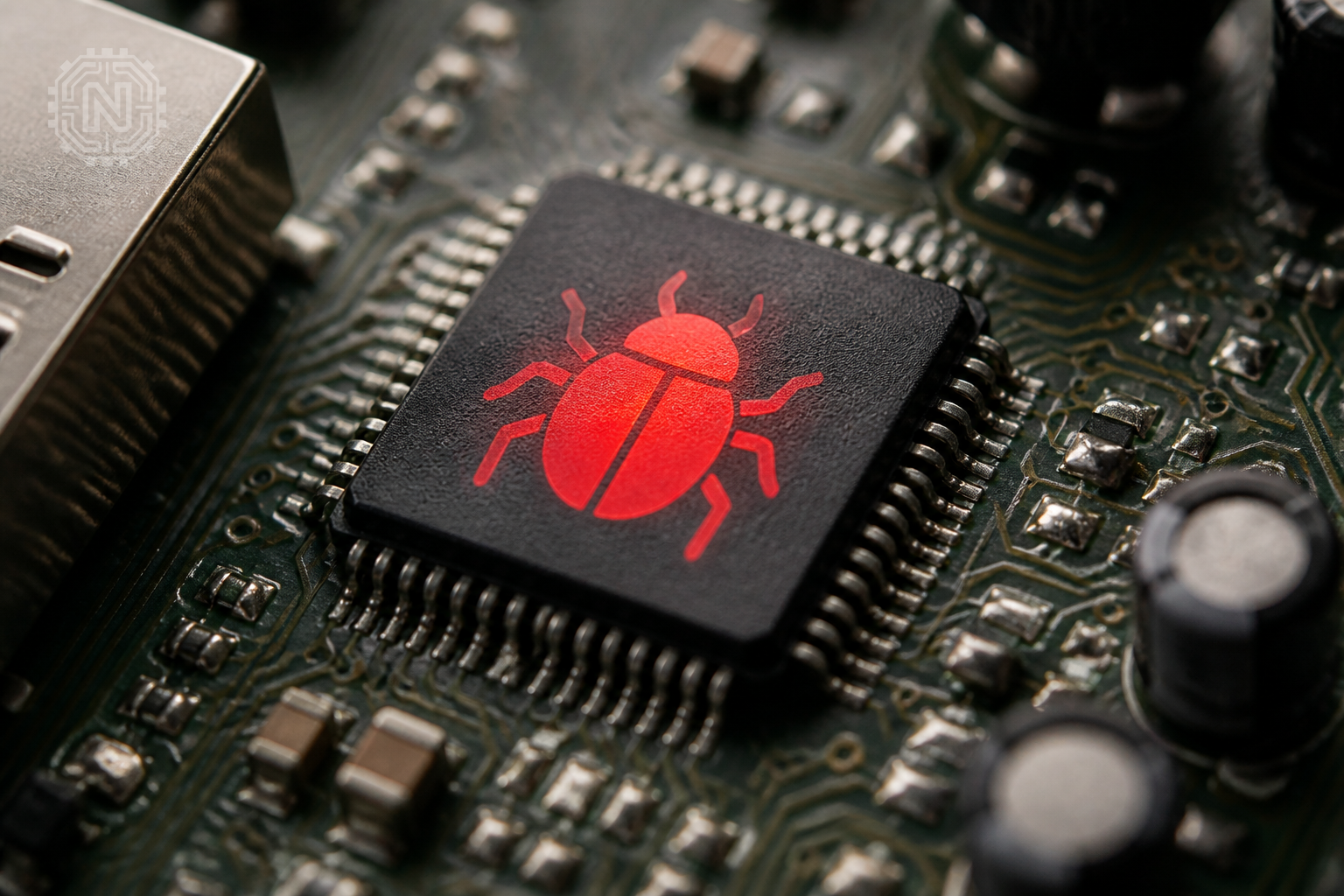
One common method is the use of malware-laden updates that appear legitimate but contain backdoors or ransomware payloads. Once installed, these malicious components can allow attackers to move laterally across networks, steal data, or disrupt operations.
In 2026, attackers are also deploying AI-driven exploits that adapt to defenses in real time, making detection harder. They target weaker links in the supply chain, such as small vendors with limited security resources, to establish a foothold.
Organizations can defend against such tactics by implementing strict code review processes, continuous monitoring, and adopting zero-trust architectures that verify every access attempt.
What are the practical steps to protect your supply chain in 2026?
Effective supply chain cybersecurity in 2026 requires a mix of technical and organizational measures. Start with comprehensive risk assessments across all vendors and supply chain partners.
Implement zero-trust security models that verify every access request, regardless of location or device. Regularly update and patch all hardware and software components to close vulnerabilities.
Conduct continuous monitoring and anomaly detection to identify suspicious activities early. Establish incident response plans specifically tailored to supply chain breaches.
Educate suppliers and vendors on cybersecurity best practices, emphasizing the importance of secure coding, firmware integrity, and vulnerability disclosures. Collaboration is key to creating a resilient supply chain.
Why does supply chain security matter so much now?
Supply chain security impacts not just individual companies but entire sectors and economies. In 2026, breaches can lead to critical infrastructure failures, financial losses, and reputational damage.

High-profile incidents like the SolarWinds attack demonstrated how infiltrations in trusted vendors could cascade into national security threats. As supply chains become more digital and interconnected, the attack surface widens.
Regulators worldwide are increasing compliance requirements, making security a legal and operational necessity. Failing to secure supply chains now risks severe penalties and operational shutdowns.
Businesses that prioritize supply chain cybersecurity can avoid costly disruptions, protect customer data, and maintain trust in their products and services.
Future outlook: Will supply chain cybersecurity improve?
Looking ahead, supply chain cybersecurity in 2026 and beyond will see greater adoption of automation, AI, and blockchain-based verification systems. These tools aim to reduce human error and improve transparency.
Regulatory frameworks are expected to become more stringent, pushing organizations to adopt best practices and share threat intelligence more openly.
However, attackers will also evolve, employing AI and machine learning to craft more sophisticated exploits. Staying ahead will require continuous innovation and collaboration across industries.
Investments in supply chain security are projected to grow, with more organizations recognizing cybersecurity as a core component of their operational resilience.
Editorial Sources
Conclusion
Supply chain cybersecurity in 2026 is a complex, evolving challenge that demands vigilance, proactive planning, and collaboration. Organizations must prioritize securing their supply chains to prevent devastating breaches that can ripple through entire sectors. Staying ahead requires continuous adaptation to emerging threats and adopting best practices.
Frequently Asked Questions
What is a supply chain cyberattack?
A supply chain cyberattack involves compromising a trusted vendor or supplier to infiltrate larger networks.
How can I identify vulnerabilities in my supply chain?
Conduct comprehensive risk assessments and regular security audits of all supply chain partners.
What is zero trust security in supply chains?
Zero trust verifies every access request, reducing the risk of insider threats and lateral movement of attackers.
Are supply chain attacks increasing in 2026?
Yes, attacks have risen by approximately 30% compared to last year, targeting software and hardware vendors.
Which sectors are most at risk?
Critical infrastructure sectors like energy, healthcare, and transportation are prime targets for supply chain breaches.
What regulations affect supply chain cybersecurity?
Global regulations, including CISA guidelines and GDPR, are tightening security requirements for vendors.
How do I protect my supply chain from malware?
Implement strict code reviews, continuous monitoring, and secure firmware update practices.
What future trends are expected in supply chain cybersecurity?
Increased use of AI, blockchain verification, and stricter compliance standards are on the horizon. For more on Cybersecurity, explore Newtechzy. You can also review our Privacy Policy and Cookie Policy, or learn more About us.
Related Topics
Learn more about securing your supply chain and stay ahead of cyber threats. Contact our experts today to build a resilient defense.
Start Your Journey Today!


