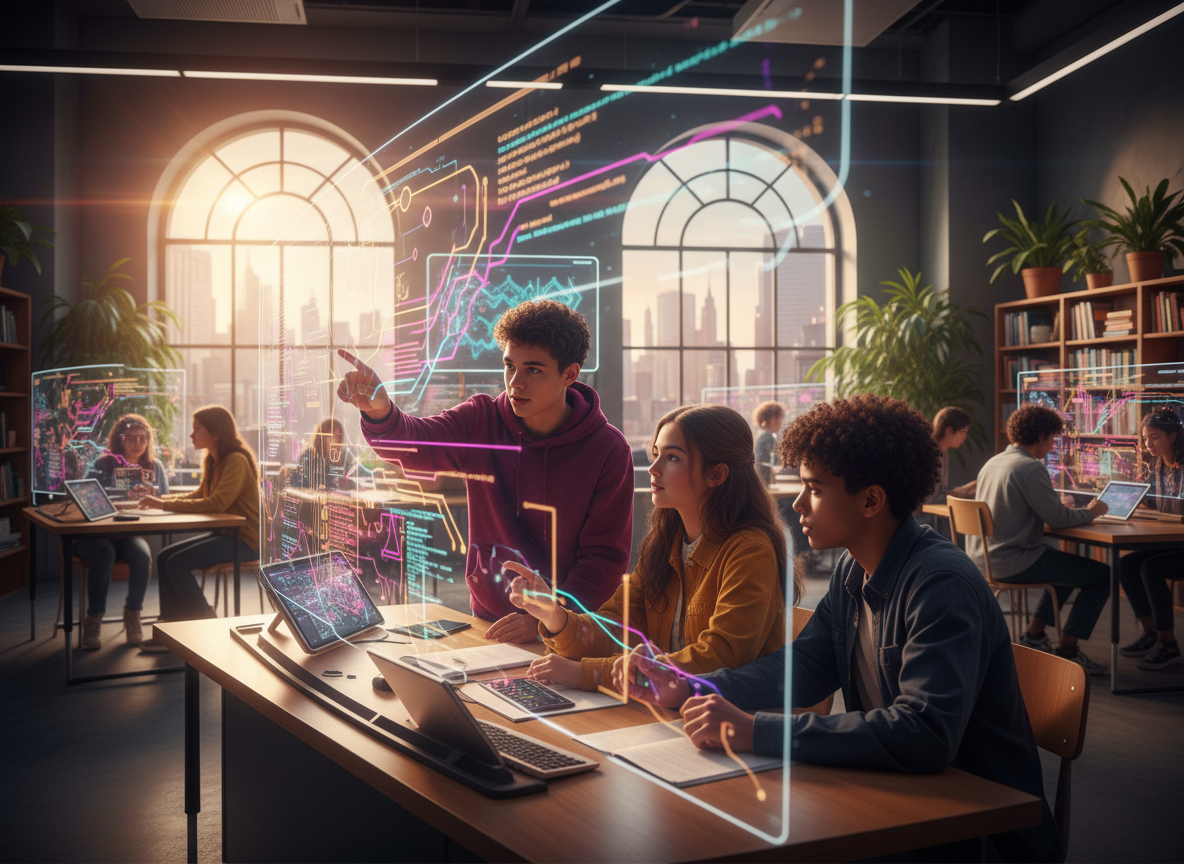
The release of the 'Quantum-Ready 2026' initiative today marks a pivotal moment in STEM education. As quantum computers reach the 1,000-qubit milestone with stable error correction, the industry's demand for quantum-literate workers has skyrocketed. Consequently, educational boards have officially integrated introductory quantum programming into the standard computer science curriculum for high school seniors. This move aims to prepare the next generation for a world where quantum-classical hybrid systems are the norm.
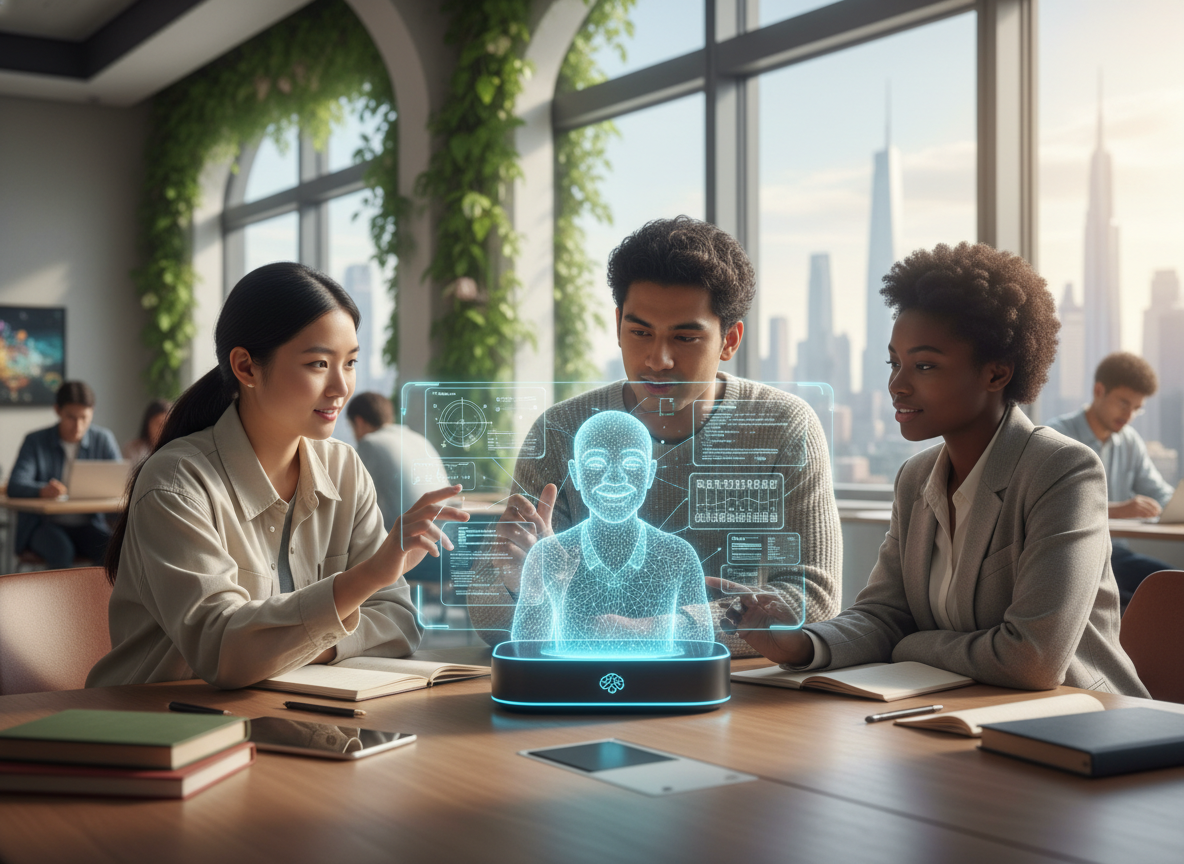
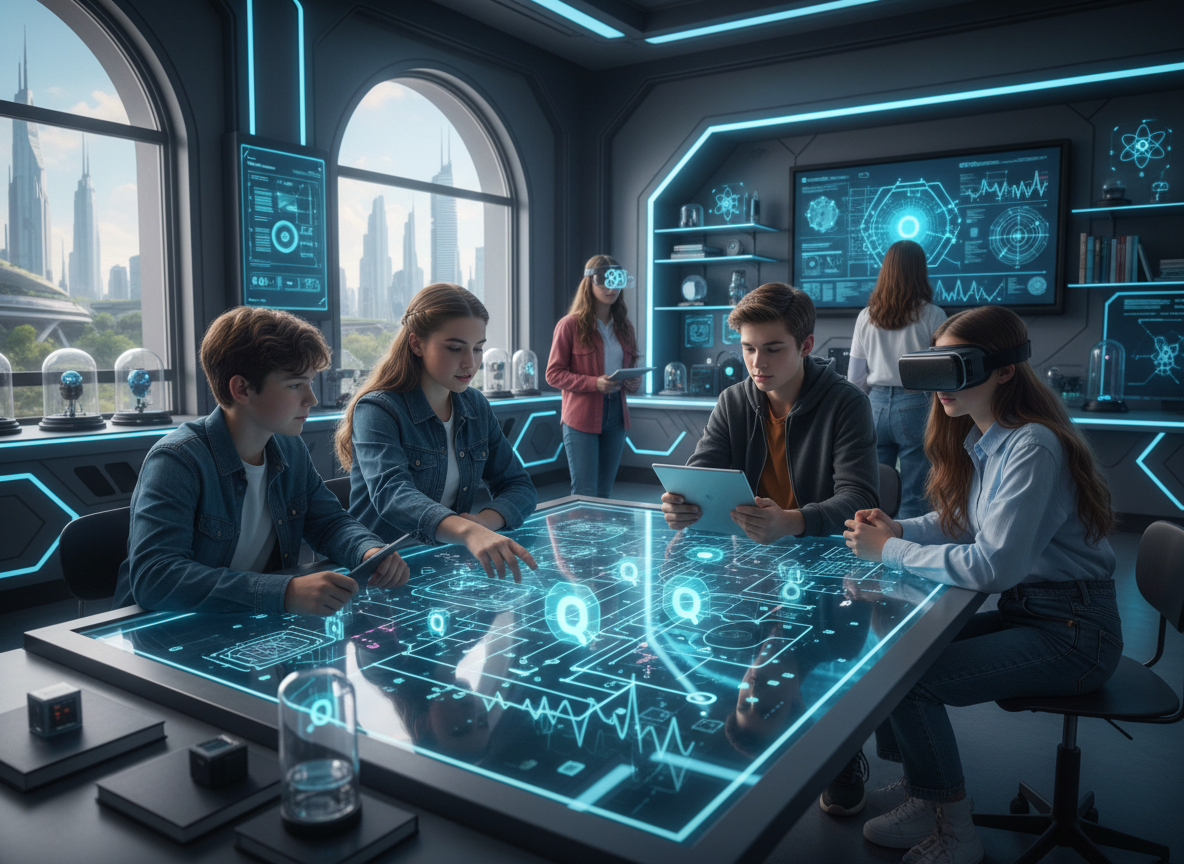
The cornerstone of this educational shift is the new generation of simplified SDKs (Software Development Kits). Specifically, the 'Quantum-Flow' tutorial series launched this spring allows students to visualize qubit states through immersive 3D interfaces. Instead of heavy linear algebra, students start with 'logic-gate puzzles' that build an intuitive understanding of superposition and entanglement. This pedagogical approach mirrors how coding was taught via blocks like Scratch a decade ago.
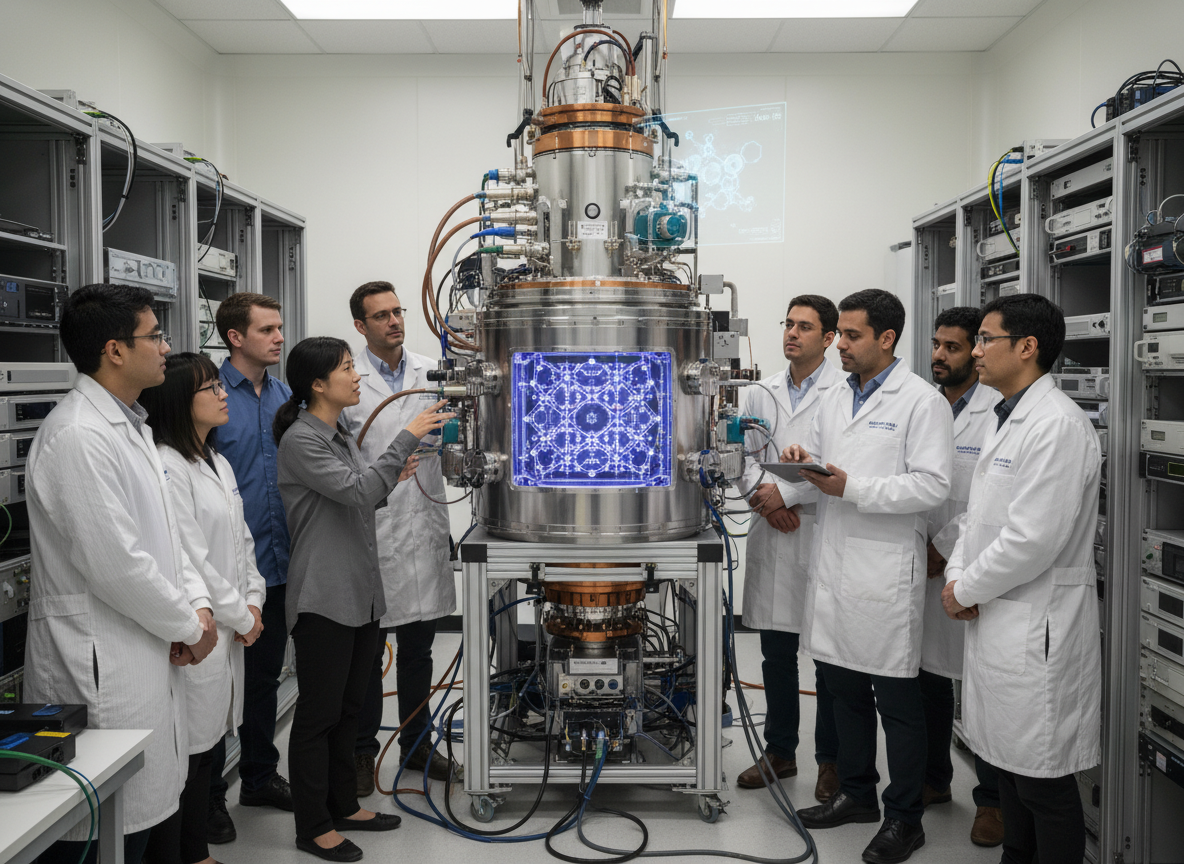
School districts are collaborating with tech giants to provide cloud access to actual quantum processors. Students can now write a short script in the classroom and run it on a superconducting processor located halfway across the world. Seeing real-world probabilistic results instead of simulated ones provides a tangible connection to the physics involved, making the abstract concepts of quantum mechanics much more digestible for teenage learners.
Teachers are being supported by 'Quantum Masterclasses' funded by national research grants. These tutorials aren't just for computer science instructors; physics and chemistry teachers are also adopting quantum modules. In chemistry, for instance, students use quantum simulations to understand molecular bonding at a level of detail that traditional computers could never simulate, providing a much clearer picture of complex biological processes and material science.
The 2026 curriculum also emphasizes the ethics of quantum technology, particularly regarding cryptography. Tutorials now include modules on 'Post-Quantum Security,' teaching students why the current encryption methods will soon be obsolete and how new algorithms are being developed to protect data. This holistic approach ensures that students aren't just learning to code, but are also understanding the societal implications of the quantum revolution.
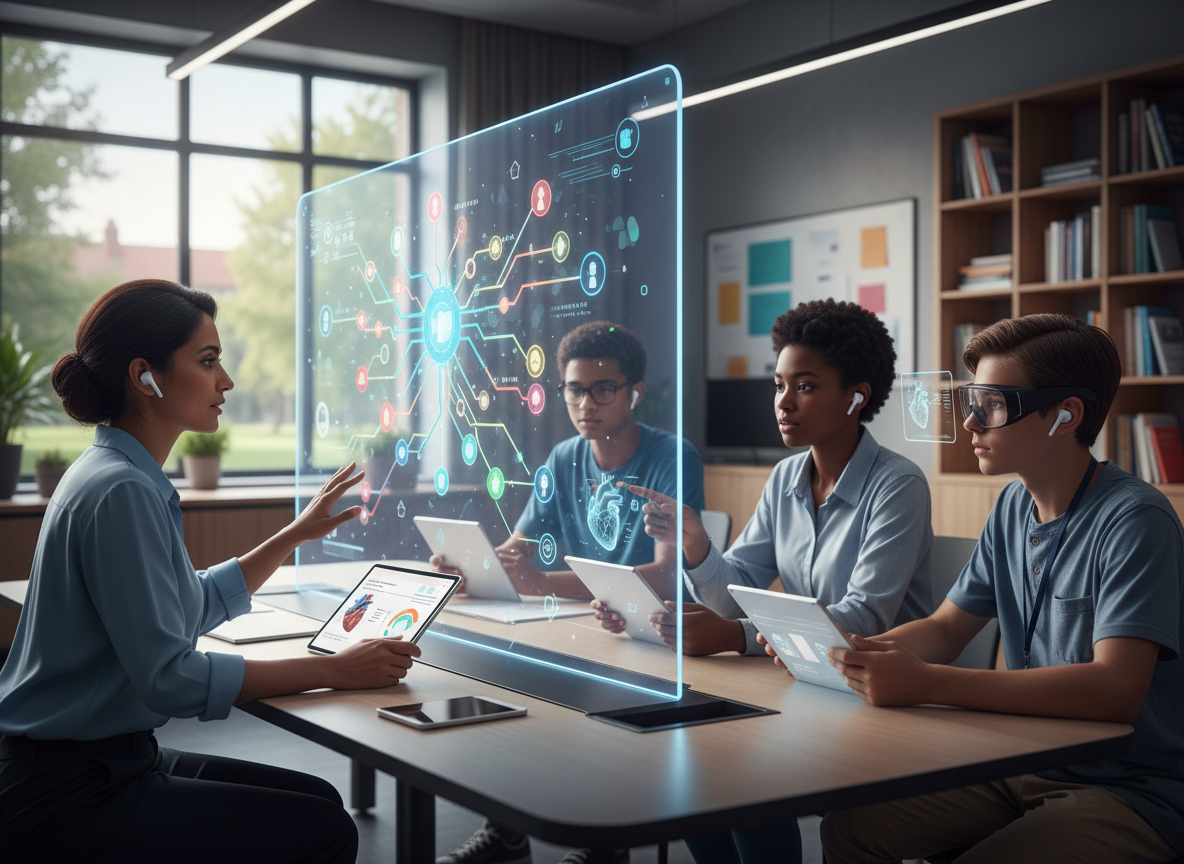
A significant hurdle remains the 'Hardware Gap' between well-funded and under-resourced schools. To combat this, the Open Quantum Education Foundation (OQEF) has released a suite of hardware-agnostic tutorials that can run on low-power tablets and recycled laptops. These simulations are so high-fidelity that students can learn the principles of quantum circuit design without needing a high-speed connection to a quantum mainframe, ensuring equitable access to these high-value skills.
Recent data from the March 2026 National Assessment of Educational Progress (NAEP) indicates that students who engage with quantum tutorials early show a 30% increase in general logical reasoning scores. The non-linear thinking required for quantum logic seems to enhance their ability to solve complex problems in other fields, including economics and environmental modeling. This 'Quantum Edge' is becoming a highly sought-after trait in university admissions.
In conclusion, the 'Quantum-Ready' initiative of 2026 is more than just a new subject; it is a fundamental shift in how we perceive computation. By demystifying the quantum world through accessible tutorials and real-world application, we are ensuring that the builders of tomorrow's technology are starting today. As these students graduate, they will enter a workforce ready to tackle the world's most complex challenges using the most powerful tools ever created.