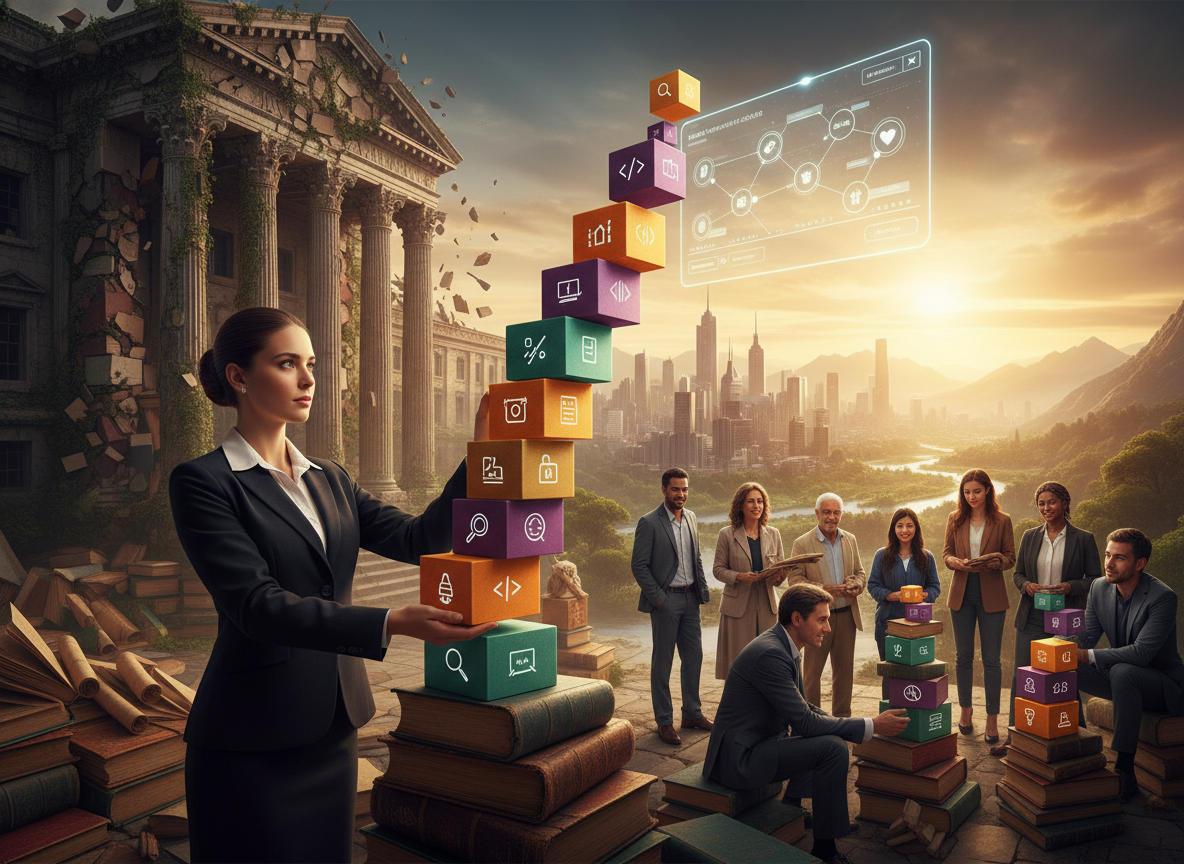
As of April 8, 2026, the landscape of education has undergone a seismic shift from standardized instruction to a model of AI-native personalization. This transition marks the end of the 'one-size-fits-all' approach that dominated the early 21st century. Today, educational platforms are no longer just repositories of information; they are dynamic, sentient-like engines capable of mapping a student’s cognitive strengths and weaknesses in real-time. This level of hyper-personalization ensures that every learner receives a unique pathway tailored to their specific pace, interests, and prior knowledge bases.
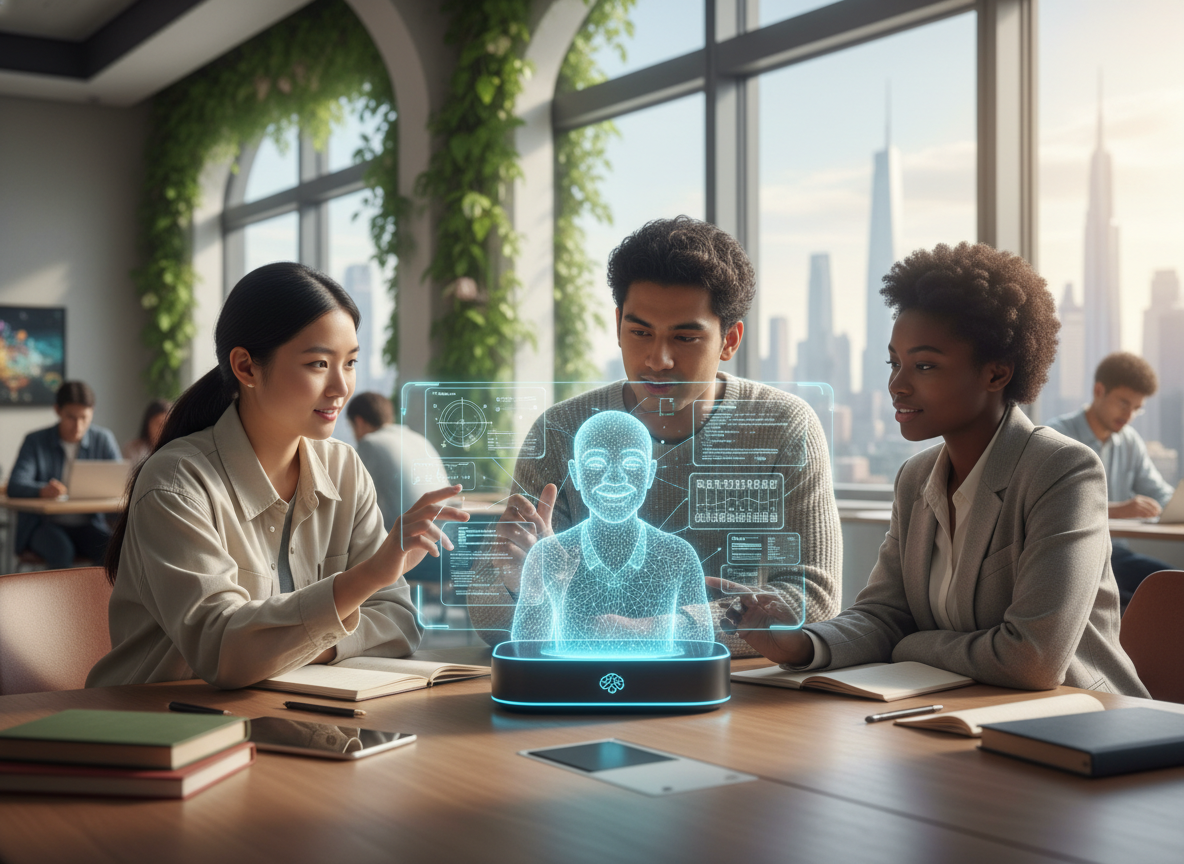
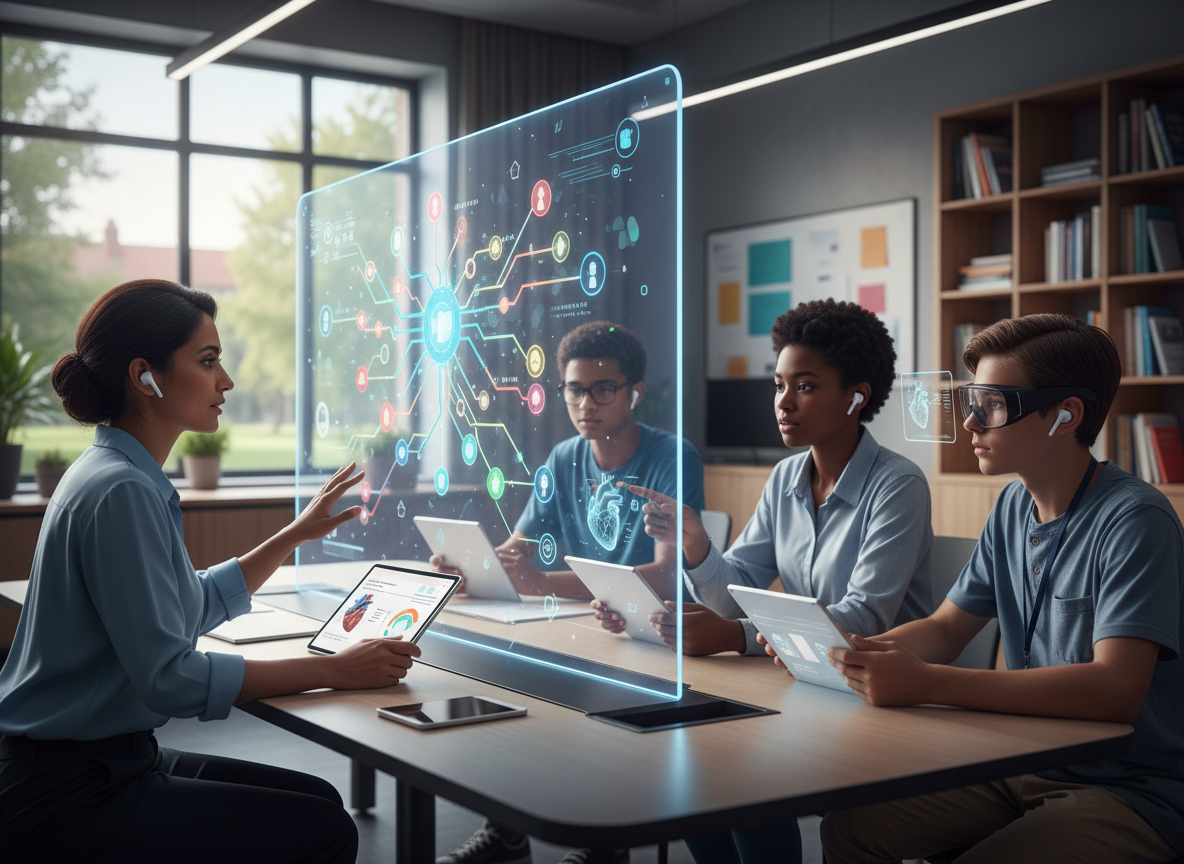
The core of this revolution lies in the integration of Multimodal Large Language Models (MLLMs) that serve as 24/7 tutors. Unlike the primitive chatbots of 2023, the 2026 versions utilize sophisticated predictive analytics to anticipate where a student might struggle before they even encounter a hurdle. By analyzing biometric data from spatial computing headsets and engagement patterns, these AI tutors can pivot their teaching style—switching from a visual-heavy explanation to an interactive simulation or a Socratic dialogue—ensuring maximum retention and engagement without human intervention.
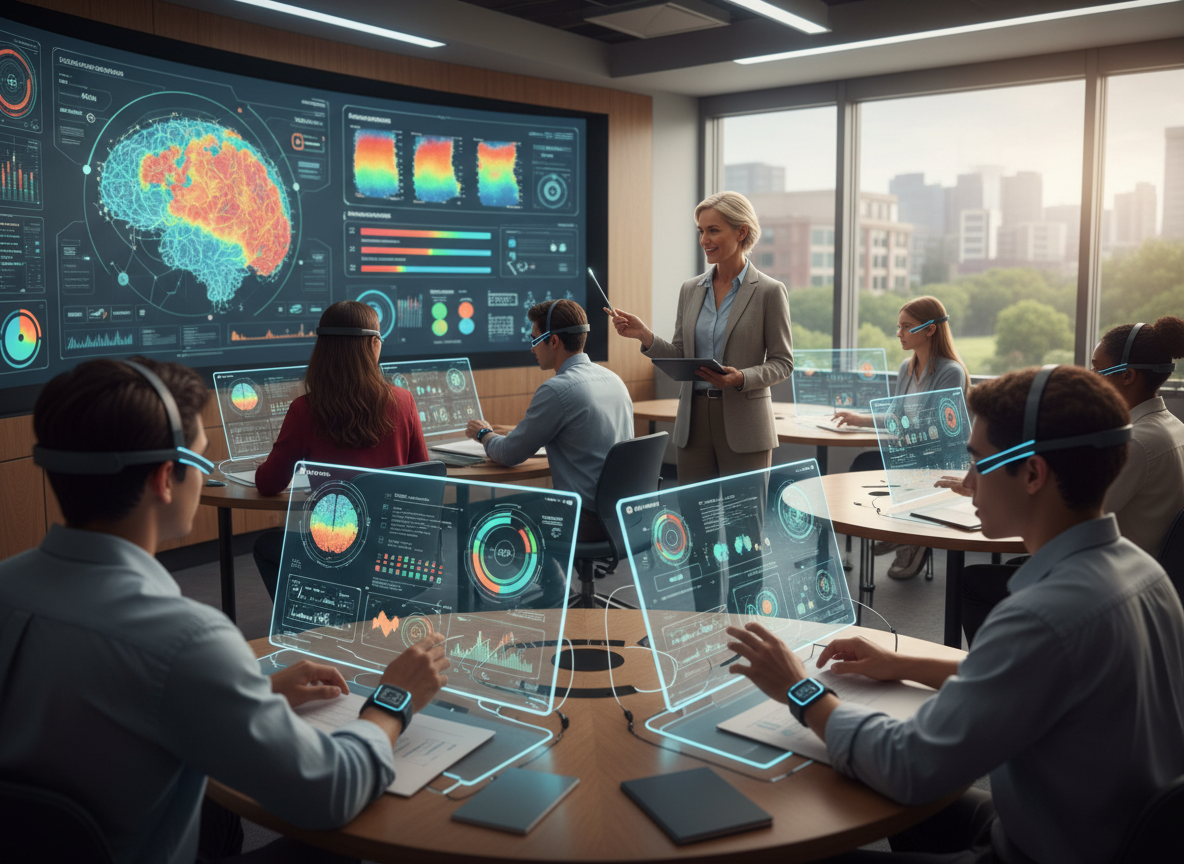
In modern classrooms today, the teacher's role has evolved into that of a high-level educational architect and emotional mentor. Instead of spending hours grading papers or preparing lecture slides, instructors now use AI-generated dashboards that highlight individual student progress and identify group-wide conceptual gaps. This allows for targeted small-group workshops where the human element is most critical: fostering critical thinking, ethical debate, and social-emotional intelligence. The efficiency of AI allows teachers to focus on mentorship, which remains a uniquely human capability.
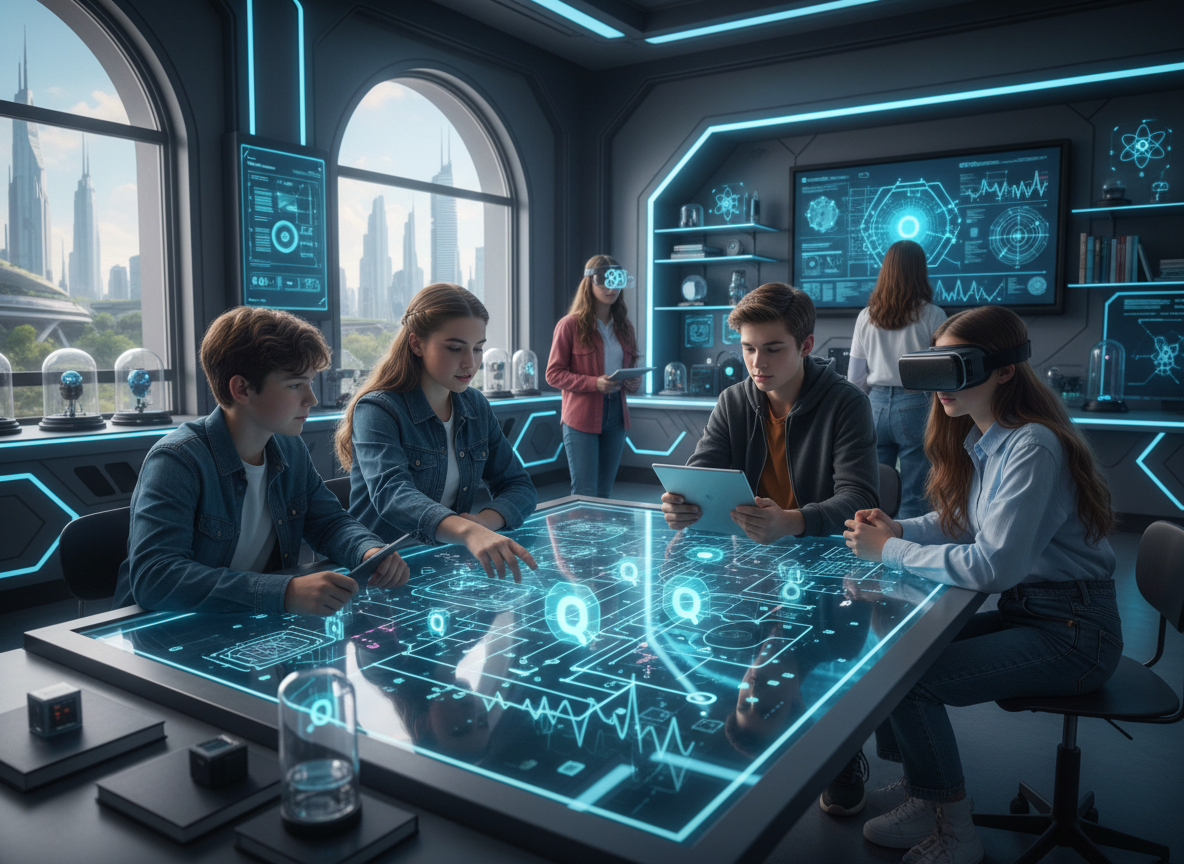
Furthermore, the integration of Spatial Computing has turned traditional tutorials into immersive experiences. For instance, medical students in 2026 no longer simply read about anatomy; they use AR-enabled tutorials to perform virtual dissections on holographic models that react with physiological accuracy. These tutorials are synchronized with AI tutors that provide real-time guidance, correcting a student's technique as they work. This hands-on approach, powered by high-speed 6G connectivity, has drastically reduced the time required to master complex manual and cognitive skills.
Data privacy and ethical AI use have become central pillars of the 2026 educational framework. With systems collecting massive amounts of student data to drive personalization, new 'Edu-Privacy' protocols have been established globally. These protocols ensure that a student's 'Cognitive Digital Twin'—the data model of their learning process—remains the property of the individual or their guardians. This has fostered a sense of trust in AI systems, allowing for deeper integration of these technologies into public and private school systems alike.
Another significant breakthrough reported today is the democratization of high-quality education through these AI platforms. Global literacy and numeracy projects are utilizing low-bandwidth AI models to provide world-class tutoring to remote areas where physical schools are scarce. Because these AI systems can speak any language and adapt to cultural nuances, they are effectively bridging the educational divide that has historically separated the global north and south, making the dream of universal access to quality learning a tangible reality.
The economic impact of this shift is also becoming evident. Companies are now looking beyond traditional degrees, focusing instead on 'Verified Skill Clusters' generated by AI-native platforms. These platforms provide a granular view of what a candidate can actually do, backed by a history of simulated performance and problem-solving tasks. This has forced traditional universities to rapidly adapt, often partnering with AI developers to create 'Hybrid Degree' programs that blend academic theory with AI-driven practical training modules.
Looking forward, the trend of 'Lifelong Adaptive Learning' is expected to become the norm for all professions. As the job market continues to fluctuate due to technological advancements, the AI-native tutorials we see today will provide the infrastructure for continuous upskilling. By 2026, the concept of graduating and stopping one's education is obsolete; instead, individuals maintain an ongoing subscription to their personal AI tutor, which keeps them at the cutting edge of their field through bite-sized, daily learning interventions.