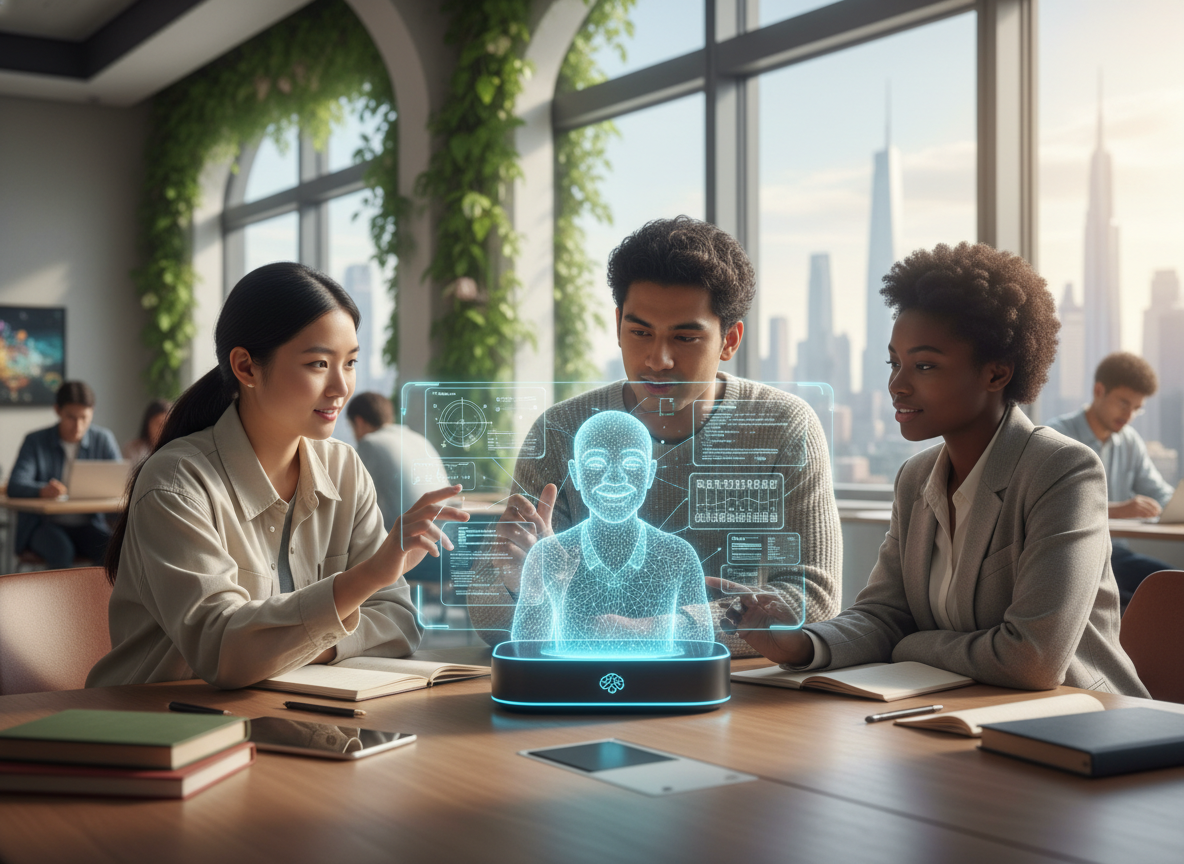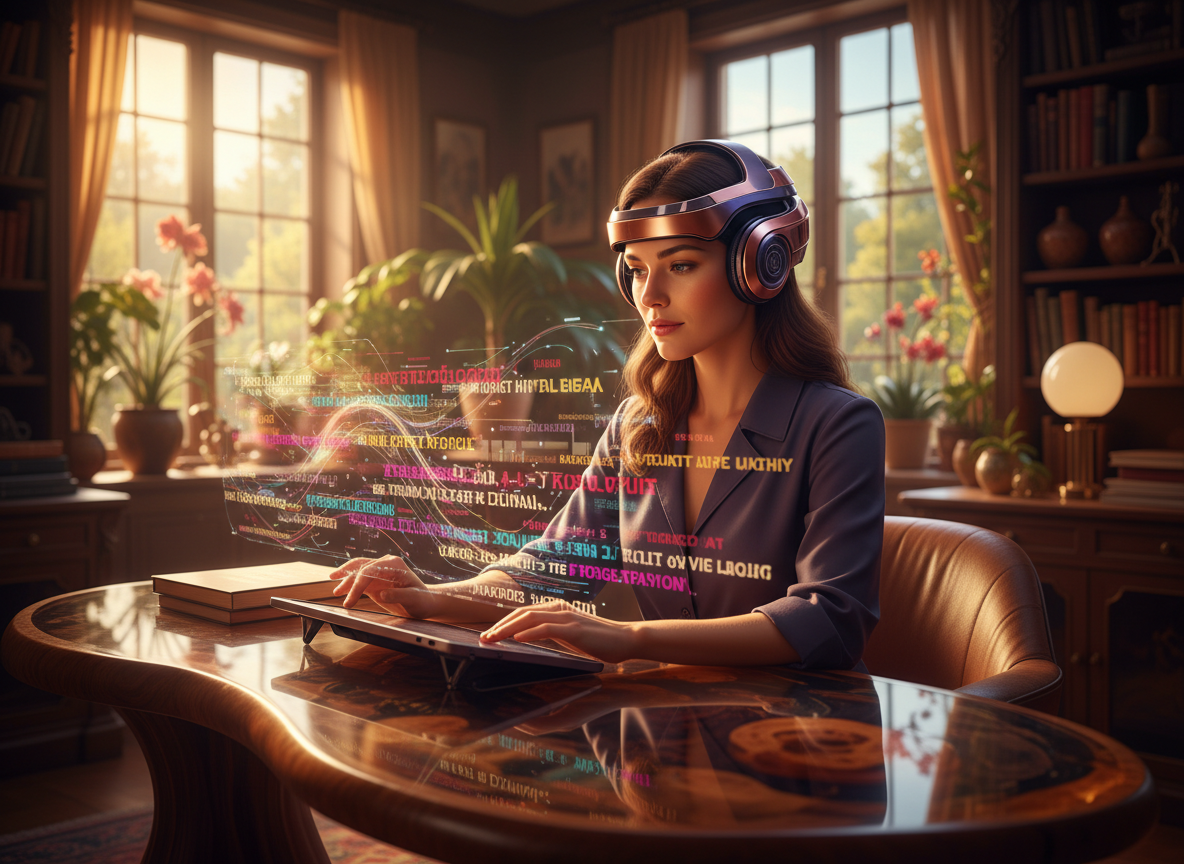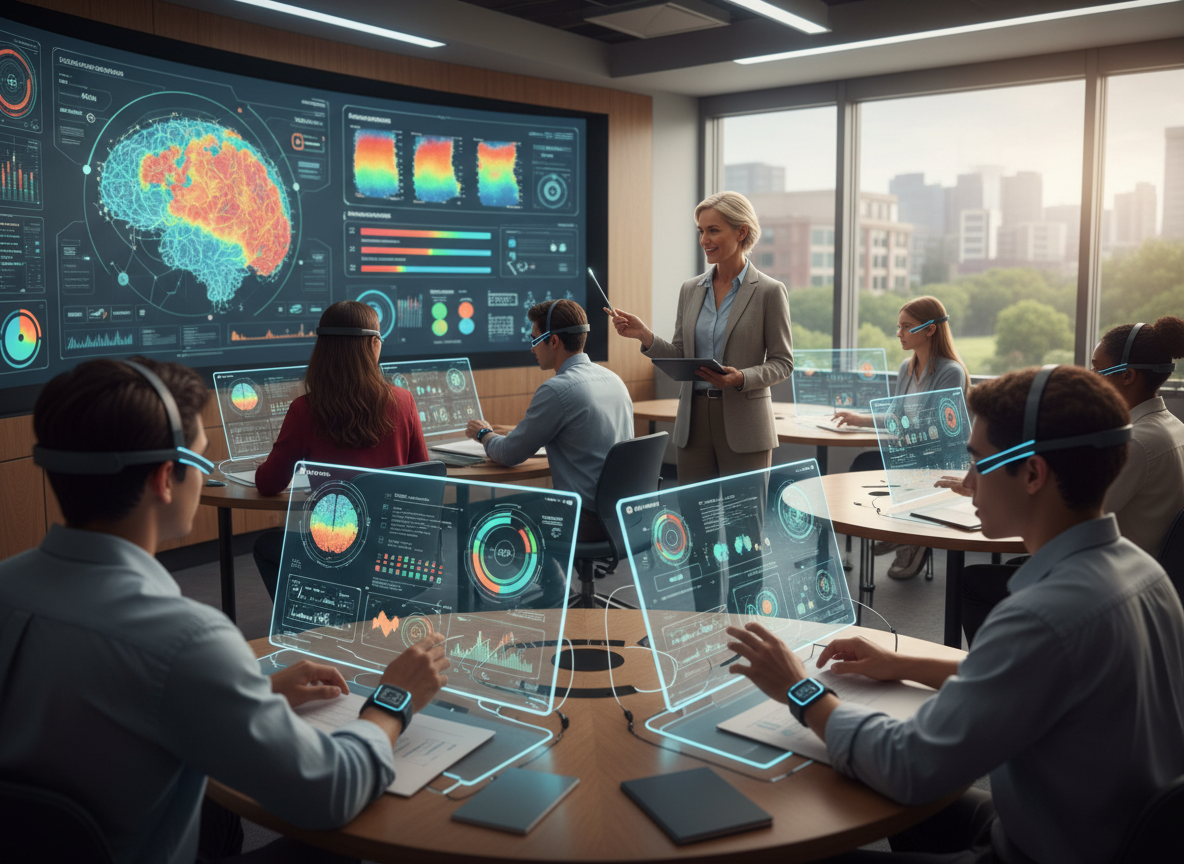
As of April 7, 2026, the landscape of global education has moved far beyond the traditional lecture-based model, transitioning into a new era defined by Cognitive-Responsive Learning Environments (CRLEs). This week, major technological breakthroughs in non-invasive neural monitoring have allowed educational platforms to integrate real-time cognitive load assessments into their core curricula. Unlike the rudimentary AI tutors of the early 2020s, today's systems can detect when a student is experiencing cognitive fatigue or frustration, automatically adjusting the delivery speed, complexity, and modality of the material to maintain an optimal state of flow. This shift marks the end of 'one-size-fits-all' tutorials and the beginning of truly individualized pedagogical journeys.
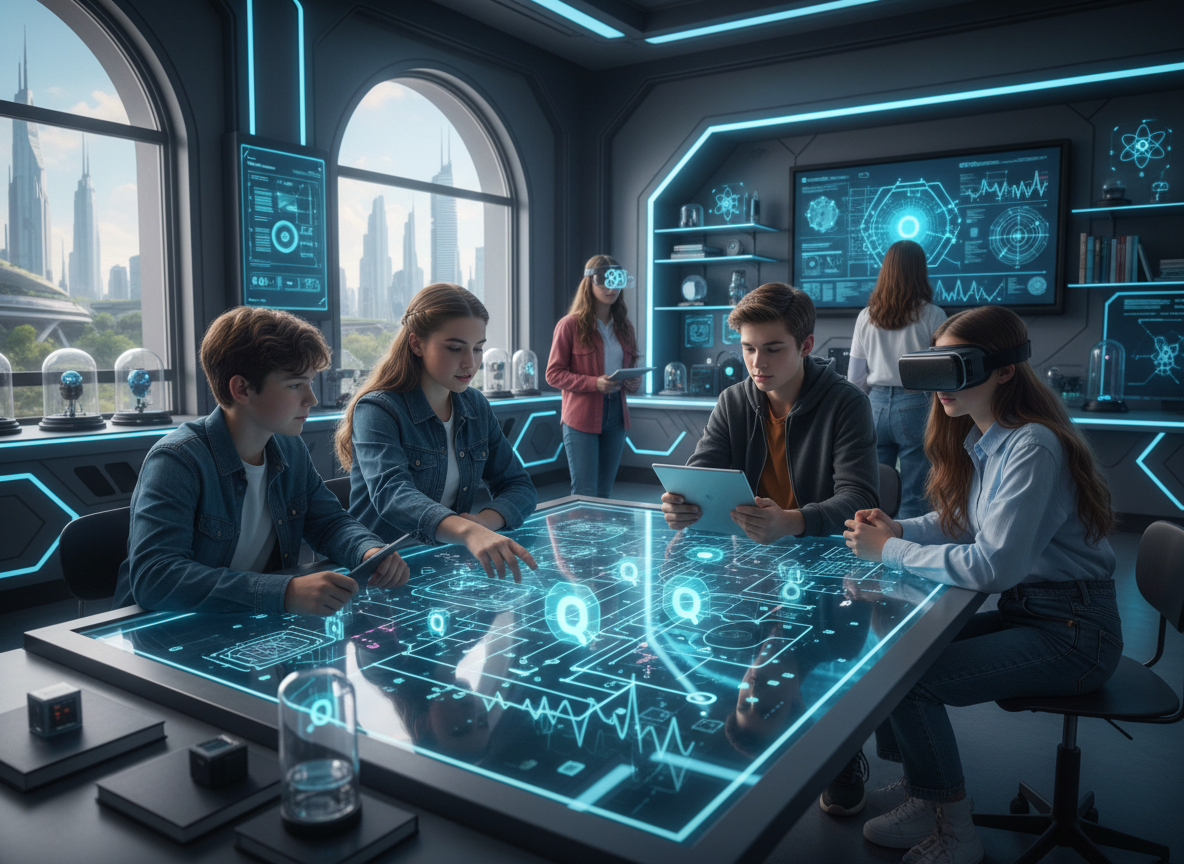
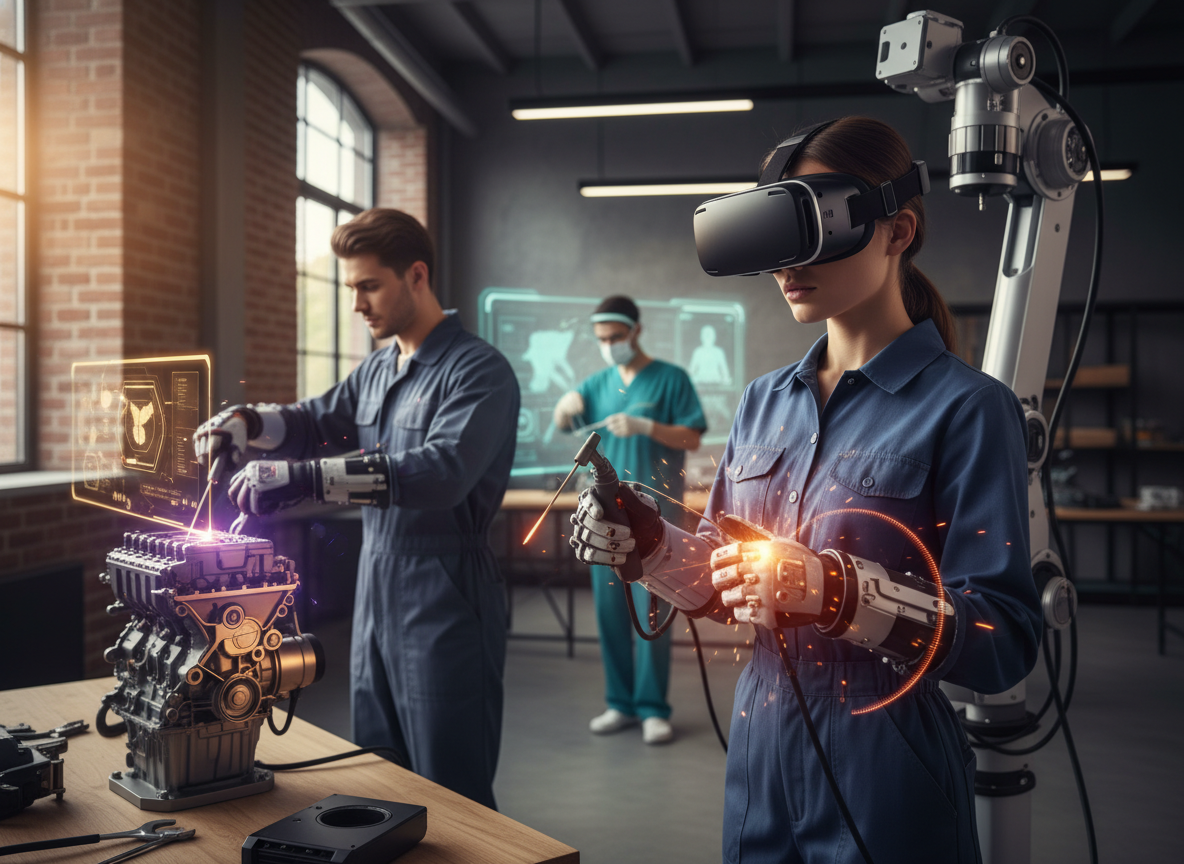
The integration of generative AI with spatial computing has reached a critical maturity point this spring. Students in April 2026 are increasingly utilizing 'Virtual Laboratory Nodes' where complex physical and chemical concepts are taught through immersive, haptic-enabled simulations. These environments are no longer just visual; they incorporate multi-sensory feedback that allows a student in a remote area to feel the resistance of a virtual magnetic field or the heat of a simulated chemical reaction. This democratization of high-end laboratory equipment through affordable VR/AR headsets has bridged a significant gap between rural and urban educational quality, fostering a more equitable global learning community.
One of the most significant developments reported today is the widespread adoption of the 'Skill-Based Ledger' system, a blockchain-backed alternative to traditional academic transcripts. Major universities and vocational institutions have officially pivoted toward certifying micro-competencies rather than broad degrees. As students complete modular tutorials powered by industry-verified algorithms, their progress is recorded on a transparent, tamper-proof ledger. This allows employers to see real-time data on a candidate's specific proficiency in emerging fields such as Quantum Algorithm Design or Sustainable Urban Planning, making the transition from education to employment more seamless than ever before.
In the realm of language acquisition, the 'Neural-Sync' tutoring model has become the gold standard as of early 2026. These tutorials utilize linguistic immersion coupled with AI-driven social cues to simulate natural conversation in thousands of dialects. The breakthrough announced this month involves 'context-aware translation layers' that do not just translate words but adapt the cultural nuances and social etiquette of the target language. Learners are no longer just memorizing vocabulary; they are participating in hyper-realistic social simulations that prepare them for the nuances of international diplomacy or global business communication within hours rather than years.
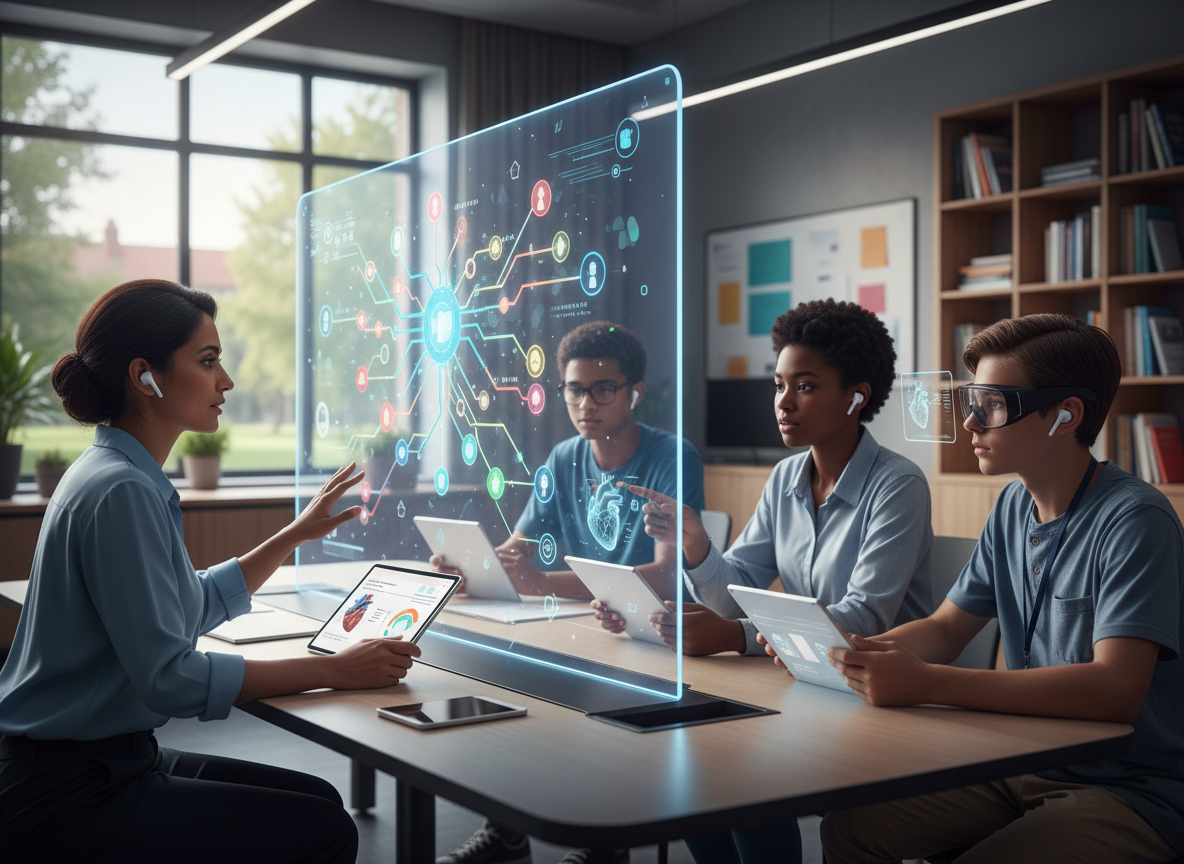
The role of the educator has undergone a profound transformation, moving from a primary source of information to a 'Learning Architect.' In 2026, teachers spend less time grading and more time interpreting the data provided by AI diagnostics. This week's global Education Summit highlighted the 'Human-AI Collaborative Teaching' framework, which emphasizes the necessity of social-emotional learning (SEL) that AI cannot replicate. Educators are now focusing on mentorship, ethical reasoning, and critical thinking, while the rote delivery of facts is handled by high-fidelity digital tutors, allowing for a more human-centric classroom experience that prioritizes mental well-being.
Data privacy in education has reached a new legislative peak as of April 7, 2026, with the implementation of the Global Student Data Sovereignty Act. This regulation ensures that the biometric and cognitive data collected by learning platforms remains the sole property of the student or their guardians. Educational technology providers are now required to use 'On-Device Processing' for all sensitive cognitive feedback, ensuring that personal thought patterns and learning disabilities are not stored on centralized servers. This move has significantly increased public trust in AI-driven education tools, leading to a 40% uptick in adoption rates across previously skeptical demographics.
Tutorials for professional development have also seen a massive overhaul with the introduction of 'Just-in-Time Learning' (JITL) modules. As of this month, professionals can access bite-sized, high-impact tutorials that appear contextually within their digital workspace. For instance, a software engineer encountering an unfamiliar legacy codebase will receive an automated, AI-curated tutorial specifically addressing that architectural pattern. This eliminates the need for long-form training sessions, allowing the global workforce to remain agile and continuously upskilled in an economy where technological requirements change on a near-monthly basis.
As we look toward the remainder of 2026, the synergy between cognitive science and educational technology is set to deepen further. The current trend suggests a move toward 'Predictive Pedagogy,' where AI models can forecast future learning gaps before they manifest, providing preemptive tutorials that ensure no student falls behind. This proactive approach to education is not just about academic success; it is about fostering a lifelong love of learning by removing the barriers of frustration and inadequacy. The evolution we are witnessing today is a testament to how technology, when guided by ethical standards and human empathy, can truly unlock the vast potential of the human mind.