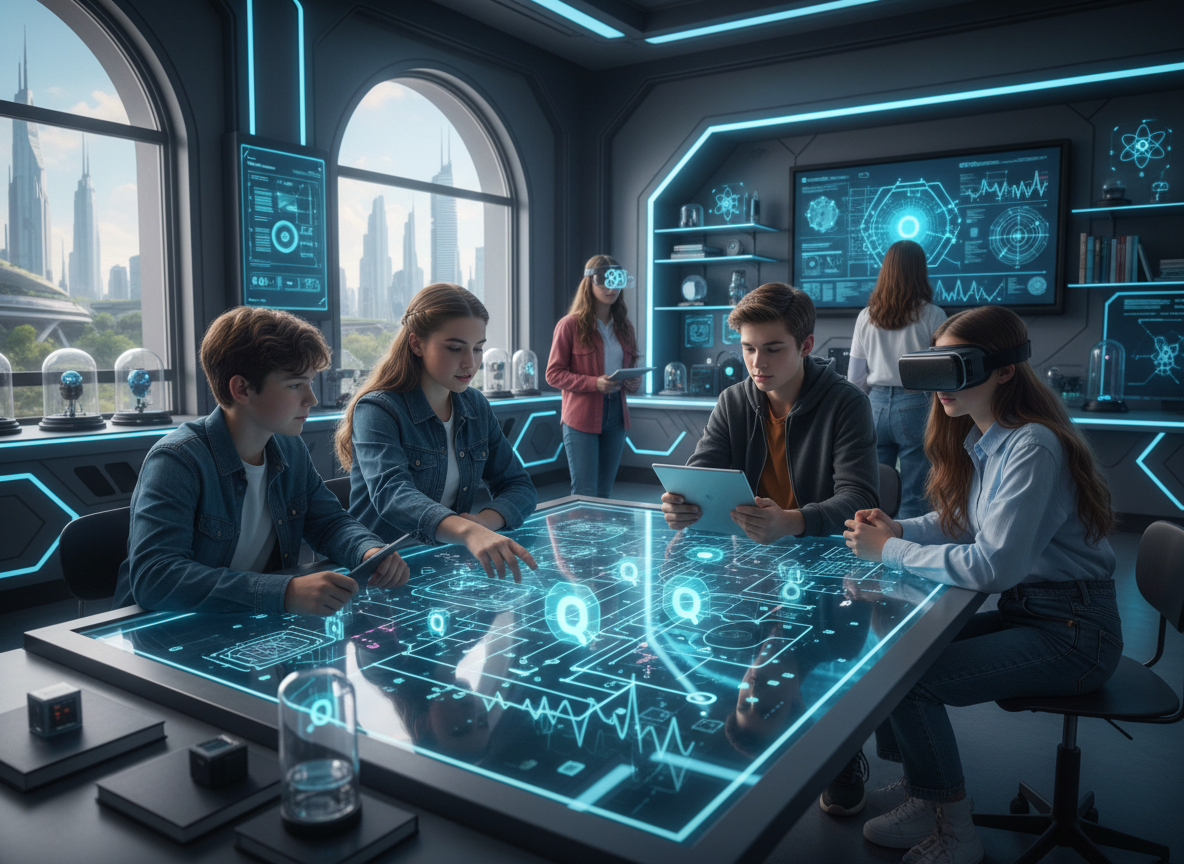
As of April 2026, quantum computing has transitioned from the realm of experimental physics into the foundations of the global digital economy. This shift has necessitated a radical overhaul of STEM curricula worldwide. Educators are now tasked with teaching 'Quantum Literacy'—a fundamental understanding of superposition, entanglement, and qubit-based logic—to students as young as twelve. The goal is not to turn every student into a quantum physicist, but to prepare them for a world where quantum-enhanced algorithms drive everything from logistics to drug discovery.
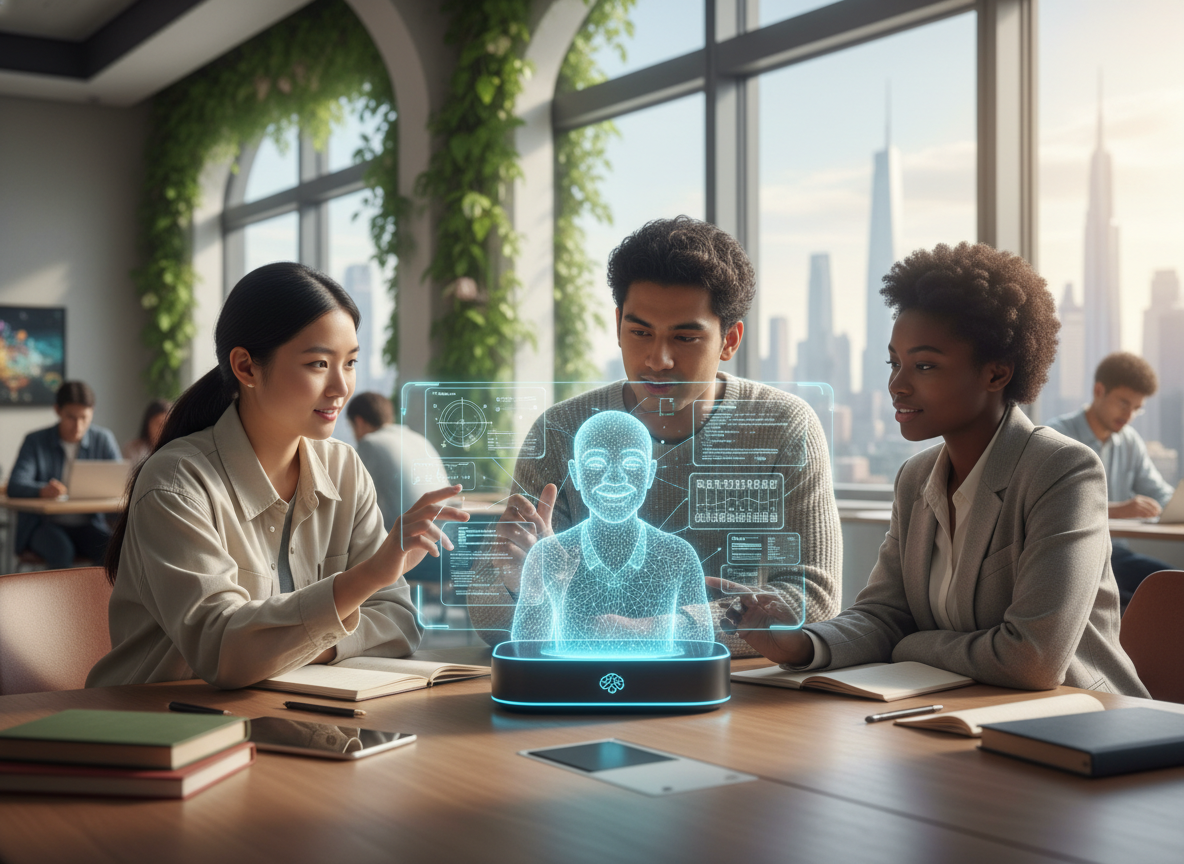
The most successful tutorials emerging today focus on 'Intuition First' learning. Traditional physics education often relied on complex mathematics that intimidated students. In 2026, educators use interactive visualizations and gamified environments to help students develop a 'quantum intuition.' By interacting with virtual particles in a simulated environment, learners can grasp the non-intuitive nature of the subatomic world before they ever see a complex equation. This pedagogical shift is making quantum concepts accessible to a much broader demographic of learners.
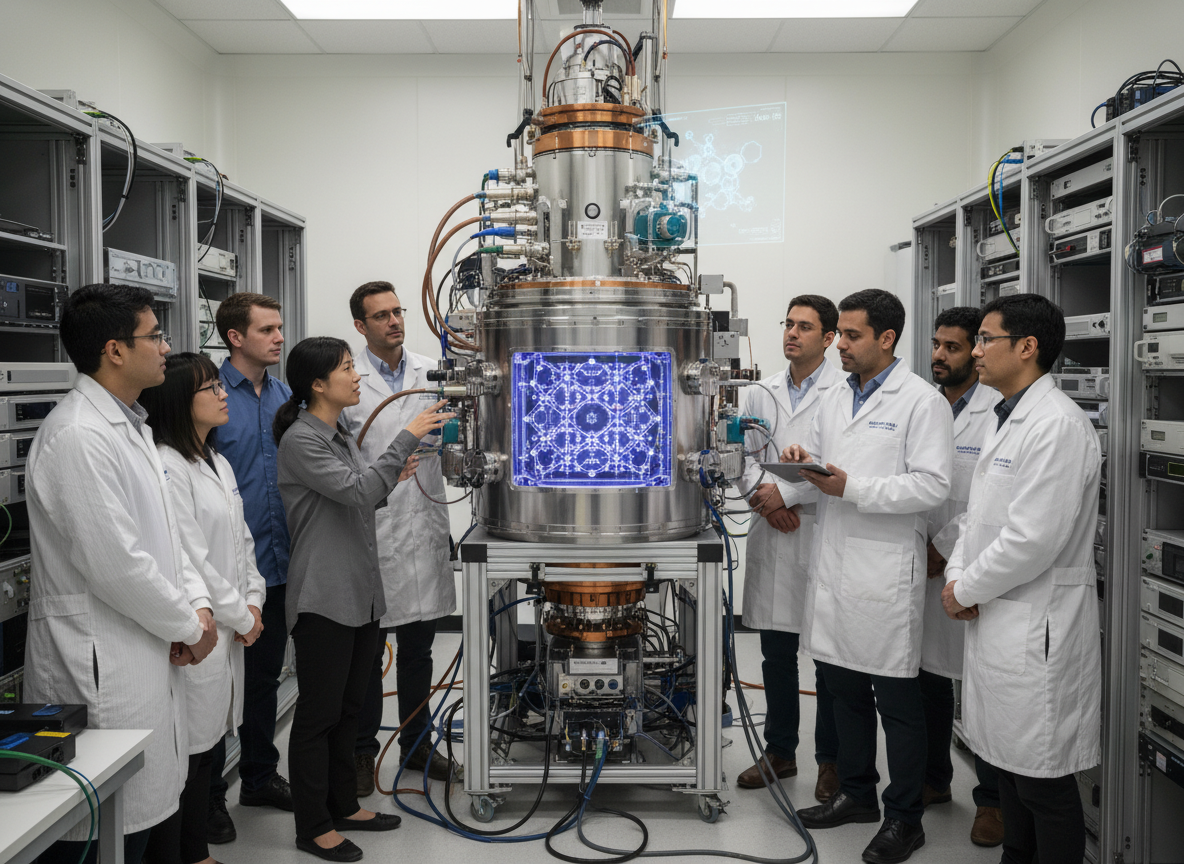
Cloud-based quantum labs have become a standard resource for high school students. Companies like IBM, Google, and Rigetti have released specialized 'Edu-Quantum' portals that allow students to run simple circuits on actual quantum hardware. These tutorials provide a bridge between theory and practice, allowing students to see the probabilistic nature of quantum results firsthand. The ability to interact with real quantum processors via the cloud has democratized access to high-end scientific equipment that was previously reserved for elite research institutions.
Integration with existing computer science curricula is also a key trend. Since quantum programming requires a different mindset than classical 'if-then-else' logic, new tutorials are teaching hybrid coding skills. Students learn how to write Python scripts that interface with quantum kernels to solve optimization problems. This dual-capability is becoming a highly sought-after skill in the 2026 job market, leading to a surge in specialized bootcamps and certification programs aimed at high school graduates and career changers alike.
The role of collaborative learning in quantum education cannot be overstated. Today’s tutorials often involve 'Quantum Hackathons' where students from around the world collaborate in virtual spaces to solve global challenges using quantum logic. These events foster a sense of community and collective problem-solving. By working together to optimize a supply chain or model a new carbon-capture molecule, students see the real-world impact of their studies, which significantly boosts engagement and long-term interest in STEM careers.
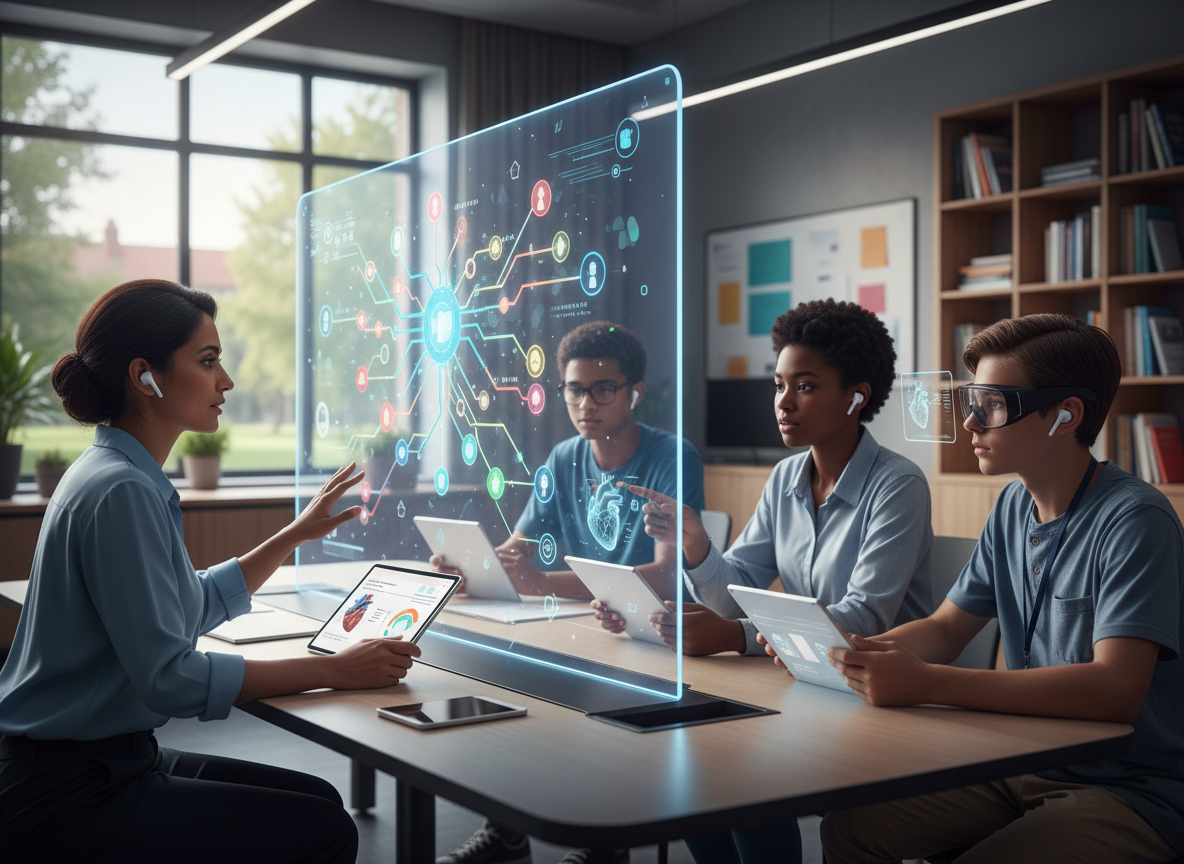
Teacher training remains one of the biggest challenges in this transition. To address this, governments have launched intensive 'Quantum Educators' programs. These programs utilize AI-driven mentoring to help classical physics and math teachers update their knowledge base. The tutorials provided to educators are designed to be modular, allowing them to integrate quantum concepts into their existing lesson plans incrementally. This top-down support is crucial for ensuring that the curriculum update is consistent across different socioeconomic regions.
Ethical considerations of quantum technology are also being woven into these new tutorials. Students are encouraged to debate the implications of quantum decryption on global security and the ethics of quantum-led genetic engineering. By integrating humanities into the STEM framework, the 2026 curriculum aims to produce well-rounded citizens who understand not just the 'how' of quantum technology, but also the 'why' and the 'should.' This holistic approach is designed to prevent the ethical lags that characterized the early days of the internet and AI.
In conclusion, the 'Quantum Leap' in education is well underway as of April 8, 2026. By demystifying the quantum world through accessible, practical, and ethically-grounded tutorials, the education sector is laying the groundwork for a new era of innovation. As these students enter the workforce, their familiarity with quantum logic will be the catalyst for breakthroughs that we can only begin to imagine today. The transition to quantum literacy is not just an academic update; it is a fundamental shift in how humanity perceives and interacts with the fabric of reality.