The global energy landscape shifted fundamentally today as 'Aura Materials,' a startup originating from MIT's research labs, announced the mass production of 'Aura-26.' This new synthetic crystalline structure is the world's first stable room-temperature superconductor, functioning at temperatures up to 30 degrees Celsius (86°F) and standard atmospheric pressure. For decades, the 'holy grail' of physics remained elusive, but the integration of AI-driven molecular modeling and high-pressure synthesis has finally brought this theoretical miracle into the commercial reality of 2026.
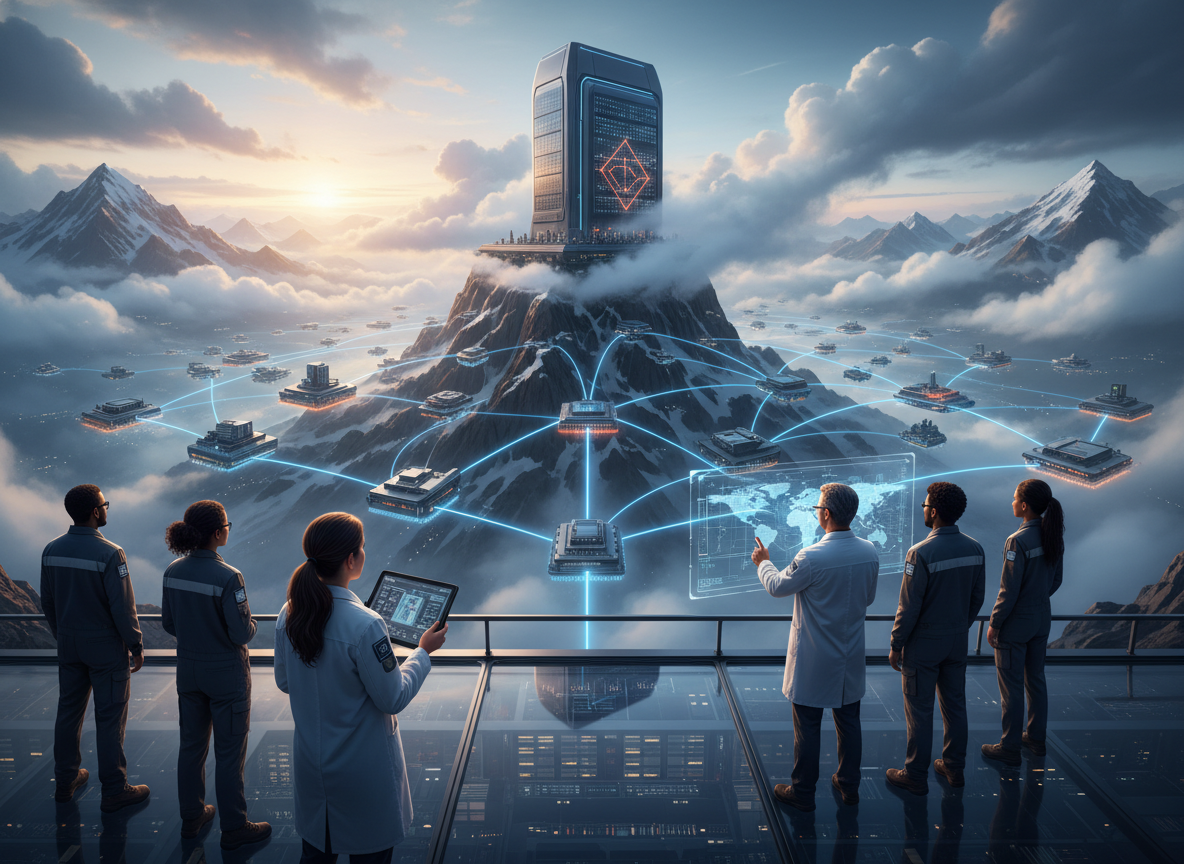
The implications of this breakthrough are staggering, primarily in the realm of power distribution. Currently, approximately 5% to 10% of all electricity generated is lost as heat during transmission through traditional copper and aluminum wires. With Aura-26, power grids can now transmit electricity with zero resistance. Engineering firms in Europe and North America have already signed contracts to begin retrofitting major urban power lines, a move that is expected to save trillions of dollars in energy costs and reduce global carbon emissions by nearly 15% within the next decade.
Beyond the power grid, the transportation sector is poised for a total metamorphosis. Superconductors are the key component in Maglev (magnetic levitation) trains. Until today, these trains required expensive and bulky liquid nitrogen or helium cooling systems. With room-temperature superconductors, Maglev technology can be implemented on standard rail corridors at a fraction of the previous cost. Industry experts predict that high-speed silent transit between major cities could become the norm, potentially making short-haul domestic flights obsolete by 2035.
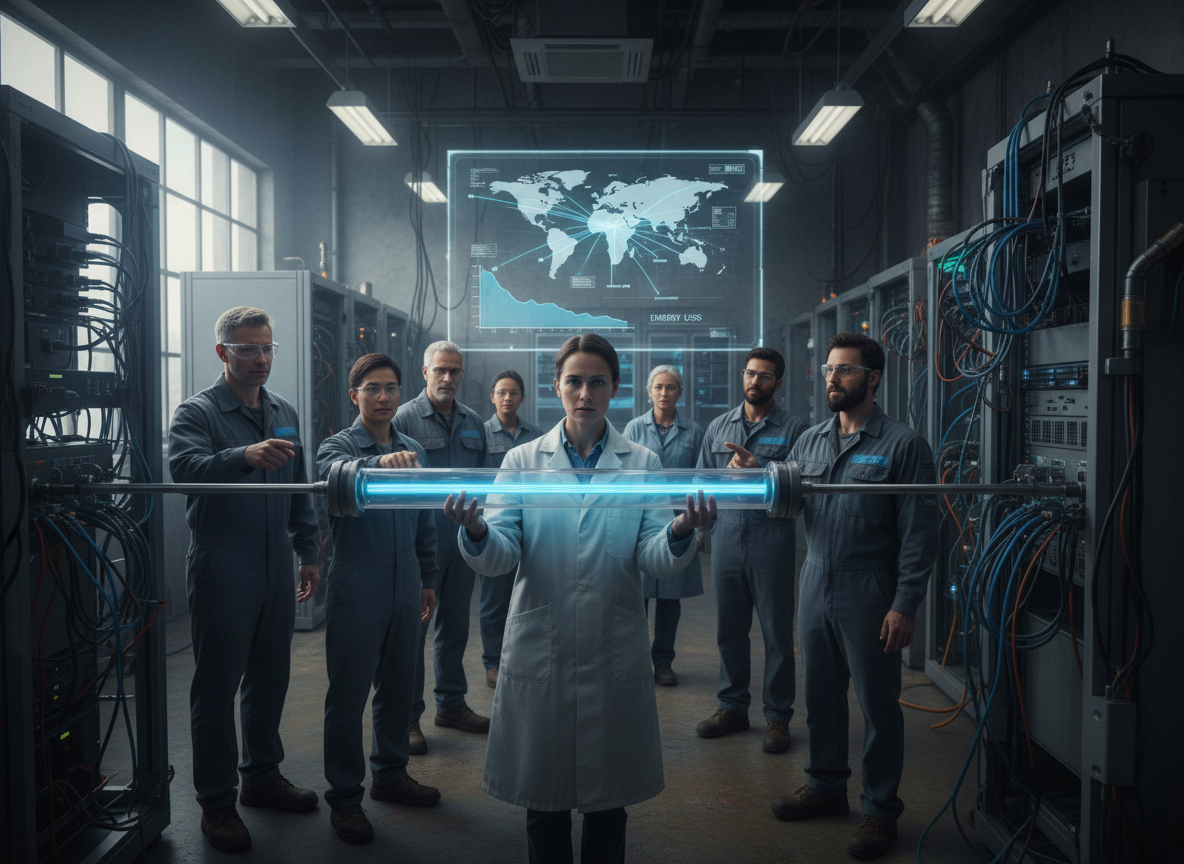
In the world of computing, Aura-26 is set to accelerate the transition to quantum supremacy. Quantum processors, which currently require massive cryogenic refrigerators to operate, can now be designed for much smaller form factors. This leap in material science allows for 'Warm-Quantum' computing, where complex simulations in drug discovery, weather forecasting, and cryptographic security can be performed on desktop-sized units. Tech giants have already announced the first 'Aura-integrated' server racks, promising a 1,000-fold increase in efficiency over traditional silicon-based architectures.
Manufacturing this material remains the primary hurdle for widespread adoption. While Aura Materials has successfully scaled production using a chemical vapor deposition process, the raw rare-earth elements required are in high demand. This has sparked a surge in the commodity markets, with the prices of Scandium and Lutetium reaching record highs. Economists warn that while the technology will eventually lower costs for consumers, the initial infrastructure investment will require significant government subsidies and international cooperation to prevent a new digital divide.
The medical field is also anticipating a revolution in diagnostic imaging. MRI machines, which currently cost millions of dollars and occupy entire rooms due to their cooling requirements, could soon become portable and affordable. Using Aura-26, clinicians could perform high-resolution scans in rural clinics or even in the field during emergency response. This democratization of high-end medical technology could lead to significantly earlier detection of cardiovascular diseases and neurological disorders, saving millions of lives annually.
Critics and safety advocates have raised questions regarding the long-term stability of the Aura-26 crystalline structure under high-stress environments. Concerns about 'quenching'—the sudden loss of superconductivity—could lead to catastrophic failures in high-voltage applications. In response, Aura Materials released a white paper today detailing their 'Self-Healing' molecular lattice, which uses nano-encapsulated polymers to repair structural defects in real-time. The company maintains that their material is safer and more durable than any traditional metal alloy currently in use.
As the first shipments of Aura-26 leave factories in Singapore and Boston today, we are witnessing the beginning of the 'Frictionless Age.' The transition from a resistance-based economy to a superconductive one will take time, but the path is now clear. Humanity has unlocked a level of efficiency that was once relegated to the realm of science fiction. The challenge now lies in the equitable distribution of this power and the rapid evolution of our legal and economic frameworks to keep pace with a world where energy is virtually free and unlimited.