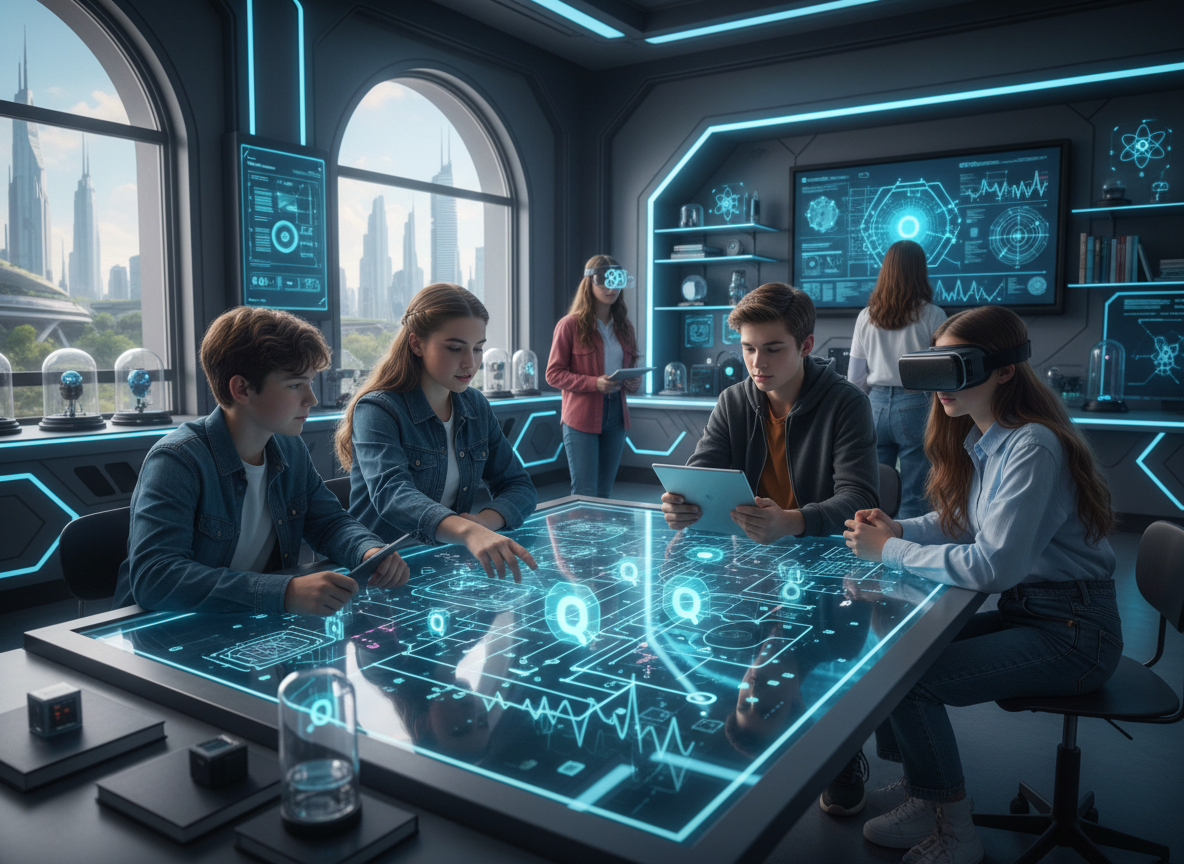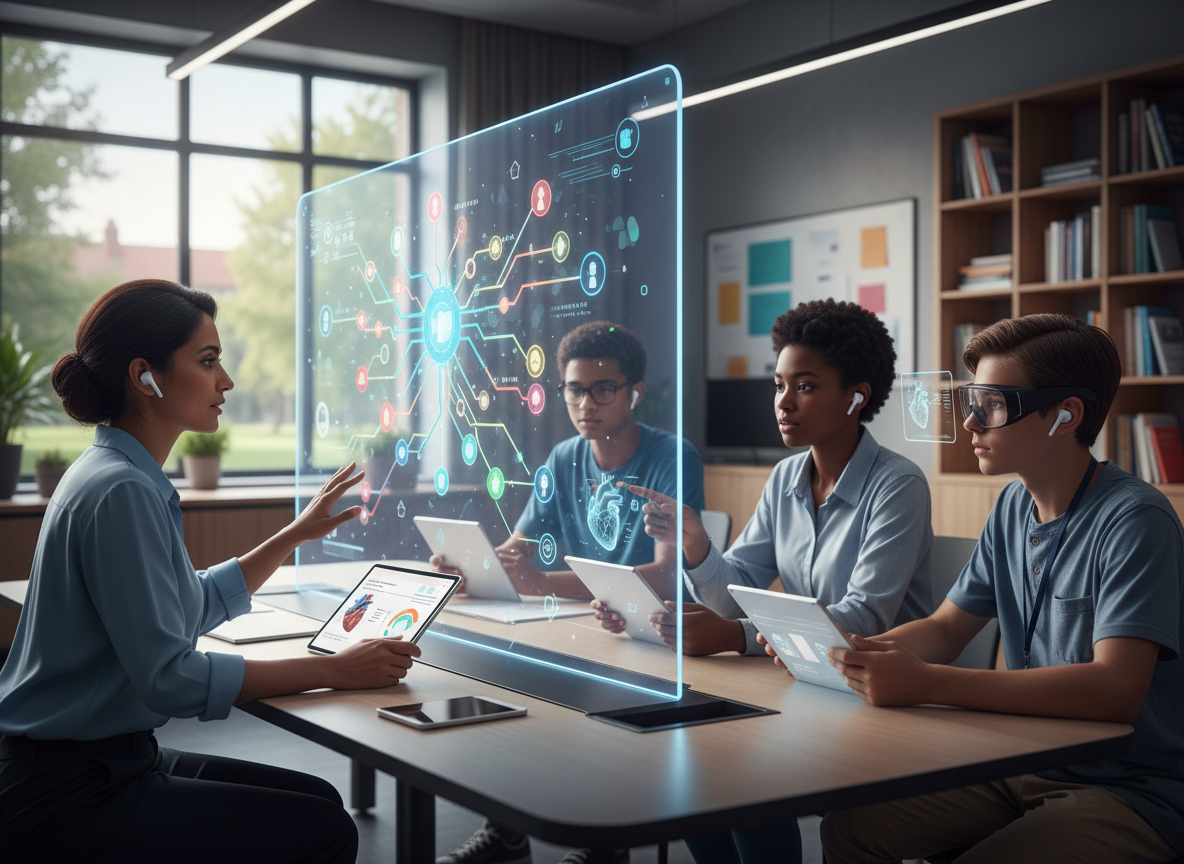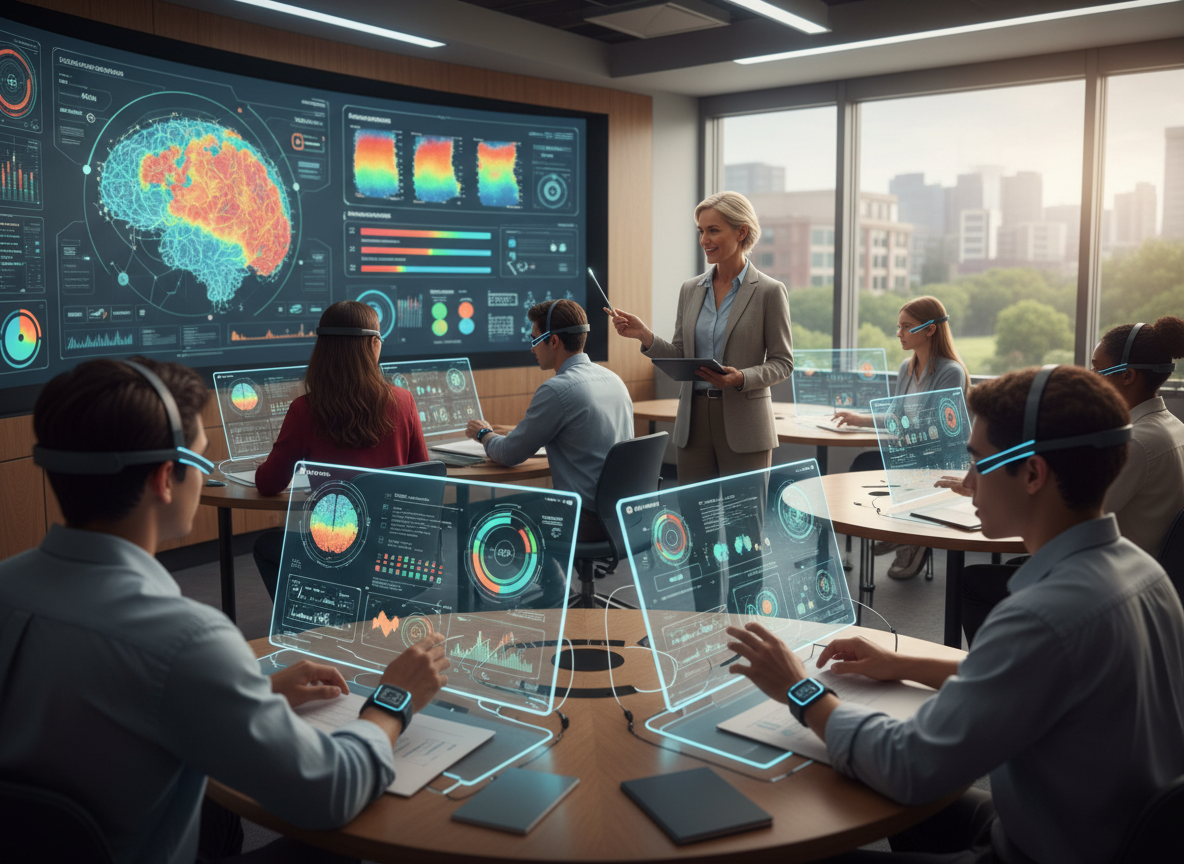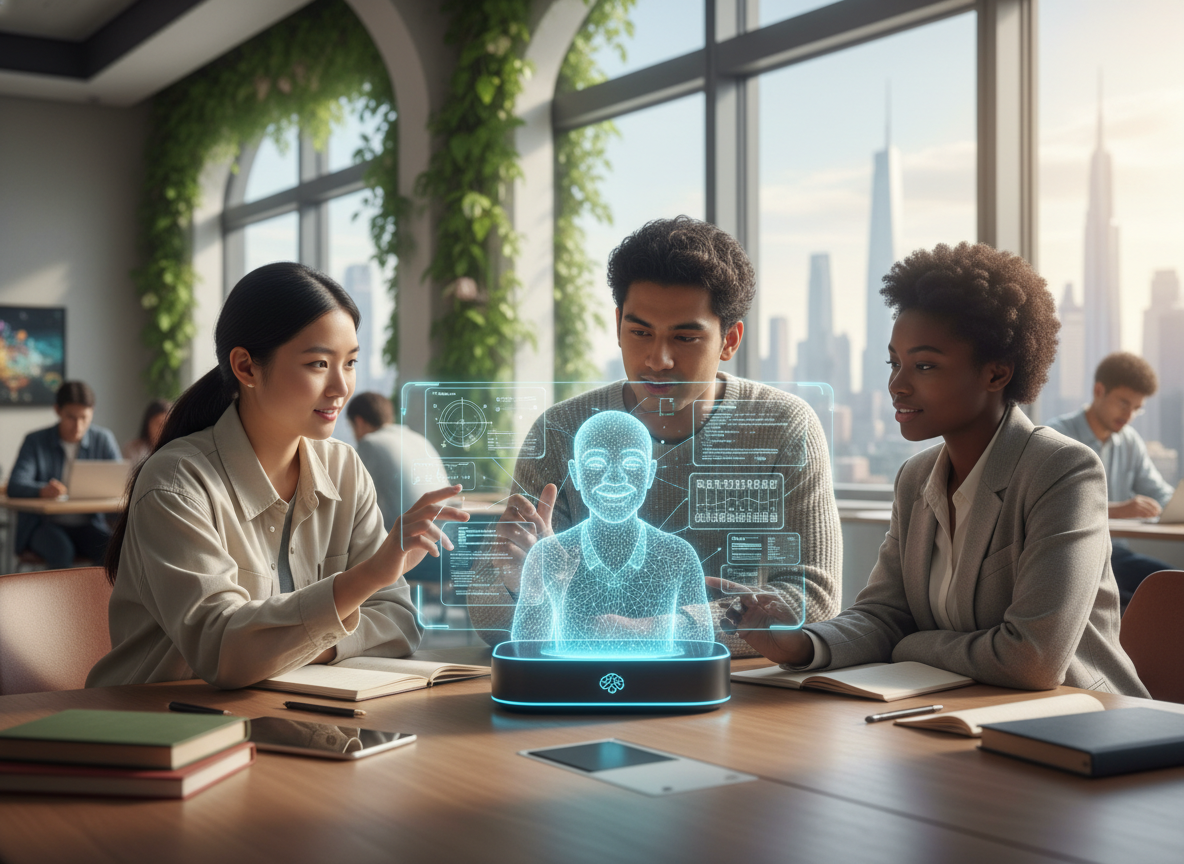
As we navigate the opening weeks of the second quarter of 2026, the landscape of education and online tutorials has undergone a seismic shift, moving away from the rigid structures of the past decade. The primary catalyst for this transformation is the widespread adoption of Hyper-Personalized Learning Pathways (HPLP), which utilize real-time biometric and cognitive data to tailor educational content to the individual. Today, April 11, 2026, marks a pivotal moment as major tech conglomerates and educational institutions have fully integrated the latest multimodal reasoning models, allowing for an unprecedented level of interaction between the student and the digital tutor. These systems no longer just provide answers; they understand the 'why' behind a student's struggle, adapting their teaching style in milliseconds to match the learner's current emotional and cognitive state.
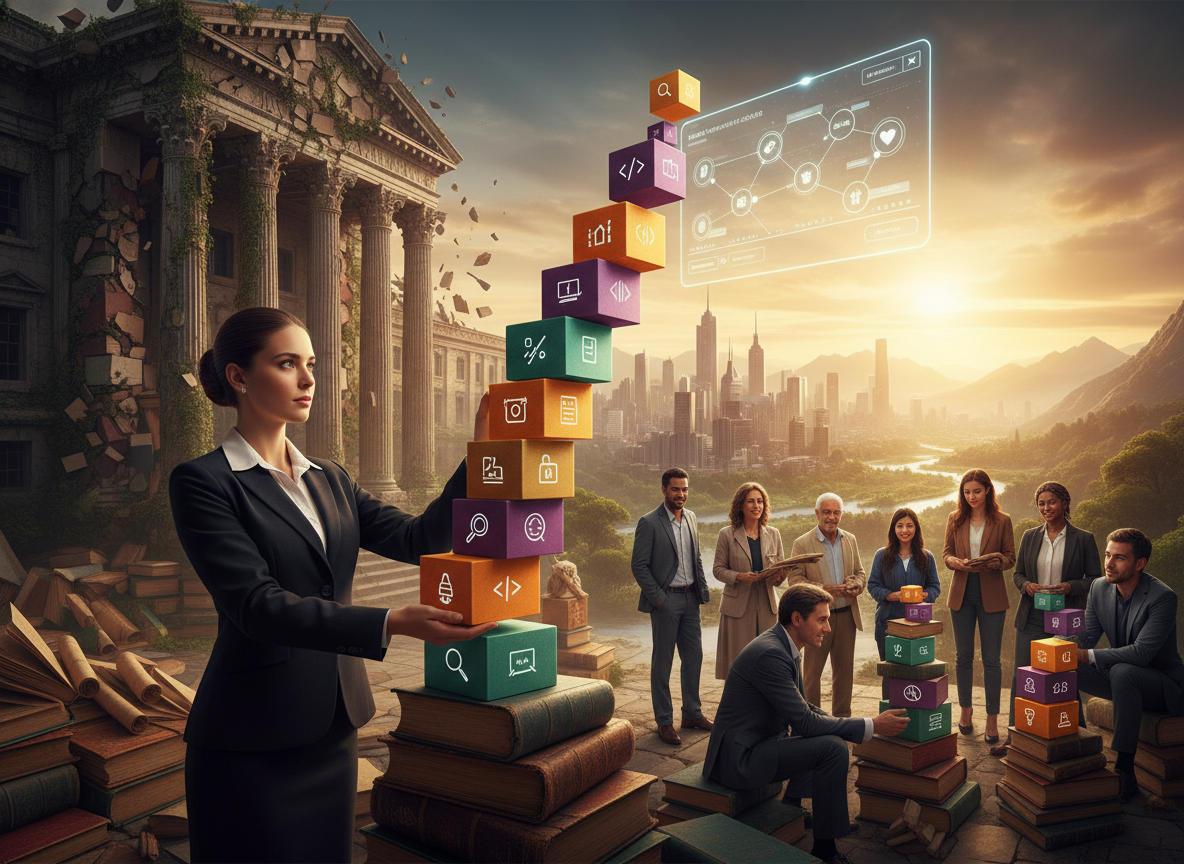
The most significant headline this week is the official global rollout of EduNexus 3.0, a decentralized open-source platform that has effectively democratized high-level technical tutorials. Unlike previous iterations, EduNexus 3.0 leverages blockchain technology to verify skills in real-time, bypassing traditional accreditation methods that many 2026 employers now find obsolete. This platform allows experts from around the world to contribute to a living curriculum that updates itself based on industry demands and technological breakthroughs. For students, this means that a tutorial on quantum computing or bio-engineering reflects the state of the art as of this morning, rather than a textbook printed years ago. The integration of zero-knowledge proofs ensures that while a student's progress is verified, their personal data remains entirely under their own control.
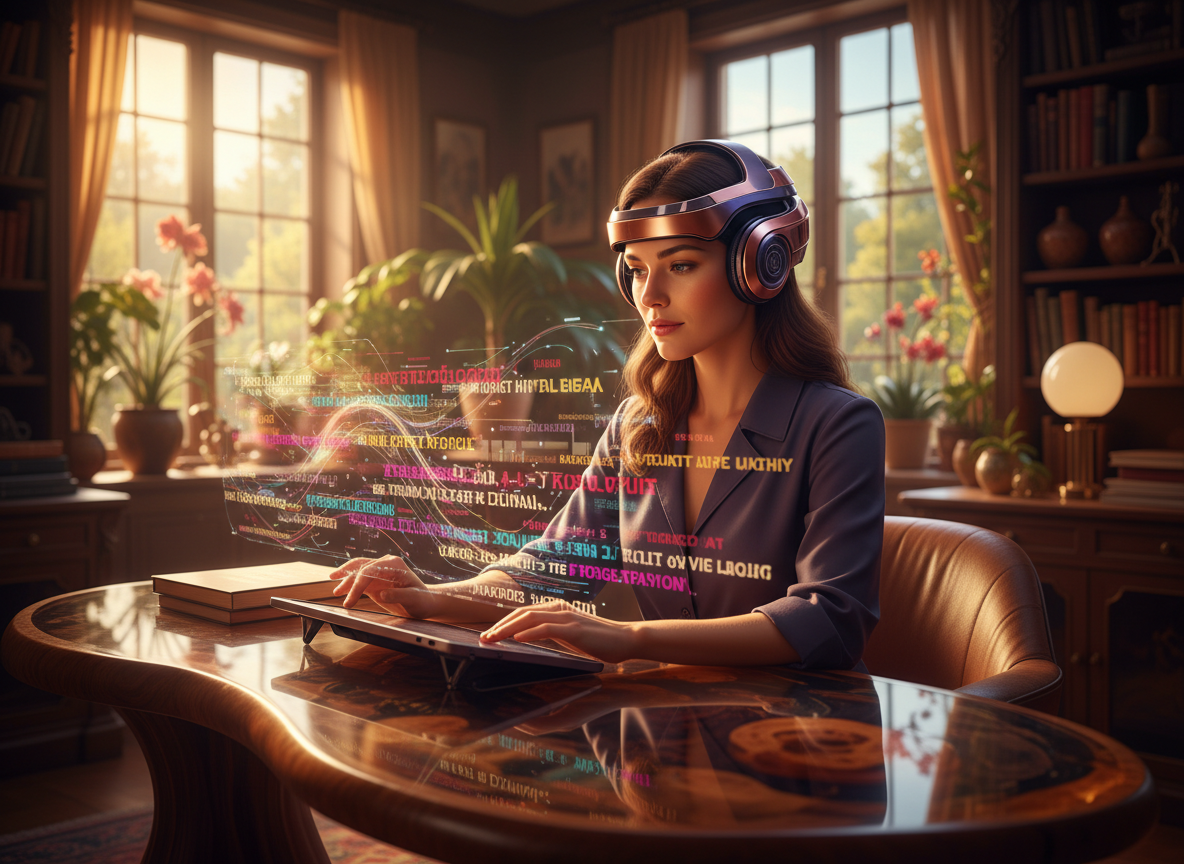
In the realm of language acquisition and soft skills, the introduction of 'Neuro-Sync' interfaces has dominated discussions among educators this April. These non-invasive brain-computer interfaces (BCIs) allow for a deeper level of immersion, significantly reducing the time required to achieve fluency in complex subjects. By monitoring neural firing patterns during a tutorial, the AI can identify exactly when a concept 'clicks' or when cognitive overload is occurring. This allows the system to pause, provide a relatable metaphor, or pivot to a different instructional modality altogether. Early data released yesterday suggests that students using these interfaces are retaining information at a rate 400 percent higher than those using traditional digital interfaces, signaling a new frontier in human-computer synergy.
Furthermore, the role of the human educator is being completely redefined in this high-tech environment. Rather than acting as the primary source of information, teachers and professors are evolving into 'Learning Architects' and 'Success Mentors.' Their focus has shifted toward guiding students through the ethical implications of their studies and fostering high-level critical thinking that AI still struggles to replicate. On April 11, 2026, several leading universities announced that they are transitioning their entire undergraduate catalogs to this mentorship-first model, acknowledging that the delivery of core facts is now handled more efficiently by specialized AI tutors. This shift is expected to solve the long-standing crisis of educator burnout while providing students with more meaningful human connection.
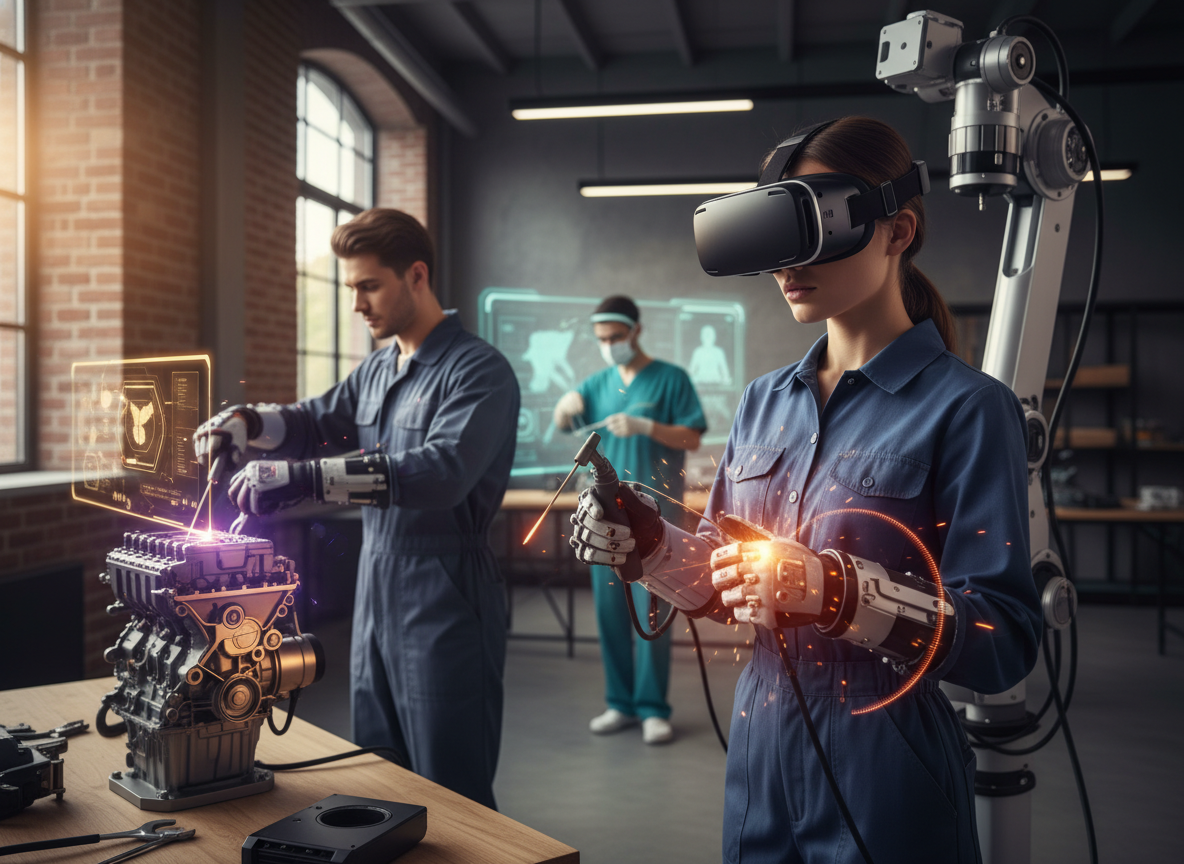
The rise of Virtual Reality (VR) and Augmented Reality (AR) in tutorials has also hit a new peak this month with the release of the 'Holos-Instruction' suite. This technology allows for physical skills, such as surgery, advanced mechanical repair, or even high-end culinary techniques, to be taught via 'ghosting' overlays. A student wearing the latest 2026 lightweight AR glasses can see a master's hands overlaid on their own, guiding their movements with precision haptic feedback. This level of guided practice reduces the risk of error in dangerous fields and allows for the mastery of physical crafts in a fraction of the time previously required. The tutorial market for these AR experiences has exploded, creating a new economy for master craftspeople to monetize their muscle memory and expertise.
From an SEO and search perspective, the terminology of education is shifting toward 'Dynamic Skill-Sets' and 'Adaptive Mastery.' Search engines in April 2026 are now prioritizing educational content that offers interactive assessments over static articles or videos. To stay competitive, content creators in the education-and-tutorials niche must ensure their tutorials are 'AI-Readable' and compatible with the latest HPLP standards. This means using structured data that allows personal AI tutors to pull specific modules into a student's custom curriculum. The focus has moved from high-volume traffic to high-impact outcomes, where the success of a tutorial is measured by the verifiable skill acquisition of its users rather than simple view counts.
Ethical considerations have also taken center stage this week with the ratification of the ISO 2026-ED standard. This international framework establishes strict guidelines for AI integrity in education, ensuring that the algorithms powering tutorials are free from socioeconomic biases and that they do not manipulate learners for commercial interests. As educational platforms become more persuasive and personalized, the risk of 'algorithmic radicalization' or narrow-mindedness has become a top priority for regulators. The new standards require all AI tutors to provide diverse perspectives on subjective topics, ensuring that the next generation of learners is exposed to a wide array of thought rather than an echo chamber of personalized comfort.
In conclusion, the state of education and tutorials as of April 11, 2026, is one of rapid, exciting, and highly complex evolution. The convergence of decentralized platforms like EduNexus 3.0, multimodal AI tutors, and sophisticated AR/VR interfaces has created a learning environment that is more efficient, accessible, and personalized than ever before. While the technology is impressive, the true victory lies in the newfound ability for individuals to take total control of their intellectual growth. As we move further into 2026, the barrier between 'knowing' and 'doing' will continue to thin, paving the way for a global society where continuous learning is not just a requirement, but a seamless and deeply rewarding part of daily life.