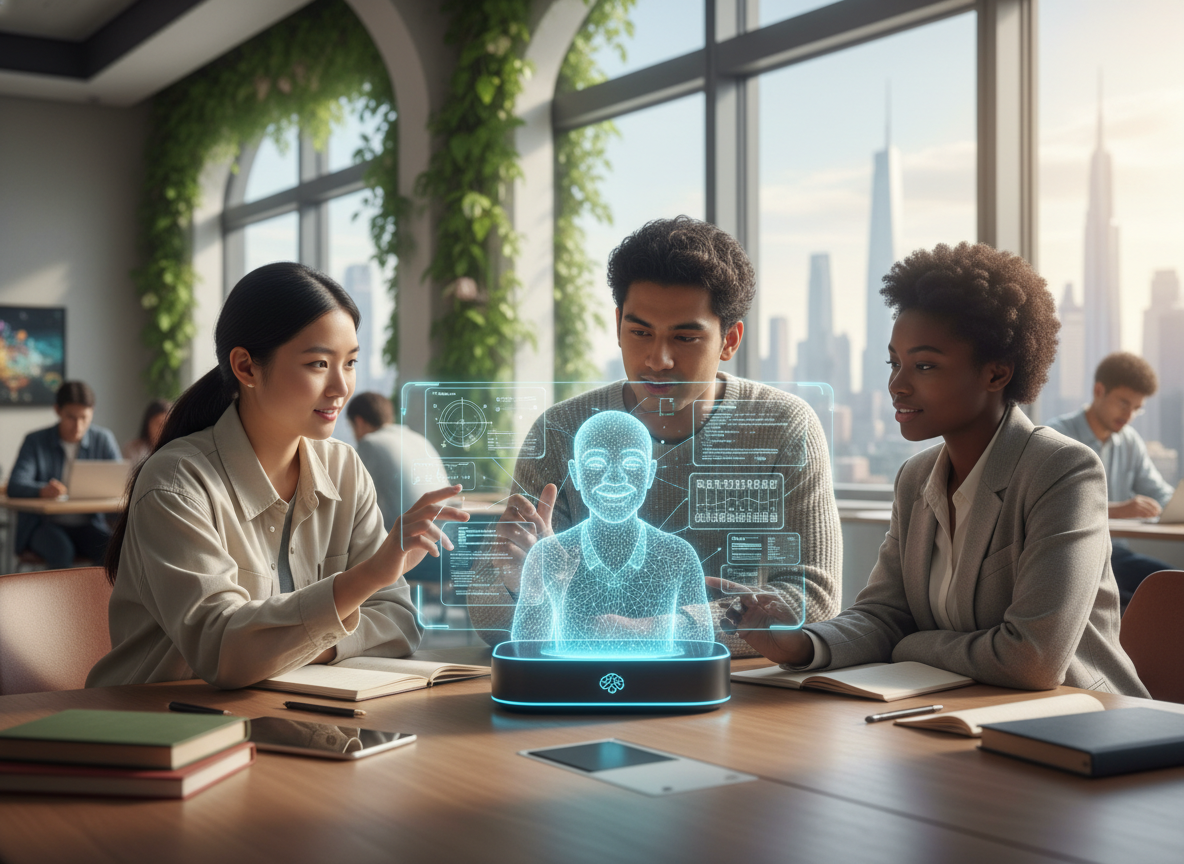
The field of language acquisition has reached an extraordinary milestone this month with the publication of the 'Neural-Sync' study results. For the first time, researchers have demonstrated that non-invasive Brain-Computer Interfaces (BCIs) can accelerate the retention of foreign vocabulary by up to 400%. By using targeted neuro-stimulation during tutorial sessions, the BCI helps the brain enter a 'hyper-plastic' state, traditionally only seen in early childhood, allowing adults to absorb new linguistic structures with unprecedented speed.
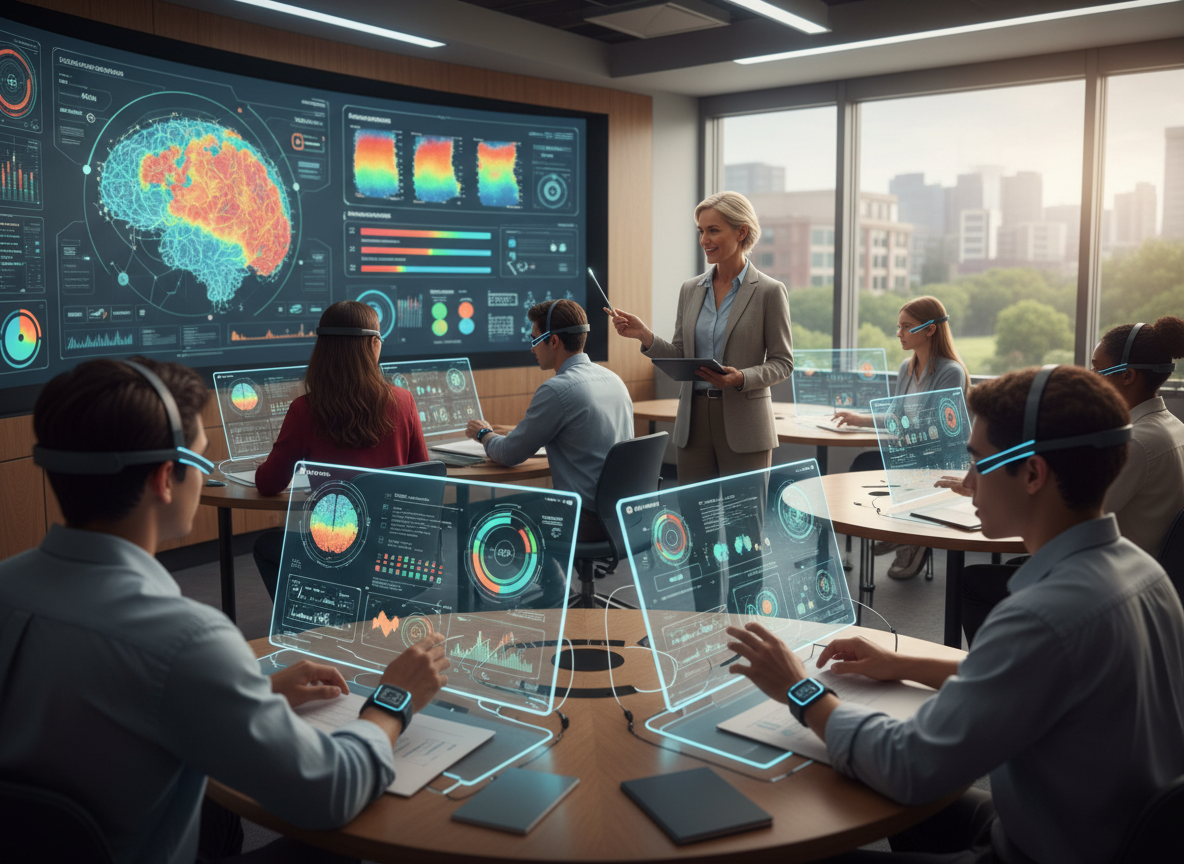
The core of this technology, known as 'Neuro-Guided Tutorials,' works by monitoring the learner's brain waves to detect moments of optimal engagement. When the system senses that the brain's focus is peaking, it delivers key information—such as complex verb conjugations or tonal nuances in Mandarin. Conversely, if the system detects cognitive fatigue, it automatically pivots to lighter, gamified review or pauses the lesson entirely, preventing the 'burnout' that often stops language learners in their tracks.
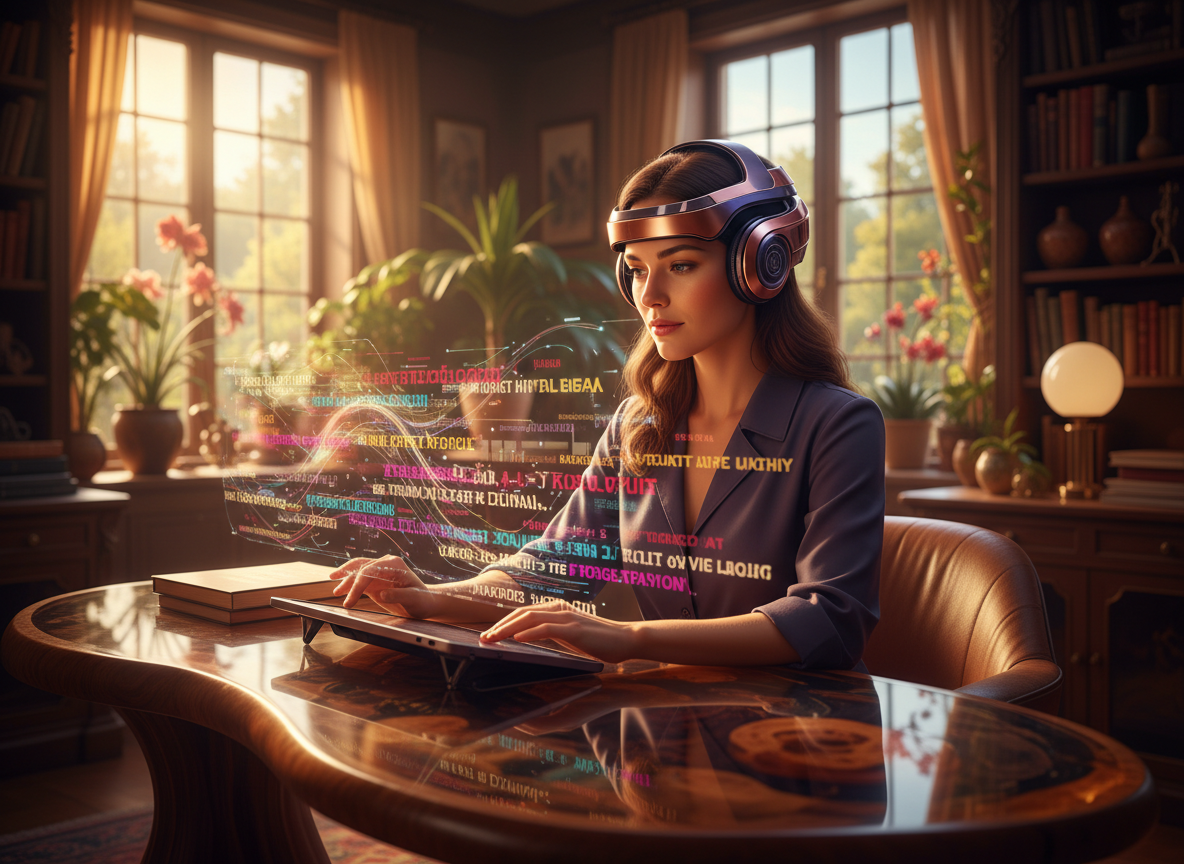
As of April 1, 2026, several high-end language centers in Tokyo and Zurich have begun offering 'Neural-Immersion' courses. These programs combine traditional conversation practice with BCI-headsets that provide subtle haptic or auditory 'nudges' when a user is about to make a grammatical error. This real-time, pre-conscious feedback loop allows the brain to correct itself before the mistake is even spoken, effectively 'hardwiring' correct linguistic patterns into the user's neural pathways.
Ethical discussions surrounding BCI-assisted learning have intensified following the technology's rapid adoption. Critics argue that 'downloading' knowledge, even partially, could create a divide between those who can afford neuro-enhancement and those who cannot. In response, the International Neuro-Ethics Committee (INEC) has proposed a 'Cognitive Rights' framework this week, ensuring that these tools are used to supplement, not replace, active learning, and calling for subsidies to make the tech available in public education.
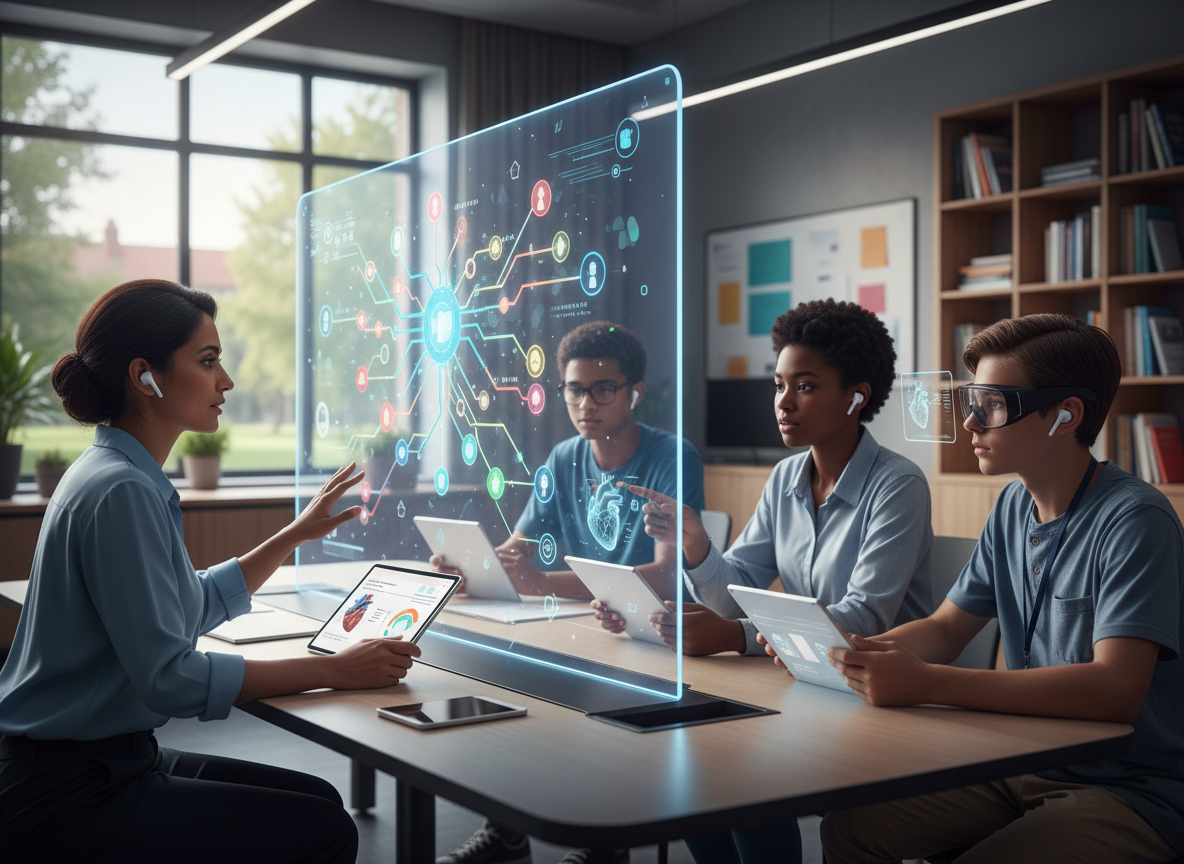
Technologically, the headsets have become much more user-friendly. In 2024, they required messy gels and specialized rooms; the 2026 models are as sleek as standard noise-canceling headphones. They use 'Dry-Sensor Quantum SQUIDs' to read neural activity through the skull with extreme precision. This portability means that tutorials can happen anywhere—on a commute, at a park, or in a classroom—making high-speed learning a seamless part of daily life.
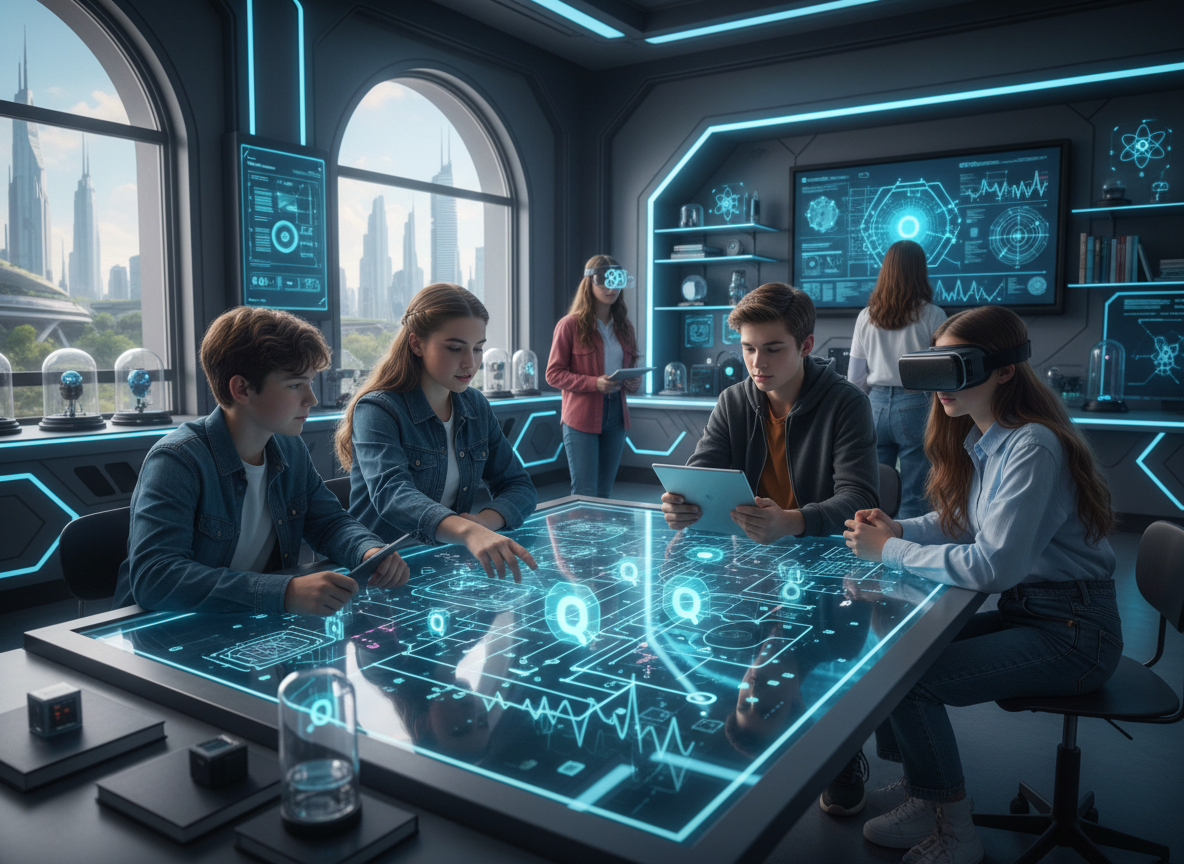
The impact on the 'Tutorial Economy' is massive. Creators are no longer just making videos; they are designing 'Neural Experiences.' A Spanish tutorial in 2026 is an immersive data package that includes visual, auditory, and neuro-stimulative triggers. This holistic approach ensures that the learner isn't just memorizing words but is experiencing the language in a way that mimics real-world immersion, leading to much higher levels of fluency and cultural nuance.
Scientific validation for these methods came from a massive longitudinal study concluded in late March 2026. The study followed 5,000 students using BCI-assisted tutorials versus 5,000 using traditional digital apps. The BCI group not only learned faster but also retained the information six months later at a rate 60% higher than the control group. This confirms that the technology isn't just about speed; it's about the depth and permanence of the learning process.
While we are still far from the sci-fi dream of 'instantly' knowing Kung Fu, the breakthroughs of April 2026 represent a giant leap toward that reality. Language learning was once a years-long struggle; now, with the help of neural-sync technology, it is becoming a matter of months. As we refine these interfaces, the barriers of communication are falling, promising a future where the world is more connected than ever before through the power of shared language.