


Quick Summary
- The AI data center boom is increasing demand for electricians, HVAC specialists, pipefitters, welders, fiber technicians and experienced construction managers.
- Skillit data reported by Fortune showed average annual pay of $81,800 on data center projects, versus $62,000 on other construction projects—a premium of just under 32% in that dataset.
- Meta committed an initial $115 million to America’s Workforce Academy, while Google expanded skilled-trades support to $50 million with a goal of helping prepare more than 300,000 workers.
- The opportunity is significant, but pay varies widely and the large construction workforce usually shrinks after a data center becomes operational.
AI Data Center Construction Jobs Are Becoming a Major Skilled-Trades Opportunity
Artificial intelligence may be built with software and chips, but the systems behind it depend on physical infrastructure. Large AI data centers need land, grid connections, substations, backup power, cooling equipment, fire protection, fiber networks and thousands of hours of skilled construction work before the first server can operate.
That buildout is creating unusually strong demand for AI data center construction jobs. Electricians, electrical supervisors, HVAC and refrigeration technicians, plumbers, pipefitters, welders, fiber installers, safety specialists, commissioning professionals and project managers are among the workers needed to deliver facilities that operate continuously.
The pay opportunity is real, but the headline numbers require context. Fortune reported Skillit hiring-platform data showing average annual pay of about $81,800 for workers on data center projects, compared with $62,000 on non-data-center projects. That is a premium of just under 32% within Skillit’s dataset—not a guaranteed national salary for every trade or worker.
Why the AI Boom Requires So Many Construction Workers
AI facilities place extreme demands on power, cooling and networking. Dense clusters of accelerators and servers generate large amounts of heat and cannot tolerate prolonged interruptions. A hyperscale project may therefore require redundant electrical feeds, transformers, switchgear, generators, battery systems, cooling plants, pumps, piping, ventilation, security systems and high-capacity fiber connectivity.
These projects are also described as mission-critical construction. Electrical and mechanical systems must be installed, tested and commissioned in a carefully controlled sequence. Errors can delay a project or threaten the reliability of costly computing equipment, which increases demand for experienced supervisors and certified specialists.
The data center boom is competing with an already constrained construction labor market. Associated Builders and Contractors estimated that the U.S. construction industry needed to attract 349,000 net new workers in 2026 to meet demand for construction services.
Verified Numbers
- $81,800: average annual pay on data center projects in Skillit data reported by Fortune.
- $62,000: average annual pay on other construction projects in the same dataset.
- $115 million: Meta’s initial first-year investment in America’s Workforce Academy.
- $50 million: Google.org’s total skilled-trades commitment announced in June 2026.
- 349,000 workers: ABC’s estimate of the additional construction workers needed in 2026.
What Google and Meta Have Actually Announced
Meta’s America’s Workforce Academy
On June 8, 2026, Meta announced America’s Workforce Academy, a cost-free skilled-trades program backed by an initial $115 million first-year investment. Meta says participants will receive support while training and that graduates will be guaranteed a job through the program.
The company says graduates can earn a National Center for Construction Education and Research credential and an America’s Workforce Certificate. The 2026 pilots are planned for Louisiana, Ohio, Indiana and Texas, with Meta working alongside organizations including Associated Builders and Contractors, CBRE, the National Urban League and regional partners.
Google’s $50 Million Skilled-Trades Commitment
On June 11, 2026, Google announced that its total skilled-trades support would expand to $50 million through Google.org. The company says the funding will support 14 labor unions and four trade or contractor associations across more than 20 states, with a goal of helping prepare more than 300,000 American workers.
The supported pathways include construction pre-apprenticeships, electrical training, plumbing, pipefitting, welding, HVAC and refrigeration, service technician programs and sheet-metal training. Google is funding established training organizations rather than operating one centralized academy.
Neither announcement means Google or Meta has become a general contractor. Both companies still depend on developers, engineering firms, contractors, unions and specialist suppliers. Their direct investment in training shows that workforce availability has become strategically important to the expansion of AI computing capacity.
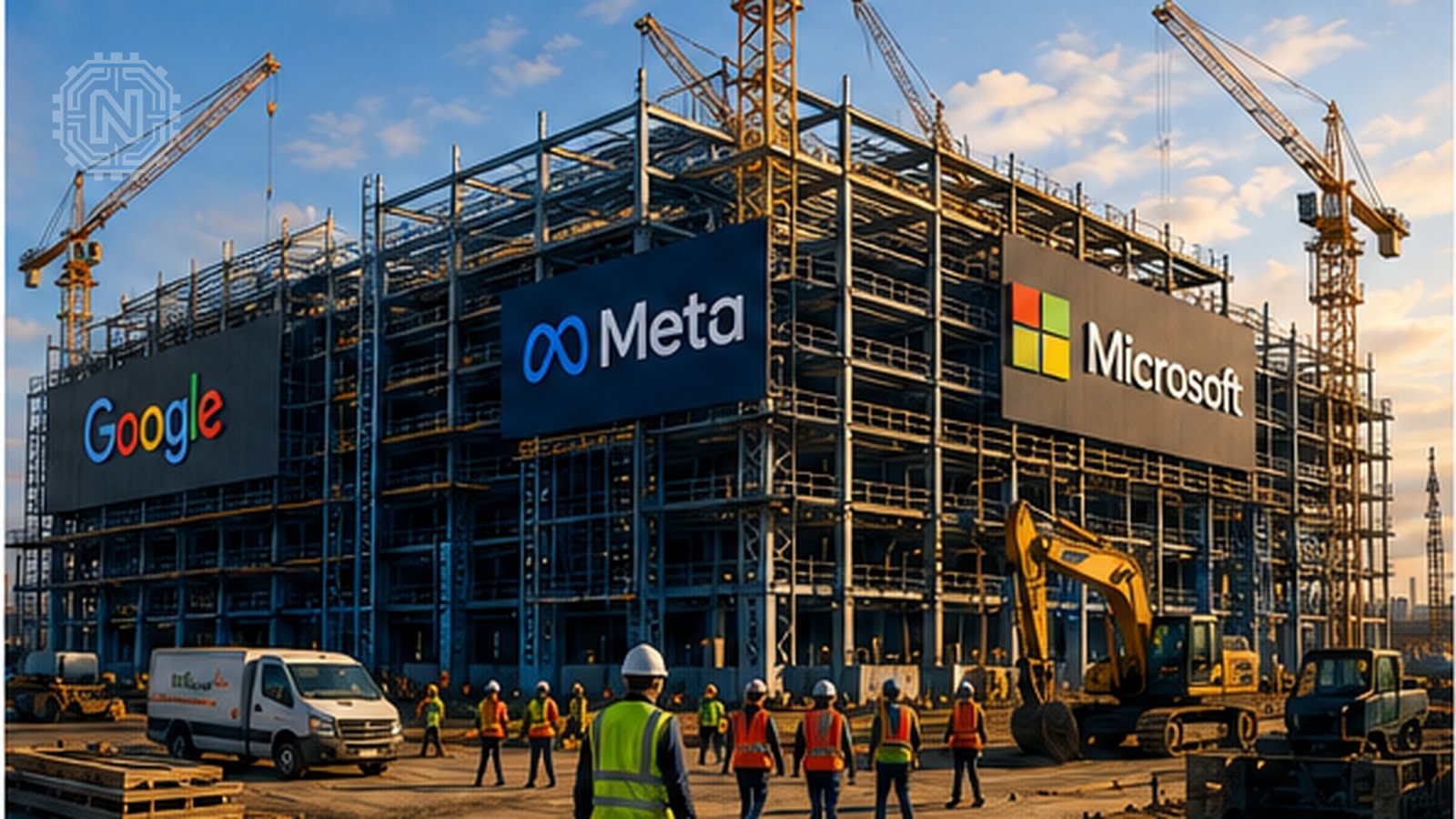
Which Data Center Construction Jobs Are in Demand?
The strongest demand is concentrated in roles connected to power, cooling, networking, safety and commissioning. Earnings depend on the trade, licensing requirements, market, union agreement, shift, overtime, travel and level of responsibility.
| Role | Why the role matters | Pay context |
|---|---|---|
| Electricians and electrical supervisors | Install and oversee substations, switchgear, backup power, distribution, controls and grounding systems. | High demand and mission-critical experience can produce strong premiums; overtime and supervision can lift total earnings. |
| HVAC, refrigeration and mechanical technicians | Build and maintain systems that remove heat from high-density computing equipment. | Industrial cooling and mission-critical experience are especially valuable. |
| Plumbers, pipefitters and welders | Install chilled-water loops, cooling pipes, fuel systems and fire-protection infrastructure. | Shift work, travel, per diem and compressed schedules can affect total compensation. |
| Fiber and low-voltage technicians | Connect internal networks, security systems and external high-capacity communications links. | Pay varies by certification, region and project complexity. |
| Safety and quality specialists | Manage site safety, inspections, documentation and compliance across large multi-contractor projects. | Experienced specialists can command a premium on complex sites. |
| Commissioning professionals | Test power, cooling and control systems before the facility enters service. | Specialized experience can be highly valuable because failures can delay project handover. |
| Project managers and superintendents | Coordinate large crews, contractors, schedules, deliveries and technical dependencies. | Senior leaders may earn six figures, but exceptional reports above $200,000 should not be treated as typical pay. |
Important: The $81,800 figure is an average from one private hiring-platform dataset covering many trades. It may include workers with substantial experience and does not establish a national wage standard. The Wall Street Journal documented several six-figure cases, but those examples involved factors such as senior responsibility, incentives, overtime, travel or high-demand locations.
How Workers Can Enter the Field
Why It Matters
The physical layer of the AI economy creates career paths that do not require a computer-science degree. Registered apprenticeships, trade schools, industry credentials and supervised field experience can provide routes into work that remains hands-on, safety-sensitive and difficult to automate.
Meta’s academy is one new pathway, but it is initially limited to specific pilot states and participating projects. Applicants should use Meta’s official program page to confirm current availability, eligibility and application details rather than relying on third-party job posts.
Google’s model works through unions, training funds and industry associations. Prospective workers may need to identify the relevant apprenticeship, pre-apprenticeship or training organization serving their state and trade.
Fast-track programs can help recruit and prepare entry-level workers, but complex electrical, mechanical and commissioning roles still require supervised experience. A credible career path should include recognized credentials, practical training, jobsite safety preparation and a clear progression toward journey-level or specialist work.
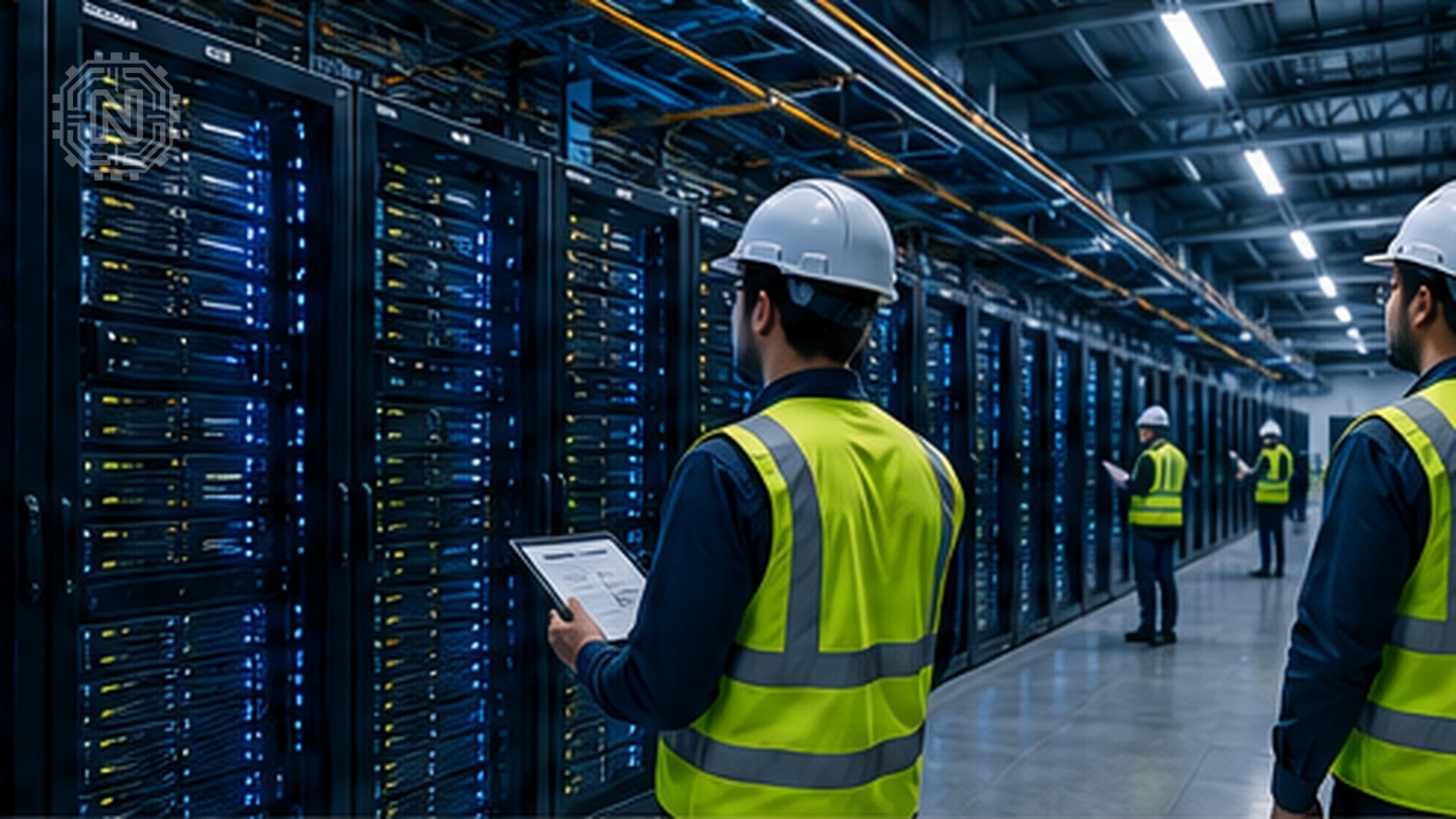
Do Data Centers Create Lasting Local Jobs?
The construction phase can create substantial short-term demand, while the permanent operating workforce is usually much smaller. That distinction is important when communities evaluate job promises attached to a proposed facility.
A May 2026 Brookings analysis examined approximately 770 U.S. facilities and counties that received their first large data center between 2008 and 2024. It found that total private employment rose by about 4% to 5% over five to six years, construction employment increased 11%, information-sector employment grew 22%, and wages rose about 3% to 4% for existing workers and new hires.
Brookings also found that the largest technology-sector benefits were associated with clusters and hyperscale facilities. Counties with a single facility showed more modest effects, while counties with four or more facilities experienced stronger information-sector growth. In other words, one construction project does not automatically create a broad technology ecosystem.
Separate U.S. Census Bureau analysis found that data center employment increased from 306,000 in 2016 to 501,000 in 2023, a rise of more than 60%. The growth was uneven and concentrated in specific states and counties.
For additional context on the hardware and infrastructure race, read Newtechzy’s coverage of the NVIDIA, Samsung and SK AI push, or browse the latest Tech News.
What Could Slow the Data Center Jobs Boom?
The current demand is strong, but construction is cyclical. Projects can be delayed or reduced because of electricity shortages, grid interconnection queues, permitting disputes, financing conditions, water constraints, community opposition, supply-chain problems or changes in computing efficiency.
- Temporary project cycles: Large crews may be needed for construction, but work can move to another region after completion.
- Pay variability: A high annual total may depend on overtime, night shifts, incentives, per diem or extensive travel.
- Experience requirements: Entry-level training does not immediately qualify someone to supervise mission-critical electrical or mechanical systems.
- Regional concentration: The best opportunities may cluster around areas with available power, land, fiber and approved projects.
- Operational staffing: Completed facilities generally employ fewer permanent workers than the number required during construction.
For that reason, workers should treat high salary examples as possible outcomes, not promises. The more defensible conclusion is that data center construction currently offers a measurable pay premium in certain trades and markets.
What to Check Before Accepting a Data Center Job
- Base rate: Confirm the hourly wage or salary before overtime, bonuses and allowances.
- Overtime expectations: Ask how many weekly hours are typical and whether overtime is guaranteed.
- Travel and per diem: Verify lodging, mileage, flights, meal allowances and home-visit schedules.
- Project duration: Understand the expected completion date and whether another project is available afterward.
- Licensing and credentials: Confirm required state licenses, union status, certifications and site-specific training.
- Employer identity: Check whether the listing is from the owner, general contractor, subcontractor, staffing firm or training partner.
- Safety and benefits: Review health coverage, retirement plans, paid time off, workers’ compensation and safety record.
Conclusion
AI is creating demand far beyond software engineering. The race to build computing capacity is increasing the value of electricians, cooling specialists, pipefitters, welders, fiber technicians, commissioning experts and experienced project leaders.
Google and Meta are now funding skilled-trades pipelines because worker shortages can delay the data centers their AI strategies depend on. For qualified workers, these projects can provide higher pay, steady demand and new advancement opportunities. However, the best-known salary figures are not universal, construction work is project-based, and permanent staffing falls sharply after a facility opens.
The most accurate takeaway is that AI data center construction has become one of the strongest current growth areas for skilled trades, with evidence of a meaningful project-level pay premium—not that every data center worker will automatically earn one of America’s highest salaries.
Frequently Asked Questions
Why are AI data center construction jobs paying more?
Demand is rising for scarce electrical, cooling, fiber, safety, commissioning and project-management skills. Compressed schedules, overtime, travel and competition for experienced workers can increase total pay.
How much more do data center construction workers earn?
Skillit data reported by Fortune showed average annual pay of $81,800 on data center projects versus $62,000 on other construction projects, a premium of just under 32% in that dataset. Actual earnings vary widely.
Which skilled trades are most in demand?
Electricians, HVAC and refrigeration technicians, plumbers, pipefitters, welders, fiber technicians, safety specialists, commissioning professionals, superintendents and project managers are among the important roles.
What did Meta announce for skilled-trades training?
Meta announced America’s Workforce Academy with an initial $115 million first-year investment, cost-free training, recognized credentials and a stated job guarantee for graduates. The 2026 pilots are in Louisiana, Ohio, Indiana and Texas.
What did Google announce?
Google.org expanded its total skilled-trades commitment to $50 million, supporting unions and trade organizations with a goal of helping prepare more than 300,000 workers across more than 20 states.
Are data center construction jobs permanent?
Construction roles are tied to project schedules. A completed data center still needs operations and maintenance workers, but that permanent team is generally much smaller than the construction workforce.
Editorial Sources
- Meta: America’s Workforce Academy — $115 million first-year investment, program structure, credentials, partners and pilot states.
- Google: Growing the next generation of American workers — $50 million commitment, supported trades, partner organizations and 300,000-worker goal.
- Associated Builders and Contractors: 2026 workforce shortage estimate — estimate that construction needs 349,000 net new workers in 2026.
- Fortune: Data center construction pay premium — Skillit averages of $81,800 and $62,000 and the reported 32% difference.
- The Wall Street Journal: Data center construction worker experiences — examples of pay increases, incentives and six-figure earnings.
- Brookings: New evidence on data center employment effects — county-level findings on construction, information-sector employment and wages.
- U.S. Census Bureau: Data center employment growth — employment growth from 2016 to 2023 and geographic concentration.


