


Quick Summary
- AI chatbots are streamlining customer service operations.
- They provide 24/7 support, enhancing user satisfaction.
- Businesses are seeing cost reductions and efficiency gains.
- Integration with existing systems is becoming easier.
- Future developments will focus on personalization and empathy.
AI chatbots are reshaping customer service in 2026, providing businesses with innovative ways to enhance customer interactions. These AI chatbots not only streamline responses but also offer personalized experiences, significantly improving satisfaction rates. Explore more Tech News coverage on Newtechzy.
As companies increasingly adopt these technologies, understanding their impact and functionality becomes crucial for staying competitive in a fast-paced market.
AI Chatbots: A New Era in Customer Service
AI chatbots are software applications designed to simulate conversations with human users. They utilize natural language processing and machine learning to understand and respond to customer inquiries efficiently. In 2026, these tools have become indispensable, offering 24/7 support and handling multiple queries simultaneously. According to a report by Gartner, over 70% of customer interactions are expected to be managed by AI chatbots by 2025.
This shift is primarily driven by the need for businesses to provide immediate and effective customer service, which traditional methods often struggle to achieve. The integration of AI into customer service platforms has allowed companies to reduce response times and improve overall efficiency.
How AI Chatbots Enhance User Experience
One of the key benefits of AI chatbots is their ability to provide instant responses to customer queries. This immediacy significantly enhances user experience, as customers no longer need to wait for email replies or navigate through complex phone menus. In fact, studies show that customers prefer chatbots for their speed and ease of use.
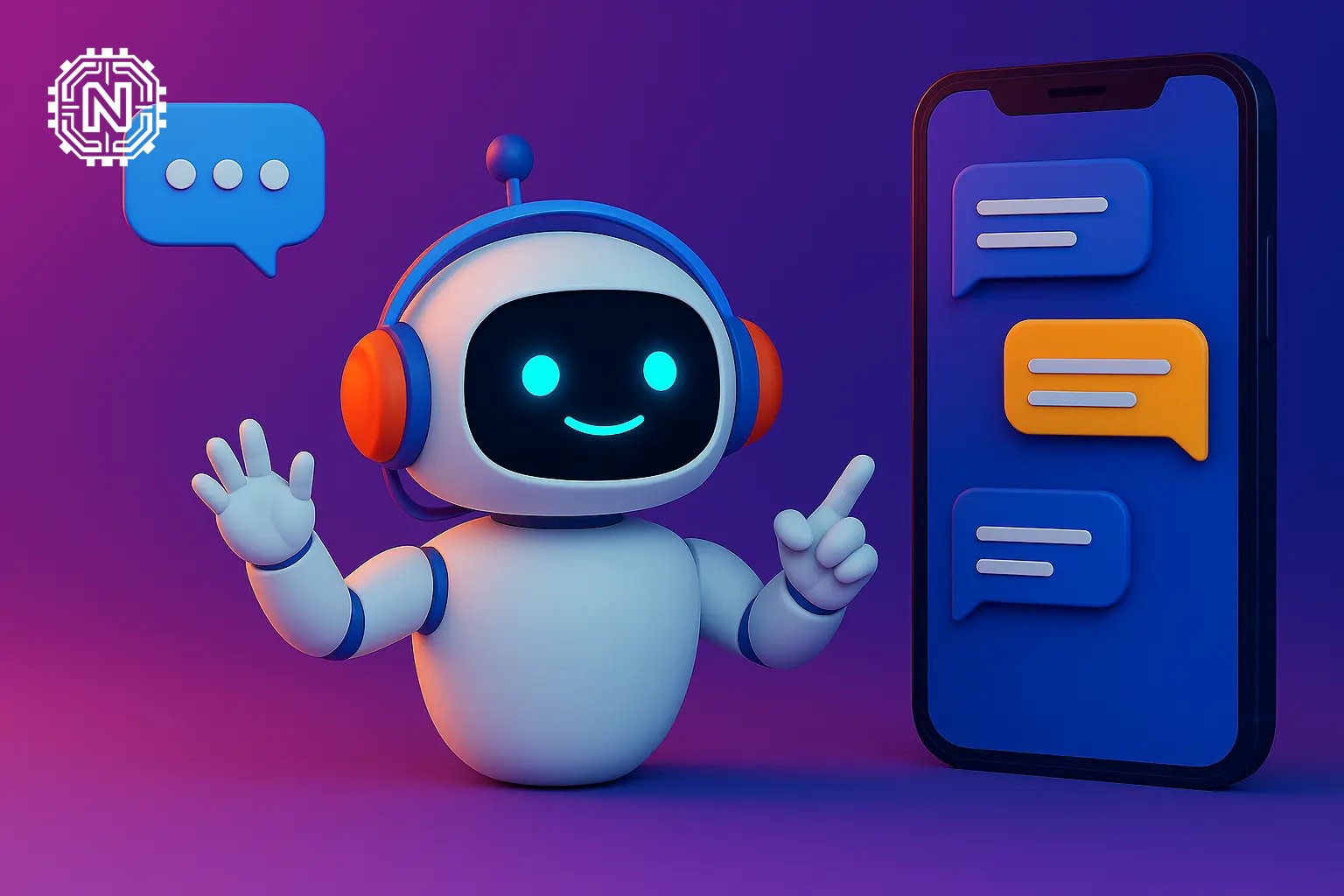
What are the main features of AI chatbots?
AI chatbots come equipped with features such as natural language understanding, personalization, and predictive analytics. These capabilities allow them to tailor responses based on user history and preferences, making interactions feel more human-like. For example, a customer returning to a website might receive personalized product recommendations based on previous purchases.
Cost Reduction and Efficiency Gains
Implementing AI chatbots can lead to significant cost reductions for businesses. By automating routine inquiries, companies can allocate human resources to more complex tasks, enhancing productivity. Research indicates that organizations using chatbots can save up to 30% on customer service costs.
How do businesses benefit from chatbot integration?
Businesses benefit from chatbot integration by achieving higher operational efficiency. Tasks that once required multiple staff members can now be handled by a single chatbot, drastically reducing overhead costs. Furthermore, chatbots can operate around the clock, providing continuous support without the need for breaks or downtime.
Integration Challenges and Solutions
While AI chatbots offer numerous advantages, integrating them into existing systems can pose challenges. Businesses must ensure that chatbots can access relevant data and interact seamlessly with other software applications. This often requires significant investment in IT infrastructure.
What are common integration issues?
Common integration issues include data silos, incompatible software, and lack of training for employees. However, many companies are now opting for cloud-based solutions that simplify the integration process. These platforms often come with pre-built connectors that facilitate smoother transitions.
Future Outlook: Personalization and Emotional Intelligence
The future of AI chatbots lies in their ability to become more personalized and emotionally intelligent. Developers are currently working on enhancing chatbots to recognize and respond to human emotions, allowing for a more empathetic interaction.
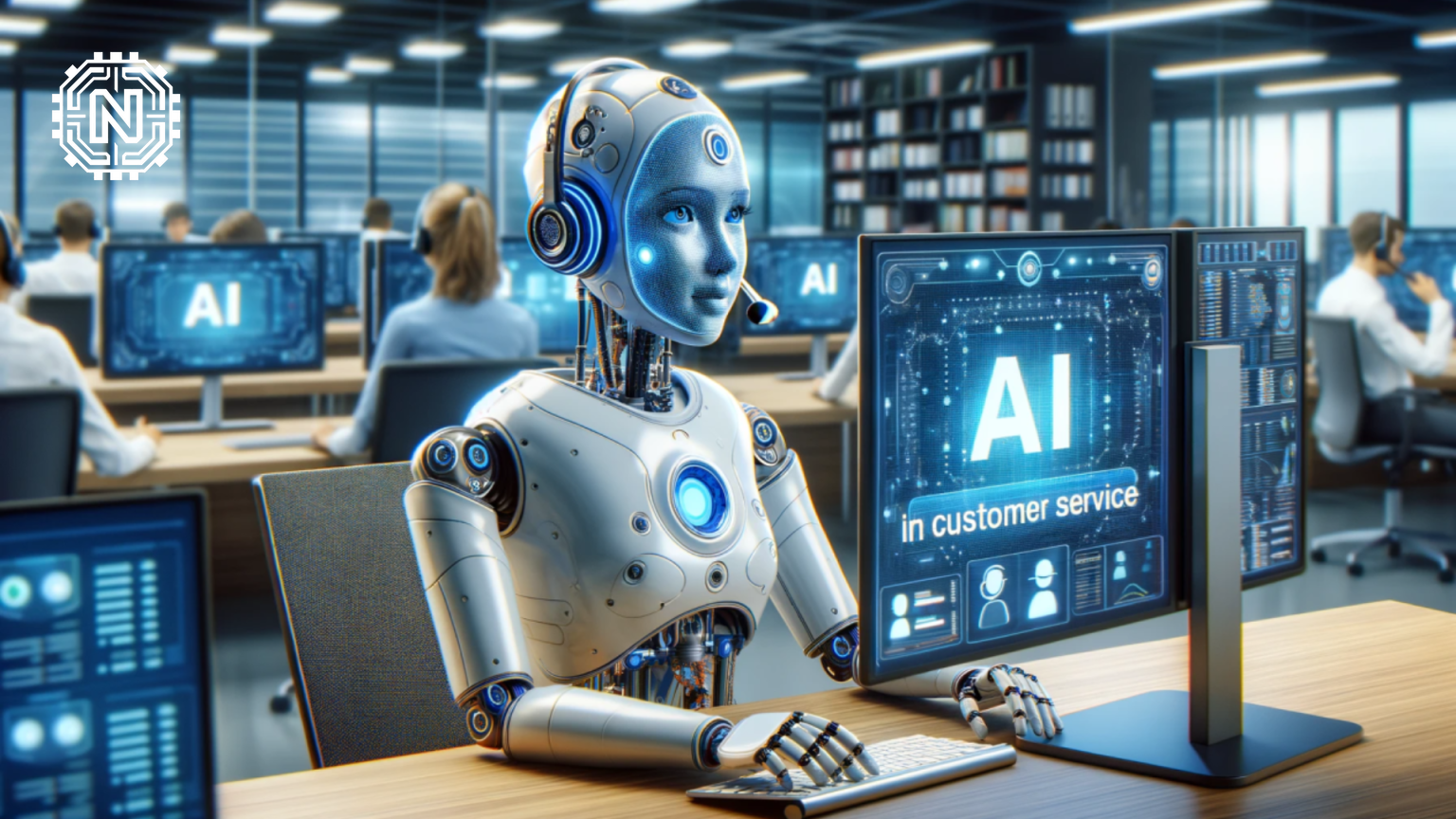
How will emotional intelligence affect chatbots?
Emotional intelligence in chatbots will allow them to handle sensitive customer interactions more effectively. For instance, if a user expresses frustration, a chatbot equipped with emotional understanding can respond with empathy, potentially de-escalating the situation.
Real-World Success Stories
Numerous businesses have successfully implemented AI chatbots, resulting in remarkable improvements in customer satisfaction. For example, a major retail chain reported a 40% increase in customer engagement after introducing a chatbot on their website. This success prompted them to expand their chatbot capabilities across other platforms.
What industries are leading in chatbot adoption?
Industries such as e-commerce, banking, and healthcare are leading the way in chatbot adoption. These sectors benefit significantly from automation and improved customer interactions, setting a precedent for others to follow.
Conclusion
AI chatbots are not just a trend; they're a fundamental shift in how businesses interact with customers. As technology continues to advance, their role will only grow, making them vital for any organization aiming to enhance customer service.
Frequently Asked Questions
What are AI chatbots used for in customer service?
AI chatbots handle customer inquiries, provide support, and facilitate transactions, improving response times and efficiency.
How do AI chatbots improve customer satisfaction?
AI chatbots enhance customer satisfaction by offering instant responses and personalized interactions, leading to quicker resolutions.
What technologies power AI chatbots?
AI chatbots are powered by natural language processing (NLP) and machine learning algorithms to understand and respond to user queries.
Can AI chatbots handle complex customer issues?
While AI chatbots manage many queries, complex issues often require human agents for resolution.
How do businesses implement AI chatbots?
Businesses implement AI chatbots by integrating them into their websites or messaging platforms using APIs and chatbot frameworks.
What are the limitations of AI chatbots?
AI chatbots may struggle with ambiguous language and emotional nuances, leading to misunderstandings in communication.
Are AI chatbots cost-effective for businesses?
AI chatbots can reduce operational costs by automating routine tasks, allowing staff to focus on more complex issues.
What is the future of AI chatbots in customer service?
The future of AI chatbots includes advancements in AI capabilities, enabling more human-like interactions and deeper integration with customer service systems. For more on Tech News, explore Newtechzy. You can also review our Privacy Policy and Cookie Policy, or learn more About us.
Related Topics
Want to learn more about how AI chatbots can transform your business? Explore our resources or get in touch with our experts today.
Start Your Journey Today!


