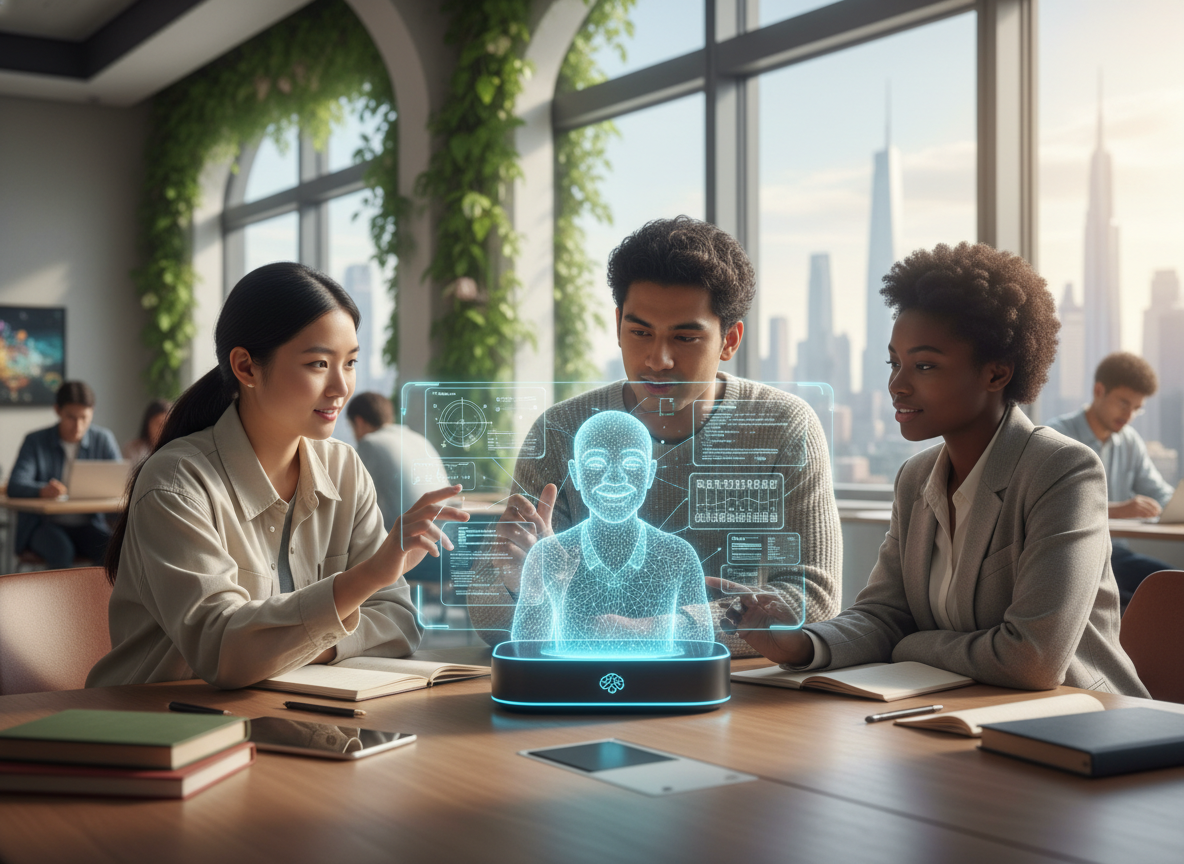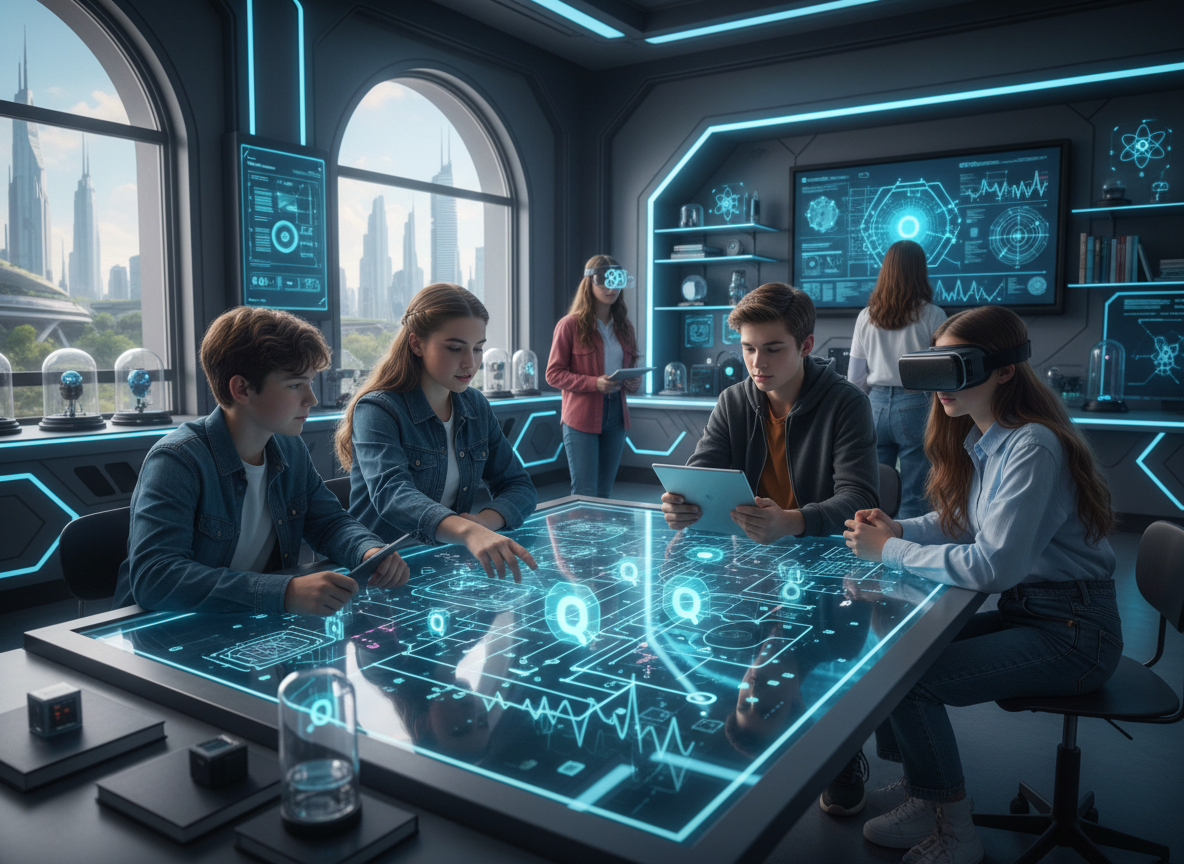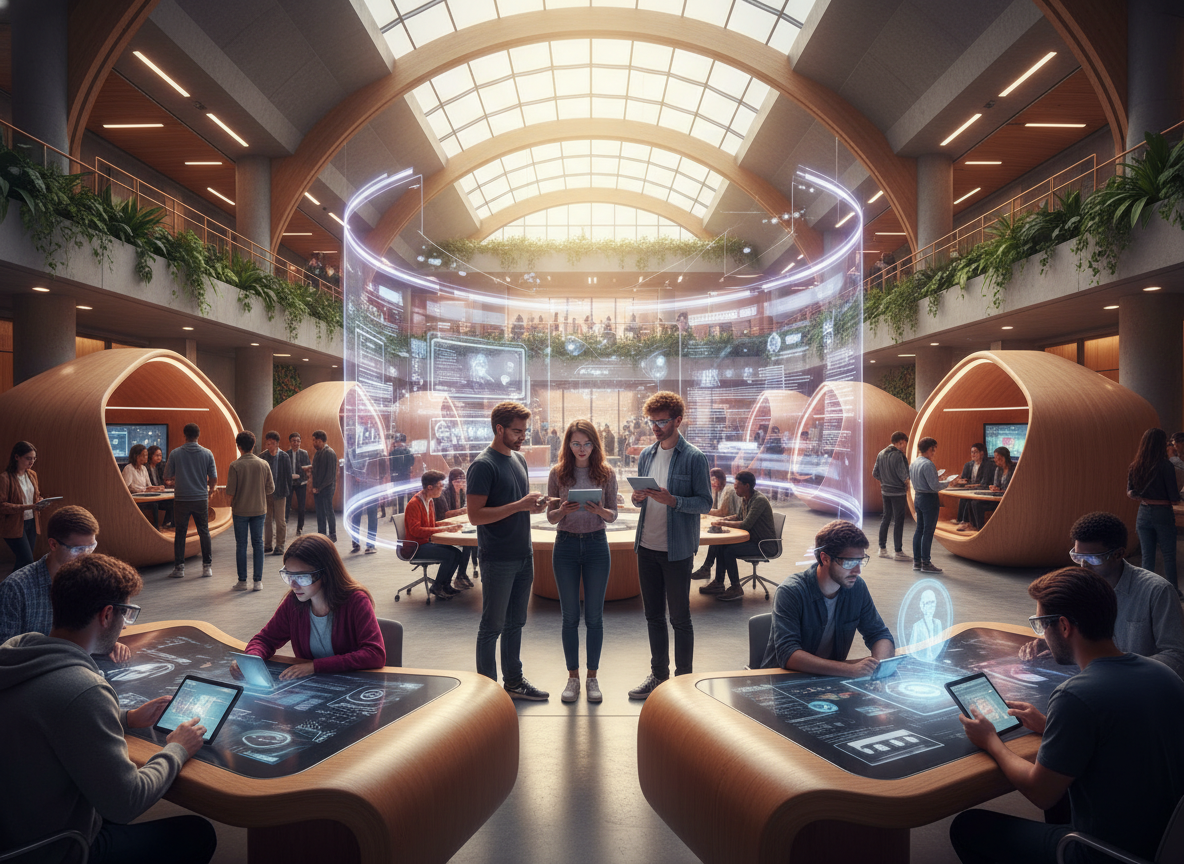
As of April 2026, the global education landscape is witnessing a seismic shift with the official accreditation of the first wave of AI-native universities. These institutions, unlike traditional universities that retrofitted digital tools into existing frameworks, are built from the ground up with artificial intelligence as the primary instructional architect. This shift represents more than just a technological upgrade; it is a fundamental reimagining of what it means to earn a degree in a post-generative AI world. The primary focus has moved away from rote memorization toward high-level critical thinking and collaborative problem-solving, facilitated by persistent AI mentors that evolve alongside the student.
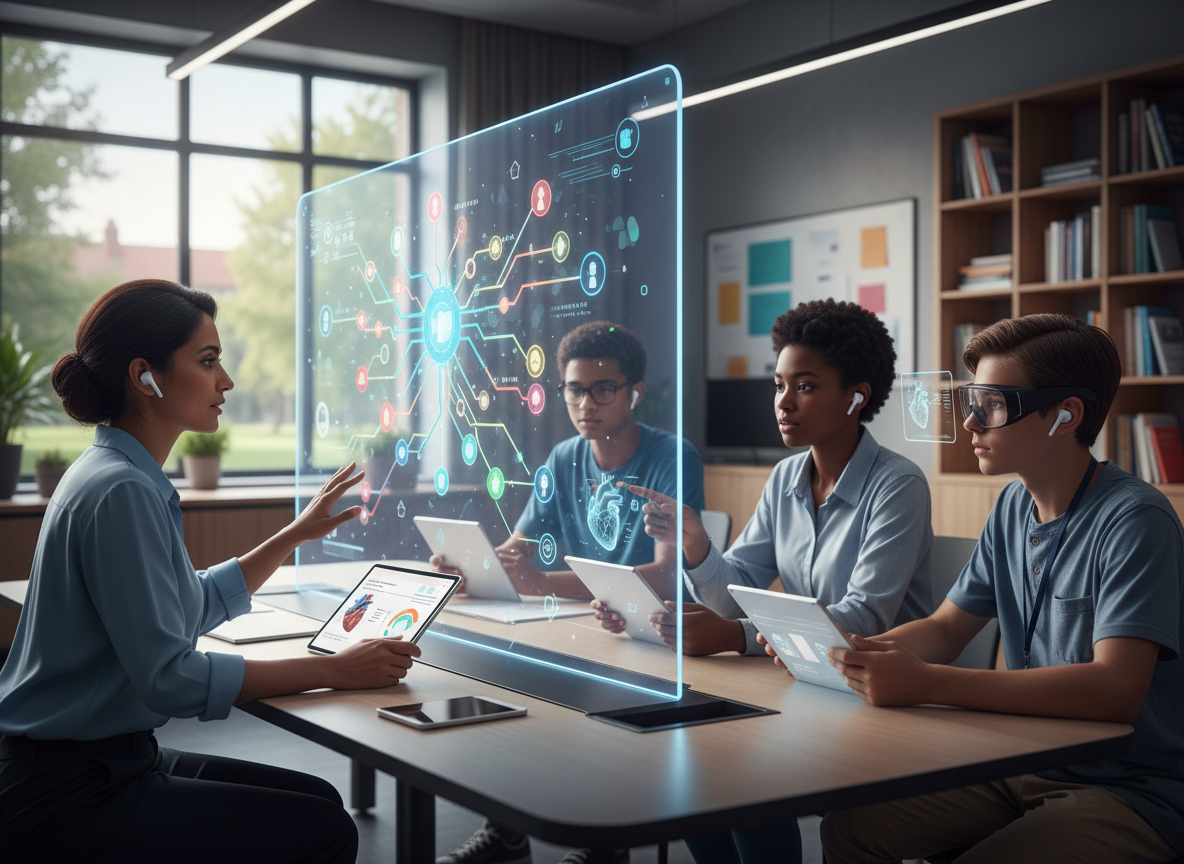
In these AI-native environments, the traditional lecture hall has become an artifact of the past. Instead, students engage in 'dynamic learning modules' where information is presented in real-time according to their cognitive preferences, current knowledge gaps, and even their physiological readiness. For example, if an engineering student is struggling with fluid dynamics at 2 AM, their personal AI tutor doesn't just provide the answer; it generates a custom simulation based on the student's previous successful learning patterns. This level of responsiveness ensures that no student is left behind while allowing high-achievers to accelerate through the curriculum at unprecedented speeds.
The role of the human professor has undergone a significant transformation as well. In 2026, professors at top-tier AI-native institutions act more as 'curiosity architects' and high-level mentors rather than primary information sources. They lead deep-dive seminars, facilitate complex ethical debates, and oversee multi-disciplinary projects that require human intuition and empathy—skills that AI still struggles to replicate fully. This hybrid model leverages the efficiency of machine learning for foundational knowledge while reserving human expertise for the nuances of creative application and professional networking.
One of the most profound breakthroughs in these universities is the integration of 'Predictive Career Mapping.' By analyzing millions of data points from the global labor market in real-time, the university's AI systems can suggest curriculum adjustments to ensure students are learning skills that will be in high demand by the time they graduate. This has led to the rise of 'fluid majors,' where a student might start in computer science but, through AI-driven insights, pivot into 'Quantum-Bioinformatics' as the market signals a surge in that specific niche. This agility is something traditional institutions are still struggling to match.
Accessibility and equity have also seen major improvements under this new model. AI-native universities have significantly lower overhead costs compared to physical campuses, allowing for a drastic reduction in tuition fees. Furthermore, the AI interfaces are designed with universal accessibility at their core, providing real-time translation, sign-language synthesis, and neuro-adaptive interfaces for students with diverse learning needs. This has effectively democratized elite-level education, making it available to talented individuals in remote or underserved regions who previously lacked the resources to attend world-class institutions.
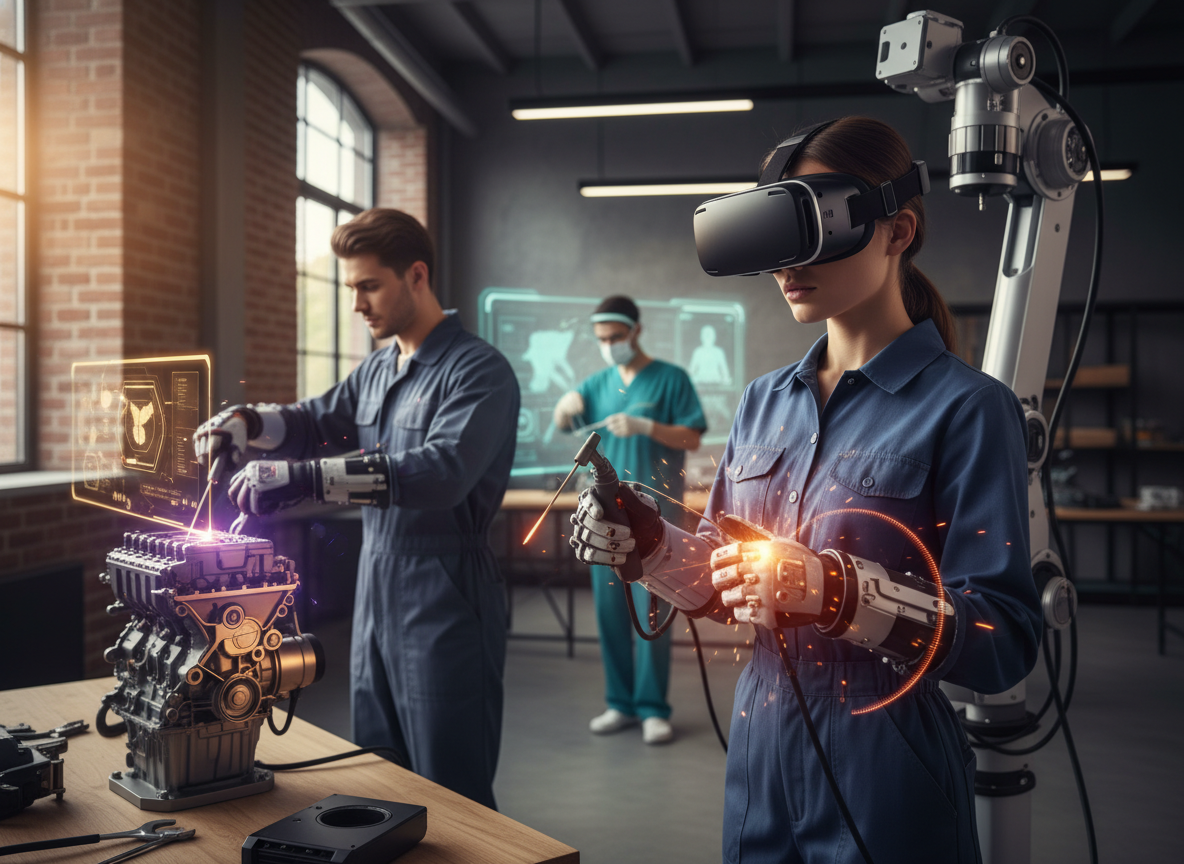
The social aspect of university life, often cited as a concern in digital-first education, has been revitalized through 'Global Peer-Nodes.' These are physical co-learning spaces situated in major cities worldwide where students from AI-native universities meet to collaborate on physical projects, socialize, and network. Even though the instruction is digital, the community is deeply localized. This blend of global digital excellence and local physical interaction is proving to be a highly effective model for student mental health and social development in 2026.
Data privacy and ethical AI usage remain at the forefront of the educational discourse this year. AI-native universities are pioneering the use of 'Zero-Knowledge Proofs' for student data, ensuring that while the AI learns how to teach the student, the student's personal identity and biometric data remain encrypted and owned solely by the individual. This 'Sovereign Student Data' movement is a direct response to the privacy concerns of the early 2020s and is now a standard requirement for institutional accreditation in most developed nations.
In conclusion, the rise of AI-native universities in 2026 marks the end of the one-size-fits-all era of education. By placing the student at the center of a responsive, intelligent ecosystem, these institutions are producing graduates who are not only technically proficient but also highly adaptable and ethically grounded. As traditional universities scramble to adapt, the success of the AI-native model suggests that the future of learning is not just digital, but truly intelligent, personalized, and globally accessible.