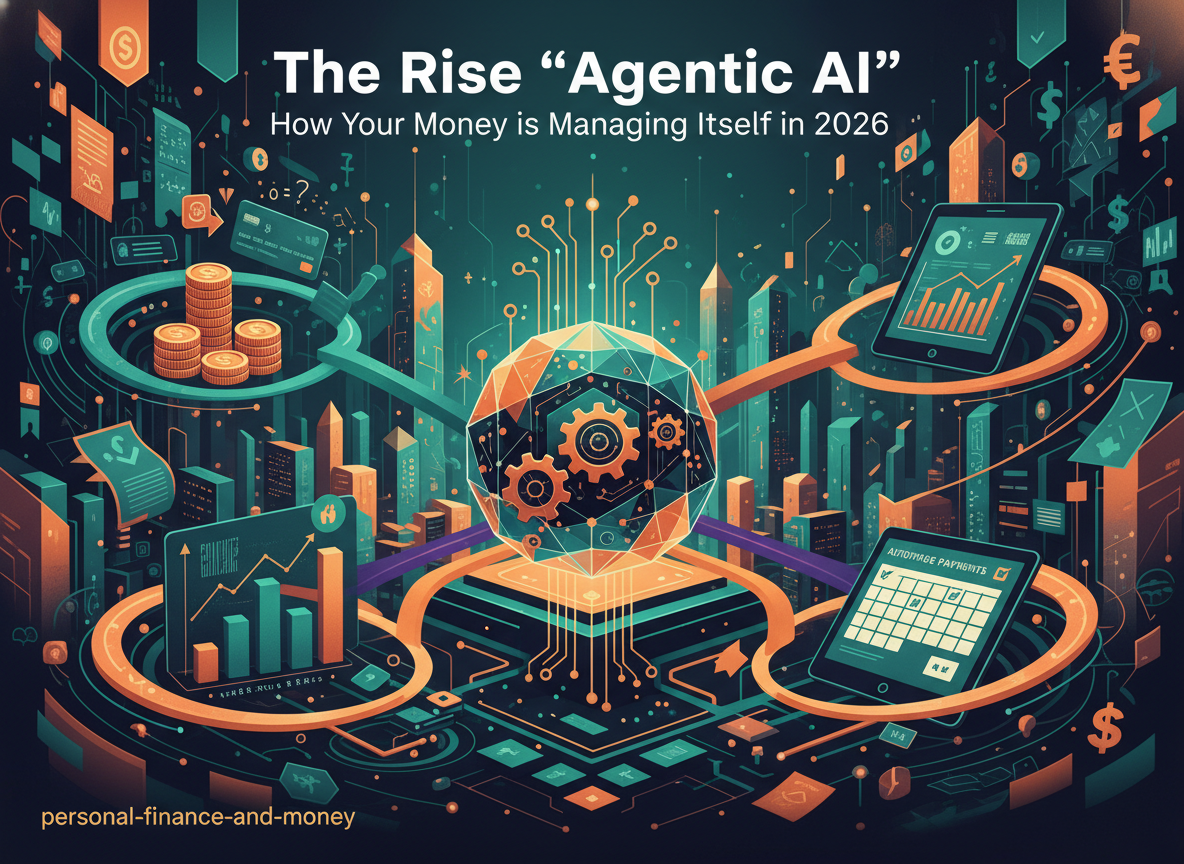
The personal finance world has officially entered the era of 'Agentic AI.' In 2026, we have moved beyond the generative chatbots that simply answered questions about how to save money. Today's most popular financial apps—such as the evolved versions of Monarch, Cleo, and Origin—feature autonomous agents that act on your behalf. These systems don't just track your spending; they intervene. If your commute costs spike due to fuel prices, an agentic system might automatically reroute funds from your dining budget to your emergency fund or even suggest a more cost-effective EV charging plan, all while asking for a single-click approval on your smartwatch.
This shift from assistance to autonomy is fueled by a massive surge in institutional and retail adoption. Surveys from early 2026 indicate that nearly 70% of financial executives have integrated AI solutions that provide 50% better budgeting accuracy for their clients than traditional manual methods. For the average consumer, this means saving upwards of five hours every month on administrative money tasks. The value proposition has shifted from 'help me see my money' to 'help me optimize my money without me having to think about it.' The technology is now sophisticated enough to understand the 'context' of your life, not just the numbers in your account.
Real-time fraud detection has reached a pinnacle in March 2026, with AI models monitoring transaction velocity, geolocation, and even device fingerprints simultaneously. This has led to a significant reduction in false positives, meaning your card isn't declined at a legitimate gas station while you're traveling, but it is instantly frozen the moment a suspicious offshore micro-transaction is attempted. Banks are reporting that these agentic systems prevent millions in losses every week by staying one step ahead of increasingly complex cyber threats. For the user, this provides a level of 'financial peace of mind' that was previously impossible.
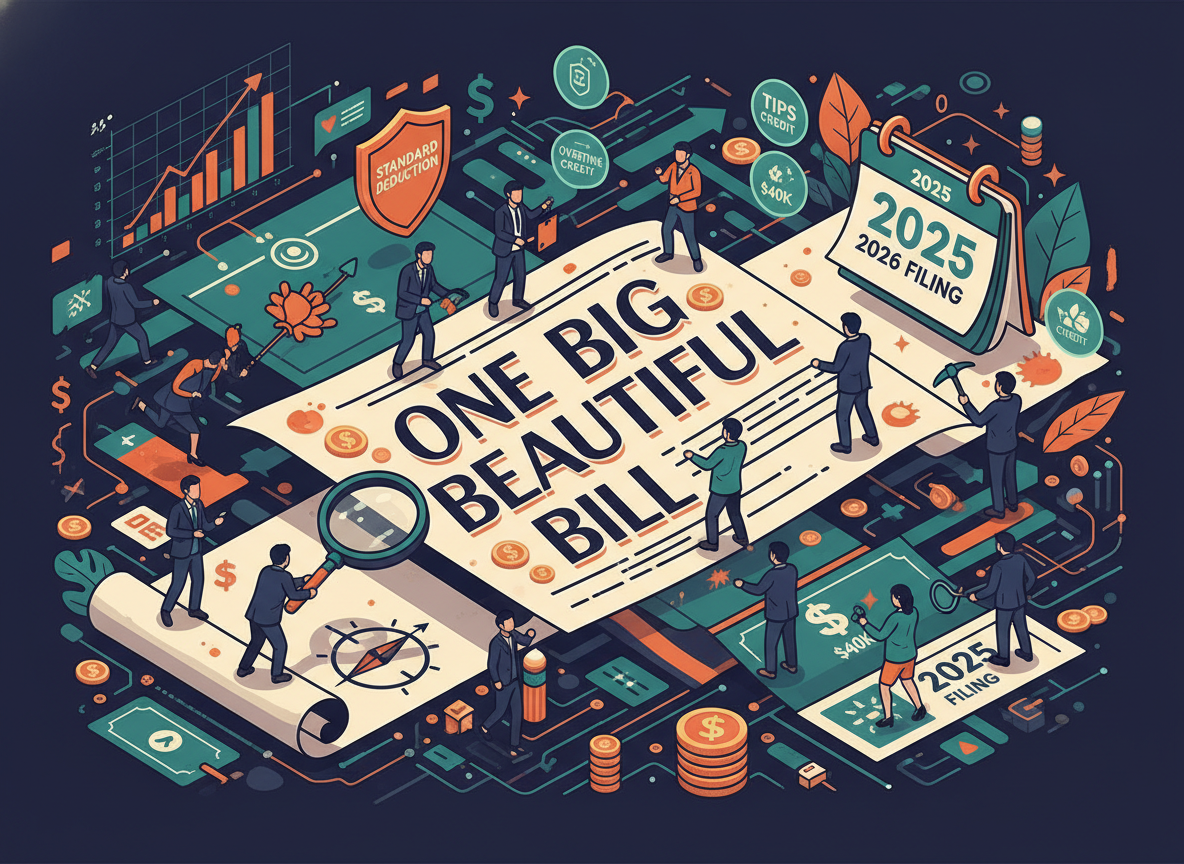
Investment management is also undergoing a radical transformation. The robo-advisors of 2026 are no longer static; they are 'context-aware' engines that adjust your portfolio based on real-time macro conditions, tax laws, and your individual risk tolerance as it changes with life events. If the 'One Big Beautiful Bill' (the 2025 tax law) changes a deduction you're eligible for, your AI advisor will likely have already modeled the impact on your 401(k) contributions before you've even heard the news. This democratization of high-level financial strategy is allowing middle-class families to access the same sophisticated wealth-building tools once reserved for the ultra-wealthy.
Agentic AI is also taking over the burden of bill negotiation. In 2026, your financial agent can scan your recurring subscriptions and automatically contact providers to negotiate lower rates or switch you to a better-priced competitor. Whether it's your internet service, insurance premium, or even your gym membership, these AI agents use vast databases of successful negotiation scripts to find savings you wouldn't have the time or patience to pursue. This 'found money' is then automatically directed toward your highest-interest debt or into a high-yield savings account, creating a virtuous cycle of wealth accumulation.
Despite the benefits, the rise of AI agents brings new challenges regarding data privacy and 'algorithmic bias.' As we approach the end of the first quarter of 2026, regulators are increasing their scrutiny of how these systems make decisions. The primary concern is ensuring that AI-driven underwriting and advice remain transparent and fair. Consumers are encouraged to use platforms that emphasize 'explainable AI,' where you can ask the system *why* it made a specific recommendation. In 2026, financial literacy is no longer just about understanding interest rates; it's about understanding how your AI thinks and where its guardrails are.
The cost of these services has also plummeted. Traditional human financial planning often requires high asset minimums or expensive hourly fees, but AI-powered platforms in 2026 are providing 24/7 personalized insight for a low monthly subscription or even as a free tier with your bank account. This 'low-cost access' is particularly impactful for Gen Z and Millennials, who are using these tools to navigate the complex 2026 economy with a level of confidence previous generations lacked. The tech is effectively acting as a 'digital twin' of a professional planner, always on and always looking for an edge.
As we look toward the rest of 2026, the trend of 'invisible finance' will only accelerate. The goal for many tech providers is to make money management so seamless that it happens entirely in the background. While this requires a high degree of trust, the realized ROI for early adopters—measured in both dollars saved and stress reduced—is making it the standard for personal finance. To stay ahead, consumers should audit their current tools and ensure they aren't still using 'dumb' apps that only tell them what they spent yesterday, rather than what they should do tomorrow.