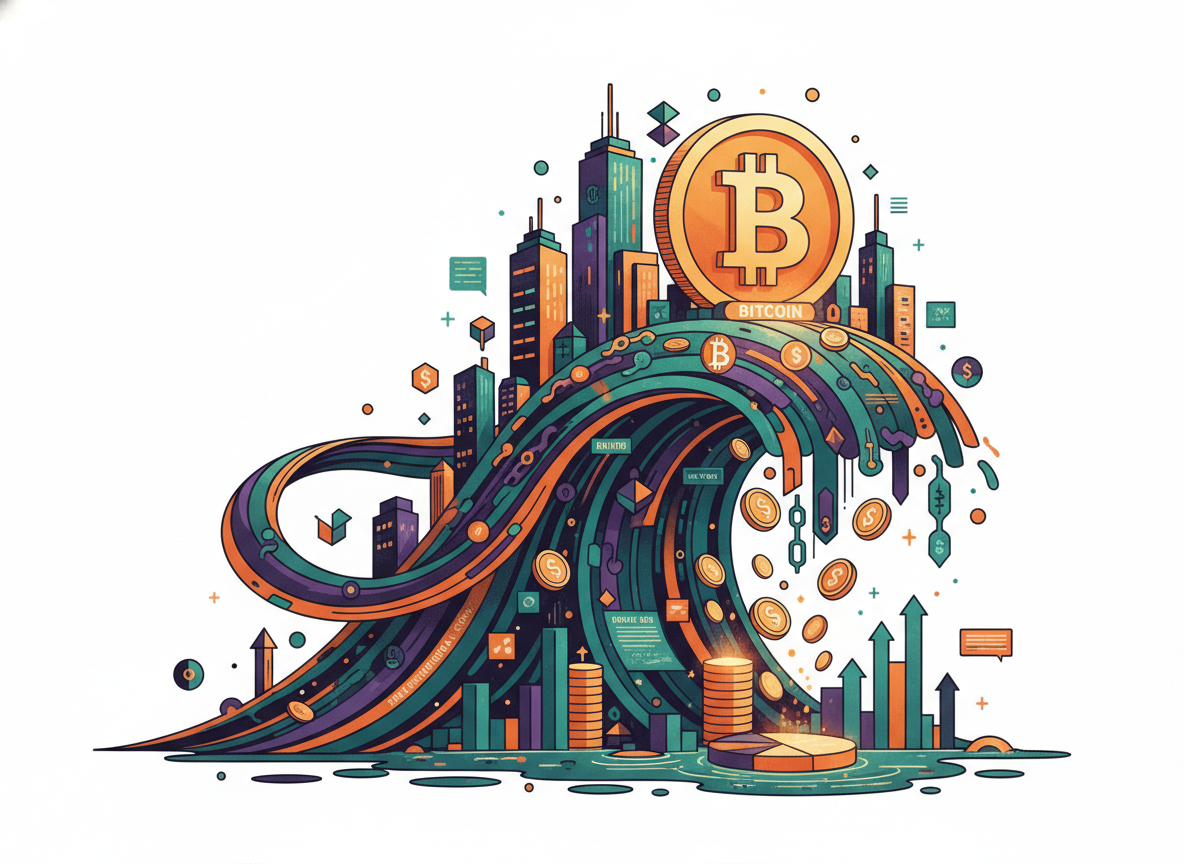
The cryptocurrency market of March 31, 2026, has officially shed its 'wild west' reputation, maturing into a sophisticated asset class defined by institutional demand and regulatory clarity. While previous bull cycles were driven by retail hype and meme coins, the 2026 'second wave' is characterized by structural capital inflows and a focus on yield-generating strategies. This month, a major milestone was reached as the 20 millionth Bitcoin was mined, leaving only one million BTC left to be discovered over the next century. This scarcity narrative, combined with the successful rollout of spot ETFs for both Bitcoin and Ethereum, has solidified crypto's place in the modern diversified portfolio.
Institutional adoption is no longer a forecast; it is the reality. According to recent surveys by Coinbase Institutional, 73% of large-scale investors plan to increase their digital asset holdings throughout 2026. These aren't speculative bets but strategic allocations into what many now call 'digital commodities.' The introduction of bipartisan market structure legislation in the U.S. has provided the legal framework necessary for pension funds and sovereign wealth funds to enter the fray. As a result, Bitcoin has stabilized in a high-liquidity range between $70,000 and $75,000, acting as a benchmark for risk appetite across all financial markets.
The focus in 2026 has shifted from simple price appreciation to 'income generation' through digital assets. Ethereum, in particular, is being viewed by institutions as a 'digital bond' thanks to its staking yields. With staking now integrated into most regulated ETPs (Exchange Traded Products), investors are able to earn a predictable 3-5% yield on their ETH holdings on top of any price movement. This 'productive asset' status is attracting a different type of investor—one who values cash flow over volatility. For personal finance enthusiasts, this means the 'buy and hold' strategy of 2020 has evolved into 'stake and earn' in 2026.
Tokenization of Real World Assets (RWA) is the breakout trend of this quarter. We are seeing a massive surge in the issuance of 'on-chain' US Treasuries, private credit, and even fractionalized real estate. Major banks like JPMorgan have launched deposit tokens on public Layer 2 blockchains, allowing for instantaneous, 24/7 settlement of traditional financial products. For the average investor, this means you can now buy a $500 'slice' of a high-yield commercial property or a corporate bond directly through your brokerage app, with the underlying ownership verified on a blockchain. This is the true 'democratization of finance' that was promised a decade ago.
Stablecoins have become the 'infrastructure standard' for global payments in 2026. No longer just a tool for traders, stablecoins like USDC and the newly regulated bank-issued tokens are being used for everything from cross-border remittances to merchant payments. The 'One Big Beautiful Bill' tax law of 2025 included specific exemptions for stablecoins, ensuring they are not treated as securities and can be used for everyday transactions without triggering complex capital gains reporting for small purchases. This has led to a surge in 'crypto-back' rewards programs that are quickly replacing traditional airline miles and cash-back cards.
Security and compliance have reached new heights with the widespread adoption of 'Agentic AI' in the crypto space. These autonomous agents monitor your wallet 24/7, blocking transactions to known scam addresses and automatically alerting you to 'vulnerability patches' for DeFi protocols you may be using. The 'fear of losing everything' to a hack is being mitigated by these 2026-standard security layers and the rise of regulated, insured custodial services. For the retail investor, this means the 'self-custody' hurdles of the past are being replaced by a user experience that feels as safe and familiar as a traditional bank account.
Bitcoin's role as 'digital gold' is being tested in 2026 as global public debt reaches record levels. With the federal deficit projected to top $2 trillion this fiscal year, many investors are turning to Bitcoin as a hedge against fiat debasement. Grayscale Research notes that unlike fiat currencies, which face inflationary pressures from rising debt, Bitcoin's programmatic scarcity is 'immutable.' As the 20 millionth coin enters circulation this month, the 'supply shock' is becoming a central theme in personal finance circles, leading many to recommend a 1-3% 'insurance allocation' in long-term retirement accounts.
As we look toward the remainder of 2026, the integration of blockchain into the 'core financial system' will only deepen. The distinction between 'crypto' and 'finance' is blurring as the underlying technology becomes invisible. For your personal finance strategy, the message of March 2026 is one of 'selective participation.' Avoid the remaining speculative pockets and focus on the assets with clear utility, sustainable revenue models, and regulated access. Whether it is through an ETF in your 401(k) or a staked position in your digital wallet, the digital asset class is now a foundational pillar of modern wealth management.