As of today, April 6, 2026, the financial landscape has reached a pivotal juncture where traditional banking and decentralized finance (DeFi) have finally converged under new regulatory frameworks. This tax season marks the debut of the 'Smart Tax Act,' which mandates the disclosure of all tokenized physical assets, including fractionalized real estate holdings and digital commodity certificates. For the average investor, this means the days of simple 1099 forms are over, replaced by real-time ledger synchronization that automatically reports capital gains from micro-transactions. Navigating this complexity requires a deep understanding of how automated tax harvesting algorithms now function within individual brokerage accounts.
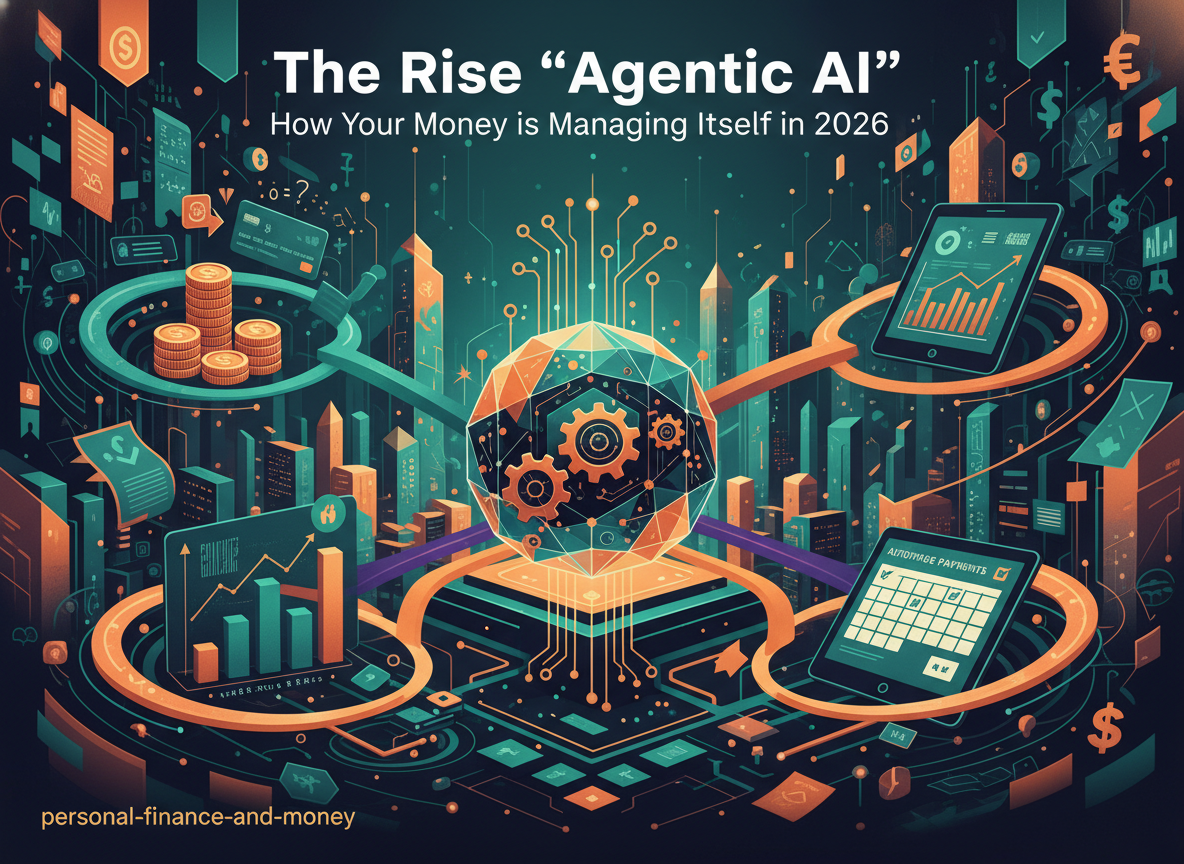
The most significant breakthrough discussed in today’s market reports is the widespread adoption of AI-native financial advisors that operate with 'Human-in-the-loop' oversight. Unlike the robo-advisors of the early 2020s, these 2026 models utilize generative predictive analytics to forecast personal cash flow disruptions months in advance. By analyzing global supply chain shifts and local economic indicators, these AI systems are currently advising users to shift liquidity into high-yield CBDC (Central Bank Digital Currency) accounts, which have seen a surge in interest rates following the Federal Reserve's policy update earlier this morning.
With the April 15th deadline approaching, millions of Americans are utilizing the new IRS 'Direct File 2.0' platform, which features a natural language processing interface. This system allows taxpayers to simply upload their digital wallet addresses and traditional bank statements, letting the AI reconcile discrepancies in real-time. This leap in technology has significantly reduced the cost of compliance for freelancers and gig workers, who previously spent thousands on professional accounting. However, the integration has raised fresh debates regarding data privacy and the security of the underlying blockchain protocols used for government verification.
In the housing market, a notable trend emerging this week is the transition from traditional mortgages to 'Smart-Contract Liens.' These financial products, which became mainstream in early 2026, allow homeowners to unlock equity in small, liquid increments rather than taking out a full home equity line of credit. As of this morning's market open, the volume of tokenized equity swaps has hit a record high, as investors look for ways to combat the 'sticky' inflation that has persisted in the service sector. This provides a unique opportunity for diversification that was previously unavailable to the retail middle class.
The Federal Reserve’s announcement today regarding 'Neutral Rate Calibration' suggests that the era of aggressive interest rate hikes is definitively over, giving way to a period of 'Precision Stabilization.' For personal finance strategy, this means the focus has shifted from defensive cash positions to long-term growth in 'Green-Alpha' funds. These funds, which track companies with verified net-zero achievements under the 2026 Sustainability Accord, are currently outperforming traditional S&P 500 benchmarks. Financial planners are emphasizing that environmental impact is no longer a niche metric but a primary driver of stock valuation and dividend reliability.
Furthermore, the gig economy has undergone a structural transformation with the launch of the 'Portable Benefits Universal Protocol' earlier this quarter. This system allows independent contractors to accrue health insurance and retirement credits from multiple employers simultaneously, managed via a decentralized identity (DID) system. This morning, several major tech platforms announced they would fully integrate their payroll with this protocol, providing a level of financial security for the self-employed that mirrors traditional corporate benefits. This shift is expected to trigger a new wave of 'solopreneurship' as the financial risks of leaving salaried positions continue to diminish.
As we analyze the current state of consumer debt on April 6, there is a visible decline in high-interest credit card balances, replaced by 'Buy Now, Pay Later' (BNPL) 3.0 models. These new versions use real-time credit scoring to offer zero-interest windows that fluctuate based on the user's current net worth and spending habits. While this provides flexibility, financial experts warn that the ease of access to 'micro-credit' could lead to a hidden debt crisis if not managed by the very AI tools designed to prevent it. Users are encouraged to set 'hard-stop' limits on their digital wallets to maintain fiscal discipline in an increasingly frictionless spending environment.
In conclusion, the financial world on April 6, 2026, is defined by the seamless integration of high-tech automation and a more granular approach to asset management. Whether it is the AI-assisted tax filing systems, the emergence of tokenized real estate equity, or the stabilization of digital currencies, the barriers to sophisticated wealth management are falling. To thrive in this new era, individuals must remain proactive in adopting these new tools while staying vigilant about the security of their digital identities. The second half of 2026 promises even more volatility as these systems mature, making the current moment the ideal time to rebalance portfolios for a digital-first economy.