As of today, April 7, 2026, the culinary world has reached a historic milestone in the adoption of precision fermentation technology. What was once a niche laboratory experiment has officially entered the mainstream kitchen pantry, with major retailers reporting a 40% increase in the availability of animal-free dairy and egg proteins that are molecularly identical to their traditional counterparts. This breakthrough is not merely a win for veganism; it represents a fundamental shift in how we approach baking and cooking. These bio-identical ingredients offer the same structural and chemical properties as animal-derived products, allowing home cooks to achieve the perfect soufflé or a rich, stretchy mozzarella without the environmental footprint of industrial livestock farming.
Parallel to the rise of precision fermentation is the massive integration of Artificial Intelligence into the daily meal-planning cycle. The 'Smart Kitchen Ecosystems' released earlier this spring have moved beyond simple recipe suggestions. Today's AI assistants utilize real-time biometric feedback from wearable devices to adjust recipes based on a cook’s current micronutrient needs and glucose levels. For instance, if your fitness tracker identifies a magnesium deficiency after a morning run, your smart oven might suggest a recipe for a spinach and pumpkin seed crustless quiche, automatically adjusting the proportions of fortified ingredients to optimize your recovery. This level of hyper-personalization is revolutionizing the intersection of nutrition and gastronomy.
The meat industry is also seeing a seismic shift this April with the wide-scale commercial launch of 'Hybrid Cultivated Steaks.' These products combine cultivated animal cells with plant-based scaffolds to create a texture and flavor profile that is indistinguishable from high-end wagyu beef. As of this week, several Michelin-starred restaurants in New York and London have permanently added these hybrid cuts to their menus, signaling a new era of ethical luxury. For the home cook, these meats are becoming more affordable, with price parity expected by the end of the year. The focus has moved away from 'meat alternatives' toward 'evolved meats' that provide the same sensory experience with a fraction of the land and water usage.
Regenerative gastronomy has become the dominant philosophy in high-end and casual dining alike in early 2026. This movement goes beyond sustainability by focusing on ingredients that actively improve soil health and biodiversity. Chefs are now prioritizing 'forgotten' grains like Kernza and specialty legumes that fix nitrogen in the soil. On the consumer side, we are seeing a surge in 'Soil-to-Table' labels that provide a blockchain-verified history of the ingredient's impact on the ecosystem. This transparency is driving a new wave of recipe development that highlights the unique, terroir-driven flavors of these regeneratively grown crops, which often possess higher nutrient densities than conventionally farmed produce.
Waste reduction technology has also taken a giant leap forward this month with the introduction of domestic enzyme-based bioreactors. These compact countertop devices can break down organic kitchen waste into concentrated, nutrient-rich liquid fertilizers or savory bouillon bases within six hours. This 'Closed-Loop Cooking' trend is transforming the way we view scraps. Instead of tossing onion skins or carrot tops, home cooks are utilizing these bioreactors to extract intense umami flavors, which are then used to fortify broths and sauces. It is a sophisticated evolution of the zero-waste movement that combines biotechnology with traditional thriftiness, making the modern kitchen more efficient than ever before.
The global supply chain has also adapted to the climate realities of 2026, leading to the 'Regionalization of the Mediterranean Diet.' As traditional growing zones shift, we are seeing hardy, drought-resistant varieties of olives and grapes being harvested in Northern Europe and the Pacific Northwest. This has given rise to a new genre of fusion recipes that blend Mediterranean techniques with locally adapted ingredients. Think of a 'Boreal Pesto' made with cold-hardy wild greens and locally pressed camelina oil, which mimics the fatty acid profile of olive oil. These adaptations are not just survival strategies; they are expanding the culinary palette and introducing consumers to a more diverse range of flavors and textures.
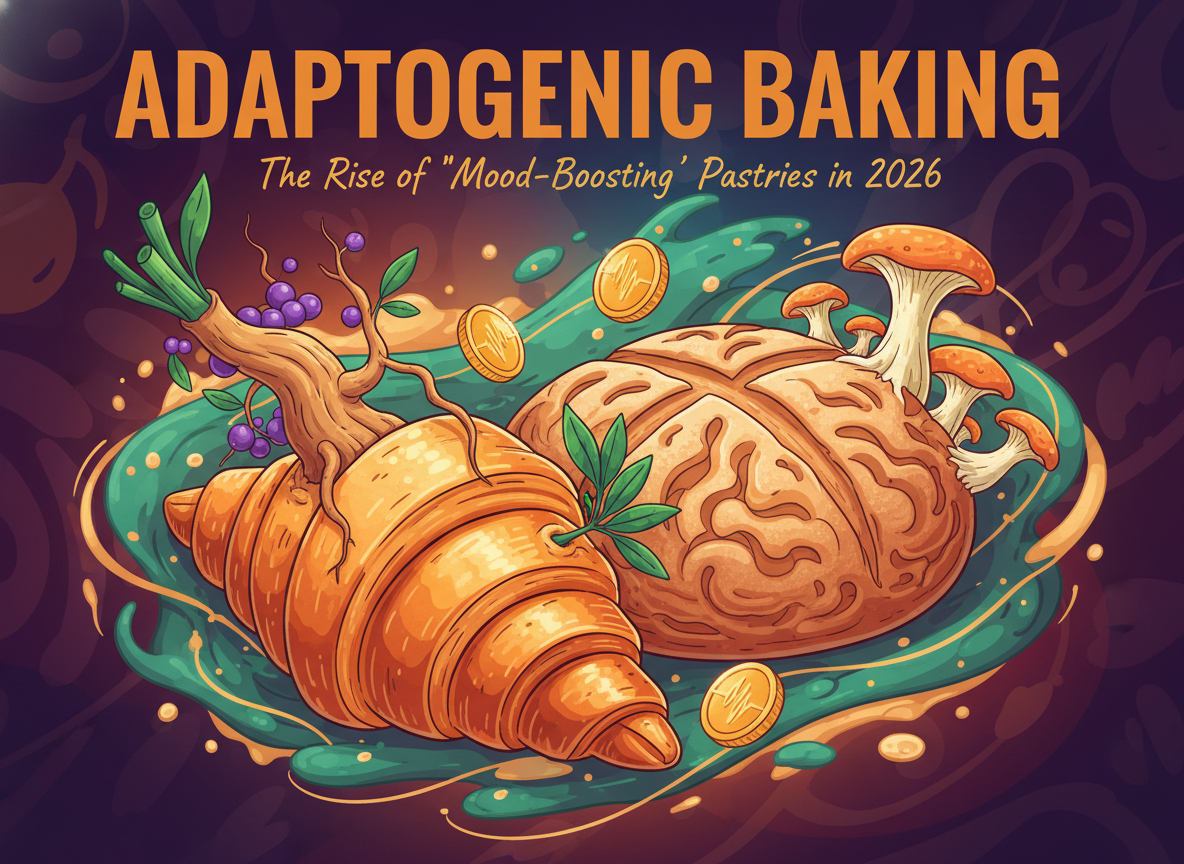
Functional flavor is the new buzzword in the spice aisle this season. Advances in encapsulation technology have allowed manufacturers to infuse common spices with heat-stable probiotics and adaptogens without altering their taste. This means your morning turmeric latte or evening chili can now deliver a therapeutic dose of gut-healing microbes or stress-reducing ashwagandha. As of April 2026, these 'Bio-Active Spices' are becoming standard in pantry staples, reflecting a broader consumer demand for foods that provide proactive health benefits. The focus is no longer just on what we remove from our diets, but on the powerful, functional compounds we can seamlessly integrate into our favorite meals.
In conclusion, the landscape of food and recipes in April 2026 is defined by a harmonious blend of high-tech innovation and deep ecological awareness. From the precision-fermented proteins in our refrigerators to the AI-guided nutritional optimizations on our screens, we are living in an era where the act of cooking is both a scientific endeavor and an environmental contribution. As these technologies continue to mature and become more accessible, the barrier between 'healthy eating' and 'gourmet eating' is effectively vanishing. The recipes of 2026 are more than just instructions for flavor; they are blueprints for a sustainable, personalized, and deeply nourishing future for all.