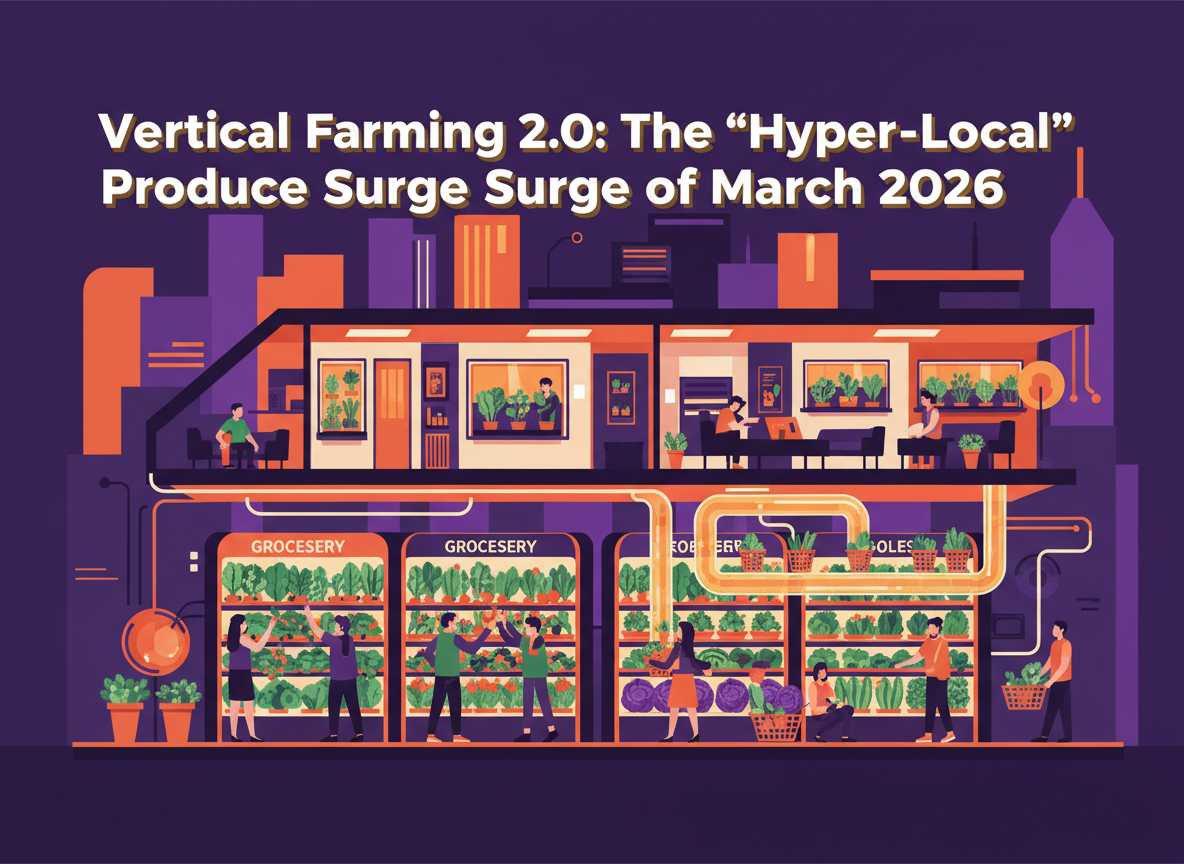
The definition of 'fresh' has undergone a radical transformation this spring. In March 2026, the distance between where food is grown and where it is consumed has shrunk from thousands of miles to mere meters. 'Vertical Farming 2.0' has moved beyond the giant industrial warehouses on the outskirts of cities and directly into our living spaces. Today, major urban grocery chains feature 'Live Aisles'—soilless, LED-lit towers where customers harvest their own herbs, greens, and even small fruits directly from the growing medium, ensuring maximum nutrient density and zero transport emissions.
This 'Hyper-Local' movement is having a profound impact on home recipes. For the first time, city dwellers have access to rare, delicate greens that previously couldn't survive the traditional supply chain. Ingredients like Wasabi Arugula, micro-mizuna, and even certain types of edible orchids are now common staples in urban kitchens. These greens are harvested seconds before being added to a dish, preserving the volatile oils and crisp textures that are lost within hours of traditional picking. The result is a vibrant, high-flavor cuisine that was once the exclusive domain of high-end farm-to-table restaurants.
Technologically, the 2026 vertical farms are more advanced than their predecessors, utilizing 'AI-Atmospheres' to replicate the exact climate of any region on Earth. Want basil that tastes like it was grown in the volcanic soil of Liguria? The sensors adjust the light spectrum and mineral mix to mimic those specific conditions. This 'Climate-Mimicry' is allowing home cooks to experiment with authentic regional flavors regardless of their geographic location, leading to a surge in 'Hyper-Regional' recipe searches online.
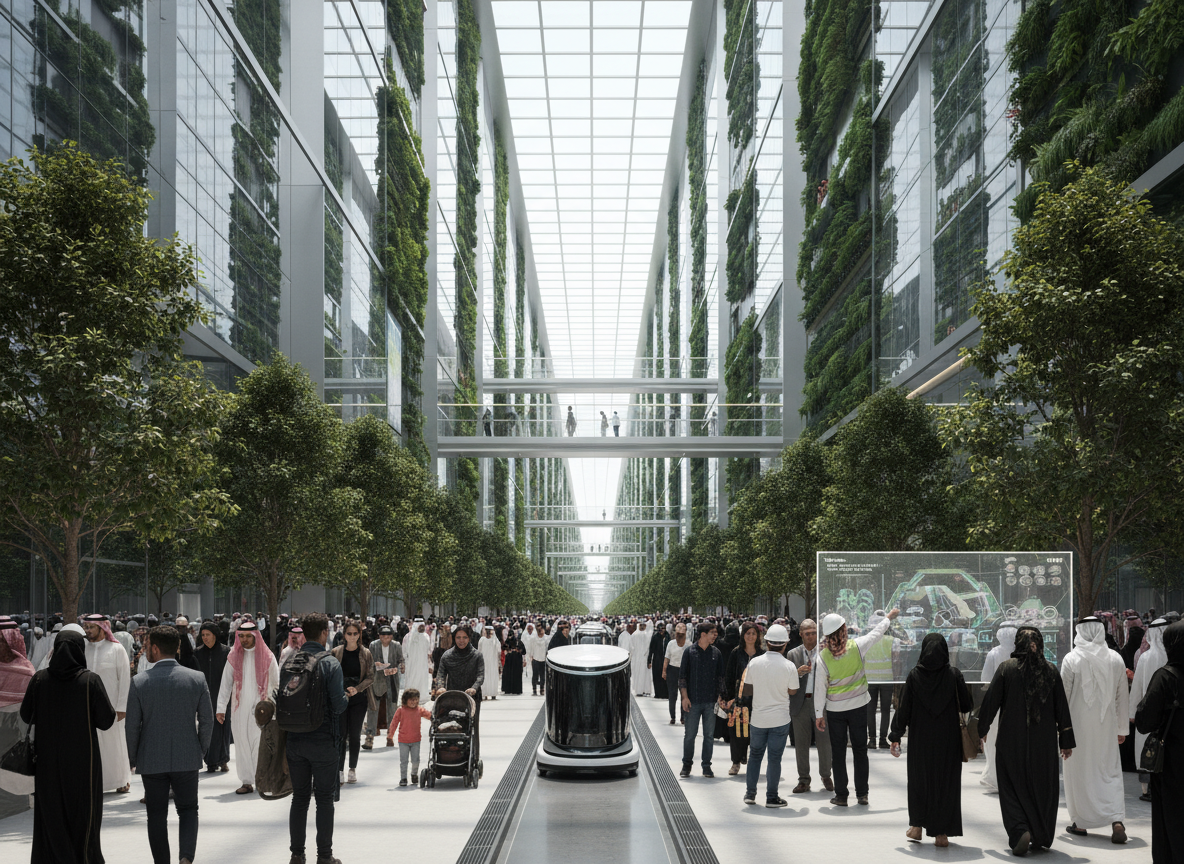
The integration of vertical farming into residential architecture is another major development this year. New apartment complexes are being built with 'Community Bio-Atriums'—shared vertical gardens that provide residents with a subscription-based supply of fresh produce. These atriums are managed by automated systems but serve as social hubs where neighbors share recipes and gardening tips. This synthesis of technology and community is fostering a new 'urban agrarian' identity that is central to the 2026 lifestyle.
From a sustainability perspective, Vertical Farming 2.0 is a game-changer. These systems use up to 95% less water than traditional agriculture through closed-loop hydroponic and aeroponic systems. Furthermore, they require no synthetic pesticides, as the controlled environment prevents pest infestations. In a world increasingly concerned about food security and chemical runoff, the 'Pure Produce' movement associated with vertical farming is winning over health-conscious consumers and environmentalists alike.
Culinary influencers are adapting their content to this new reality. Instead of 'grocery haul' videos, we are seeing 'harvest hauls,' where creators show off the unique varieties they've plucked from their in-home or in-store towers. This has led to a spike in 'Raw-Forward' recipes—dishes that highlight the unadulterated flavor of ultra-fresh produce. Think carpaccios of heirloom radishes, vibrant pesto made from six different types of 'living' basil, and salads where the greens are the star, not the dressing.
The cost of vertical-farmed produce has also plummeted in 2026. Efficiency gains in LED technology and automated harvesting have made these greens competitive with, and often cheaper than, organic field-grown produce. This accessibility is democratizing high-quality nutrition, allowing lower-income urban populations to access the same nutrient-dense greens as the wealthy. 'Nutritional Justice' through urban tech is a major theme in food policy discussions this March.
Looking ahead to the summer of 2026, the industry is eyeing the 'Vertical Orchard'—the next frontier where dwarf fruit trees and berry bushes are integrated into urban towers. The dream of picking a sun-ripened (via LED) peach in the middle of a snowy city winter is becoming a reality. For the 'food-and-recipes' world, this means a future where seasonality is a choice rather than a limitation, and where the connection between the grower and the eater is closer than ever before.