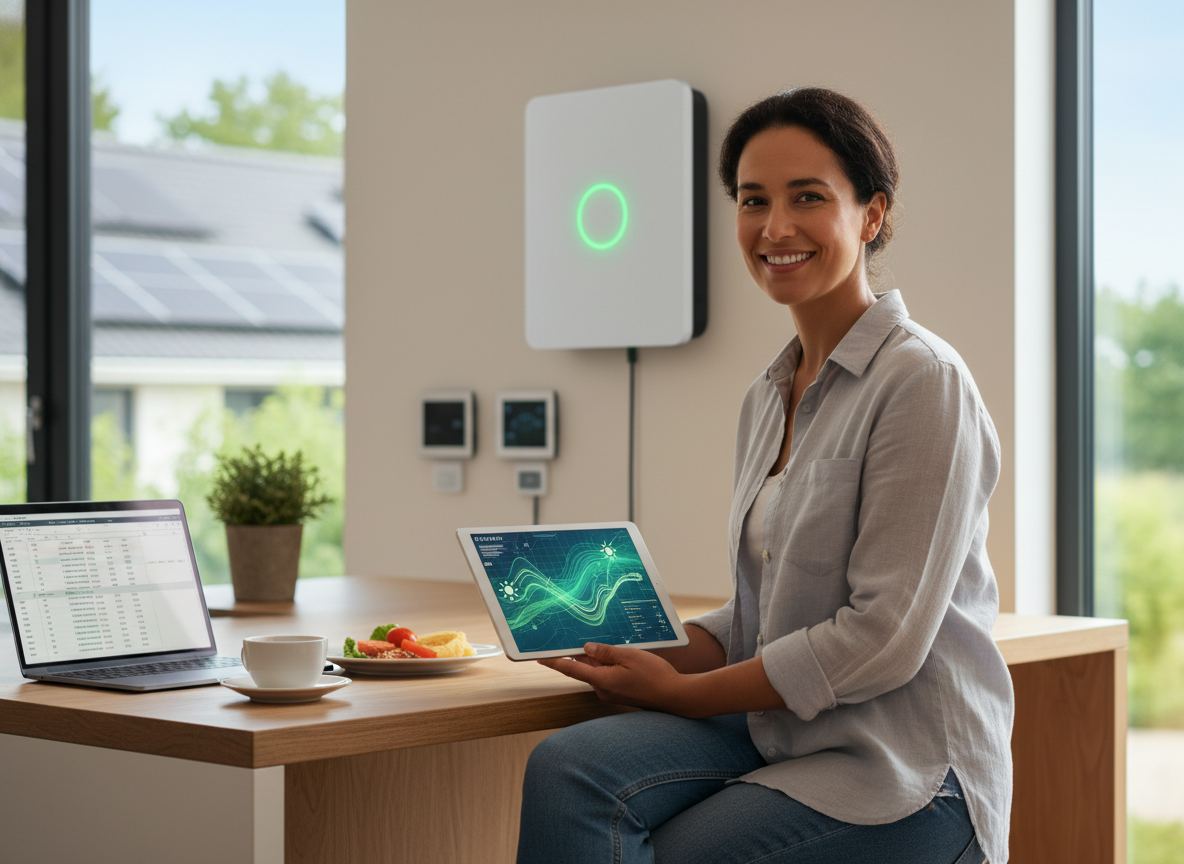
As of today, April 10, 2026, the concept of a 'side hustle' has expanded beyond digital services into the very infrastructure of our homes. The rise of Virtual Power Plants (VPPs) has turned residential battery storage into a significant revenue stream for homeowners. By aggregating thousands of small-scale batteries into a single, controllable network, energy companies can balance the grid during peak demand. For the individual, this means getting paid to allow the grid to 'borrow' electricity from your home battery when prices are high, essentially turning your home into a micro-utility.
The breakthrough that made this a mainstream hustle in 2026 is the 'Smart Grid 2.0' legislation, which mandates fair-market compensation for residential energy contributors. Unlike early pilot programs, the current VPP landscape is fully automated and integrated with smart home systems. Once enrolled, the software uses AI to predict your home's energy needs and only sells the excess back to the grid during 'Peak Earning Windows.' This ensures you never run out of power for your own use while maximizing the profit you earn from arbitrage.
Energy arbitrage is the core mechanic here: your system buys electricity from the grid (or stores solar energy) when it is cheap—usually at 2:00 AM—and sells it back during the evening surge at 6:00 PM when rates can be 10x higher. In 2026, with the increased volatility of the energy market due to the transition to 100% renewables, these price swings have become more frequent and more profitable. Some users are reporting monthly earnings of $150 to $400, which effectively pays off the cost of the battery installation in less than three years.
For those looking to scale this side hustle, 'Community Energy Management' is the next level. Savvy entrepreneurs are now acting as consultants for entire neighborhoods, helping them set up 'Micro-Grid Clusters.' By coordinating the energy storage of several homes, these clusters can negotiate even better rates with utility companies. This role involves managing the software settings, ensuring hardware compatibility, and taking a small percentage of the collective earnings as a management fee, creating a scalable service-based business built on green technology.
The equipment required for this hustle has also seen significant price drops. In 2026, modular solid-state batteries are 40% cheaper and twice as efficient as the lithium-ion models of 2024. This lower entry cost means that even renters can participate in the VPP economy using portable high-capacity power stations that plug directly into standard outlets. This democratization of energy production has opened the door for millions of people to contribute to grid stability while generating a steady, passive income stream that requires zero daily maintenance.
Safety and reliability are handled by decentralized 'Smart Contracts' on the energy blockchain. Every kilowatt-hour shared is tracked and compensated instantly, eliminating the need for complex billing disputes with utility providers. This level of transparency has encouraged a new wave of 'Energy Traders'—individuals who actively monitor grid health and manually override their systems during extreme weather events or grid emergencies to provide maximum support and earn 'Hero Bonuses' from the state.
Beyond the financial gain, this side hustle provides a deep sense of purpose. Participants are directly contributing to the decarbonization of the planet by reducing the need for 'peaker' gas plants that traditionally handle high-demand periods. In 2026, green energy is no longer just an environmental choice; it is the most logical financial choice. The VPP model proves that sustainability and profitability are two sides of the same coin, creating a resilient and distributed energy future for everyone.
In summary, if you have a home battery or are considering solar, the VPP side hustle is a 'no-brainer' in the current economic climate. It is perhaps the most passive form of income available today, requiring only an initial setup to start earning. As we continue to navigate the energy transition throughout 2026, the value of distributed storage will only increase, making your home's battery one of your most valuable financial assets. The era of the 'Prosumer'—one who both produces and consumes—is officially here.