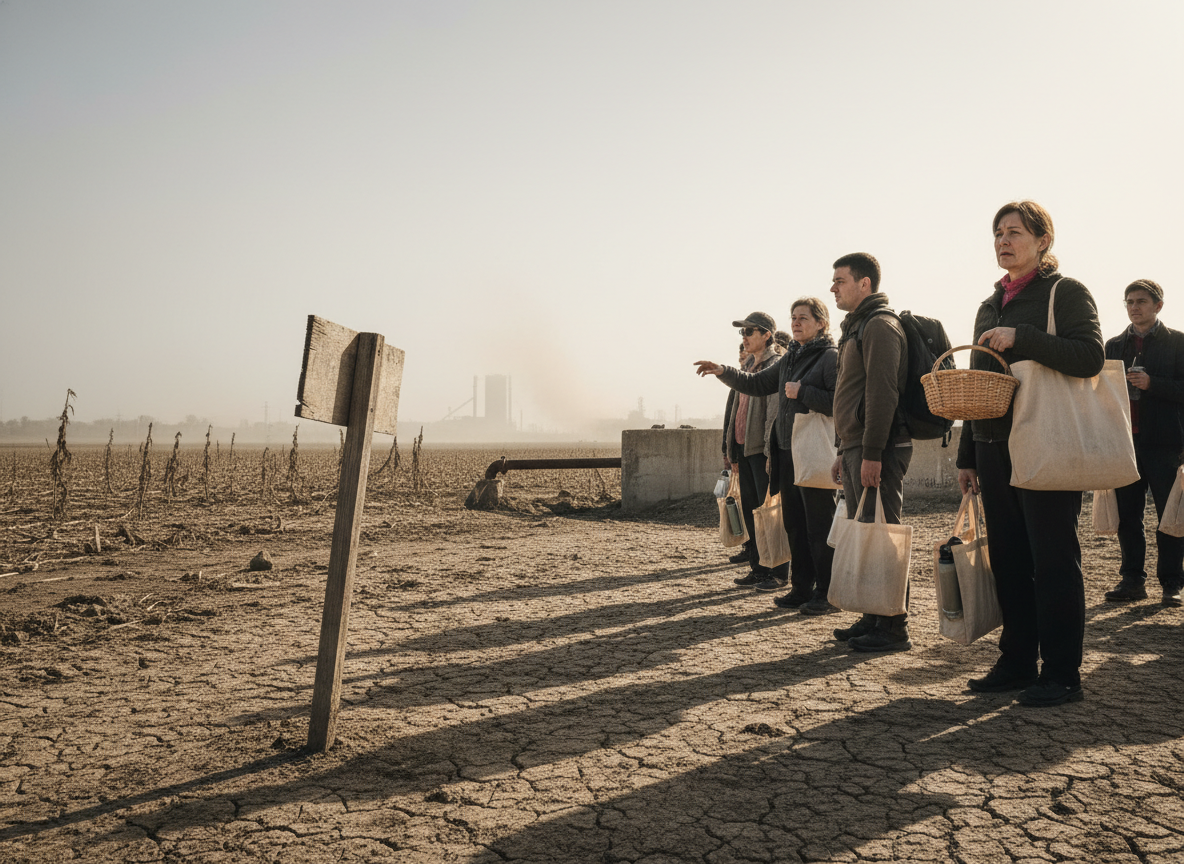
Today, Friday, April 10, 2026, serves as a sobering reminder of our environmental reality as several major nations officially reach their 'Country Overshoot Day.' This date signifies that if the entire world lived like the citizens of these countries, we would have already exhausted the Earth's total budget of regenerative resources for the entire year. The fact that this threshold is being crossed so early in April underscores the massive disconnect between human consumption patterns and the biological capacity of our planet to recover and sustain itself.
Data released by the Global Footprint Network today reveals that while some progress has been made in carbon reduction, the overall ecological footprint of developed nations remains unsustainably high. The demand for food, fiber, and timber, combined with the land required to sequester carbon emissions, continues to exceed the biocapacity of the Earth's ecosystems by nearly 75 percent. This 'ecological debt' is being financed by depleting natural capital, such as overfishing the oceans and allowing soil degradation to outpace restoration efforts.
One of the most alarming trends identified in the 2026 report is the rapid decline of biodiversity in semi-arid biomes, which are particularly vulnerable to the shifting climate patterns observed over the last decade. These regions, which support millions of people and thousands of unique species, are facing a potential loss of over 90 percent of their mammal populations by 2060 if current trends are not reversed. The loss of these species is not just an environmental tragedy but a direct threat to the ecosystem services that humans rely on for survival, including pollination and water purification.
The role of industrial activities like bottom trawling has also come under intense scrutiny this year, with new studies showing it releases over 340 million tonnes of carbon dioxide into the atmosphere annually. This practice not only destroys vital marine habitats but also contributes significantly to ocean acidification, further hampering the ocean's ability to act as a carbon sink. Global environmental advocates are calling for an immediate ban on these practices in protected marine areas as part of a broader strategy to preserve the planet's remaining 'blue carbon' reserves.
Despite the grim data, there are signs of hope as investment in green infrastructure and regenerative agriculture has reached record levels in 2026. Many cities are successfully implementing 'circular economy' models that minimize waste and prioritize the reuse of materials, significantly lowering their localized ecological footprints. The transition to renewable energy has also accelerated, with solar and wind now providing the majority of new power capacity added to the global grid over the past year.
International policy is also beginning to shift, with the '2030 Sustainability Targets' now less than four years away, creating a sense of urgency that was previously lacking in global negotiations. Nations are being pressured to adopt more transparent accounting of their natural capital, treating environmental health with the same level of importance as GDP. This 'green accounting' approach is designed to ensure that economic growth does not come at the expense of the very systems that make life on Earth possible.
The 2026 Earth Overshoot Day highlights the critical role of individual and corporate responsibility in bridging the resource gap. Small changes in diet, reduced reliance on single-use plastics, and the adoption of more efficient transportation can collectively push the overshoot date back by weeks if adopted at scale. For corporations, the focus is shifting toward 'nature-positive' business models that aim to leave the environment in better condition than they found it, a move driven by both consumer demand and increasing regulatory pressure.
As we reflect on the significance of April 10, 2026, it is clear that we are at a crossroads in our relationship with the natural world. The ecological debt we are accruing cannot be carried indefinitely, and the cost of inaction grows higher with each passing day. The challenge for the remainder of this decade is to transform our economic and social systems so that they operate within the physical limits of our planet. Only by doing so can we ensure a stable and prosperous future for the generations that will follow.