As of April 8, 2026, the culinary landscape has moved far beyond simple recipe apps and automated kitchen gadgets. Today marks the official global rollout of FlavorSynth 4.0, a revolutionary neuro-gastronomy platform that uses real-time biometric feedback to customize flavor profiles for individual users. This technology represents the pinnacle of sensory science, allowing home cooks to synthesize ingredients based not just on what is in their pantry, but on their specific neural responses to bitterness, acidity, and umami. For the first time, we are seeing a bridge between neuroscience and the kitchen, turning every meal into a scientifically optimized experience for the palate.
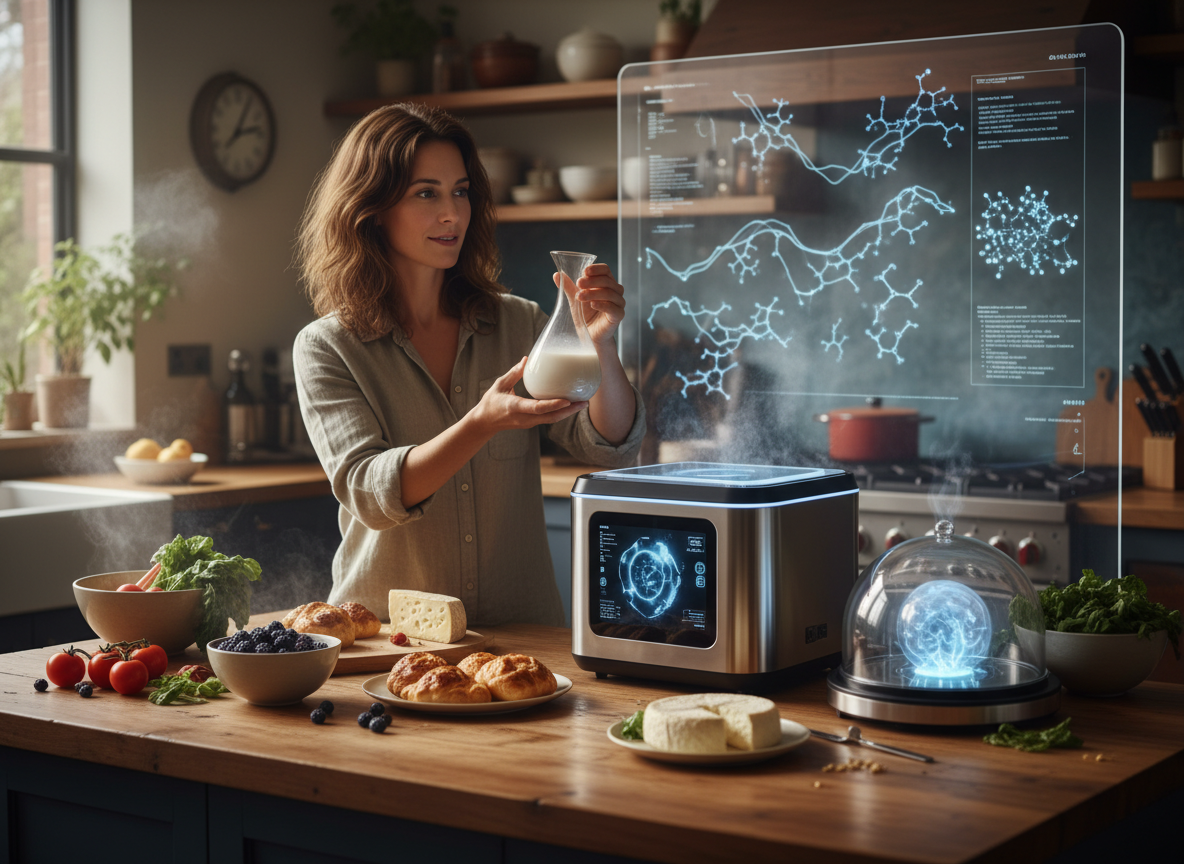
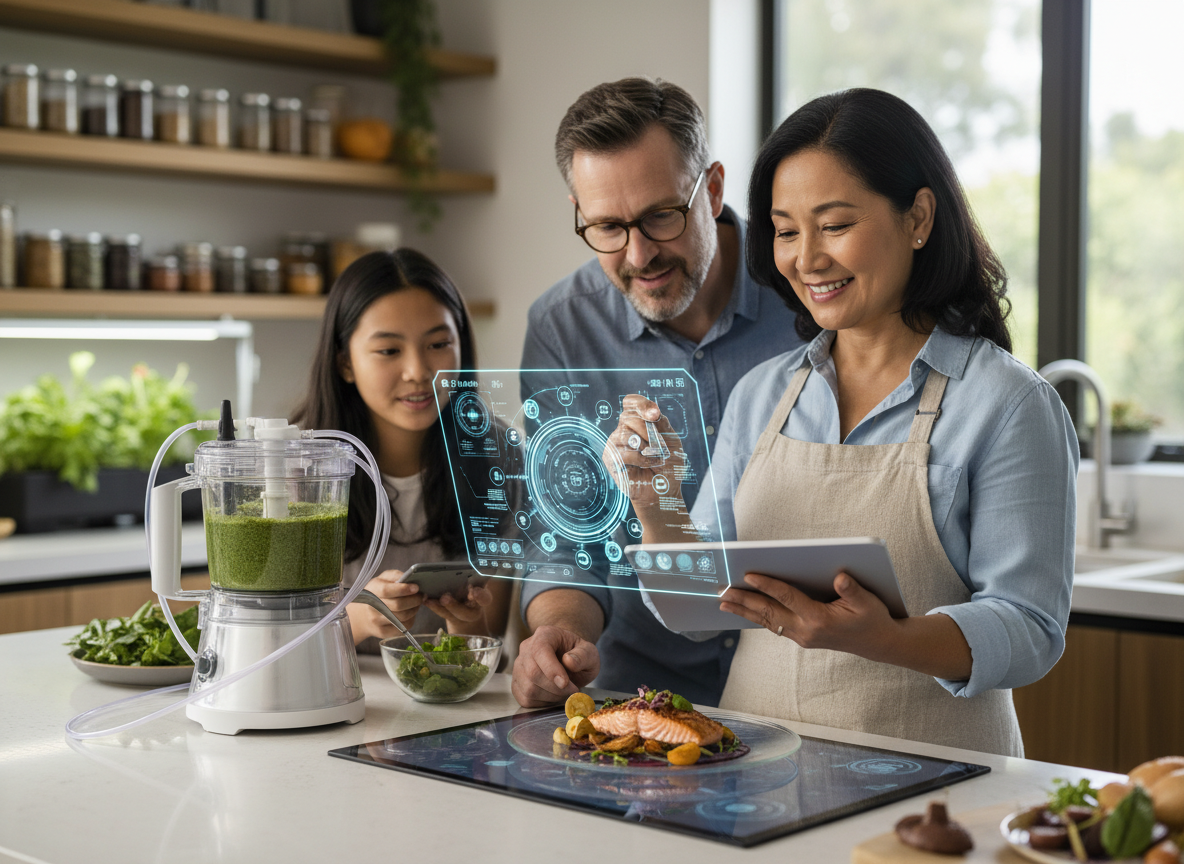
The core of this breakthrough lies in the integration of wearable biosensors that communicate with smart kitchen hubs. When a user selects a base protein or vegetable, the AI analyzes their current physiological state—including cortisol levels and glucose spikes—to recommend seasoning adjustments that promote metabolic balance. Professional chefs at the International Gastronomy Summit in Tokyo this morning hailed this as the 'end of the one-size-fits-all recipe era.' Instead of following a rigid set of instructions, cooks are now guided by dynamic 'flavor maps' that evolve as the cooking process progresses, ensuring that the final dish is perfectly tuned to the consumer's needs.
In addition to personal health optimization, the trend of neuro-gastronomy is revitalizing forgotten ingredients and ancient grains. By using AI to identify complex chemical compounds in rare plants, the 2026 food movement is bringing biodiversity back to the dinner table. Scientists have discovered that certain underutilized heritage grains from the Andean highlands possess unique aromatic precursors that, when unlocked via specific heat cycles, can mimic the satisfaction of high-fat dairy. This allows for the creation of indulgent, creamy textures without the environmental footprint of traditional animal products, a major win for sustainability-focused home chefs.
The role of the 'Digital Sommelier' has also evolved significantly today. New updates to major smart-fridge ecosystems now include atmospheric scent emitters that prep the palate before a meal even begins. By releasing micro-doses of complementary volatile organic compounds, such as the scent of charred oak or fresh rosemary, these systems prime the digestive tract and enhance the perceived flavor of the food. This holistic approach to dining considers the environment, the aroma, and the biological readiness of the individual, proving that flavor is a multisensory construct rather than a simple tongue-based sensation.
Skeptics of AI-driven cooking initially feared that human intuition would be lost in the process. However, the data released this afternoon from the 2026 Culinary Arts Report suggests the opposite. By automating the technical complexities of flavor balancing, home cooks are feeling more empowered to experiment with bold, cross-cultural fusion. We are seeing a surge in 'Hyper-Local Fusion' recipes where the AI suggests traditional Japanese fermentation techniques applied to local Scandinavian berries, creating entirely new flavor profiles that were previously unimaginable to the amateur cook.
Sustainability is also a primary driver of these 2026 innovations. The new flavor mapping software includes a 'Zero-Waste Alchemy' mode, which instructs users on how to transform kitchen scraps like onion skins or broccoli stalks into high-impact flavor powders using ultrasonic dehydration. This shift is turning the average kitchen into a miniature laboratory where nothing is wasted. The AI calculates the exact molecular contribution of every scrap, ensuring that even the most humble ingredients are utilized to their maximum potential for depth and complexity in sauces and stocks.
Furthermore, the educational aspect of these platforms is democratizing high-end culinary skills. Through augmented reality (AR) overlays, users can see the 'thermal landscape' of their pans, receiving real-time guidance on the Maillard reaction. This ensures that every sear is perfect and every reduction is precise. By removing the guesswork from high-level techniques, 2026 is becoming the year that the 'Master Chef' experience becomes accessible to anyone with a smartphone and a passion for food. The barrier to entry for gourmet cooking has been permanently lowered by these intelligent systems.
As we look forward to the rest of 2026, the focus remains on the synergy between the human brain and the ingredients we consume. The neuro-gastronomy movement is not just about making food taste better; it is about understanding the deep-seated connection between our sensory perceptions and our overall well-being. Today's advancements prove that the future of food is personalized, sustainable, and deeply rooted in science. Whether you are a professional chef or a weekend hobbyist, the tools available today are transforming the kitchen into a space of endless discovery and holistic health.