


Quick Summary
- Phishing attacks are evolving with new tactics.
- Cybercriminals exploit social engineering more effectively.
- Awareness and training are critical for prevention.
- Technology solutions are key in combating phishing.
- 2026 sees a rise in targeted spear phishing attacks.
Phishing attacks in 2026 are more sophisticated than ever, with cybercriminals adopting advanced tactics to deceive individuals and organizations. As these threats evolve, understanding their mechanics is crucial for effective defense. Awareness and proactive measures are essential to combat this growing issue.
Recent reports indicate a significant rise in phishing incidents, prompting organizations to rethink their cybersecurity strategies. This shift underscores the urgency for both individuals and businesses to stay informed and vigilant against evolving threats.
Understanding Phishing Attacks in 2026
Phishing attacks are fraudulent attempts to obtain sensitive information by disguising as a trustworthy entity. In 2026, these attacks have become increasingly complex, often utilizing social engineering tactics that exploit human psychology. Cybercriminals are crafting emails and messages that appear legitimate, making it challenging for victims to recognize the deception.
According to the FBI's Internet Crime Complaint Center, phishing incidents accounted for a significant percentage of reported cybercrimes last year. The rise of remote work has further fueled this trend, as employees interact with various digital platforms without the usual security measures in place.
Recent Trends in Phishing Tactics
What are the latest phishing tactics?
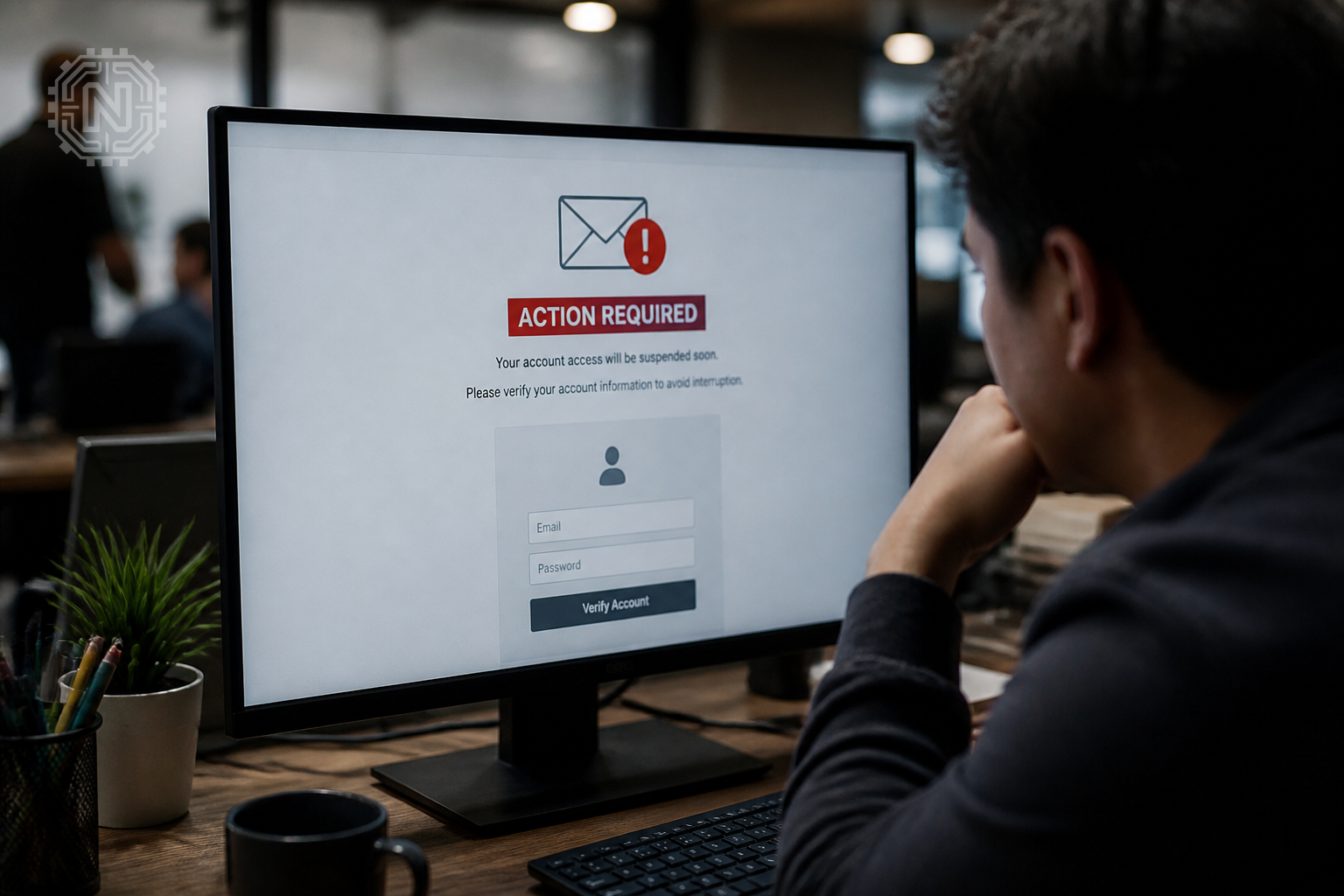
In 2026, phishing tactics have shifted towards more personalized and targeted approaches, known as spear phishing. Unlike traditional phishing, which casts a wide net, spear phishing focuses on specific individuals or organizations. Attackers often gather information from social media to craft convincing messages.
Additionally, the use of malware embedded in phishing emails has increased. This malware can steal credentials or install additional malicious software on victims' devices. As a result, cybersecurity experts emphasize the importance of robust email filtering systems and employee training.
The Role of Social Engineering in Phishing
How does social engineering enhance phishing attacks?
Social engineering plays a critical role in the success of phishing attacks. Cybercriminals leverage psychological manipulation to create a sense of urgency or fear, prompting victims to act quickly without verifying the source. For instance, an email may claim that a user's account will be suspended unless they verify their credentials immediately.
Organizations must implement comprehensive training programs to educate employees about these tactics. Regular simulations can help staff recognize suspicious emails and take appropriate action, such as reporting them to IT departments.
Protection Strategies Against Phishing
What measures can individuals take to protect themselves?
Individuals can take several proactive steps to safeguard against phishing attacks. First, always verify the sender's email address before clicking on links or downloading attachments. Additionally, using multi-factor authentication adds an extra layer of security, making it harder for attackers to gain access to sensitive accounts.
Employing security solutions like anti-phishing software can also help filter out malicious emails. Regularly updating passwords and using unique passwords for different accounts further minimizes the risk of compromise.
Implications for Businesses in 2026
How can businesses mitigate phishing threats?

For businesses, the implications of phishing attacks are significant. A successful attack can lead to data breaches, financial losses, and reputational damage. Companies should prioritize cybersecurity training for employees, ensuring they understand the risks and know how to respond effectively.
Implementing advanced email security solutions and regularly updating security protocols are critical steps. Furthermore, establishing a clear incident response plan can help organizations react swiftly to phishing attempts, minimizing potential damage.
The Future of Phishing Attacks
What does the future hold for phishing attacks?
As technology evolves, so do the tactics used in phishing attacks. The future may see an increase in AI-driven phishing schemes, where attackers utilize machine learning to craft more convincing messages. Staying informed about emerging threats and continuously adapting security measures will be essential for both individuals and organizations.
Engaging with cybersecurity communities and following updates from authorities like the Cybersecurity and Infrastructure Security Agency can help keep defenses current and effective.
Editorial Sources
Conclusion
Staying informed about phishing attacks in 2026 is crucial for both individuals and organizations. By understanding the tactics used by cybercriminals and implementing effective protective measures, it's possible to mitigate the risks associated with these ever-evolving threats.
Frequently Asked Questions
What are phishing attacks in 2026?
Phishing attacks in 2026 involve deceptive tactics used to trick individuals into revealing sensitive information like passwords or credit card numbers.
How can I recognize phishing attacks?
Look for suspicious emails or messages that request personal information, contain spelling errors, or use urgent language to create a sense of panic.
What are common types of phishing attacks in 2026?
Common types include email phishing, spear phishing, and SMS phishing (smishing), each targeting individuals or organizations in different ways.
How can I protect myself from phishing attacks?
Use multi-factor authentication, verify the sender's identity, and avoid clicking on links or downloading attachments from unknown sources.
What should I do if I fall victim to a phishing attack?
Immediately change your passwords, monitor your accounts for suspicious activity, and report the incident to your bank or IT department.
Are phishing attacks increasing in 2026?
Yes, phishing attacks are on the rise in 2026, with cybercriminals employing more sophisticated techniques to target victims.
What technologies help prevent phishing attacks?
Email filtering, anti-phishing software, and security awareness training for employees are effective technologies to mitigate phishing risks.
Can phishing attacks affect businesses?
Absolutely, phishing attacks can lead to data breaches, financial loss, and reputational damage for businesses of all sizes. For more on Cybersecurity, explore Newtechzy. You can also review our Privacy Policy and Cookie Policy, or learn more About us.
Related Topics
Want to learn more about protecting yourself from phishing? Explore our resources or get in touch with our cybersecurity experts today.
Start Your Journey Today!


