The landscape of personal finance is undergoing a seismic shift as artificial intelligence moves from simple automated spreadsheets to sophisticated hyper-personalized wealth management ecosystems. These advanced AI platforms are no longer just tracking expenses; they are actively predicting future cash flow needs based on granular spending patterns and real-time economic indicators. By leveraging machine learning, these tools can offer bespoke investment advice that was once the exclusive domain of high-net-worth individuals served by elite private banks. This democratization of high-end financial strategy is empowering a new generation of retail investors to navigate complex market conditions with unprecedented precision and confidence.
One of the most significant breakthroughs in this sector is the integration of predictive modeling for tax-loss harvesting and dividend reinvestment. AI-driven portfolios can now execute micro-trades throughout the trading day to capture tax efficiencies that human advisors might overlook. These systems analyze thousands of data points across global markets to identify the optimal moment for rebalancing, ensuring that the investor's risk profile remains aligned with their long-term objectives. As these algorithms become more refined, the gap between institutional-grade asset management and individual retail accounts continues to shrink, making wealth-building more accessible to the general public.
The rise of generative AI is also revolutionizing financial literacy by providing real-time, conversational insights into complex fiscal queries. Instead of sifting through dense annual reports or cryptic bank statements, users can now engage with AI assistants that synthesize data into actionable intelligence. These assistants can explain the impact of a Federal Reserve interest rate hike on a specific mortgage or calculate the long-term benefit of a Roth IRA conversion based on current tax legislation. This level of immediate, contextualized education is fostering a more informed consumer base that is less prone to the emotional pitfalls of market volatility.
Furthermore, hyper-personalized finance is extending into the realm of credit scoring and lending. Traditional credit metrics are being supplemented by alternative data analyzed through AI, allowing individuals with thin credit files to demonstrate their creditworthiness through consistent utility payments and gig-economy income streams. This shift is particularly impactful for the younger workforce and immigrants who may have been underserved by legacy banking systems. By moving toward a more holistic view of financial behavior, lenders can offer more competitive rates, while borrowers gain access to capital that was previously out of reach due to rigid and outdated scoring models.
Security and fraud prevention are also seeing massive upgrades through behavioral biometrics and AI-enhanced monitoring. Today's financial apps can detect anomalies in spending not just by the location of a transaction, but by the physical way a user interacts with their device. This layer of security provides peace of mind in an increasingly digital world where identity theft and phishing scams are becoming more sophisticated. By identifying patterns that deviate from a user's unique 'digital footprint,' these systems can freeze accounts or trigger verification prompts instantly, preventing losses before they occur and maintaining the integrity of the personal finance ecosystem.
The integration of Open Banking APIs has further accelerated this trend by allowing disparate financial accounts to communicate seamlessly within a single AI-driven interface. This 'single pane of glass' view of one's financial life enables the AI to identify redundant subscriptions, suggest lower-interest debt consolidation options, and even automate savings transfers when a surplus is detected. The result is a frictionless experience where the 'heavy lifting' of money management is handled by software, leaving the user to focus on higher-level strategic decisions rather than the minutiae of daily bookkeeping.
Sustainable and ethical investing is another area where AI is making a profound impact. New platforms allow investors to apply highly specific ESG (Environmental, Social, and Governance) filters that align with their personal values without sacrificing returns. AI algorithms can scan vast amounts of corporate filings and news reports to verify a company's claims about its carbon footprint or labor practices, providing a level of transparency that was previously impossible. This allows for 'values-based' investing that is truly data-driven, ensuring that an individual's capital is contributing to the causes they care about while still achieving growth.
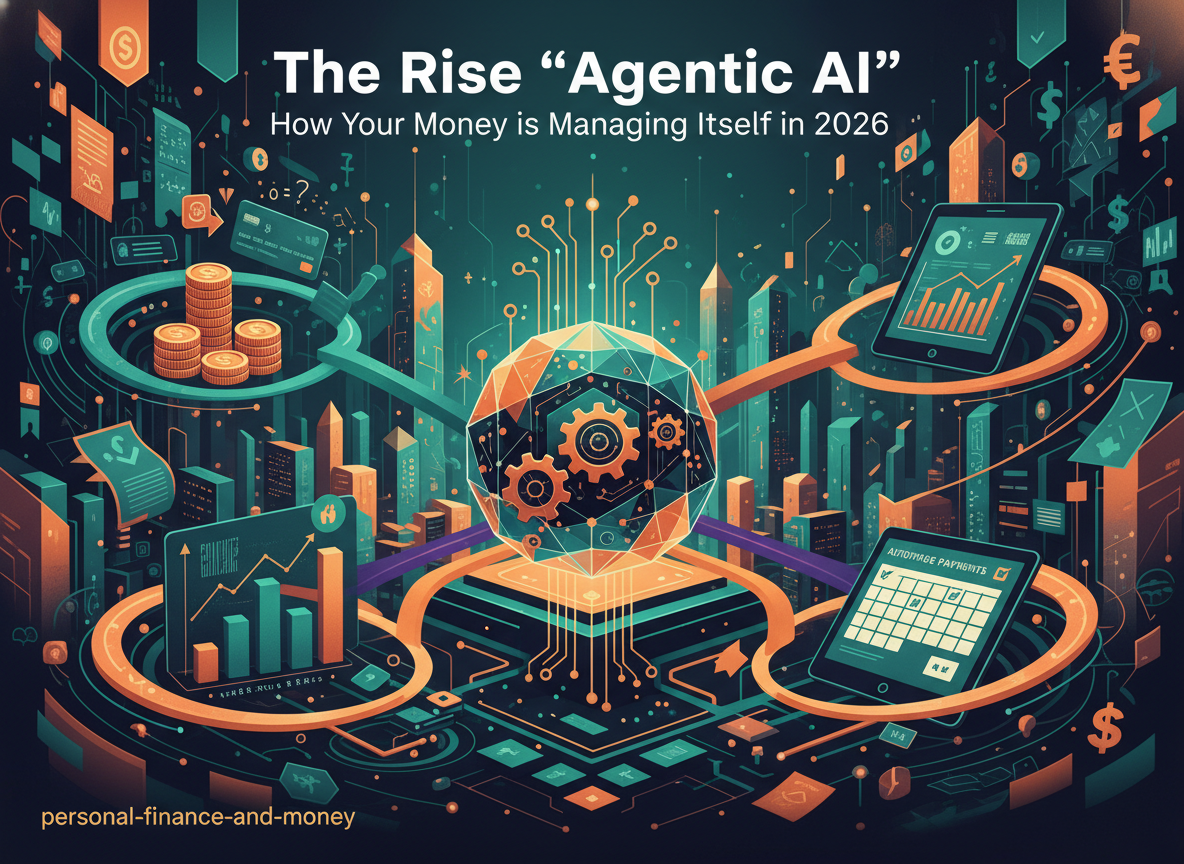
As we look toward the future, the convergence of AI and personal finance suggests a move toward 'autonomous finance,' where our money manages itself based on predefined rules and goals. Imagine a system that automatically negotiates your cable bill, optimizes your insurance premiums, and allocates your paycheck into various buckets before you even see the balance. While this level of automation requires a high degree of trust, the efficiency gains and the reduction in human error represent a massive leap forward in the quest for financial freedom and long-term stability for households worldwide.