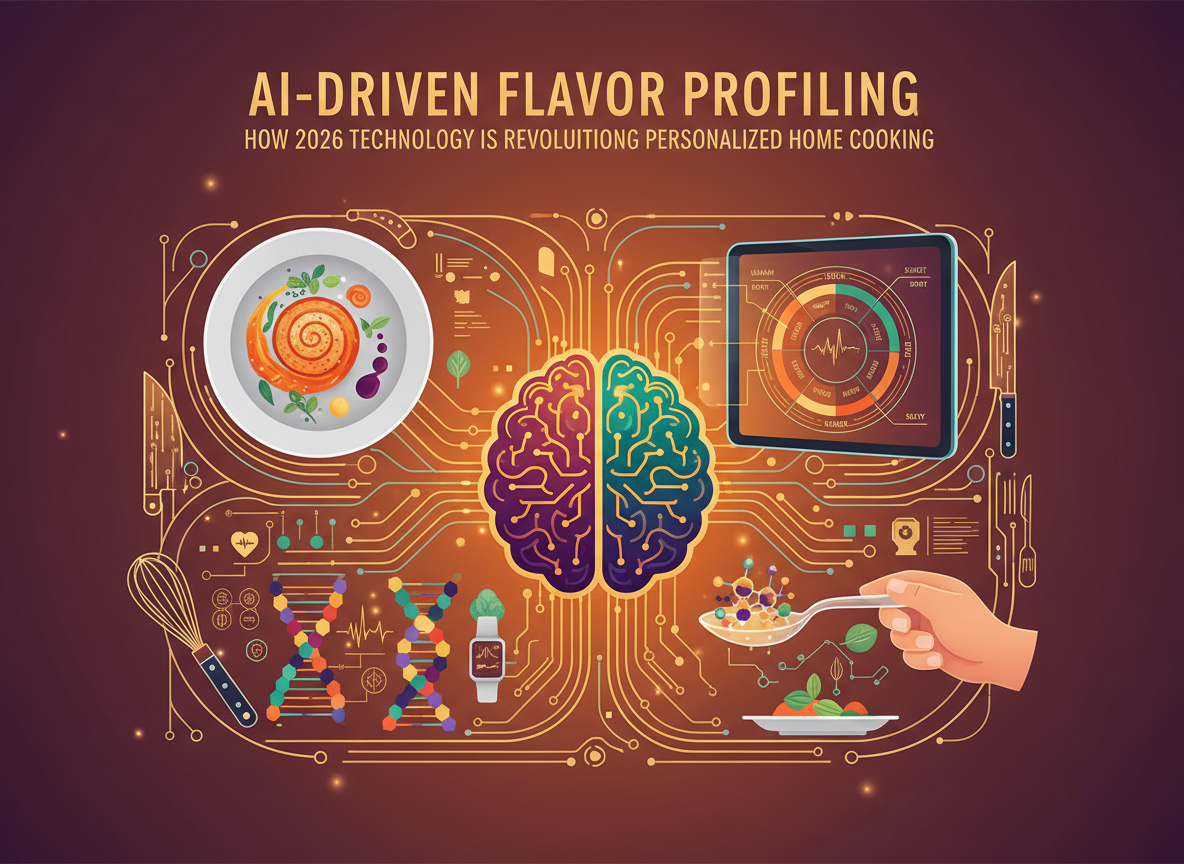
The culinary landscape in early 2026 has been fundamentally transformed by the integration of Generative AI and biometric data, moving beyond simple recipe searches to hyper-personalized flavor mapping. Modern AI assistants are no longer just suggesting what to cook based on what's in your fridge; they are now analyzing your 'taste fingerprint,' a unique profile derived from your genetic predisposition to certain flavors like bitterness or sweetness. This technology, often referred to as 'Nutrigenomic Flavoring,' ensures that every meal is optimized not just for your nutritional needs, but for your specific sensory satisfaction, making bland healthy food a thing of the past.
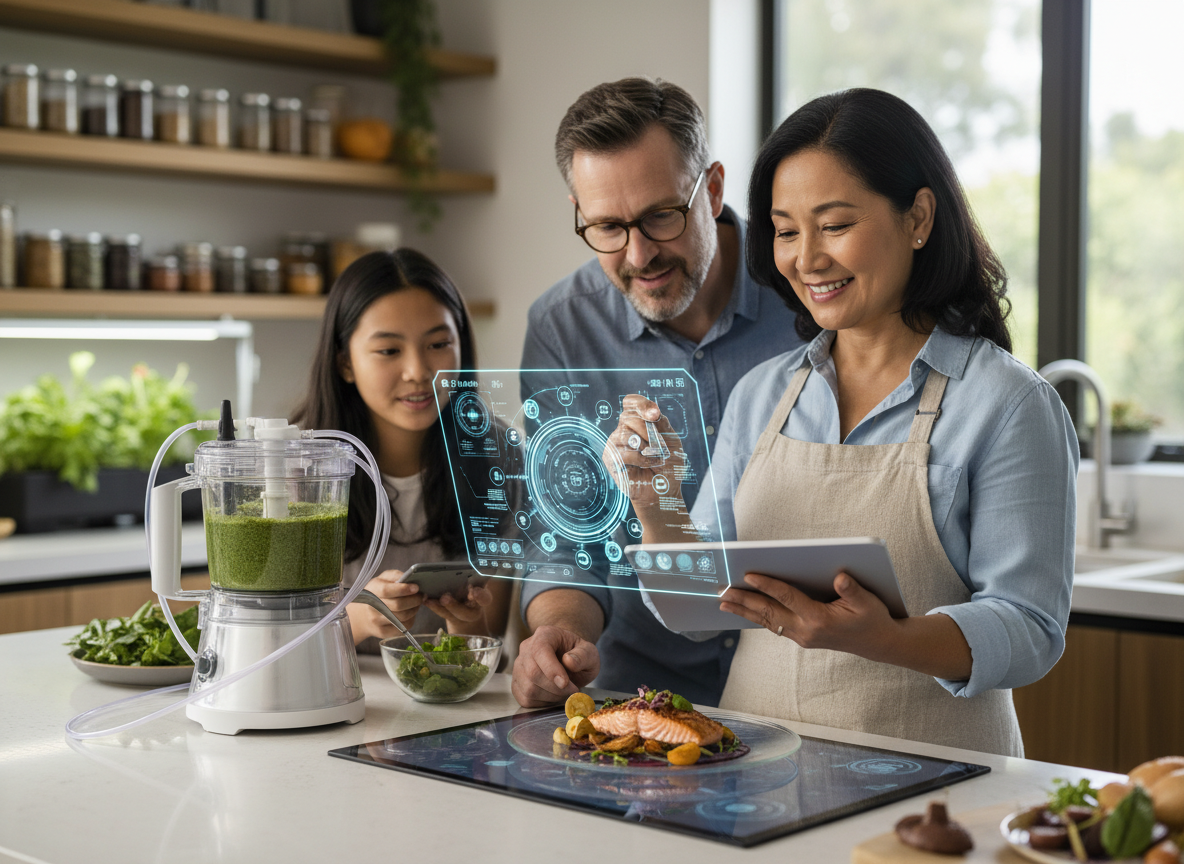
As of March 2026, the 'FlavorTwin' protocol has become the industry standard, allowing users to sync their wearable health devices with their smart ovens and countertop appliances. This ecosystem tracks your daily micronutrient intake and cortisol levels, then adjusts recipe recommendations to include ingredients that might mitigate stress or boost energy. For example, if your device detects a magnesium deficiency after a long workout, your AI sous-chef will suggest a dark chocolate and roasted almond tart with a hint of sea salt, perfectly balanced to satisfy your cravings while restoring your body's balance.
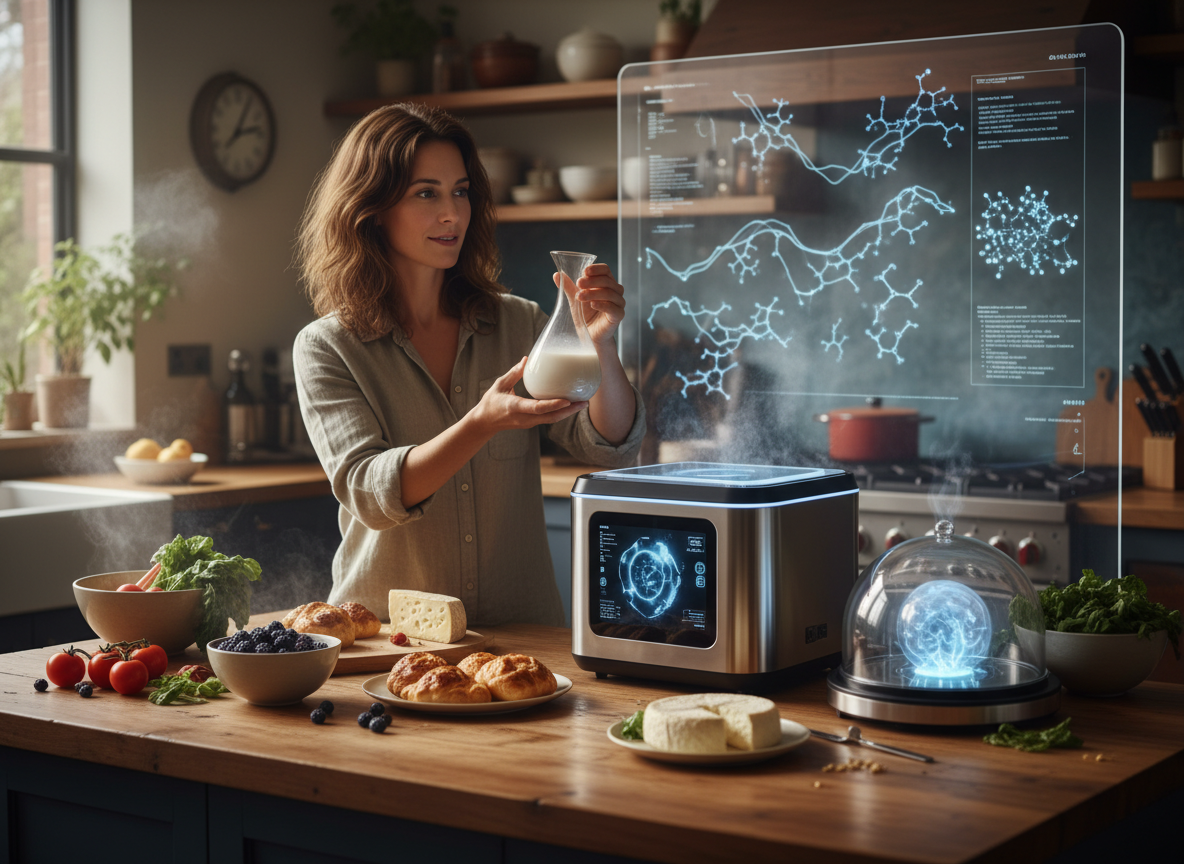
Professional chefs are also jumping on the AI bandwagon, using these tools to create 'impossible pairings' that humans might never consider. By analyzing the molecular structure of ingredients, AI has discovered that certain types of fermented blue cheese share volatile aromatic compounds with white chocolate and toasted nori. These avant-garde combinations are now appearing on the menus of Michelin-starred restaurants across the globe, challenging our traditional understanding of flavor harmony and pushing the boundaries of what we consider edible art in the mid-2020s.
The rise of the 'Smart Pantry' in 2026 has further streamlined this process. These connected storage systems use computer vision to monitor the freshness and quantity of your ingredients in real-time. When an ingredient is nearing its expiration date, the AI generates a 'rescue recipe'—a zero-waste meal designed to use that specific item in a way that aligns with your current dietary goals. This has led to a significant 30% reduction in household food waste in urban centers, as consumers are empowered to use every scrap of food they purchase with professional-level guidance.
In the realm of social media, 'Flavor Challenges' have replaced traditional cooking videos. Influencers are now sharing their 'Bio-Recipe Codes'—short strings of data that followers can plug into their own AI kitchens to experience a dish exactly as the creator intended, adjusted for their own kitchen's specific heat and humidity levels. This level of digital-to-physical recipe translation has bridged the gap between professional kitchens and home cooks, allowing anyone with the right technology to replicate a three-star meal with uncanny precision and ease.
Privacy concerns regarding this data have also sparked a new wave of 'Private Palate' regulations in 2026. As companies collect more information about our biological responses to food, the industry has had to implement strict blockchain-based encryption to ensure that your dietary habits and health markers aren't sold to third-party advertisers. This shift toward ethical data management in the food-and-recipe space has built a new level of trust between consumers and tech providers, encouraging even more people to adopt these advanced cooking solutions.
The educational aspect of food has also seen a massive upgrade. Instead of static cookbooks, students of the culinary arts are using augmented reality (AR) glasses that overlay heat maps and cutting guides directly onto their ingredients. The AI monitors their technique in real-time, providing haptic feedback or visual cues if they are over-searing a scallop or under-kneading dough. This 'interactive apprenticeship' is democratizing high-end culinary skills, making techniques like sous-vide, fermentation, and molecular gastronomy accessible to the average weekend hobbyist.
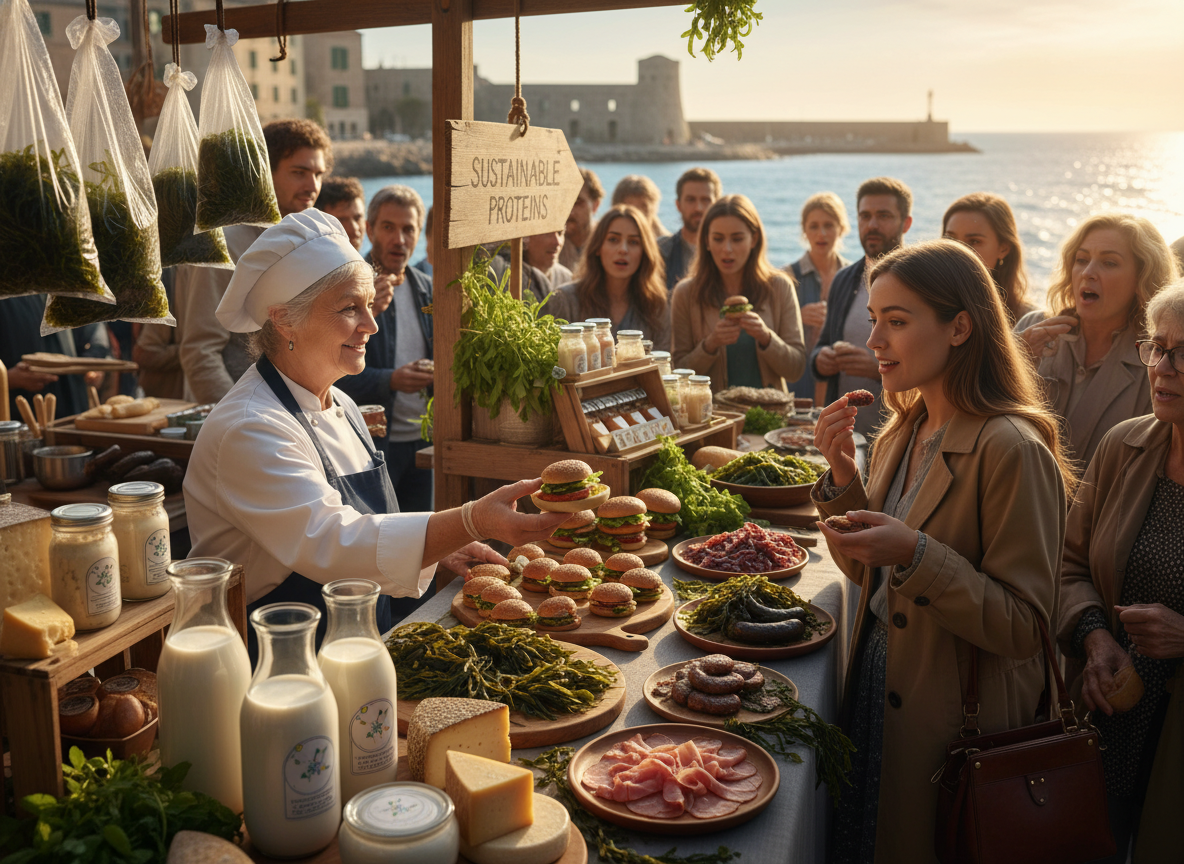
Looking forward to the rest of 2026, the trend shows no signs of slowing down. We are seeing the emergence of 'Community Flavor Clouds,' where entire neighborhoods can pool their biometric and pantry data to create collective meal plans that support local farmers and seasonal harvests. This synthesis of high technology and community-driven sustainability is creating a more resilient and flavorful food system, proving that the future of recipes isn't just about what we eat, but how we use data to connect more deeply with our food and each other.