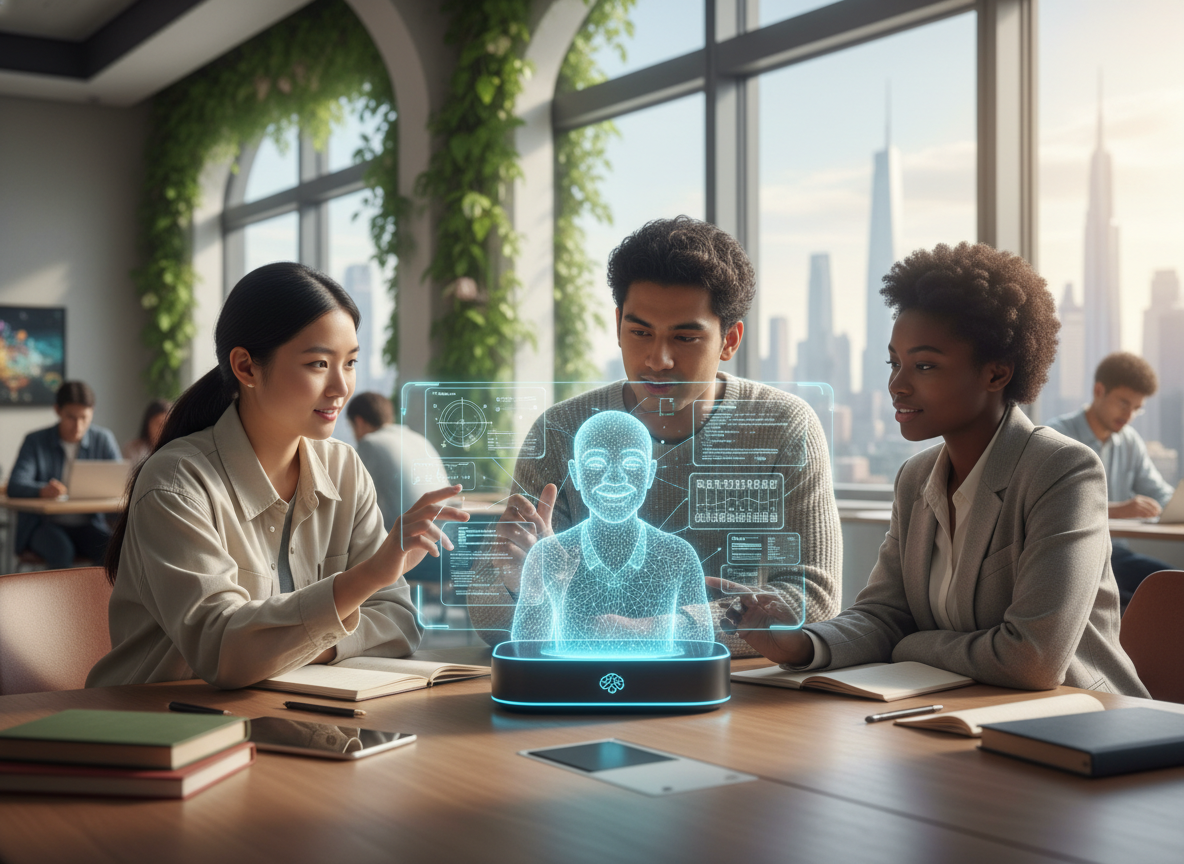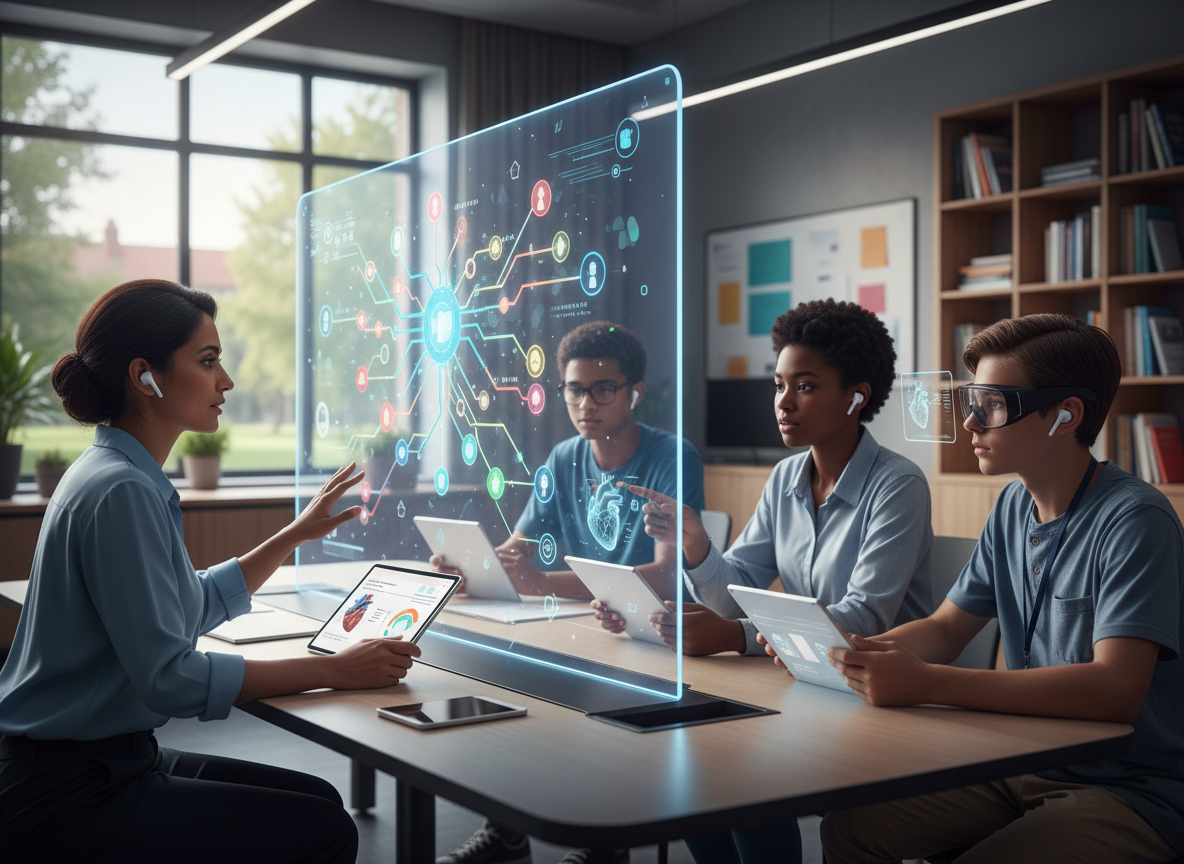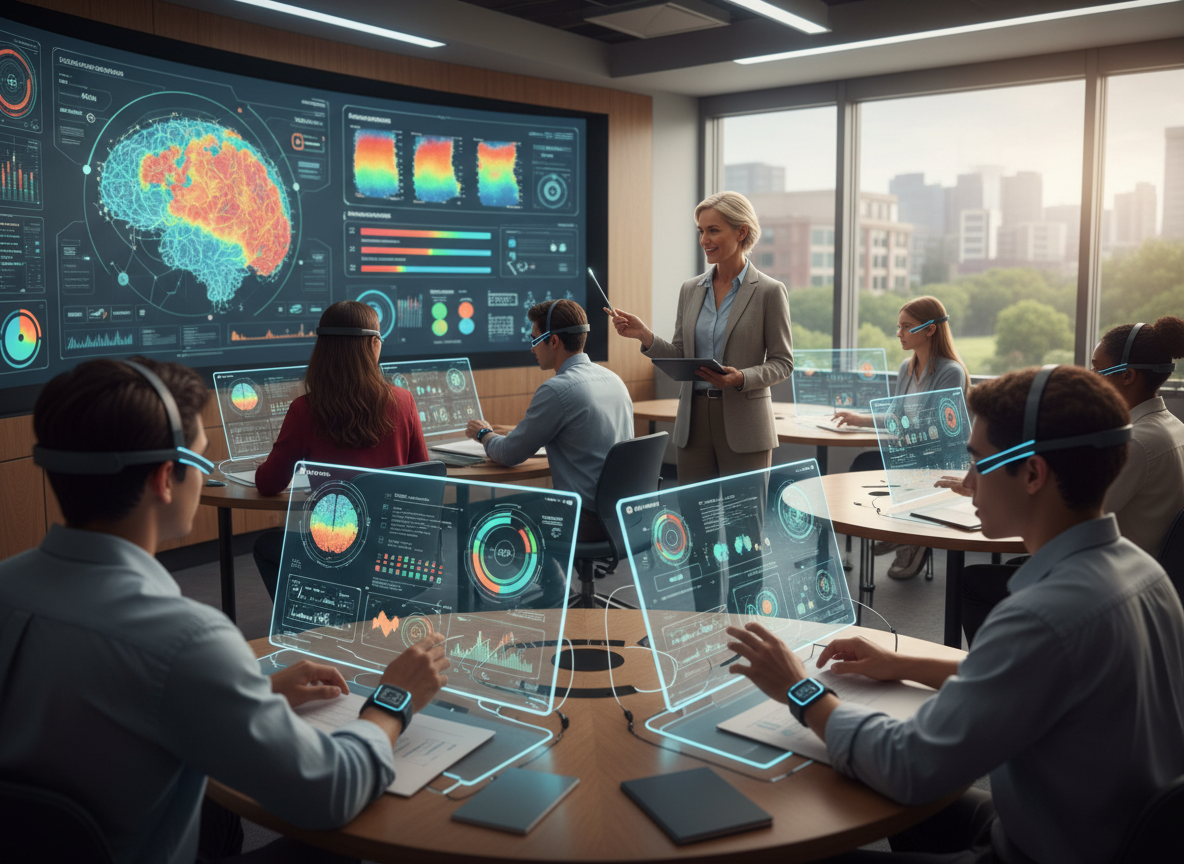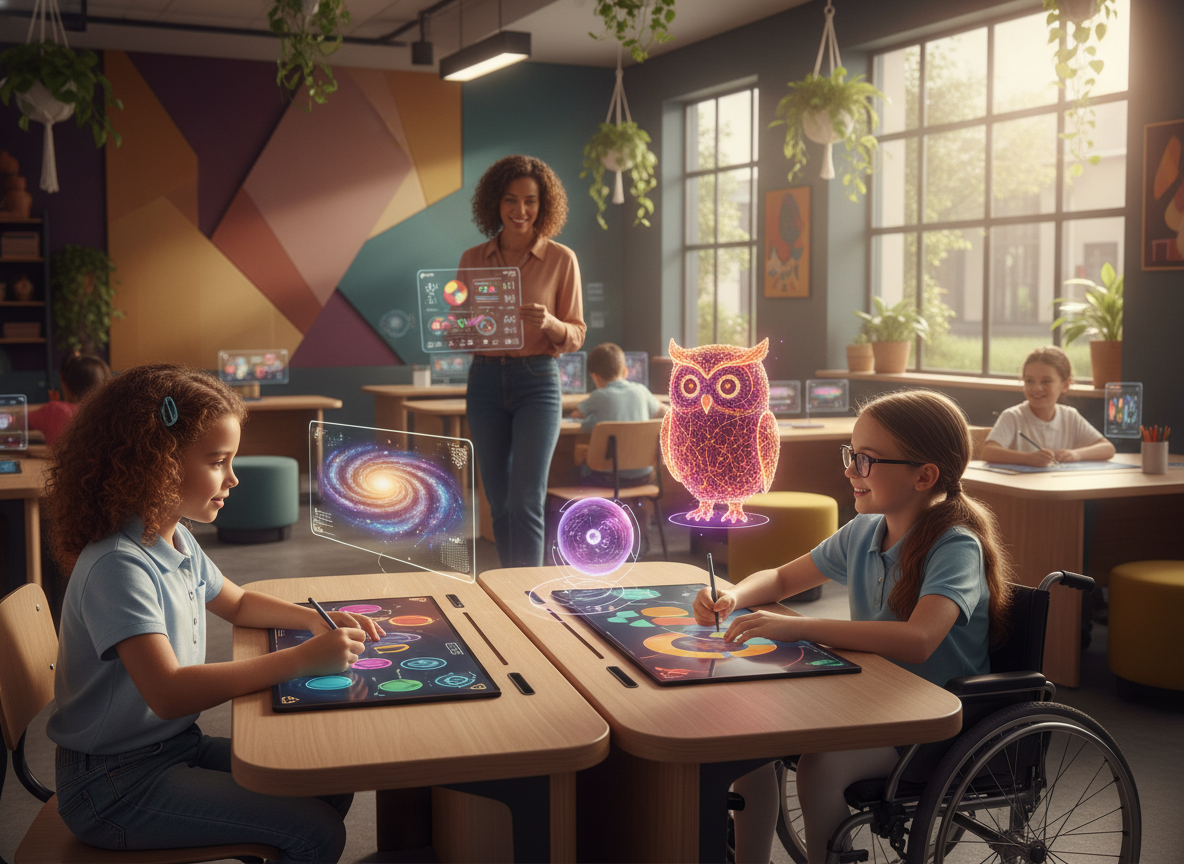
As we enter the second quarter of 2026, the landscape of primary and secondary education has undergone a radical transformation through the integration of AI co-teachers. These are not merely chatbots but sophisticated pedagogical agents capable of understanding student emotions, cognitive loads, and individual learning styles in real-time. By leveraging multimodal data, these systems assist human educators by managing repetitive tasks and providing instantaneous feedback to students, ensuring that no child is left behind in a crowded classroom setting.
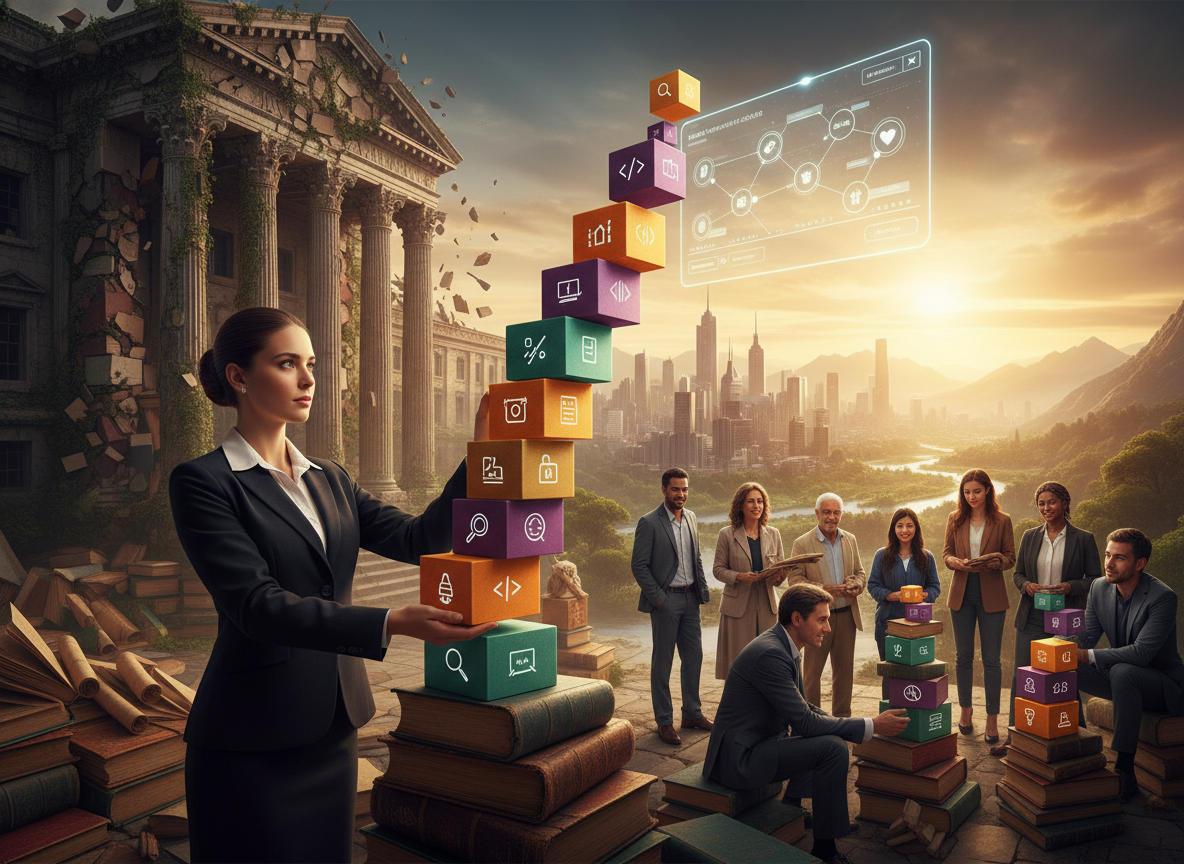
The primary breakthrough this year involves the 'Contextual Synergy' update, which allows AI tutors to synchronize with the local curriculum and a student’s historical performance data. This means if a student struggles with a specific algebraic concept, the AI doesn't just provide the answer; it identifies the underlying gap in foundational knowledge—perhaps a misunderstanding of fractions from a previous year—and generates a targeted mini-tutorial. This level of precision was previously impossible for a single human teacher managing thirty unique individuals.
Professional development for teachers has also pivoted to focus on 'AI Orchestration.' Educators are now trained to act as mentors and social facilitators rather than primary content deliverers. This shift has led to higher job satisfaction among teachers, who report feeling more connected to their students' emotional and social well-being. The AI handles the data-driven heavy lifting, while the human teacher focuses on critical thinking, ethics, and collaborative project-based learning that requires a human touch.
From a technical standpoint, the 2026 generation of educational AI utilizes 'Local-Edge Computing' to ensure student privacy. Unlike earlier models that sent data to the cloud, modern classroom AI processes sensitive interactions locally within the school's secure network. This advancement has successfully mitigated the privacy concerns that plagued the early 2020s, allowing for a safer and more ethical implementation of predictive analytics in the learning environment.
Accessibility has seen a massive boost as well. For students with disabilities, AI co-teachers provide real-time sign language interpretation, text-to-speech for the visually impaired, and simplified language structures for those with neurodivergent needs. These features are no longer 'add-ons' but integrated core functions of the learning platform. As of April 2026, over 40% of public schools in the United States have adopted these inclusive technologies, closing the achievement gap significantly.
The impact on global education is equally profound. In developing regions, mobile-first AI tutors are providing high-quality STEM education where physical schools are scarce. These 'Pocket Academies' work offline and sync periodically, offering high-level tutorials in local dialects. This democratization of knowledge is fostering a new generation of global innovators who previously lacked access to formal education, proving that technology can be the ultimate equalizer.
However, the transition hasn't been without challenges. Critics point to the 'Algorithmic Bias' incident of late 2025, where certain learning paths were found to be culturally insensitive. In response, the Global Education Alliance (GEA) established new transparency standards in March 2026. Now, all educational AI models must undergo rigorous 'Cultural Audits' before being deployed in schools, ensuring that the content is representative and inclusive of all backgrounds and perspectives.
Looking forward, the integration of AI in education is moving toward 'Lifelong Learning Companions.' Imagine an AI that follows a student from kindergarten through university, evolving its teaching style as the student matures. While still in the experimental phase, the pilot programs launched today, April 1, 2026, suggest that the future of education is not just about what we learn, but how we are supported throughout our entire lives by intelligent, adaptive systems.