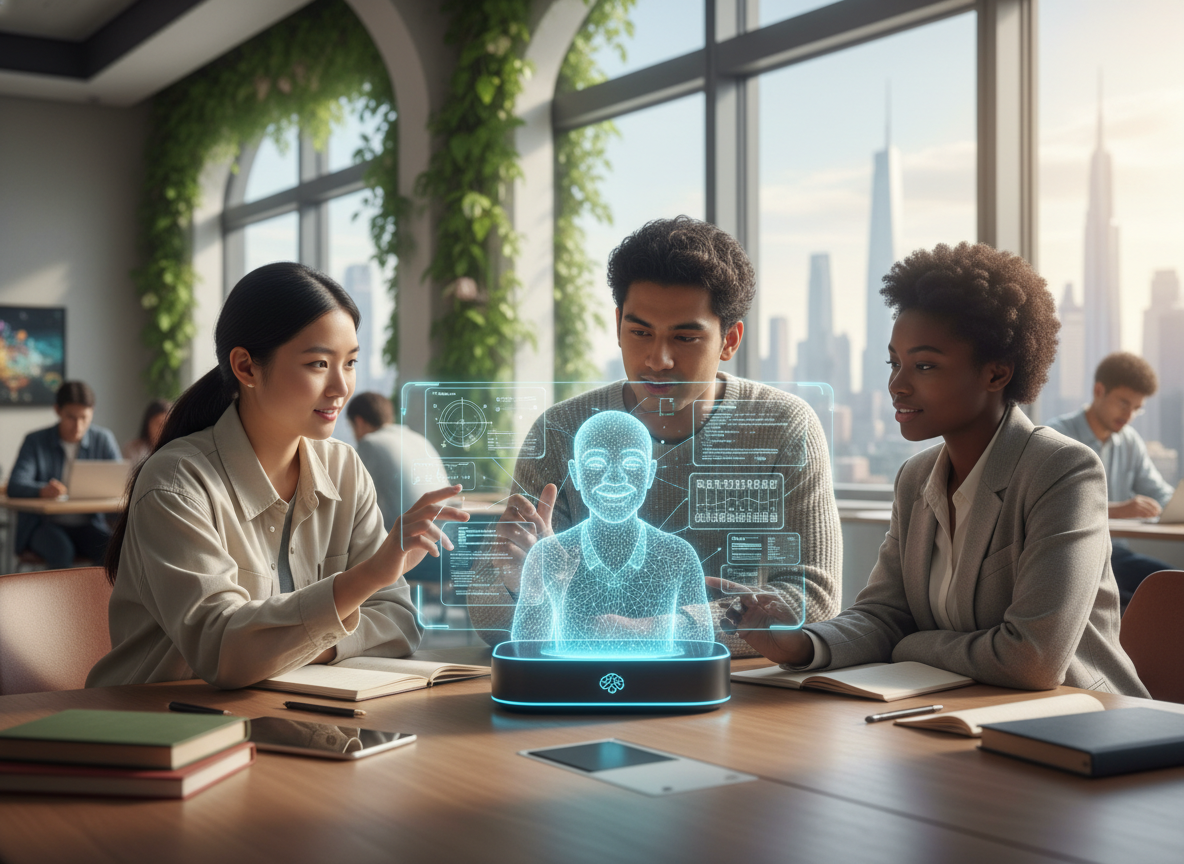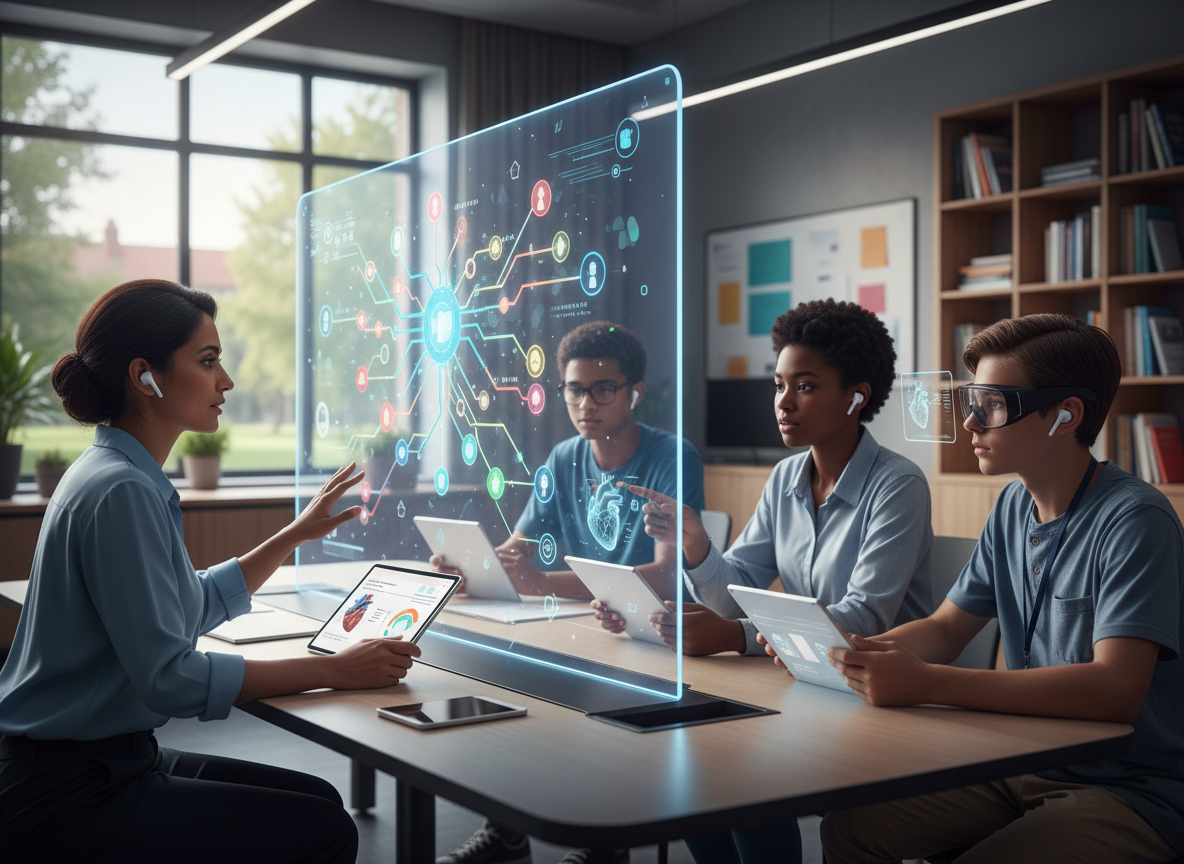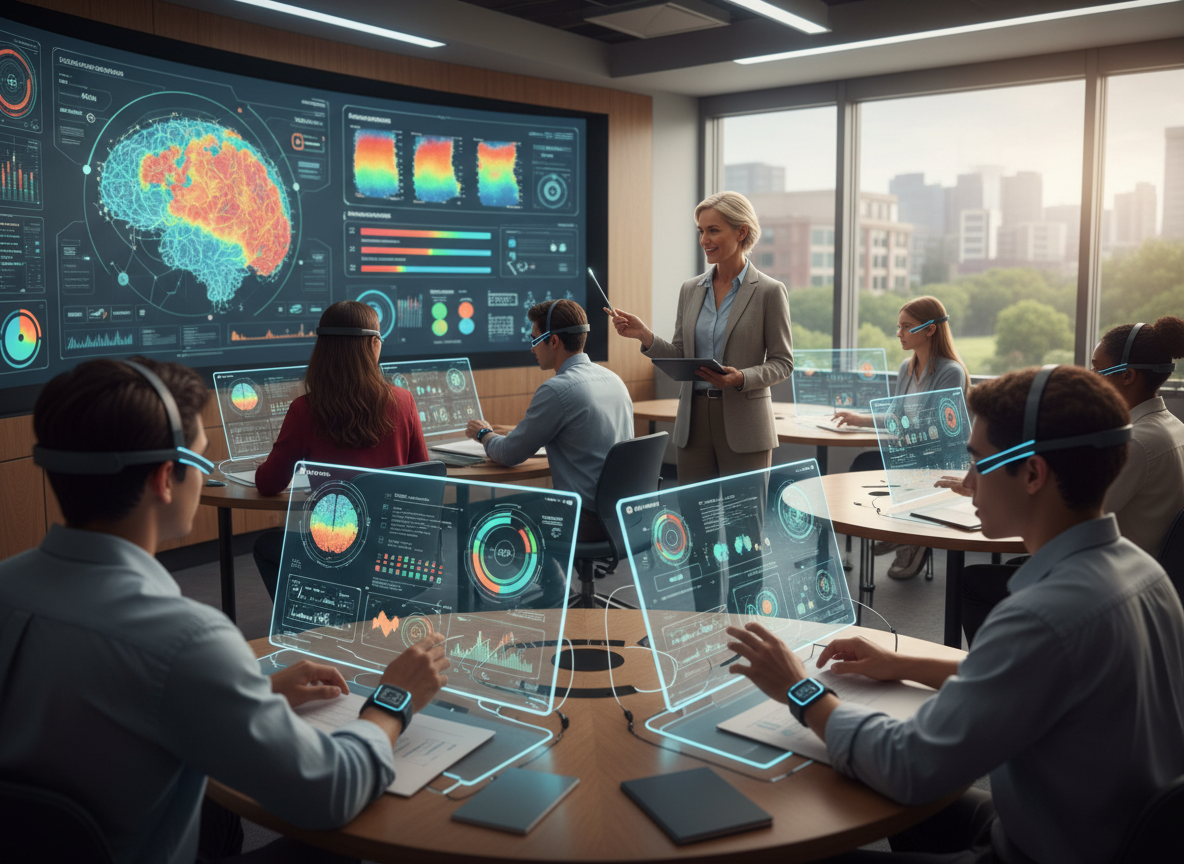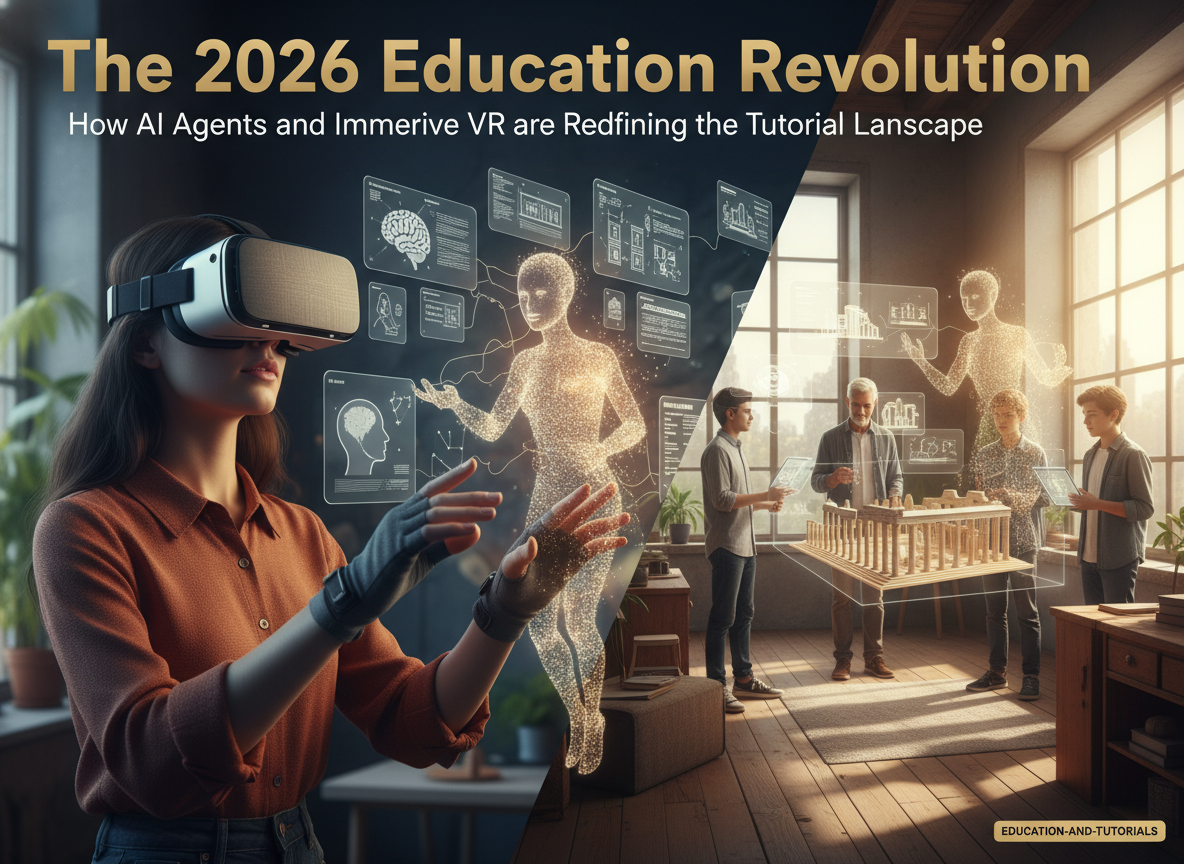
As we enter the second quarter of 2026, the landscape of education and tutorials has undergone a seismic shift that few could have fully predicted just three years ago. The 'one-size-fits-all' model of standardized education is effectively being dismantled in favor of hyper-personalized learning environments. This revolution is driven by the maturation of generative AI and its evolution into sophisticated 'AI Learning Agents' that act as 24/7 personal tutors for students of all ages. These agents don't just answer questions; they analyze a learner's cognitive pace, emotional state, and previous knowledge gaps to curate a bespoke curriculum in real-time, ensuring that mastery is achieved before moving to the next level of complexity.
The integration of AI-driven personalization has become the new gold standard for online tutorials and corporate training programs. In 2026, the most successful platforms have moved beyond static video lessons to 'Adaptive Narrative Learning.' This technology allows a tutorial to physically change its delivery method based on the user's interaction. For instance, if a student struggles with a mathematical concept presented visually, the AI instantly switches to a kinesthetic simulation or a linguistic analogy. This level of adaptability has seen a documented 40% increase in information retention across STEM subjects compared to the traditional tutorial formats of the early 2020s.
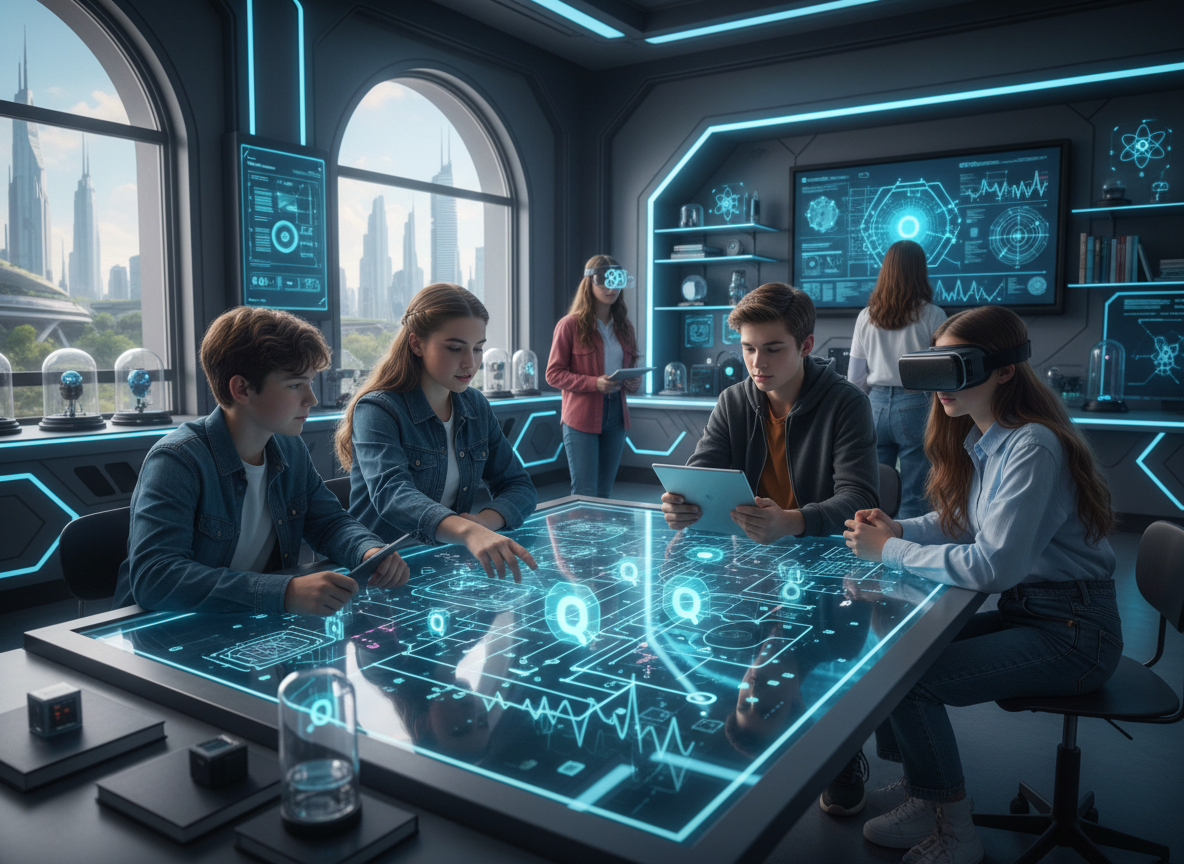
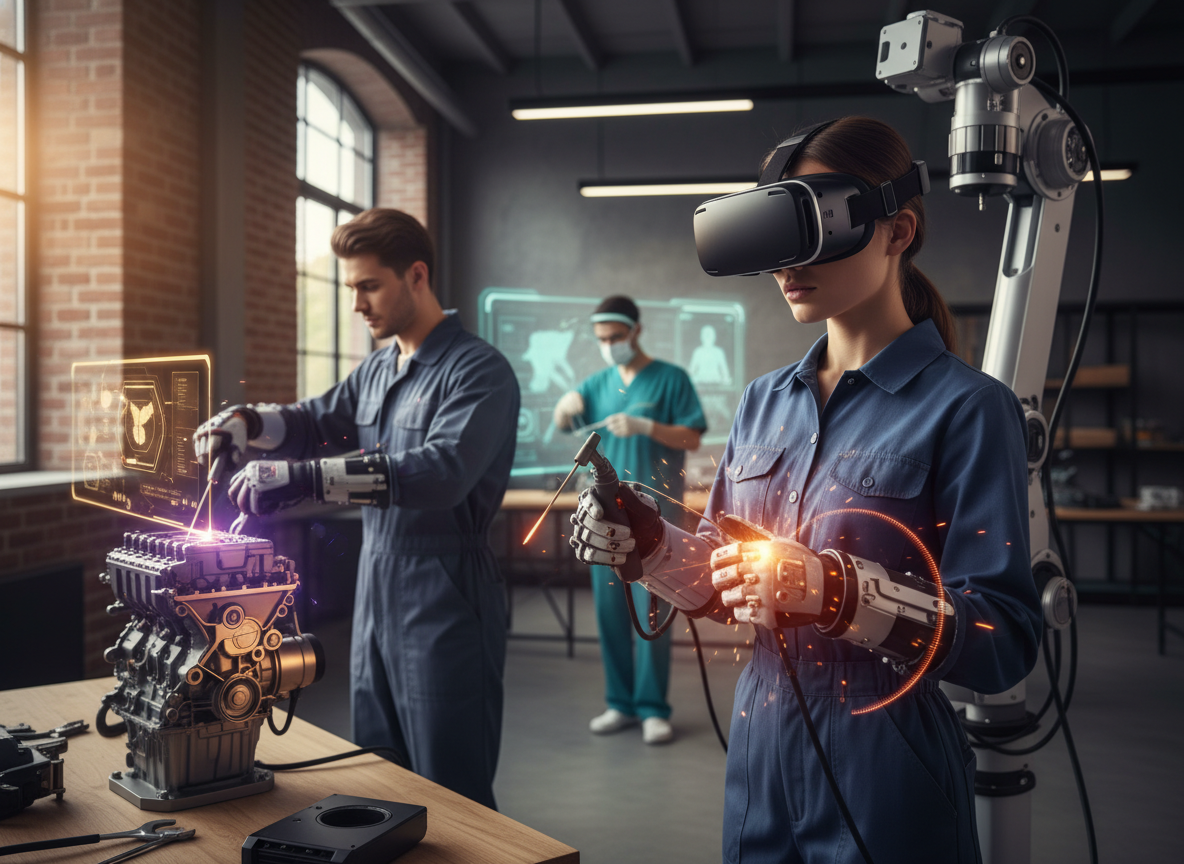
Immersive technology has also moved from the fringes to the mainstream, with Virtual Reality (VR) and Augmented Reality (AR) headsets now as common in classrooms as tablets once were. On this first day of April 2026, school districts and professional certification bodies are increasingly utilizing 'Virtual Labs' to provide hands-on experience without the overhead of physical materials. Whether it is a medical student performing a simulated surgery in a risk-free digital environment or an engineering apprentice deconstructing a holographic jet engine, immersive tutorials are bridging the gap between theoretical knowledge and practical skill like never before. These simulations provide instant, data-backed feedback, allowing learners to refine their techniques in high-stakes fields with unprecedented precision.
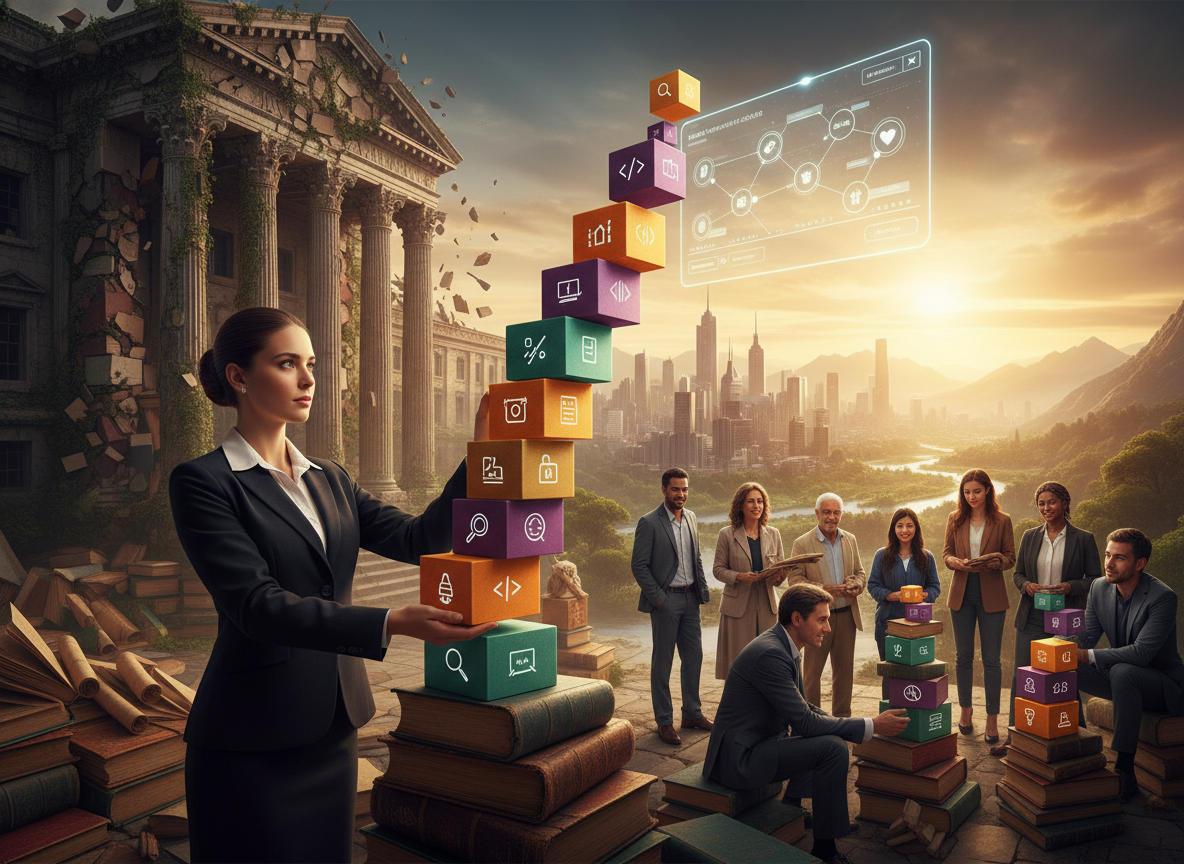
A significant development in 2026 is the mainstream adoption of blockchain-verified micro-credentials, which are rapidly challenging the dominance of traditional four-year degrees. The 'Skills Crunch' of the mid-2020s has forced employers to look beyond diplomas and toward specific, verifiable competencies. Educational tutorials now often culminate in a digital badge or a 'Skill-Token' anchored to a decentralized ledger. This ensures that a learner's proficiency in a specific niche—such as 'Prompt Engineering for Bio-Tech' or 'Neural-Network Architecture'—is immutable, portable, and instantly verifiable by global recruiters, creating a more fluid and meritocratic labor market.
The role of the educator has also been fundamentally reimagined in this new era. Teachers are no longer primarily lecturers or dispensers of information; instead, they have transitioned into 'Learning Architects' and mentors. By offloading administrative tasks, grading, and basic instructional delivery to AI co-pilots, educators can focus on the 'Human-Centric' aspects of learning. In 2026, tutorial sessions led by humans emphasize critical thinking, ethical reasoning, and social-emotional intelligence—skills that remain uniquely human. This shift has not only improved student outcomes but has also addressed the chronic teacher burnout that plagued the previous decade.
Artificial Intelligence literacy has become a foundational pillar of the 2026 curriculum, starting as early as primary school. Governments and educational boards have recognized that understanding how to navigate, query, and ethically manage AI is as essential as traditional literacy and numeracy. Current tutorials focus heavily on 'AI Governance' and 'Data Ethics,' teaching students how to distinguish between AI-generated misinformation and verified data. This focus on digital citizenship is a direct response to the explosion of synthetic media, ensuring that the next generation of learners is equipped to maintain human agency in an increasingly automated world.
Data privacy and security have become the primary battlegrounds for EdTech providers in 2026. Following major federal updates to the Children's Online Privacy Protection Rule (COPPA) and international frameworks like the OECD Digital Education Outlook, educational platforms are now required to provide 'Radical Transparency.' Learners and parents in 2026 have full sovereignty over their 'Knowledge Graphs'—the data sets that track their learning progress. Tutorials now incorporate built-in privacy controls that allow users to 'anonymize' their learning data while still benefiting from AI personalization, striking a delicate balance between technological utility and personal security.
Looking ahead at the remainder of 2026, the trend of 'Lifelong Learning' has transitioned from a buzzword to a survival necessity. The pace of technological change means that the average professional now engages in 'Micro-Tutorials' for at least five hours a week to keep their skills current. The 'Education-as-a-Service' (EaaS) model has emerged, where individuals subscribe to curated learning streams that evolve with their career paths. As we witness these developments on April 1, 2026, it is clear that the fusion of human ingenuity and machine intelligence has created an era of limitless educational potential, where the only barrier to knowledge is one's own curiosity.