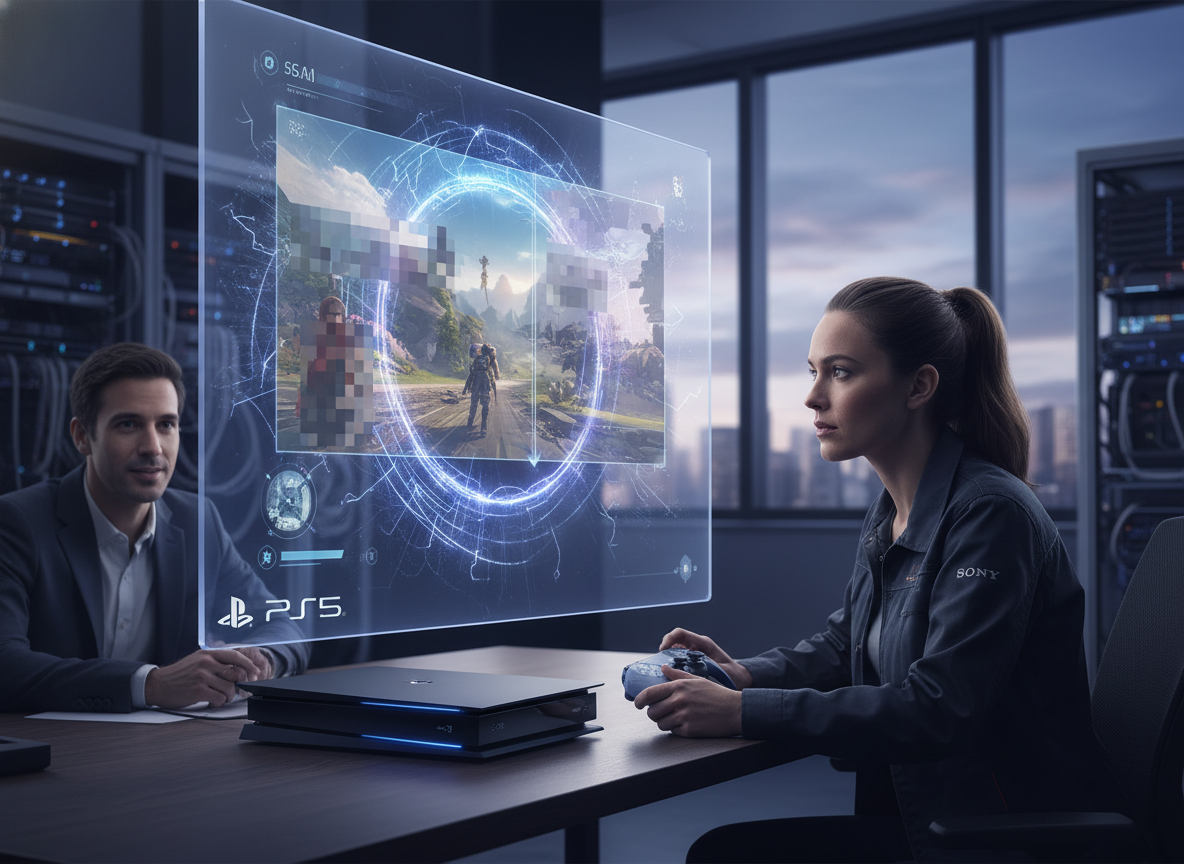
The gaming landscape has reached a pivotal moment today, April 10, 2026, as Sony Interactive Entertainment officially rolled out the PS6 System Software Update 2.0. This isn't just a routine patch; it represents a fundamental shift in how the PlayStation 6 utilizes its custom neural processing units to handle real-time game data. After months of beta testing, the global rollout promises to unlock latent power within the console's architecture, specifically targeting ray-tracing stability and asset streaming speeds that were previously bottlenecked by traditional software protocols.
At the heart of this update is the debut of PlayStation Spectral Super Resolution (PSSR) 3.0. This proprietary AI upscaling technology has been overhauled to support 8K resolution at a consistent 60 frames per second, or 4K at a blistering 144Hz for supported displays. Unlike its predecessors, PSSR 3.0 utilizes deep-learning algorithms to predict frame data, effectively eliminating the ghosting artifacts that plagued earlier iterations of temporal upscaling. This allows developers to push visual fidelity further without sacrificing the fluidity that modern competitive gaming demands.
Another groundbreaking feature introduced in the 2.0 update is the 'Neural-Sync' audio engine. By leveraging the PS6's dedicated AI cores, the console can now map 3D spatial audio based on the player's specific ear shape and room acoustics via the DualSense Edge 2 controller’s integrated microphones. This level of personalization creates a soundstage so immersive that players have reported being able to pinpoint enemy movements in tactical shooters with pinpoint accuracy, effectively bridging the gap between high-end studio setups and standard home hardware.
Sony has also addressed the long-standing request for a more modular User Interface. The new 'Nexus Dashboard' allows for dynamic widgets that update in real-time, showing live game stats, friend activity, and even picture-in-picture streams of community-run tournaments. The UI is now fully rendered in HDR10+, ensuring that the transition from the home screen to a cinematic gaming experience is visually seamless. Furthermore, the integration of 'Direct-Play 2.0' reduces cold-boot times for major titles to under three seconds, making the 'instant-on' promise of next-gen a literal reality.
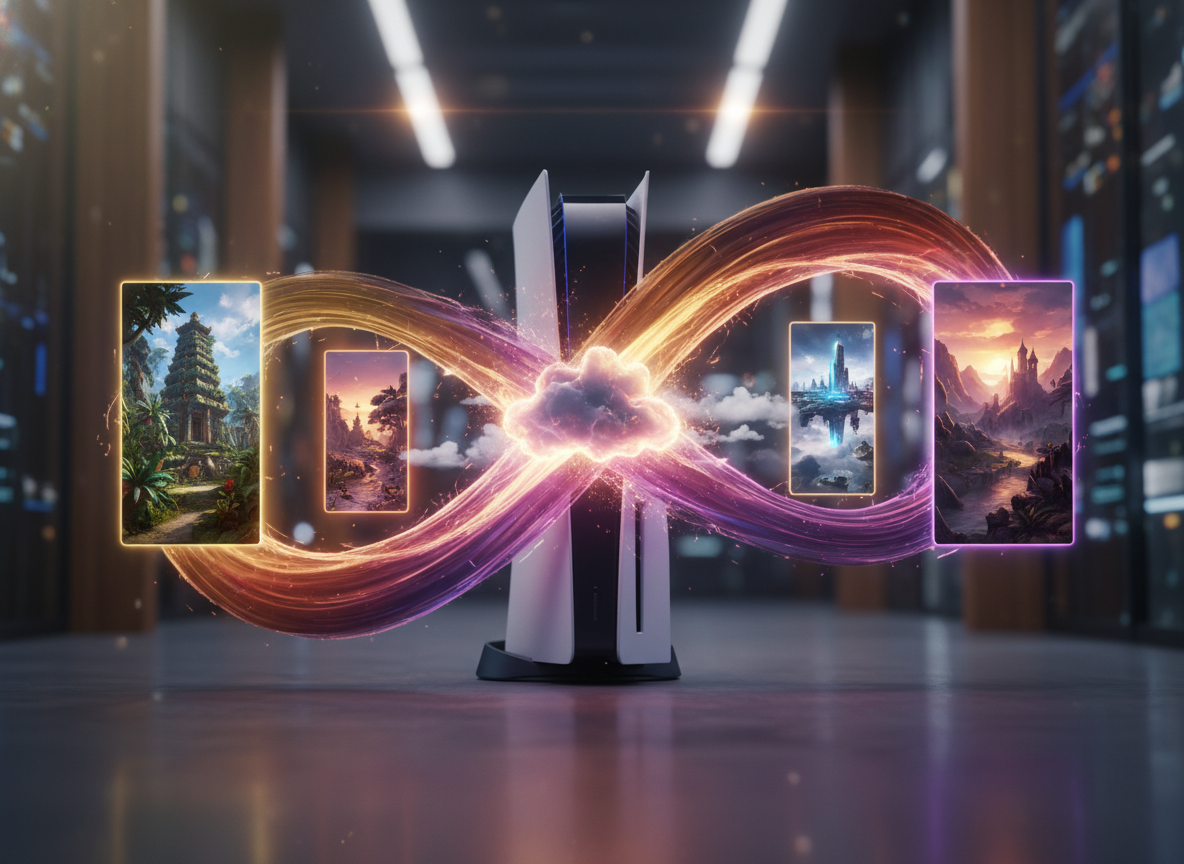
The update also brings significant improvements to the Remote Play ecosystem. With the introduction of the 'PlayStation Cloud Bridge,' users can now stream their PS6 library to any mobile device with sub-10ms latency, provided they are on a 6G or optimized Wi-Fi 7 network. This is achieved through a new compression codec that prioritizes input-sensitive packets, ensuring that even fast-paced action titles remain playable on the go. The synergy between the home console and handheld peripherals has never been more robust, positioning Sony as a leader in the hybrid play space.
From a developer perspective, the 2.0 firmware introduces the 'Unity-Unreal Deep Link' API. This toolset allows for direct memory access between the game engine and the system's AI upscaler, reducing the overhead required to implement high-end features like path-tracing. Major studios have already announced day-one patches to take advantage of this, with titles like 'God of War: Ragnarok - Definitve Edition' receiving a massive visual overhaul that was previously impossible on launch-day firmware. The ease of optimization is expected to lead to a surge in high-fidelity indie titles as well.
Security and social safety have also seen a major upgrade. The new 'AI Sentinel' system uses natural language processing to monitor voice chats for toxic behavior in real-time, issuing warnings or temporary mutes to maintain a healthy gaming environment. While some privacy advocates have raised concerns, Sony assures that all processing is done locally on the console's secure enclave and no voice data is stored on their servers. This proactive approach to community management is a bold step toward cleaning up the often-volatile world of online multiplayer gaming.
In conclusion, the PlayStation 6 System Software 2.0 is more than a simple update; it is a declaration of intent for the future of the platform. By leaning heavily into AI-driven performance and user-centric features, Sony has successfully extended the lead of its flagship console. As we move further into 2026, the integration of these technologies will likely define the mid-generation standards, forcing competitors to rethink their own software strategies. For the millions of PS6 owners worldwide, the future of gaming has never looked clearer, faster, or more immersive than it does today.