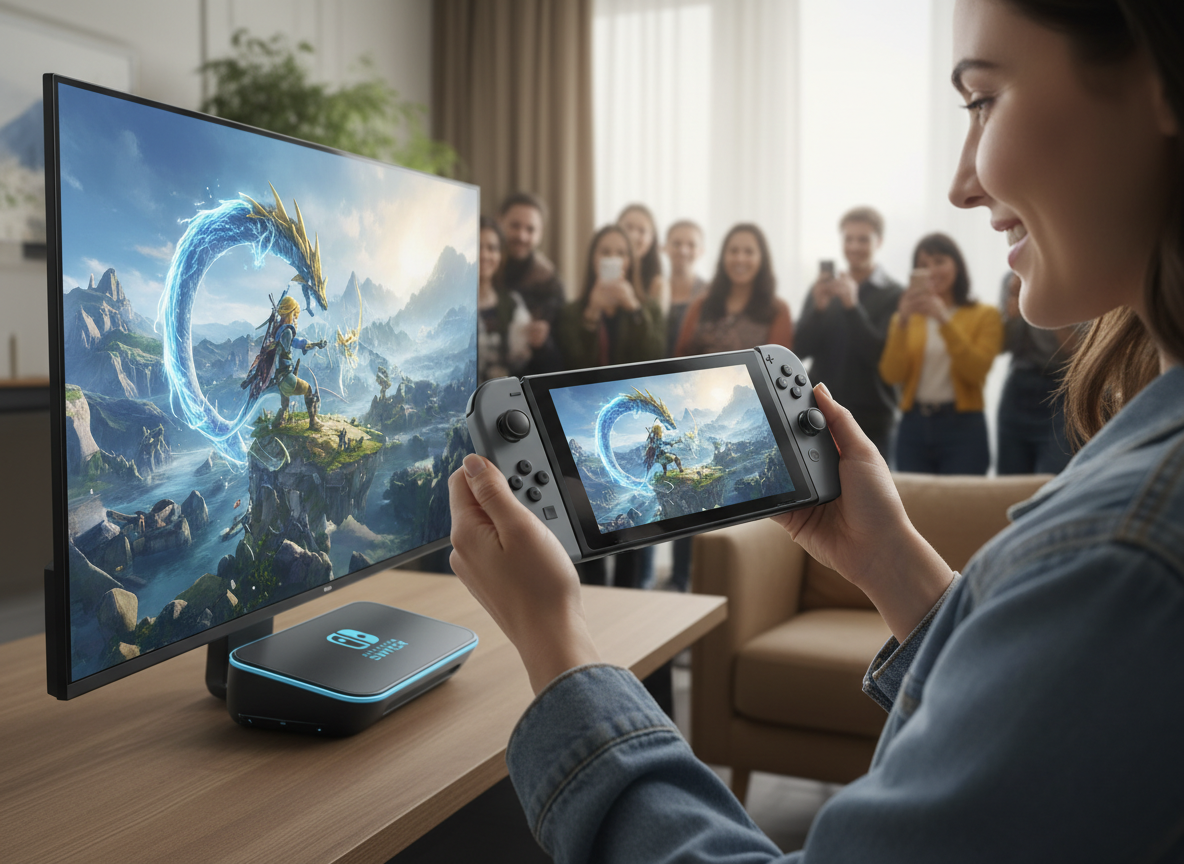
As we mark the first anniversary of the Nintendo Switch 2 this March 2026, the gaming landscape has been irrevocably altered by Nintendo's masterclass in hybrid engineering. The console has not only surpassed its predecessor's initial sales records but has successfully bridged the performance gap between portable devices and home consoles. With a custom Nvidia T239-based architecture and 16GB of LPDDR5X RAM, the system has proven that power and portability can coexist without the thermal throttling issues that plagued early competitors in the handheld PC space. The ecosystem is thriving, bolstered by a library that blends Nintendo's signature polish with high-fidelity third-party ports.
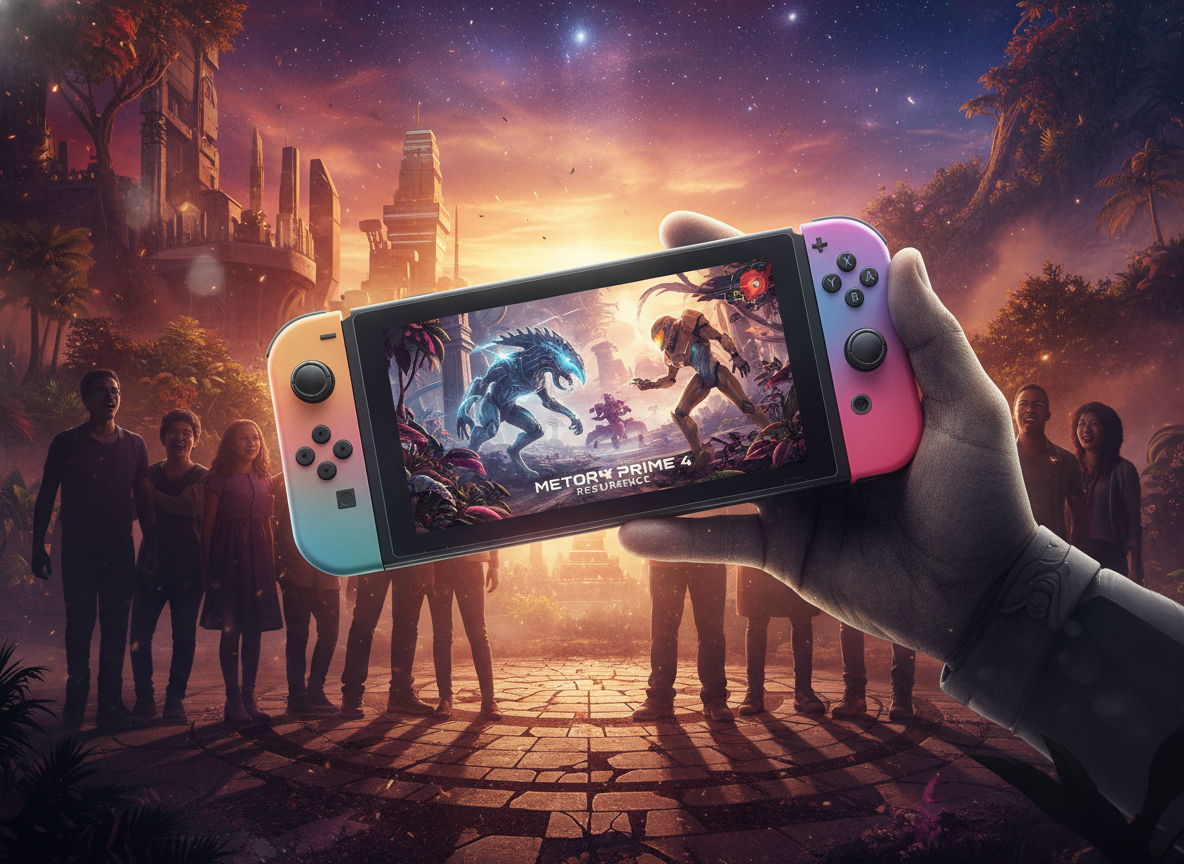
The defining moment of the Switch 2's second year has undoubtedly been the release of Metroid Prime 4: Resurgence earlier this month. Utilizing the console's dedicated Ray Tracing cores, Retro Studios has delivered a visual masterpiece that maintains a locked 60 frames per second at 1440p while docked. The implementation of DLSS 4.0 has been a game-changer, allowing for crisp textures and lighting effects that were previously thought impossible on a mobile-first chipset. Critics and fans alike are hailing it as a return to form for the franchise, showcasing the specific hardware strengths of the new platform.
Beyond the first-party success, the third-party support for the Switch 2 in 2026 is unprecedented. Major publishers like Capcom and Ubisoft are no longer releasing 'cloud versions' of their flagship titles; instead, we are seeing native ports of games like Resident Evil IX and Assassin's Creed: Hexe. These versions are surprisingly robust, often parity-matching the Xbox Series S in terms of visual fidelity. This shift has cemented the Switch 2 as a primary console for many, rather than just a secondary device for Nintendo exclusives, fundamentally changing the market dynamics of the current generation.
Hardware ergonomics have also seen a significant upgrade over the original design. The new 'Magnet-Click' Joy-Cons have eliminated the dreaded stick drift issues that haunted the previous generation, thanks to Hall Effect sensors integrated as a standard feature. The 8-inch OLED display, featuring a 120Hz refresh rate, makes even older titles feel revitalized through Nintendo's 'Boost Mode' backward compatibility layer. Players are finding that their entire Switch 1 library looks and plays better, which has been a crucial factor in the rapid adoption rate of the new hardware among the existing 140 million-strong user base.
The competitive landscape in 2026 has reacted strongly to Nintendo's dominance. While the Steam Deck 3 and the ROG Ally 2 offer more raw horsepower, they struggle to match Nintendo's battery efficiency and the sheer optimization of its proprietary software. Nintendo's 'Power-Saver 3.0' firmware allows for up to six hours of gameplay in demanding titles like Resurgence, a feat that still eludes many x86-based handhelds. This efficiency is the cornerstone of the Switch 2's appeal, catering to a demographic that values the 'pick up and play' philosophy over raw teraflop counts.
In terms of online services, Nintendo Switch Online 3.0 launched today, introducing a long-awaited 'Virtual Reality Archive' for Labo enthusiasts and a robust cloud-save system that finally supports seamless cross-play with PC for select titles. The introduction of a dedicated achievement system, internally called 'Nintendo Stamps,' has added a new layer of engagement for completionists. While some argue that Nintendo is finally catching up to features Xbox and PlayStation have had for decades, the execution is quintessentially Nintendo—charming, integrated, and family-friendly.
The economic impact of the Switch 2 cannot be understated. Retailers report that supply chain issues have finally stabilized as of late March 2026, making the console readily available at its $399 MSRP for the first time since launch. This availability has dealt a heavy blow to the scalping market, ensuring that the software attach rate remains healthy. Furthermore, the peripheral market is booming, with third-party manufacturers producing everything from pro-grade controllers to specialized modular grips that take advantage of the console's new high-speed expansion port located at the base of the unit.
Looking toward the remainder of 2026, the roadmap for Nintendo appears stronger than ever. Rumors of a 'Legend of Zelda: Twilight Princess' full remake and a new 3D Mario title slated for the holiday season are keeping the hype cycle at a fever pitch. As the industry moves further into the AI-integrated era, Nintendo's focus on tactile, innovative gameplay remains its greatest strength. The Switch 2 isn't just a hardware upgrade; it is a refined vision of what modern gaming should be—accessible, powerful, and undeniably fun. For Nintendo, the future isn't just bright; it is incredibly well-rendered.