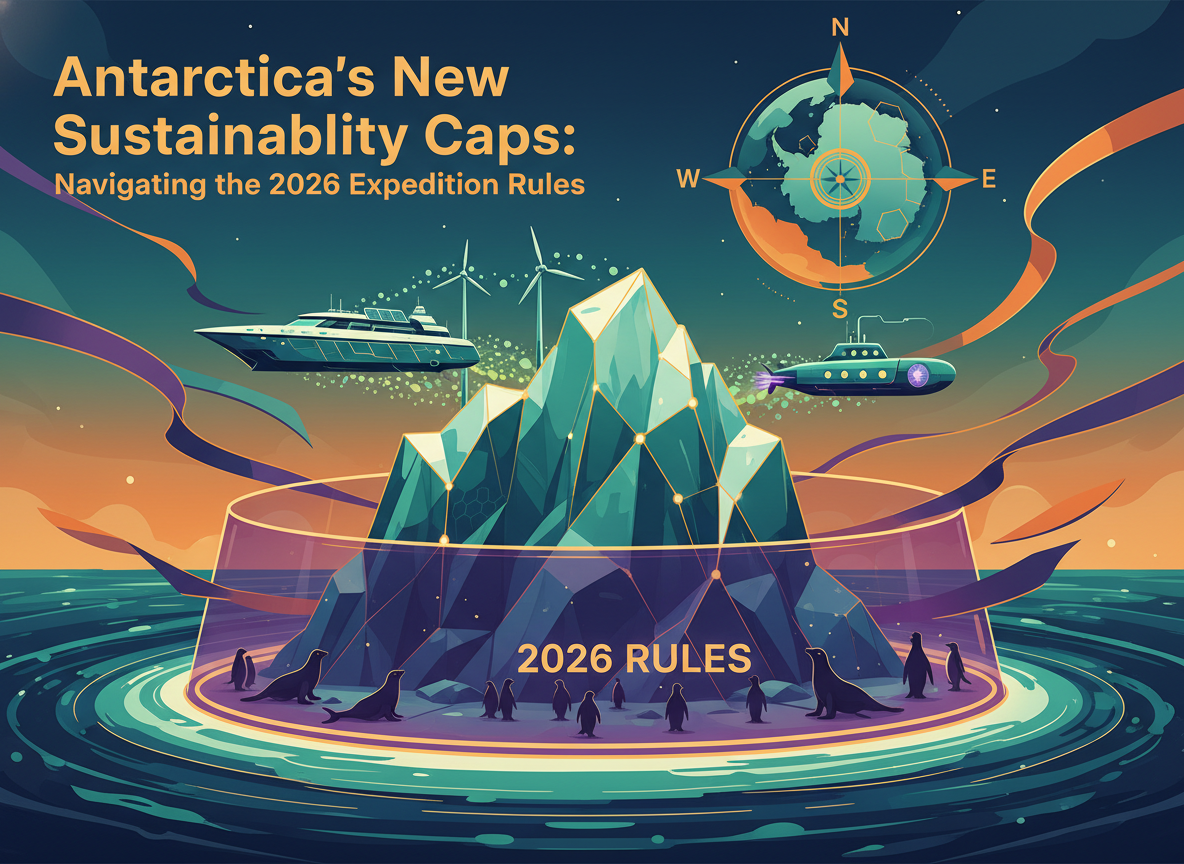
The 2026 Antarctic travel season has begun under the shadow of the most restrictive environmental regulations in the continent's history. Recognizing the fragile state of the polar ecosystem, the Antarctic Treaty System (ATS) has implemented a 'Sustainability Cap' that limits the total number of visitors to 50,000 per year—a significant decrease from previous seasons. This move has transformed Antarctica into the world’s most exclusive destination, with booking waiting lists now extending into 2029 and prices reflecting the high cost of compliance.
The most significant change for 2026 is the 'Zero-Impact Mandate' for all vessels. As of this month, any ship entering Antarctic waters must be powered by non-fossil fuel sources, such as green hydrogen or battery-electric systems. This has led to the decommissioning of older expedition ships and the rise of a new fleet of ultra-modern 'Silent Explorers.' These ships not only protect the air quality but also minimize underwater noise pollution, which is critical for the communication and migration of local whale populations.
On-ice activities have also been drastically curtailed in 2026. Traditional landings are now limited to 'Certified Landing Zones' that are rotated every season to prevent soil compaction and disturbance to penguin colonies. Each traveler is now required to wear 'Bio-Secure Suits'—specialized outerwear that is sterilized before and after every excursion to prevent the introduction of invasive species or pathogens. The 2026 explorer is more of a 'guest researcher' than a traditional tourist, participating in mandatory data collection for polar scientists.
Despite the restrictions, the quality of the experience has reached new heights. With fewer people on the continent, the sense of isolation and majesty is more profound than ever. 2026's 'Micro-Expeditions' involve smaller groups of just 12 people per guide, allowing for more intimate encounters with the landscape. These guides are now required to be certified environmental educators, providing deep insights into the effects of climate change on the ice sheets, turning every trip into a masterclass in glaciology and marine biology.
Technology is playing a vital role in balancing access and preservation. In 2026, many operators are offering 'Hybrid Expeditions'—a mix of physical travel and high-fidelity VR. While a limited number of guests go ashore, others on the ship can explore the ice in real-time using 8K 360-degree cameras mounted on drones and submersibles. This 'Remote Presence' technology allows more people to 'visit' Antarctica without the physical footprint, a model that is being hailed as the future of sensitive-site tourism.
The cost of an Antarctic expedition in 2026 includes a mandatory 'Ecosystem Restoration Fee.' This several-thousand-dollar levy goes directly into a fund for Southern Ocean conservation and the removal of legacy waste from abandoned research stations. Travelers in 2026 are embracing this 'Regenerative Travel' model, viewing their high-cost ticket not just as a luxury purchase, but as a direct contribution to the preservation of the planet's last great wilderness.
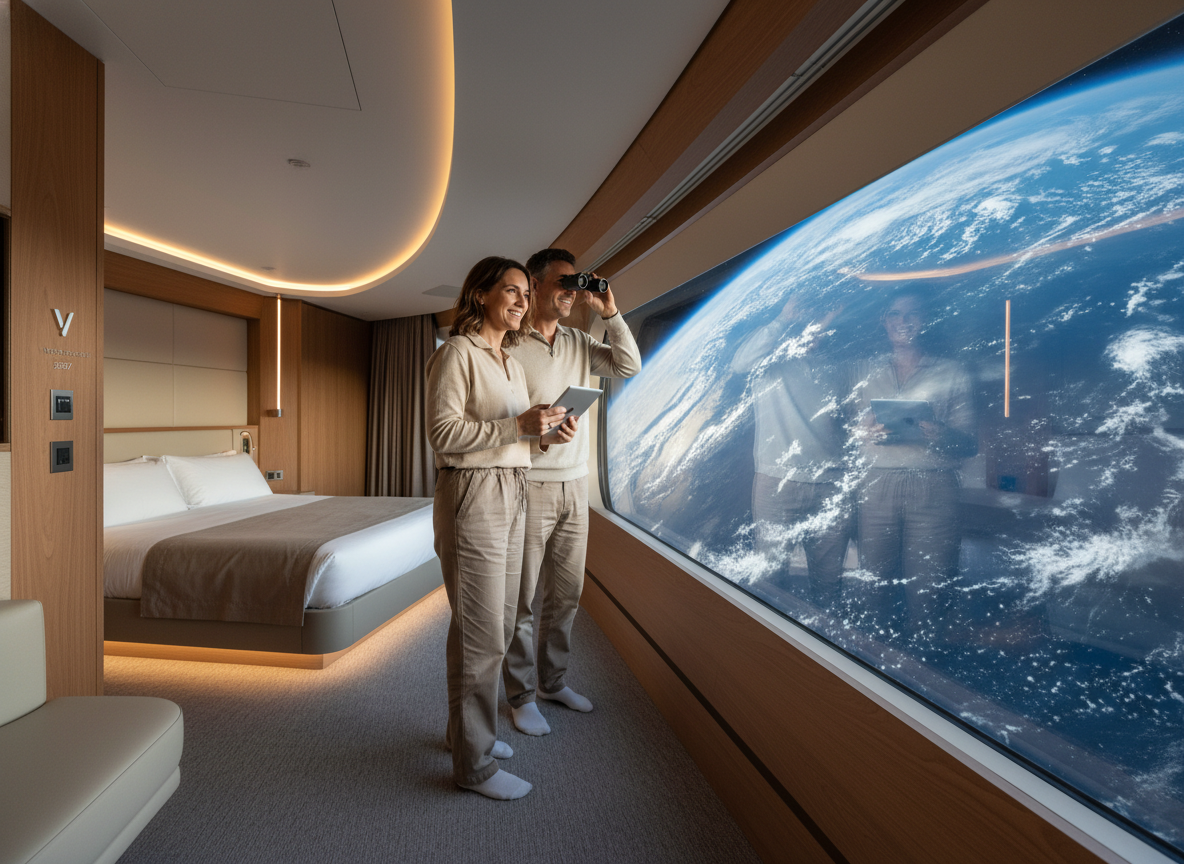
For those who do make the journey in 2026, the hospitality on board the new eco-ships is unparalleled. These 'Floating Laboratories' feature glass-bottomed observation decks, AI-powered wildlife spotting stations, and luxury cabins designed with sustainable, circular materials. The culinary experience is equally refined, with 'Ocean-to-Table' menus that utilize ingredients sourced from sustainable fisheries outside the Antarctic zone, supplemented by sophisticated on-board vertical gardens.
As we look to the future of polar travel, the 2026 regulations in Antarctica serve as a blueprint for other vulnerable regions like the Galapagos or the High Arctic. The shift from mass tourism to high-value, low-impact exploration is the only way to ensure these places remain for future generations. For the 2026 traveler, a trip to the White Continent is no longer just a checkbox on a bucket list; it is a life-changing lesson in the beauty and fragility of our world, conducted with the utmost respect for the environment.