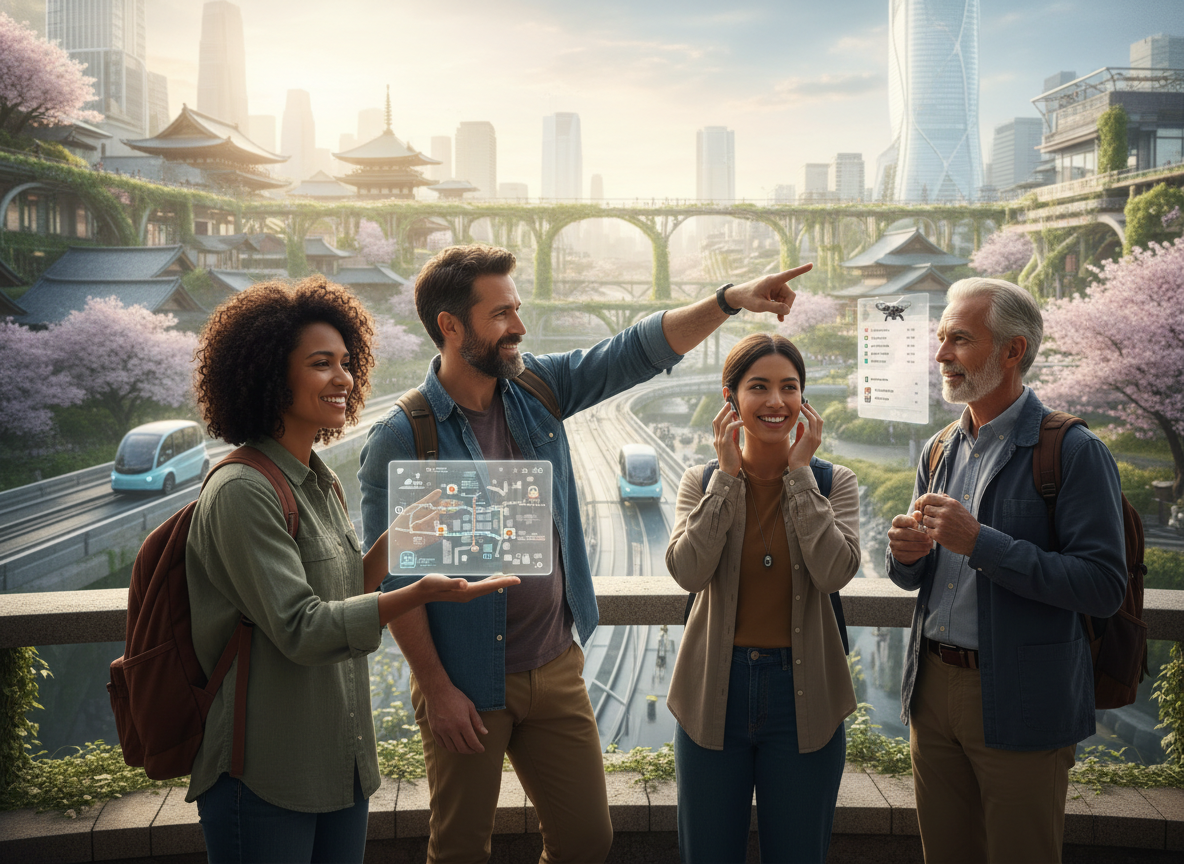
The travel landscape on this April 11, 2026, looks fundamentally different than it did even two years ago, primarily due to the global rollout of GPT-6 integrated travel systems. These advanced AI models have moved beyond simple chat interfaces to become proactive digital companions that understand a traveler's biometric data, historical preferences, and real-time environmental conditions. Today marks the official launch of the 'Seamless Voyager' update, a platform that connects directly with international aviation databases and local hospitality networks to provide a friction-free experience from the moment a user thinks about a destination.
Professional travel planners are observing that the hallmark of 2026 travel is the 'Zero-Search' philosophy. Instead of spending hours scouring review sites, travelers are now receiving curated 'living itineraries' that update dynamically. If a sudden spring rainstorm hits Paris this afternoon, the AI automatically shifts an outdoor walking tour to a private gallery viewing, reschedules the dinner reservation at a coveted bistro, and updates the transportation logistics without the user needing to lift a finger. This level of autonomy is redefining what we consider luxury service in the digital age.
Furthermore, the integration of these AI systems with wearable technology has introduced a wellness component to travel that was previously impossible. By monitoring a traveler's circadian rhythms and hydration levels, the AI suggests optimal flight times and meal schedules to mitigate jet lag. Today’s software updates even include localized 'Pollen and Air Quality' trackers, which are essential for the 2026 spring season, allowing sensitive travelers to navigate Mediterranean cities with minimal discomfort by suggesting routes with the cleanest air profiles.
The impact on local economies is also significant, as the new algorithms prioritize 'Hidden Gem' discovery to combat overtourism in major hubs. By analyzing real-time foot traffic data in cities like Venice and Kyoto, the AI directs travelers toward lesser-known neighborhoods and artisanal shops that align with their specific interests. This decentralized approach to tourism is helping to distribute wealth more evenly across regional communities while providing travelers with more authentic and less crowded experiences that feel uniquely their own.
Security and privacy have remained top concerns as these systems become more deeply integrated into our lives. As of today, the new 'Sovereign Identity' protocol has been implemented across major AI travel platforms, ensuring that sensitive biometric and financial data remains on the user's device while still allowing the AI to process necessary travel permissions. This balance between high-utility personalization and data security is a cornerstone of the 2026 travel ethos, fostering trust in a technology that has become indispensable for the modern adventurer.
In the hospitality sector, major hotel chains are reporting a 40 percent increase in operational efficiency due to AI-driven guest profiling. Staff are now equipped with real-time insights that allow them to provide hyper-specific service, such as having a guest’s favorite obscure brand of mineral water waiting at the exact temperature they prefer. The human element of hospitality hasn't been replaced; rather, it has been empowered to focus on genuine emotional connection while the AI handles the complex logistical data in the background.
Looking at the transportation sector, the synergy between AI and the burgeoning eVTOL (electric vertical takeoff and landing) market is finally coming to fruition. Today, travelers in major hubs like Singapore and London can book an autonomous air taxi directly through their AI concierge, which coordinates the flight time with their high-speed rail arrival. This multi-modal connectivity is the final piece of the puzzle in creating a truly global, interconnected travel network that values time and sustainability above all else.
As we wrap up this look at the state of travel technology on April 11, 2026, it is clear that we have entered an era of 'Intentional Exploration.' The technology is no longer a distraction but a bridge to deeper experiences. By removing the administrative burden of travel, we are allowing ourselves to be more present in the destinations we visit, turning every trip into a seamless narrative of discovery that is perfectly tailored to the individual's soul and spirit.