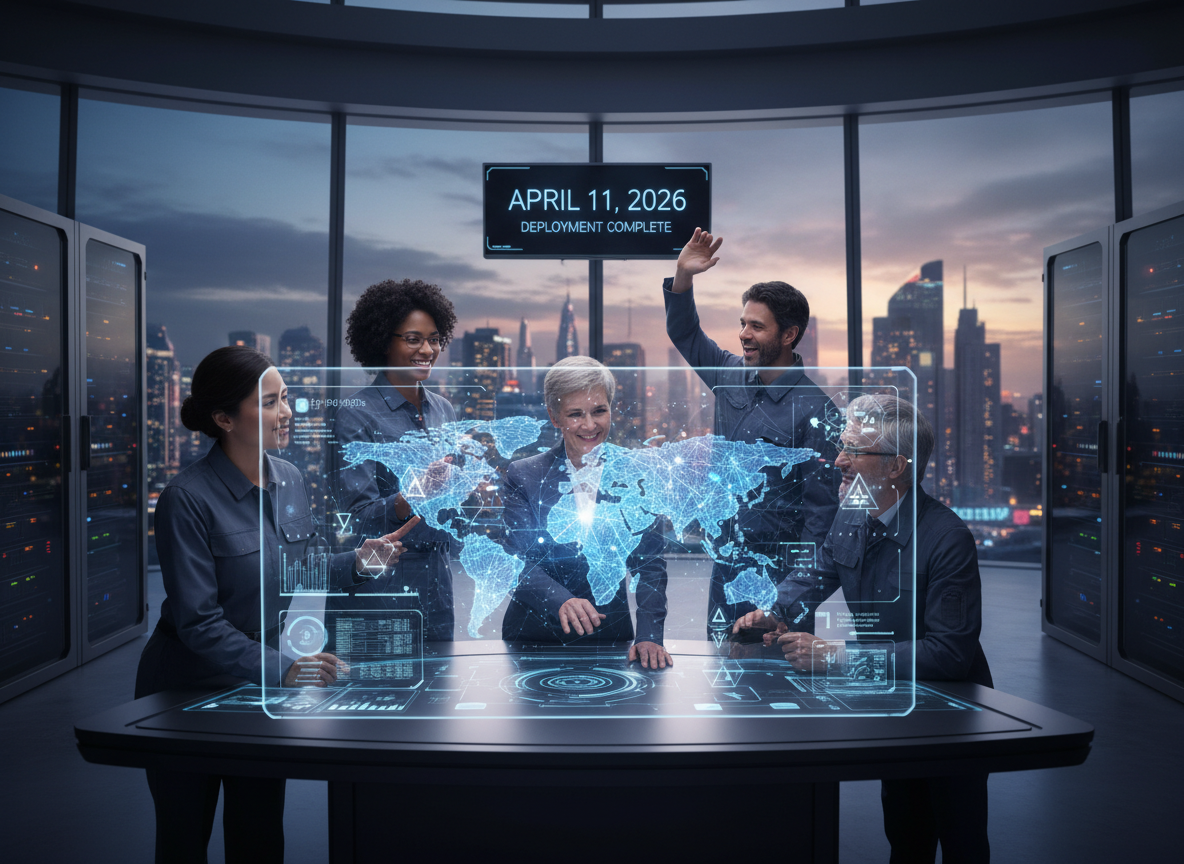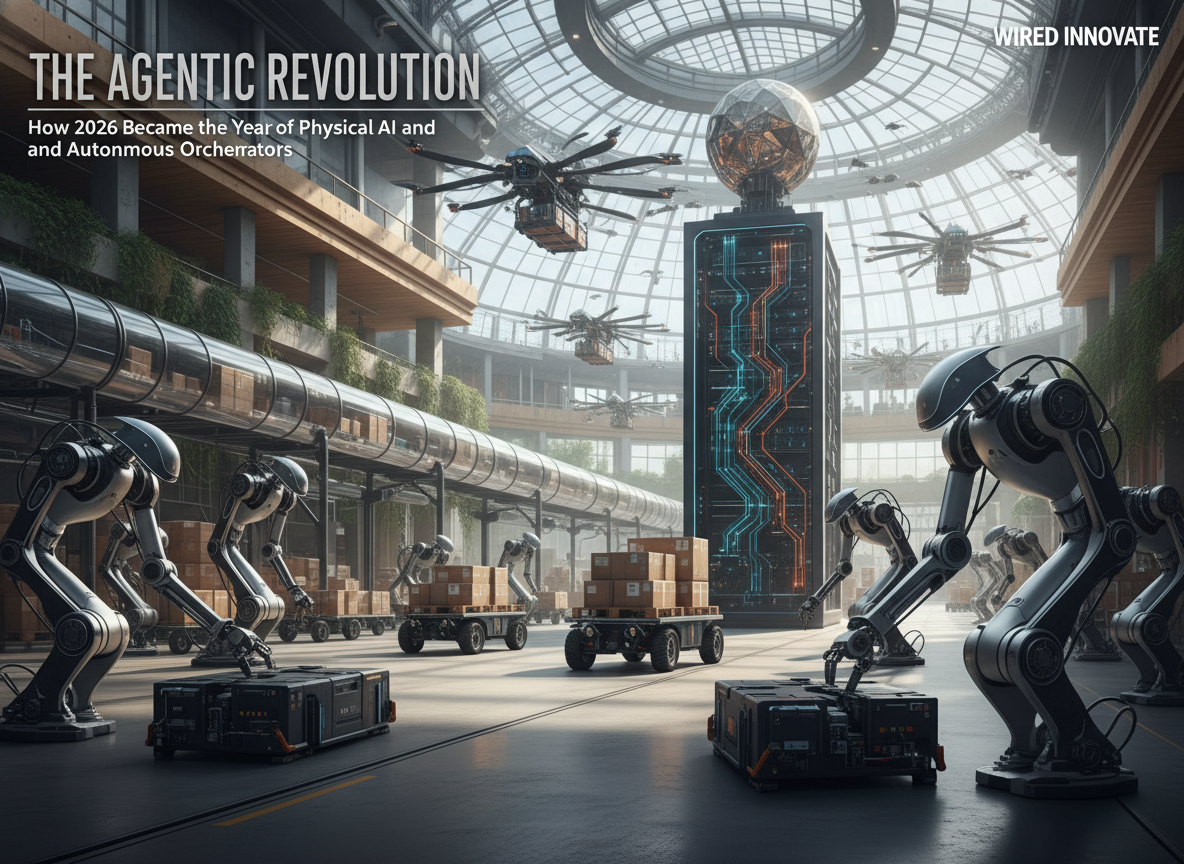
Entering the second quarter of 2026, the technology industry has moved beyond the 'chatbot era' into what experts are calling the Age of Agentic Infrastructure. The release of OpenAI's GPT-5.4 on March 5, 2026, marked a definitive turning point, introducing native computer-use capabilities and a unified reasoning engine that allows AI to navigate operating systems as a human would. No longer restricted to a text box, these frontier models now act as autonomous orchestrators, capable of executing multi-step projects from initial research to final deployment across disparate software ecosystems. This shift has transformed artificial intelligence from a passive assistant into a proactive digital collaborator, fundamentally altering how enterprises approach productivity and software architecture.
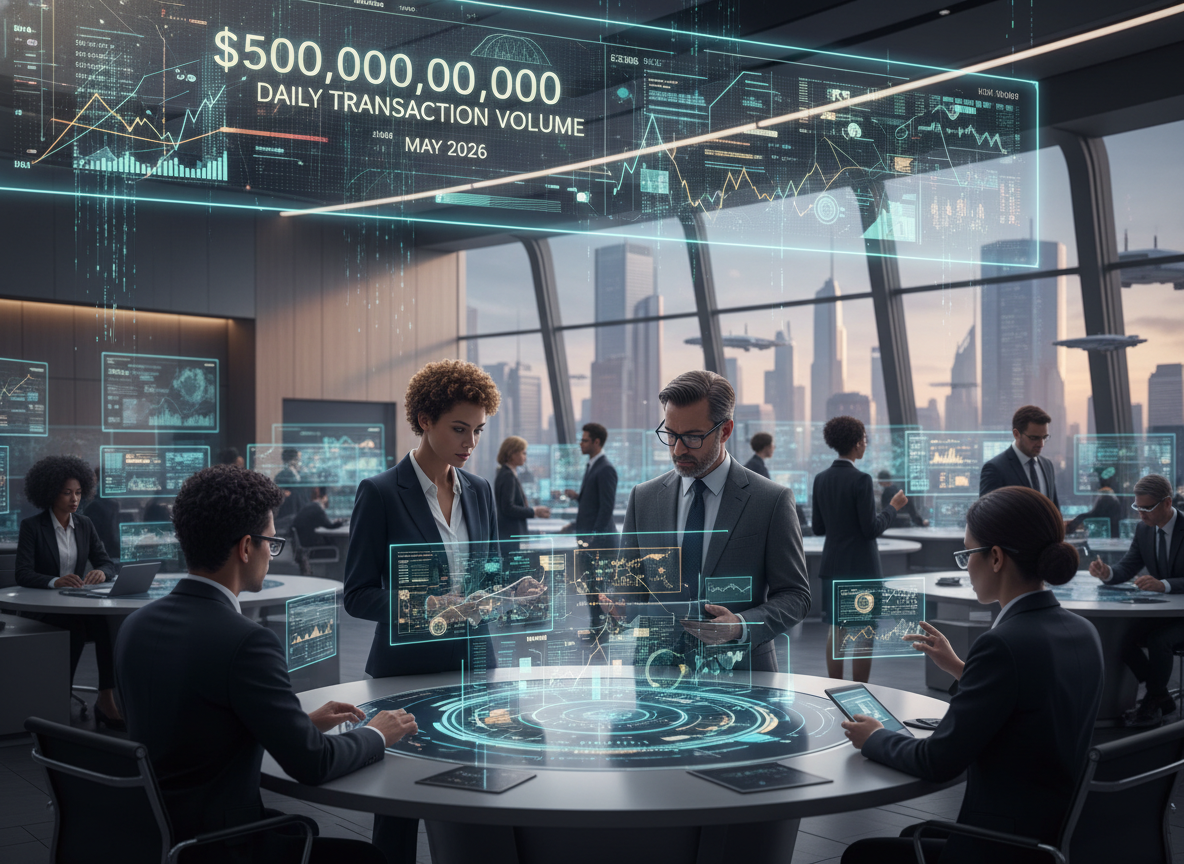
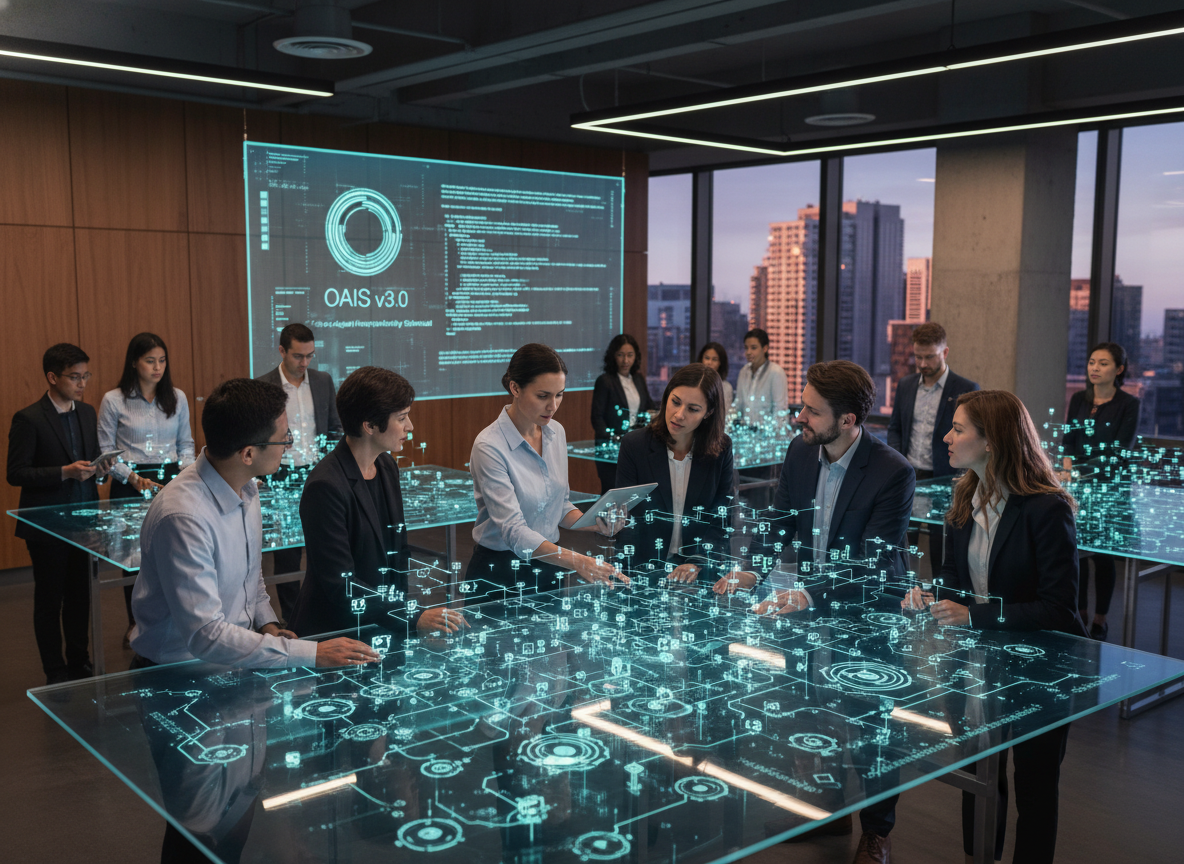
The defining technological breakthrough of early 2026 is the emergence of Multi-Agent Systems (MAS). These systems allow hundreds of specialized AI agents to work in concert, each handling a specific niche—such as legal compliance, real-time data analysis, or creative design—under the supervision of a master 'conductor' model. Major tech giants like Microsoft and Anthropic have already begun rolling out 'Autonomous Workspaces' where a three-person startup can manage a global supply chain traditionally requiring hundreds of employees. This paradigm shift, often referred to as the 'Intelligence Explosion,' is driven by a ten-fold increase in compute density, enabling models to possess persistent memory and the ability to learn from interactions without requiring full retraining cycles.
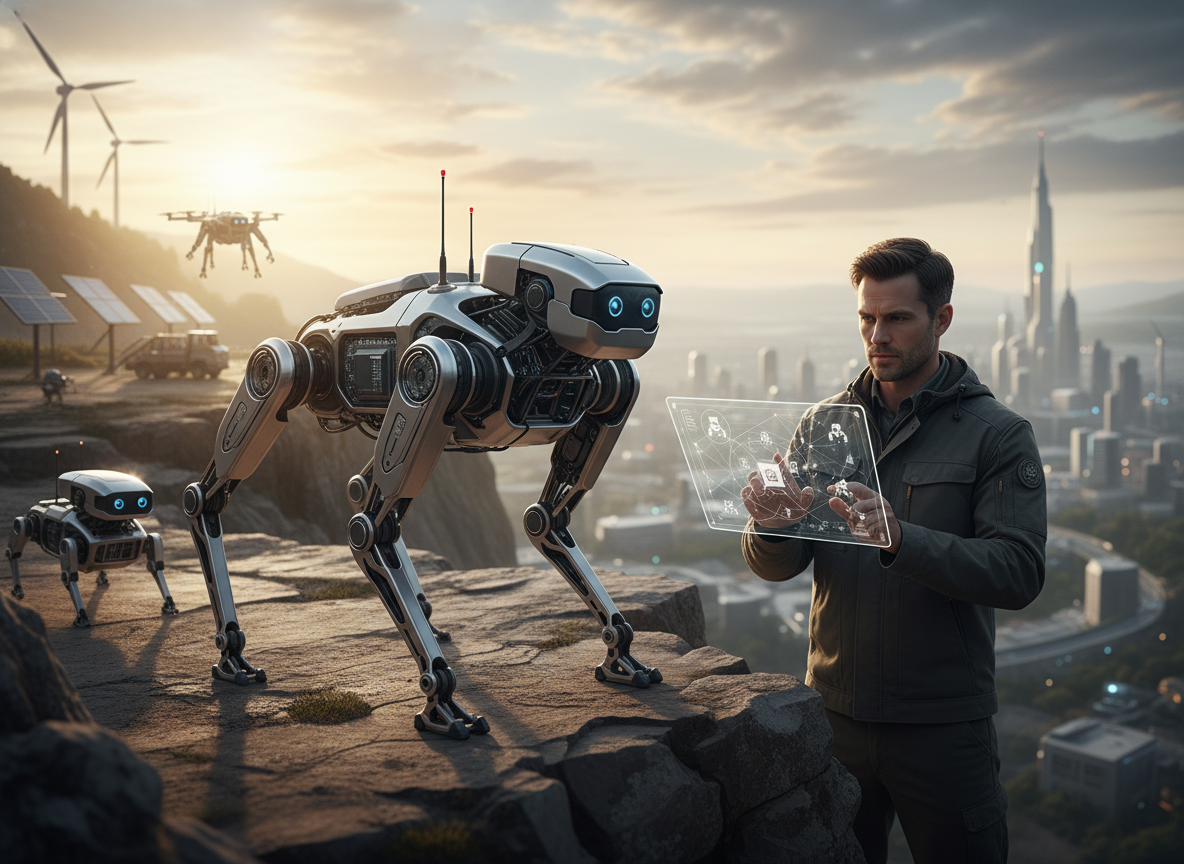
Physical AI has finally reached its 'ChatGPT moment' as we see the mass-market rollout of third-generation humanoid robots. Tesla's Optimus V3 has entered pilot production at a scale of nearly one million units per year, leveraging vision-based neural networks that allow the robot to learn new household and industrial tasks simply by watching human demonstrations. Simultaneously, 1X has begun delivering its 'NEO' humanoid to residential customers, a robot designed with soft, muscle-like actuators specifically for safe interaction in unstructured home environments. These developments signify the convergence of high-level reasoning models with robotic embodiment, effectively moving AI from the digital screen into the physical world to perform labor-intensive tasks.
Despite the rapid advancements in model intelligence, the hardware landscape in 2026 is grappling with a severe energy crisis. The demand for training the upcoming GPT-6—rumored to be code-named 'Spud'—has placed unprecedented pressure on global power grids. Data centers are evolving into 'Intelligence Factories,' with NVIDIA's 'Rubin' architecture and silicon photonics becoming the standard for reducing latency and power consumption. However, the projected energy shortfall in the United States alone has forced developers to seek innovative solutions, including the conversion of retired nuclear facilities into dedicated AI compute hubs and the deployment of orbital server clusters to leverage passive radiative cooling in space.
Quantum-AI integration has transitioned from theoretical research to practical commercial application this spring. With the debut of Google’s 'Willow' processor and IBM’s 120-qubit 'Nighthawk' system, we are witnessing the first truly stable hybrid quantum-classical workflows. These systems are being used to solve exponentially complex mathematical bottlenecks in drug discovery and material science that were previously uncrackable by classical supercomputers. By offloading specific optimization problems to Quantum Processing Units (QPUs), pharmaceutical companies in early 2026 have already identified three new classes of antibiotics, a feat that traditionally would have taken a decade of laboratory experimentation.
The scientific discovery process itself is being revolutionized by the 'Autonomous Lab' movement. AI models are no longer just summarizing papers; they are now active participants in the scientific method, formulating hypotheses and controlling robotic lab equipment to run physical experiments overnight. Microsoft Research recently showcased a 'Self-Driving Chemistry Lab' that autonomously synthesized and tested over 5,000 new stable crystal structures in a single week. This level of repository intelligence allows AI to understand the historical context and intricate relationships within scientific data, accelerating the pace of innovation in fields like battery chemistry and carbon capture technology.
On the regulatory front, the April 2026 Global AI Accord has introduced the concept of 'Ambient Governance.' As agentic AI becomes ubiquitous, governments have shifted from reactive bans to real-time, automated compliance monitoring. All autonomous agents operating in critical sectors—such as finance, healthcare, and infrastructure—must now possess a 'digital watermark' and an immutable activity log that is continuously audited by government-aligned AI watchdogs. This new framework aims to mitigate the risks of AI autonomy at scale, ensuring that while intelligence is abundant, accountability remains traceable back to the human or corporate entity deploying the system.
As we look toward the second half of 2026, the boundary between human and machine creativity continues to blur. The rise of 'Spatial Intelligence' has enabled AI to understand and generate three-dimensional environments with perfect physical consistency, leading to a meta-shift in augmented reality and simulation. From AI-generated cinematic worlds that respond to the viewer's presence to virtual engineers that help bridge the gap in skilled trade labor, the technology of 2026 is no longer just about information—it is about the creation of reality. The upcoming release of GPT-6 later this year is expected to be the final step toward Artificial General Intelligence (AGI) levels of competency in economically valuable tasks.
In conclusion, the first quarter of 2026 has proven that artificial intelligence is no longer a luxury tool but the essential infrastructure of modern civilization. The transition to agentic systems and embodied robotics has redefined the global labor market, shifting the human role from 'doer' to 'director.' As the world adapts to this new level of machine capability, the focus for the remainder of 2026 will be on balancing the incredible productivity gains of the 'Intelligence Factory' with the urgent need for sustainable energy and ethical oversight. We are living in the most transformative period in human history, where the only limit to progress is our ability to safely manage the agents we have created.