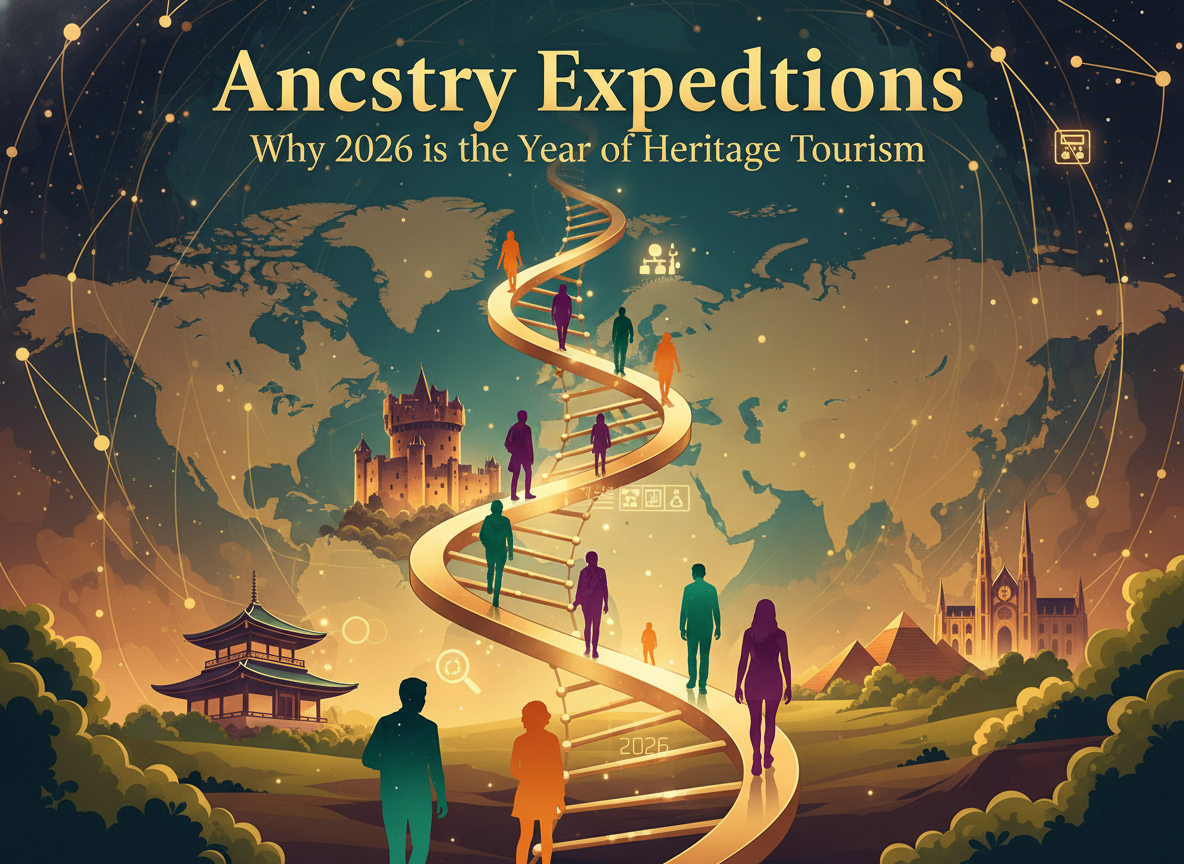
In 2026, the search for identity has replaced the search for relaxation as the primary motivator for international travel. 'Ancestry Expeditions'—bespoke travel packages designed around a person’s unique genetic makeup—have become the year's most significant trend. As DNA sequencing becomes even more granular and affordable, travelers are no longer content with visiting generic tourist landmarks. Instead, they are journeying to remote villages in the Scottish Highlands, the coast of West Africa, or the mountains of Peru to walk the ground their ancestors once called home.
The 2026 heritage traveler is supported by a new breed of 'Genealogy Concierges.' These experts work with travel agencies to cross-reference DNA results with historical records, property deeds, and local church registries. This allows for an unprecedented level of precision; a traveler doesn't just visit 'Ireland,' they visit the specific ten-acre plot in County Cork that their great-great-grandfather farmed in the 1840s. This emotional connection to the land is driving a massive influx of tourism to rural and often overlooked regions.
Luxury travel brands have quickly pivoted to accommodate this trend. In March 2026, several high-end hotel chains launched 'Heritage Wings'—areas of their properties dedicated to the local history of the region. These hotels offer curated libraries, traditional craft workshops, and even 'ancestry dinners' where the menu is reconstructed from historical local ingredients. For the traveler, the stay becomes an immersion into their own history, facilitated by modern comforts and expert storytelling.
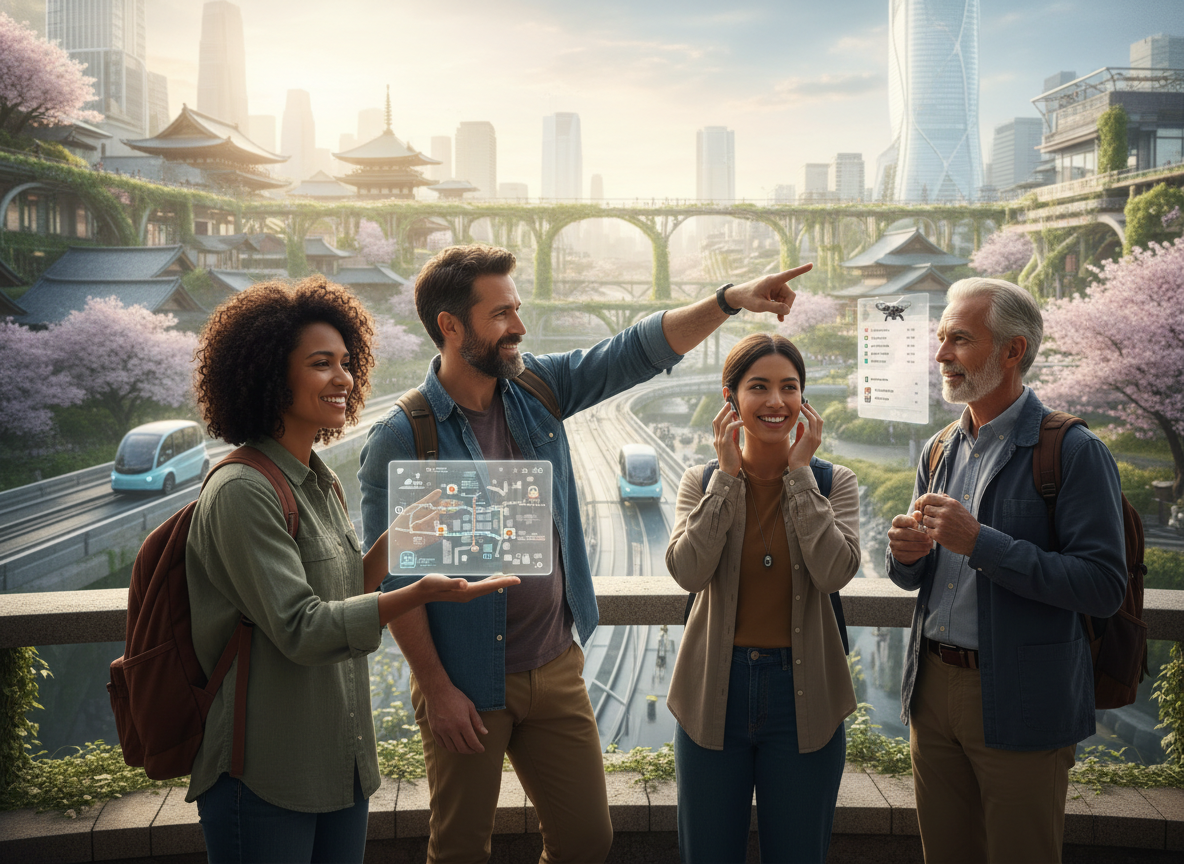
Technology is also enhancing the ancestry experience. AR 'Time-Windows' are being installed at significant historical sites throughout Europe and Asia in 2026. By wearing a pair of AR glasses, a traveler standing in a ruins-filled field can see a digital reconstruction of how the village looked when their ancestors lived there. These overlays include moving figures, period-accurate sounds, and even 'digital ghosts' of historical figures, creating a powerful, immersive bridge between the past and the present.
The impact on local communities has been profound. In 2026, 'Micro-Museums' are popping up in small towns globally, funded by the Ancestry Expedition boom. These communities are rediscovering their own forgotten histories to cater to the visiting 'descendants.' This has led to a revitalization of traditional languages, crafts, and music that were on the verge of extinction. For many small towns, heritage tourism is providing a sustainable economic lifeline that celebrates their unique identity.
Ethical considerations are at the forefront of the 2026 heritage movement. Travel companies are working closely with local historians and indigenous leaders to ensure that these expeditions are respectful and do not commodify sacred traditions. In 2026, the focus is on 'Reciprocal Heritage,' where travelers are encouraged to give back to the communities they visit through educational grants or restoration projects, ensuring that their personal journey of discovery also benefits the guardians of the past.
The 'Ancestry Expedition' trend is also seeing a rise in multi-generational travel. Families in 2026 are using these trips as a way to bond and pass down stories to the younger generation. It’s common to see three generations of a family traveling together, led by a professional genealogist, as they piece together their collective history. This 'Legacy Travel' is viewed as an investment in the family’s future by understanding its past, making it more than just a vacation.
As we move through 2026, the desire for 'Deep Connection' shows no signs of slowing down. In an increasingly digital and globalized world, knowing where you come from provides a sense of grounding. Ancestry Expeditions offer a way to find that grounding through the physical act of travel. Whether it's a quiet moment in a Norwegian stave church or a vibrant celebration in a Nigerian village, heritage tourism is proving that the most important destination we can visit is our own origin story.