

Quick Summary
- AI tools predict potential equipment failures before they occur.
- Manufacturers save millions by reducing unplanned downtime.
- Data-driven insights enhance operational efficiency.
- Predictive maintenance is becoming standard practice in factories.
- AI implementation is accelerating across various manufacturing sectors.
Manufacturers are increasingly turning to AI technology as a means to predict and prevent costly downtime. By integrating AI predicts manufacturing downtime solutions, companies can identify potential issues before they escalate, leading to significant savings and improved productivity. Explore more Artificial Intelligence coverage on Newtechzy.
As industries face growing pressure to optimize operations, AI's role in predictive maintenance has never been more critical. This shift not only cuts costs but also enhances overall efficiency in manufacturing processes.
How AI Predicts Manufacturing Downtime
AI systems analyze vast amounts of data generated by manufacturing equipment. By employing machine learning algorithms, these systems can identify patterns and anomalies that might indicate impending failures. Companies like Siemens and GE have successfully implemented AI-driven predictive maintenance programs, which have led to a measurable decrease in unplanned downtime.
For instance, Siemens reported a 30% reduction in downtime across its manufacturing plants after deploying AI analytics. This technology allows for real-time monitoring of machinery, ensuring that potential issues are flagged before they can cause disruptions.
Benefits of Predictive Maintenance
Implementing AI-driven predictive maintenance provides several advantages. First, it significantly reduces repair costs by addressing issues before they escalate. Second, it enhances equipment lifespan, as machines are maintained proactively rather than reactively. Lastly, manufacturers can optimize their operations by scheduling maintenance during non-productive hours, minimizing the impact on overall production.
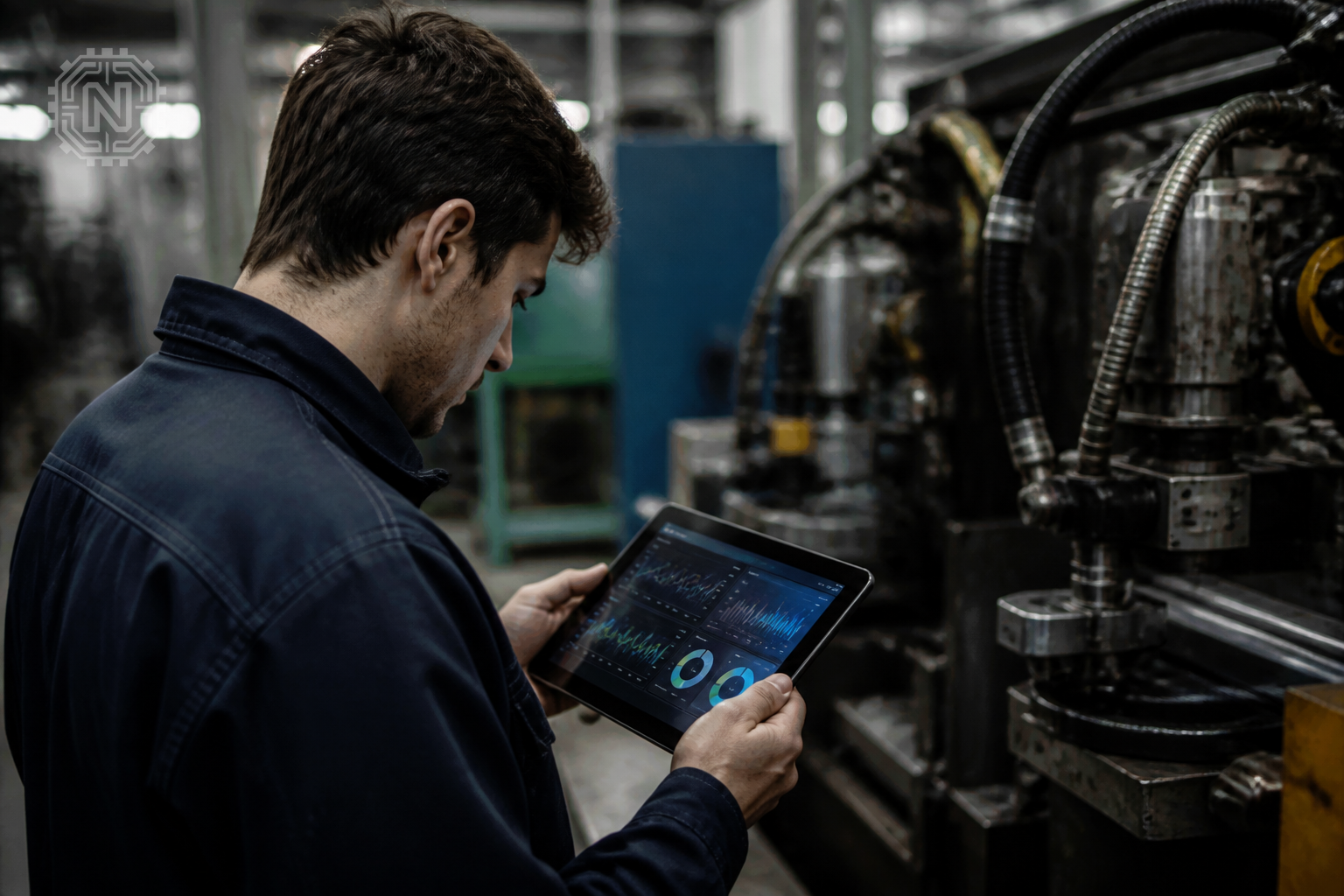
According to a study by McKinsey, organizations that adopt predictive maintenance can expect a 10-40% reduction in maintenance costs. This statistic highlights the financial incentive for manufacturers to embrace AI technologies.
Real-World Examples of AI in Manufacturing
Several companies have successfully integrated AI into their manufacturing processes. For example, BMW utilizes AI to predict maintenance needs for its assembly line robots. By analyzing data from sensors, BMW can schedule repairs before breakdowns occur, ensuring continuous production.
Similarly, Bosch has implemented AI solutions across its factories, resulting in improved operational efficiency and reduced downtime. These examples illustrate the tangible benefits of AI in enhancing manufacturing resilience.
Challenges and Considerations
While the benefits of AI in predicting manufacturing downtime are clear, challenges remain. Data quality is paramount; if the input data is flawed, the AI's predictions will also be unreliable. Additionally, integrating AI systems into existing manufacturing processes can be complex and costly.

Manufacturers must also invest in training their workforce to effectively utilize these technologies. A report by Deloitte emphasizes the importance of upskilling employees to leverage AI tools effectively.
Future Outlook for AI in Manufacturing
Looking ahead, the role of AI in manufacturing will likely expand. As technology advances, more sophisticated predictive maintenance solutions will emerge, allowing for even greater accuracy in forecasting downtime. The increasing availability of IoT devices will further enhance data collection, leading to more effective AI models.
By 2028, analysts predict that the global predictive maintenance market will reach $23.5 billion, underscoring the growing reliance on AI technologies in manufacturing. Companies that adopt these innovations early will likely gain a competitive edge.
Editorial Sources
Conclusion
AI's ability to predict and prevent manufacturing downtime is transforming the industry. By investing in these technologies, manufacturers can enhance efficiency, reduce costs, and ensure smoother operations moving forward.
Frequently Asked Questions
How does AI predict manufacturing downtime?
AI predicts manufacturing downtime by analyzing historical data and identifying patterns that lead to equipment failure.
What are the benefits of using AI in manufacturing?
Using AI in manufacturing can reduce downtime, improve efficiency, and enhance predictive maintenance strategies.
Can AI completely eliminate downtime in manufacturing?
AI cannot completely eliminate downtime, but it significantly reduces its frequency and duration through better predictions.
What types of data does AI use to predict downtime?
AI uses operational data, maintenance logs, and sensor readings to predict potential downtime in manufacturing.
How accurate is AI in predicting manufacturing downtime?
AI can achieve high accuracy in predicting downtime, often exceeding 80% in well-implemented systems.
What industries benefit most from AI downtime prediction?
Industries like automotive, electronics, and heavy machinery benefit most from AI-driven downtime prediction.
What tools are available for AI predictions in manufacturing?
Tools like IBM Watson, Siemens Mindsphere, and Microsoft Azure IoT provide AI capabilities for predicting manufacturing downtime.
How do manufacturers implement AI for downtime prediction?
Manufacturers implement AI for downtime prediction by integrating AI software with existing machinery and data systems. For more on Artificial Intelligence, explore Newtechzy. You can also review our Privacy Policy and Cookie Policy, or learn more About us.
Related Topics
Ready to optimize your manufacturing processes? Explore our resources or contact us to learn how AI can make a difference in your operations.
Start Your Journey Today!


