


Quick Summary
- World Bank report predicts limited AI-driven job losses in India.
- AI may create new opportunities rather than eliminate jobs.
- India's large, diverse economy shows resilience against automation.
- Government policies could influence AI's employment effects.
- Automation impacts vary by industry and skill level.
- Future outlook suggests a balanced AI workforce transition.
The latest AI may not take away many jobs in countries like India: World Bank report challenges fears of widespread automation-driven unemployment. Instead, it points to a nuanced outlook where AI complements existing jobs and spurs new opportunities.
As AI technologies advance, concerns about job security grow, especially in emerging markets like India. This report offers a fresh perspective, emphasizing adaptability and economic resilience in the face of automation.
AI may not take away many jobs in India: World Bank report
The World Bank's recent analysis suggests that AI's impact on employment in India will be less disruptive than many expect. Instead of massive layoffs, AI is projected to reshape job roles, enhance productivity, and generate new employment avenues.
India's large workforce, combined with a diverse economy spanning agriculture, manufacturing, and services, provides a buffer against automation shocks. The report emphasizes that policies supporting skill development and digital infrastructure are key to managing AI's integration.
For instance, sectors like IT and finance are already seeing AI augmenting human roles, not replacing them. Meanwhile, traditional industries such as textiles and agriculture may experience gradual shifts, requiring targeted training and policy support.
Official statements from the World Bank highlight that emerging economies can leverage AI for growth if they invest in human capital. This approach contrasts with fears that AI will cause mass unemployment in developing countries.
Understanding how AI interacts with labor markets is crucial. While some roles will evolve or become obsolete, many new jobs will emerge in AI maintenance, data analysis, and digital services, especially in a country like India where tech adoption is rapidly expanding.
For further insights, see our analysis of AI data center construction jobs and how they influence local employment trends.
Key facts about AI and jobs in India
- AI's influence in India is expected to be moderate in 2026.
- Most job losses will be industry-specific, not country-wide.
- Government initiatives focus on reskilling and digital literacy.
- AI could boost India's GDP by up to 1.5% annually.
- Traditional sectors will need targeted support to adapt.
"India's large, young workforce and ongoing digital transformation suggest resilience against automation-driven unemployment."
Economist specializing in emerging markets
How does AI affect employment dynamics in emerging economies?
AI's effects on employment in emerging economies like India are complex. While automation can displace certain manual and routine tasks, it also creates opportunities for new industries and skill development.

Investments in education and digital infrastructure are critical. Countries that prioritize these areas are better positioned to benefit from AI-driven growth and minimize job disruptions.
In India, sectors such as e-commerce, fintech, and digital services are expanding rapidly, offering new roles for skilled workers. Conversely, low-skill jobs in manufacturing and agriculture may face challenges, requiring targeted policy responses.
According to the World Bank, the key to a positive employment outcome lies in proactive government strategies, including reskilling programs and fostering innovation ecosystems.
Pros and Cons of AI in Emerging Markets
- Pros: Increased productivity, new job creation in tech sectors, improved service delivery.
- Cons: Displacement of routine jobs, skill gaps, regional disparities.
What are official statements on AI and employment from authorities?
Regulators and international organizations recognize AI's potential but emphasize the importance of inclusive policies. The Indian government has announced initiatives to support digital literacy and AI research.
The World Bank advocates for investments in human capital to ensure AI benefits reach all layers of society. They warn against relying solely on technological solutions without accompanying social policies.
Experts from the World Bank stress that AI's employment impact depends heavily on policy choices and infrastructure investments.
"Strategic investments in skills and infrastructure are essential for ensuring AI's benefits in job markets."
World Bank Policy Advisor
Implications for policymakers and businesses
Policymakers in India and similar economies should focus on reskilling and digital infrastructure development. Supporting small and medium enterprises can also help absorb displaced workers.
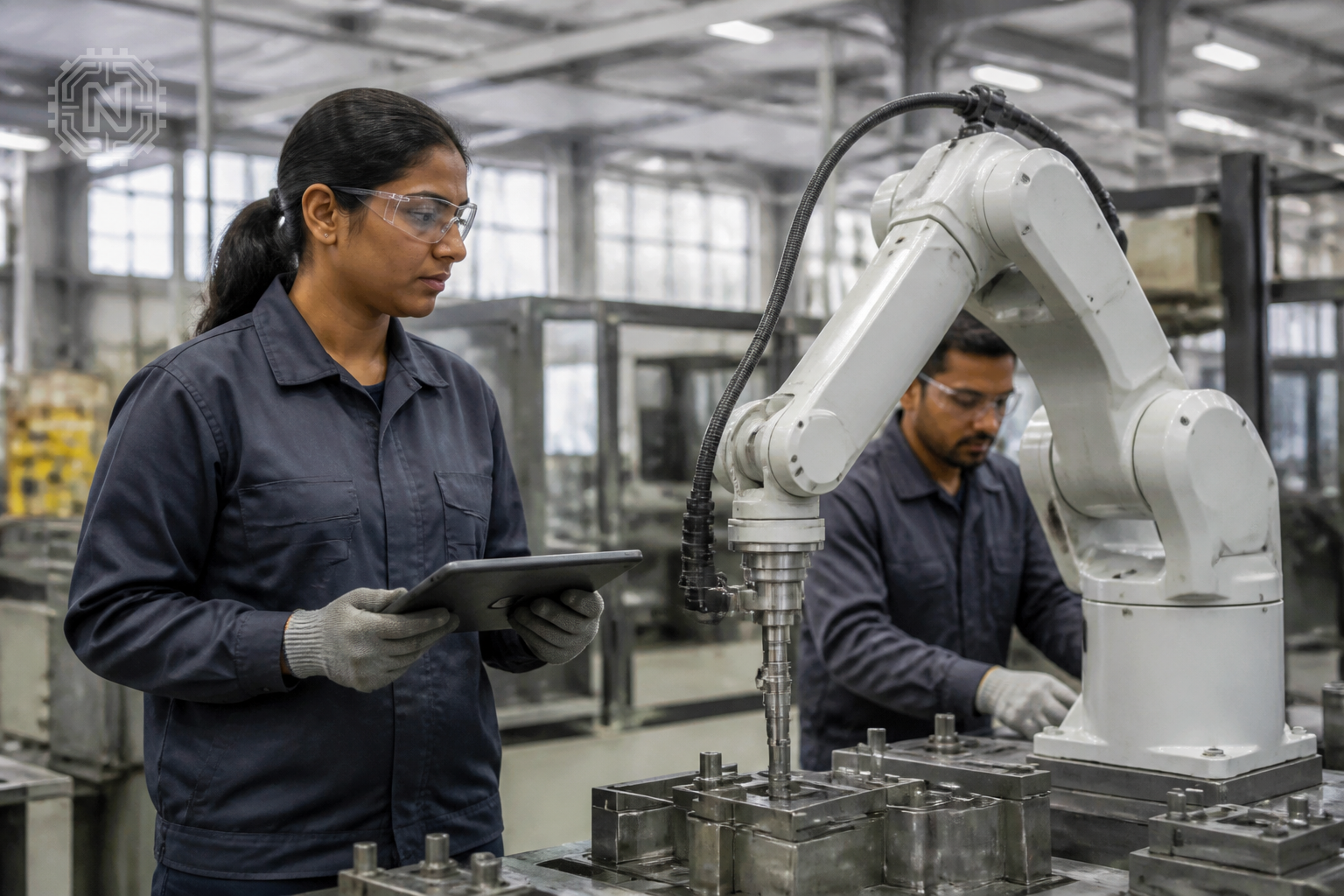
Businesses must prepare for a future where AI complements human work, emphasizing workforce training and adaptable organizational structures.
Investing in education, especially in STEM fields, is vital. Public-private partnerships can accelerate AI adoption while safeguarding employment levels.
Why AI's Employment Impact Matters
- Ensures economic stability amid technological change.
- Prevents social inequality and unrest.
- Maximizes AI's productivity benefits for growth.
Future outlook: Will AI threaten jobs in India?
The future of AI and employment in India looks cautiously optimistic. While some roles will change or disappear, many new opportunities will arise, especially in tech and digital services.
Proactive policies and investments in human capital are key to maintaining employment levels. India's large, young population provides a foundation for a resilient digital economy.
Experts suggest that, with proper planning, AI can be a tool for economic inclusion rather than a source of mass displacement. The emphasis should be on lifelong learning and adaptability.
"AI's impact on jobs depends largely on policy choices and investment in skills development."
Tech Economist
Editorial Sources
- World Bank Official Site
- Indian Ministry of Electronics and Information Technology
- Indian Space Research Organisation
- OECD Artificial Intelligence Policy Observatory
- International Labour Organization (ILO) on AI and jobs
- McKinsey & Company report on AI and employment
- Harvard Business Review on AI's future in work
Conclusion
The World Bank's findings challenge the narrative that AI will inevitably cause widespread unemployment in India. Instead, they highlight the importance of strategic policies, investment in human capital, and industry adaptation to ensure AI benefits are broadly shared. As automation advances, India's economic resilience and proactive approach could turn AI into a driver of growth rather than a source of disruption.
Frequently Asked Questions
Will AI cause mass unemployment in India?
The World Bank suggests AI's impact will be moderate, with opportunities for growth and job creation rather than widespread layoffs.
What sectors in India are most affected by AI?
Technology, finance, and customer service see the most AI-driven changes, while agriculture and manufacturing may face gradual shifts.
How can India prepare for AI's impact on jobs?
Investing in digital literacy, reskilling programs, and infrastructure development are key strategies.
Are there government policies supporting AI employment?
Yes, India has initiatives focusing on digital skills, AI research, and inclusive growth.
What opportunities does AI create in India?
New roles in AI development, data analysis, digital services, and tech-enabled industries are emerging.
Is AI replacing human workers or augmenting them?
In India, AI is primarily augmenting roles, improving productivity, and enabling new job types.
How does AI impact small and medium enterprises in India?
AI can help SMEs increase efficiency, access new markets, and innovate, provided they have adequate support.
What is the future outlook for AI and employment in India?
With proactive policies, AI could boost economic growth and job quality rather than cause displacement. For more on Artificial Intelligence, explore Newtechzy. You can also review our Privacy Policy and Cookie Policy, or learn more About us.
Related Topics
Stay informed on AI's evolving role in employment and economy. Explore our detailed analyses and get in touch to discuss future-ready strategies.
Start Your Journey Today!


