


Quick Summary
- AI is enhancing demand forecasting accuracy.
- Automation is streamlining warehouse operations.
- Predictive analytics are reducing supply chain disruptions.
- Real-time data is improving inventory management.
- Sustainability is a growing focus with AI solutions.
AI in supply chain management is transforming logistics and operations, with businesses increasingly relying on technology to enhance efficiency. In 2026, five key trends are emerging that showcase how AI is reshaping the landscape. These trends include improved demand forecasting, automation in warehouses, and enhanced inventory management. Explore more Artificial Intelligence coverage on Newtechzy.
Understanding these developments is crucial for businesses aiming to stay competitive. As supply chains become more complex, leveraging AI can provide significant advantages in operational efficiency and cost reduction.
AI in Supply Chain Management: Key Trends
AI in supply chain management is not just a buzzword; it’s a necessity for modern businesses looking to optimize operations. One significant trend is the improvement in demand forecasting through machine learning algorithms. These systems analyze historical data and market conditions to predict future demand accurately, which helps companies reduce excess inventory and avoid stockouts.
According to a report by McKinsey, companies that implement AI-driven demand forecasting can reduce forecasting errors by up to 50%, leading to significant cost savings. This enhanced accuracy allows businesses to make informed decisions and respond swiftly to changing market dynamics.
Automation of Warehouse Operations
Another major trend is the automation of warehouse operations. Robotics and AI technologies are streamlining processes such as picking, packing, and sorting. Automated guided vehicles (AGVs) and robotic arms are now commonplace in warehouses, significantly increasing throughput and reducing labor costs.
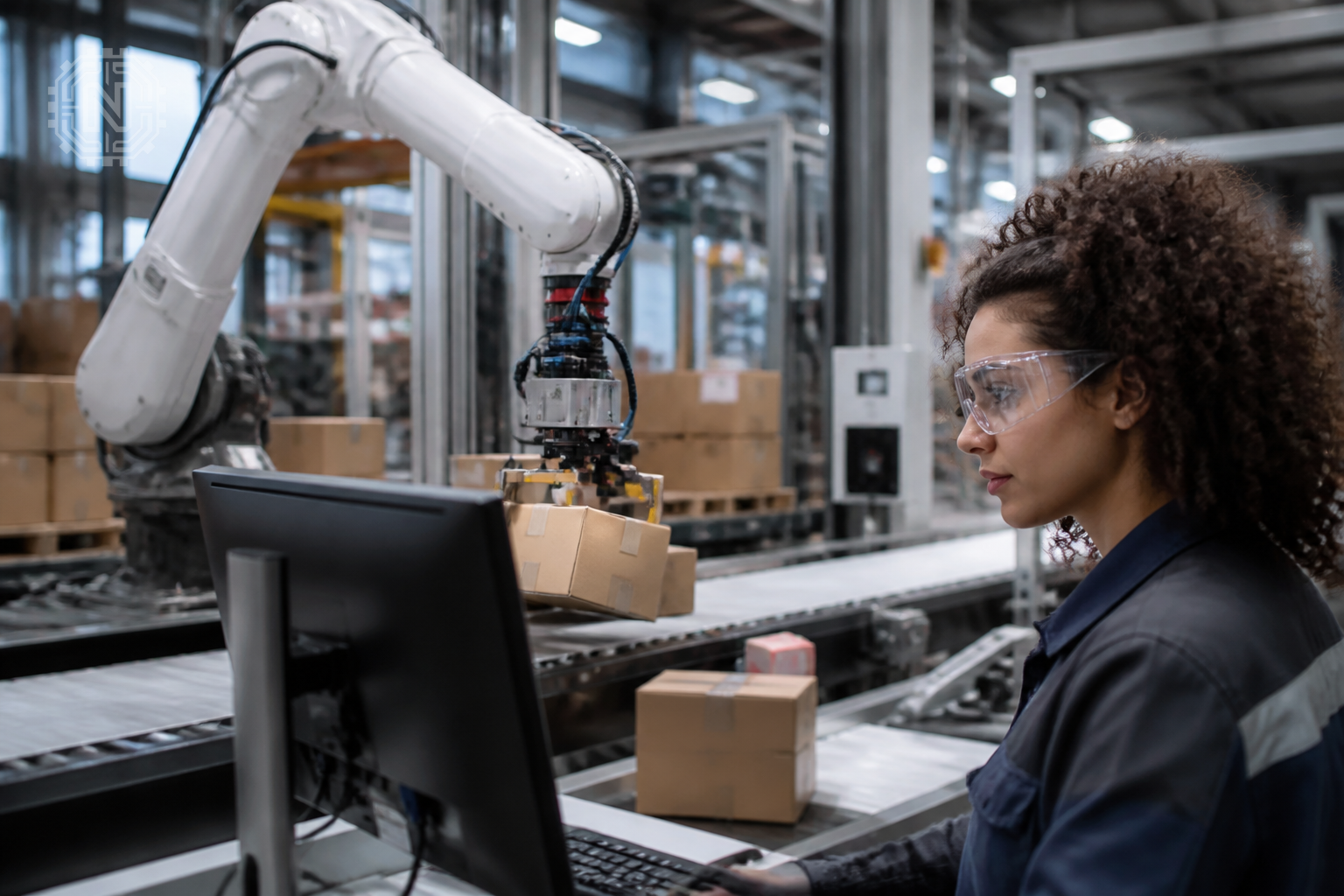
For instance, Amazon has heavily invested in robotics to enhance its fulfillment centers, which has resulted in faster order processing times. This shift not only boosts efficiency but also allows human workers to focus on higher-level tasks that require critical thinking.
Predictive Analytics for Disruption Management
Predictive analytics is becoming essential for managing supply chain disruptions. By leveraging historical data and real-time insights, companies can anticipate potential disruptions and proactively address them. This capability is especially crucial in today’s volatile market environment.
For example, during the COVID-19 pandemic, companies that utilized predictive analytics were better equipped to navigate supply chain challenges. They could quickly identify alternative suppliers and adjust their logistics strategies, minimizing downtime.
Real-Time Data Integration
Real-time data integration is another critical component of AI in supply chain management. With the advent of IoT devices, businesses can now gather data from various points in the supply chain, from production to delivery. This data provides valuable insights that can enhance decision-making processes.

By integrating real-time data, companies can monitor inventory levels, track shipments, and respond to customer demands promptly. This agility is vital for maintaining a competitive edge in the market.
Sustainability Focus with AI Solutions
As sustainability becomes a priority for many organizations, AI is playing a pivotal role in achieving these goals. AI solutions can optimize routes for transportation, reducing fuel consumption and emissions.
For instance, companies like Unilever are using AI to analyze their supply chain processes and identify areas for reducing environmental impact. This not only aligns with corporate social responsibility but also appeals to environmentally conscious consumers.
Editorial Sources
Conclusion
AI in supply chain management is set to reshape the industry in 2026. By embracing these trends, businesses can enhance efficiency, reduce costs, and improve sustainability. Staying ahead of these developments is crucial for maintaining a competitive edge.
Frequently Asked Questions
What is AI in Supply Chain Management?
AI in Supply Chain Management refers to the use of artificial intelligence technologies to optimize and automate supply chain processes.
How is AI transforming supply chain operations?
AI transforms supply chain operations by improving demand forecasting, enhancing inventory management, and streamlining logistics.
What are the benefits of using AI in supply chain management?
Benefits include increased efficiency, reduced costs, improved accuracy in forecasting, and enhanced decision-making capabilities.
What trends in AI are shaping supply chain management in 2026?
Trends include predictive analytics, autonomous vehicles, AI-driven robotics, blockchain integration, and advanced data analytics.
How does predictive analytics work in supply chains?
Predictive analytics uses historical data and AI algorithms to forecast future demand and optimize inventory levels.
What role does automation play in AI-driven supply chains?
Automation in AI-driven supply chains reduces manual tasks, speeds up processes, and minimizes human error.
How is AI improving inventory management?
AI improves inventory management by analyzing data to optimize stock levels and reduce excess inventory.
What challenges do companies face when implementing AI in supply chains?
Challenges include data quality issues, integration with existing systems, and the need for skilled personnel. For more on Artificial Intelligence, explore Newtechzy. You can also review our Privacy Policy and Cookie Policy, or learn more About us.
Related Topics
Curious about how AI can transform your supply chain? Explore our resources or get in touch with our experts to learn more!
Start Your Journey Today!


