


Quick Summary
- AI in Education is reshaping traditional learning methods.
- Personalized learning experiences are becoming the norm.
- AI tools help teachers streamline administrative tasks.
- Major tech companies are investing heavily in educational AI.
- Future classrooms will be more interactive and engaging.
AI in Education is rapidly transforming how students learn and interact with educational content. In 2026, innovative technologies are reshaping traditional classrooms into dynamic, personalized learning environments. These advancements are not just enhancing engagement but also improving educational outcomes for students across various age groups.
As schools and universities increasingly adopt AI technologies, it's essential to understand the implications of these changes. The integration of AI is fostering an environment where personalized learning can thrive, allowing educators to tailor instruction to meet individual student needs.
AI in Education: What It Means for Learning
AI in Education refers to the use of artificial intelligence technologies to enhance teaching and learning processes. This includes tools that adapt to individual learning styles, provide real-time feedback, and automate administrative tasks for educators. With these technologies, students can receive personalized instruction that caters to their unique strengths and weaknesses.
For example, platforms like Knewton utilize AI to analyze student performance and adjust learning materials accordingly. This targeted approach not only improves student engagement but also fosters a deeper understanding of the material.
How AI is Enhancing Personalized Learning
Personalized learning is one of the most significant benefits of AI in Education. By leveraging data analytics, AI can track student progress and identify areas needing improvement. This allows for customized learning plans that adapt in real time.
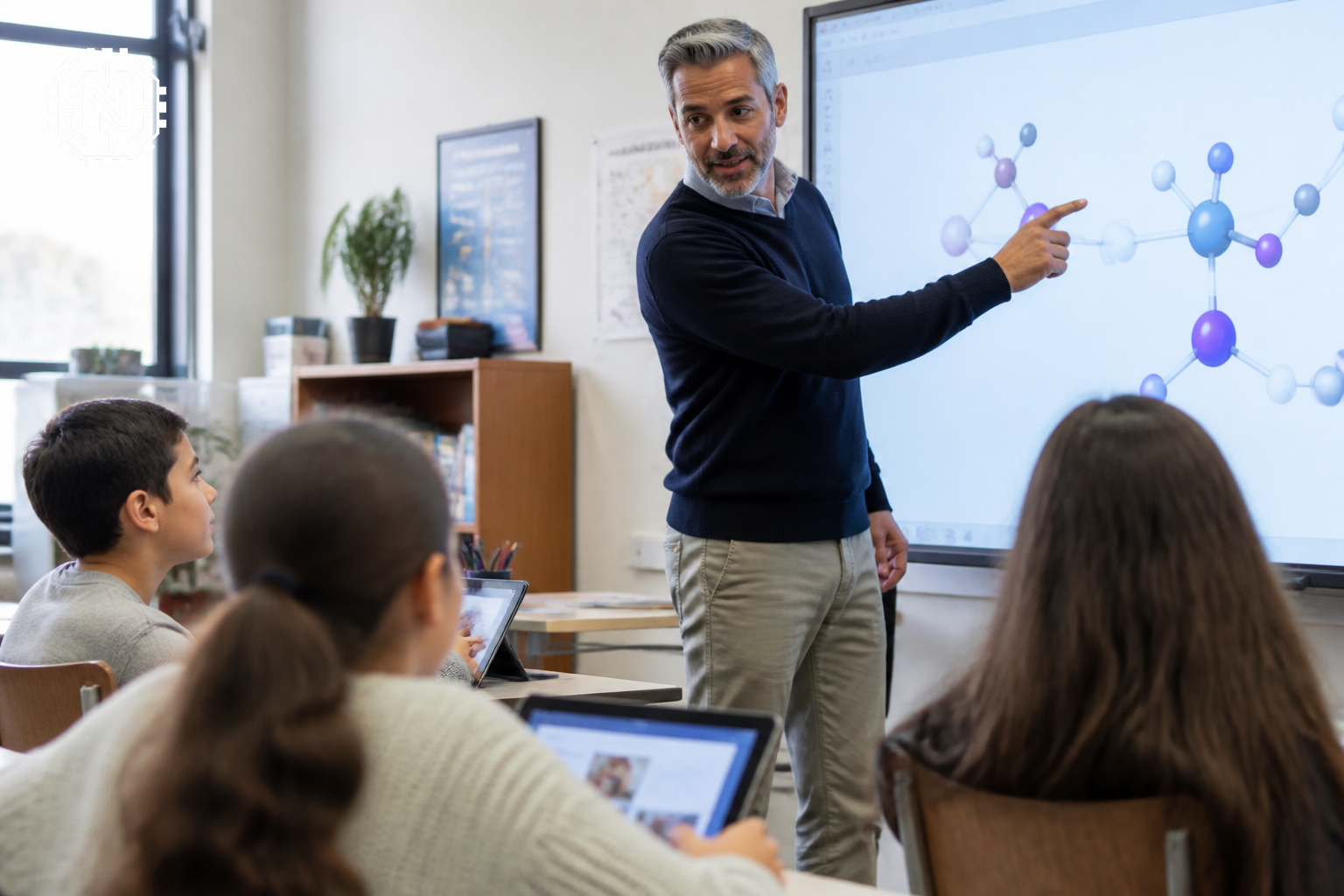
For instance, AI-driven platforms can recommend resources tailored to each student's learning pace. This level of customization ensures that no student is left behind and that every learner can reach their potential.
The Role of AI Tools in Administrative Efficiency
AI tools are not only beneficial for students but also for educators. By automating routine tasks such as grading and attendance tracking, teachers can focus more on instruction and less on administrative burdens. Software like Gradescope uses AI to streamline grading processes, providing instant feedback to students.
This efficiency allows educators to dedicate more time to developing interactive lessons and engaging with students, ultimately enhancing the overall learning experience.
Current Trends in AI and Educational Technology
Several current trends are shaping the landscape of AI in Education. Institutions are increasingly investing in smart classrooms equipped with AI technologies that facilitate interactive learning experiences. Tools like virtual reality (VR) and augmented reality (AR) are becoming more common, allowing students to engage with content in immersive ways.
Moreover, major tech companies such as Google and Microsoft are pushing the boundaries of educational AI with their respective platforms, providing educators with innovative tools to enhance learning.
Expert Insights on AI's Future in Education
Experts predict that AI will continue to play a pivotal role in education, with advancements in machine learning and natural language processing. These technologies will further enhance personalized learning experiences and improve educational outcomes.
As noted by an Education Week report, the future of AI in Education looks promising, with potential to address various learning gaps and provide equitable access to quality education.
Challenges and Considerations for AI in Education
Despite the numerous benefits, there are challenges associated with implementing AI in Education. Concerns about data privacy and the digital divide must be addressed to ensure equitable access to these technologies.

Furthermore, educators must be adequately trained to use these tools effectively. Continuous professional development will be essential as technology evolves and becomes more integrated into the classroom.
What’s Next for AI in Education?
The future of AI in Education is bright, with ongoing research and development aimed at enhancing learning experiences. We can expect to see more adaptive learning technologies, improved AI-driven assessments, and a greater emphasis on data-driven decision-making in educational settings.
As AI continues to evolve, educators and institutions must remain agile, ready to adopt new technologies that can further enhance the learning process. The goal should always be to create more inclusive and effective educational environments.
Conclusion
AI in Education is not just a trend; it's a transformative force reshaping how students learn and educators teach. As these technologies evolve, the potential for enhanced learning experiences continues to grow.
Frequently Asked Questions
How is AI changing education in 2026?
AI is personalizing learning experiences, enabling adaptive learning platforms, and providing real-time feedback to enhance student engagement.
What are the benefits of AI in education?
AI offers personalized learning paths, automates administrative tasks, and helps educators identify student needs effectively.
Are there risks associated with AI in education?
Potential risks include data privacy concerns, over-reliance on technology, and the need for proper teacher training.
How does AI support teachers in the classroom?
AI tools assist teachers by automating grading, providing insights on student performance, and suggesting tailored resources.
What role does AI play in remote learning?
AI enhances remote learning through intelligent tutoring systems and interactive platforms that adapt to individual student needs.
Can AI improve student outcomes?
Yes, AI can enhance student outcomes by offering customized learning experiences and timely interventions based on performance data.
What types of AI tools are used in education?
Common AI tools include intelligent tutoring systems, chatbots for student support, and data analytics platforms for performance tracking.
How is AI being integrated into curricula?
AI is integrated into curricula through coding classes, data science courses, and by incorporating AI ethics into discussions. For more on Artificial Intelligence, explore Newtechzy. You can also review our Privacy Policy and Cookie Policy, or learn more About us.
Related Topics
Curious about the latest in educational technology? Explore more insights and stay informed on how AI is shaping the future of education.
Start Your Journey Today!


