The health and fitness landscape of Tuesday, March 31, 2026, is dominated by a profound technological shift where wearable devices have transitioned from passive trackers to proactive health architects. According to the American College of Sports Medicine's (ACSM) latest 2026 report, wearable technology remains the number one global trend, but its capabilities have reached a new zenith with the integration of advanced molecular biosensors. Today's high-end wearables no longer stop at heart rate; they now monitor blood pressure, continuous blood glucose, and even interstitial fluid biomarkers in real-time, providing a level of metabolic insight once reserved for clinical laboratory settings.
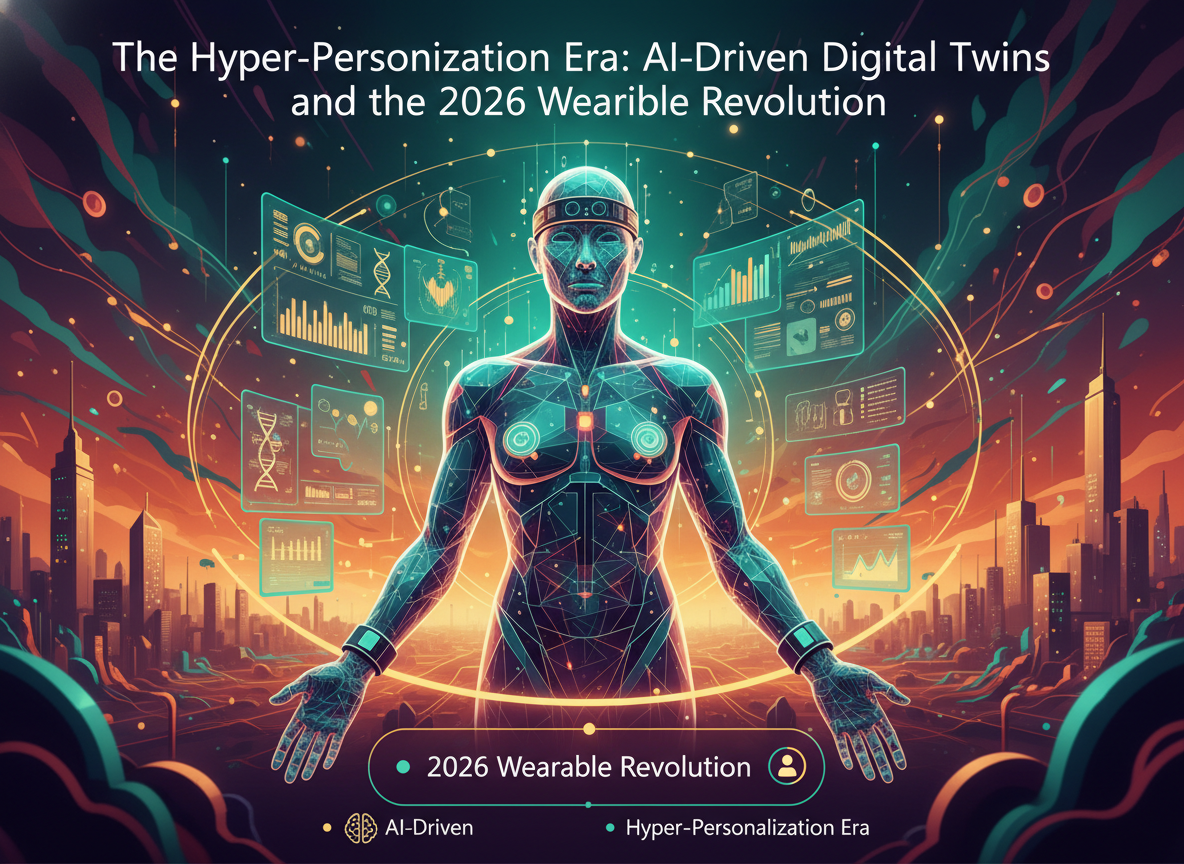
At the heart of this revolution is the rise of Digital Twin technology, a concept that has migrated from high-tech manufacturing into the mainstream wellness industry. By aggregating data from smart rings, clothing-integrated sensors, and even internal bio-implants, AI platforms can now construct a virtual model of a user's physiology. This digital twin allows individuals to simulate the impact of specific workouts, nutritional choices, or sleep deprivation before they actually occur. This predictive capability is transforming how athletes and fitness enthusiasts approach their daily routines, shifting the focus from reactive recovery to preemptive physiological management.
Artificial Intelligence has become the backbone of this ecosystem, acting as a hyper-intelligent coach that understands the nuances of the human body better than ever before. These AI systems analyze heart rate variability (HRV), skin temperature, and hormonal rhythms to adjust training loads on the fly. If a user’s digital twin indicates a high risk of injury or burnout due to poor recovery markers, the AI will automatically recalibrate the day’s planned high-intensity interval session into a restorative mobility flow. This seamless integration ensures that fitness remains a sustainable, life-long pursuit rather than a cycle of overexertion and injury.
The integration of wearable data is also reshaping the traditional gym environment, as 68 percent of gym members now expect their local facilities to sync directly with their personal devices. In 2026, the modern gym is a 'smart facility' that recognizes a member the moment they walk in, automatically adjusting resistance machines and cardio equipment based on the user's current readiness score. This hybrid model bridges the gap between home-based activity and in-person professional coaching, creating a unified digital journey where every movement is tracked, analyzed, and optimized for the user's specific biological needs.
Metabolic health has moved to the forefront of the 2026 fitness conversation, largely driven by the mass adoption of non-invasive continuous glucose monitors (CGMs). These devices, which have become significantly more affordable and smaller this year, allow users to see exactly how different foods and exercise modalities affect their blood sugar stability. This trend has birthed a new category of 'metabolic coaching,' where personal trainers use real-time glycemic data to tailor nutrition plans that prevent energy crashes and optimize fat oxidation, moving away from generic calorie counting to precise bio-data management.
Privacy and data sovereignty have emerged as critical topics as we move through 2026, with major tech firms introducing 'Biological Consent' protocols. These features allow users to choose exactly which biometric data points are shared with their trainers, insurance providers, or fitness apps. The move toward decentralized health data ensures that while users benefit from the predictive power of AI, they remain in full control of their most intimate biological information. This shift is crucial for maintaining public trust in an era where health data is increasingly seen as a form of 'bio-currency' that can influence everything from insurance premiums to workplace wellness programs.
The 2026 wearable trend also highlights a major demographic shift toward active aging and inclusive fitness. Devices now feature sophisticated fall-detection and gait-analysis algorithms that help older adults maintain independence while staying physically active. The 'Strength for Longevity' movement is utilizing these wearables to track muscle quality and bone density markers, ensuring that training programs for the over-60 population are both safe and highly effective. This focus on healthspan—the number of years lived in good health—is replacing traditional aesthetic-based goals across all age groups.
Looking toward the end of 2026 and into 2027, the trend is moving toward 'Invisible Tech,' where biosensors are woven directly into the fabric of everyday clothing or applied as temporary epidermal electronic tattoos. This removes the friction of wearing bulky hardware, making 24/7 health monitoring a truly seamless experience. As we reflect on the developments of this March, it is clear that the fusion of biology and technology has finally reached a point where the 'one-size-fits-all' approach to health is officially a relic of the past, replaced by a future of radical, data-driven personalization.