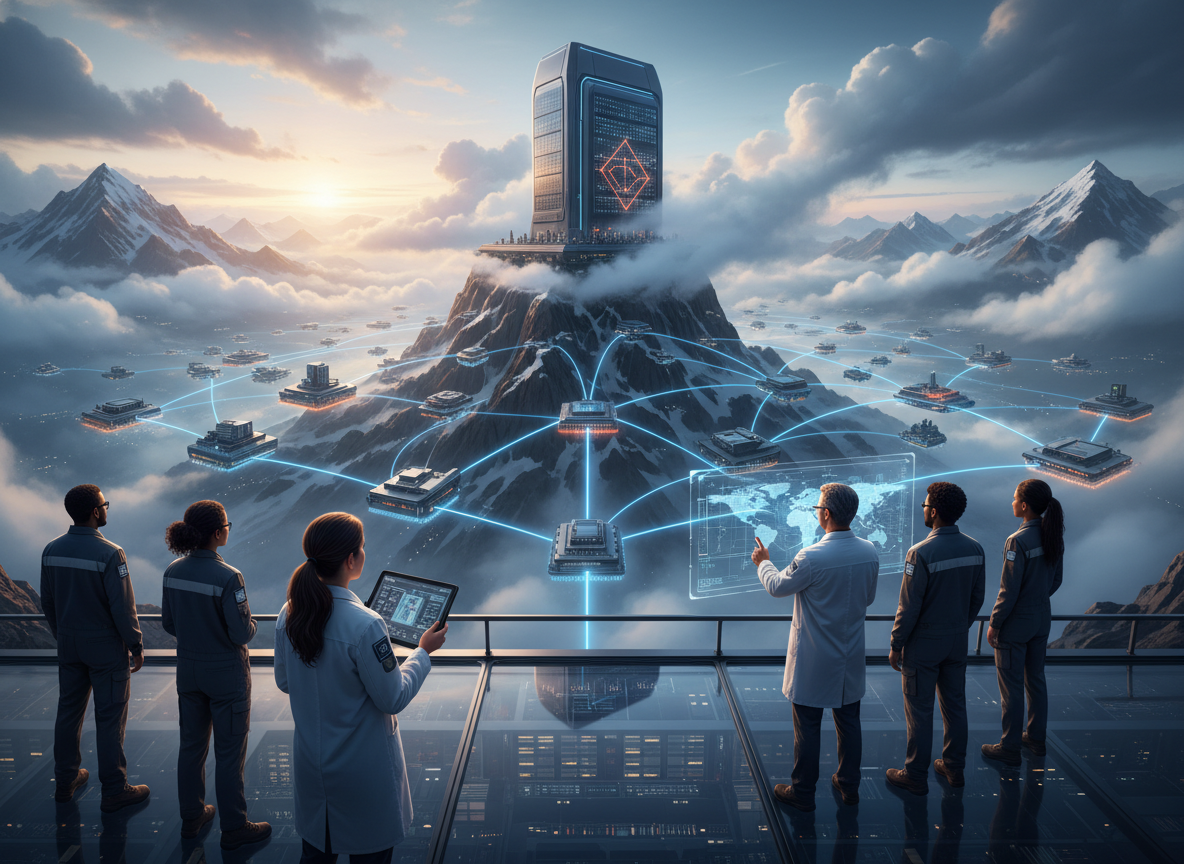
The morning of April 10, 2026, marks a historic shift in the global labor landscape as new data confirms that the traditional divide between white-collar and blue-collar professions has effectively dissolved. For decades, the professional world was bifurcated into clerical management and manual labor, but the rapid integration of sophisticated generative AI has fundamentally altered this hierarchy. Today, mid-level managerial and administrative roles that once defined the middle class are being rapidly automated, leading to a massive reassessment of career value across developed nations.
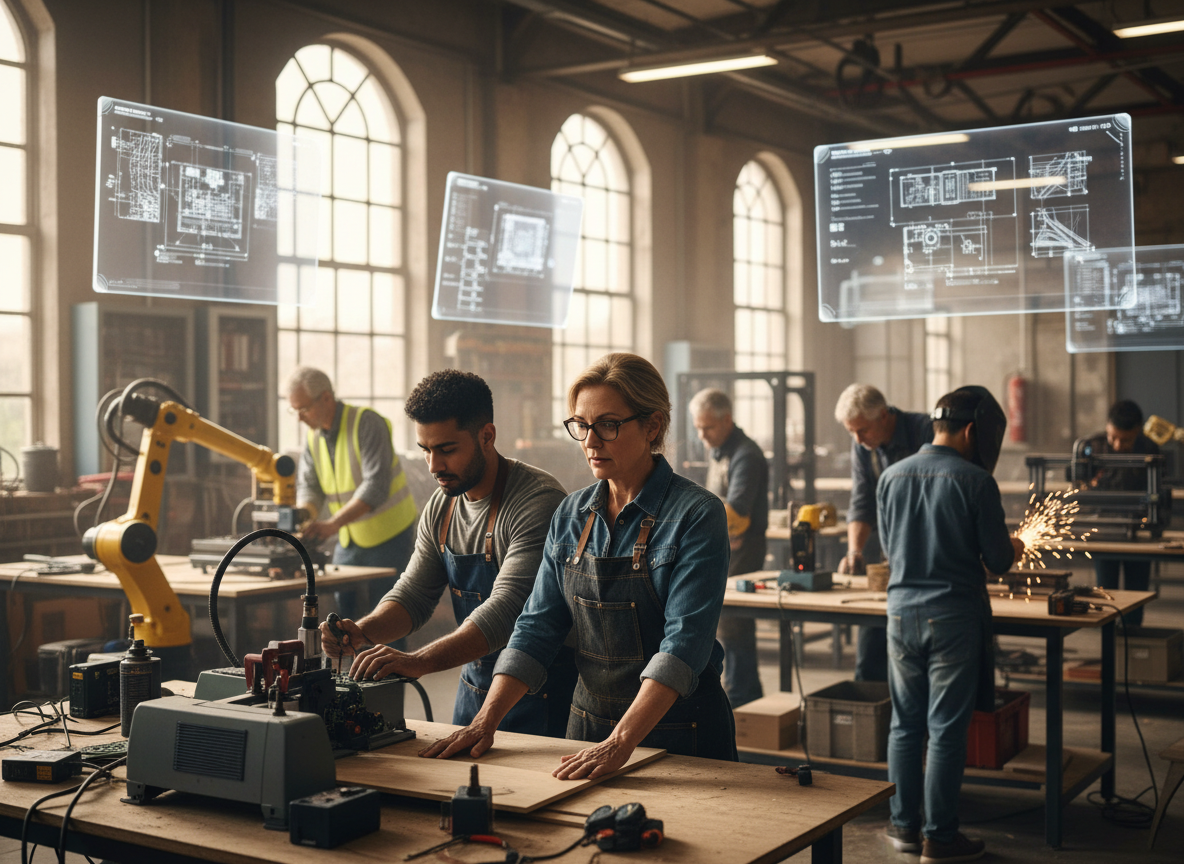
In the United States and Europe, recent reports indicate a significant migration of former office professionals into high-skilled trades such as advanced electrical engineering, green infrastructure plumbing, and precision manufacturing. This trend is driven by the realization that while AI can manage complex data and produce intricate reports, it still lacks the tactile dexterity and real-world problem-solving capabilities required for physical infrastructure. Consequently, the demand for skilled technicians has skyrocketed, with wages in these sectors growing by an unprecedented 15 percent in the last fiscal year alone.
Educational institutions are scrambling to keep pace with this vocational renaissance as traditional university enrollment for liberal arts and general management degrees continues to dwindle. Major universities are now partnering with industry leaders to launch accelerated technical certification programs that prioritize hands-on expertise over theoretical frameworks. Governments have responded by expanding federal investment in workforce development, recognizing that the re-industrialization of the 21st century requires a new breed of highly educated, technically proficient manual workers.
The economic ripple effects of this shift are most visible in the demographic changes within urban centers where the 'new artisan' class is replacing the traditional corporate clerk. This demographic shift is not just about employment but also about social perception, as vocational professions are increasingly viewed with the same prestige once reserved for legal or medical careers. The stability and high earning potential of these roles have made them the primary targets for Gen Z and Alpha workers who seek resilience in an AI-dominated economy.
Technology itself is playing a dual role in this transition by providing the very tools that make these trades more accessible and efficient for new entrants. Augmented reality headsets and real-time AI assistants are now standard equipment for technicians, allowing them to diagnose complex mechanical failures with pinpoint accuracy and receive live training while on the job. This synergy between human dexterity and machine intelligence is creating a productivity boom that many economists believe will offset the initial job losses seen in the clerical sectors.
However, the transition has not been without its challenges as many older workers in the white-collar sector struggle to adapt to the physical demands of their new vocations. Public policy experts are calling for more robust social safety nets and comprehensive retraining grants to ensure that the AI-driven displacement does not lead to long-term structural unemployment. The goal is to create a seamless pathway for workers to transition from digital environments to physical ones without losing their economic standing.
Globally, the shift away from low-cost production bases in East Asia has further intensified the need for domestic skilled labor in the West. As supply chains become more localized to reduce carbon footprints and geopolitical risks, the value of the 'on-shore' technician has never been higher. This trend toward regionalized manufacturing is expected to define the next decade of global trade, making vocational excellence a key indicator of national economic health.
As we look toward the remainder of 2026, the success of this labor market transformation will depend on continued collaboration between the tech industry and the public sector. The focus must remain on empowering the human workforce with the skills needed to thrive alongside AI, rather than in competition with it. Ultimately, the great career pivot of 2026 represents a return to tangible value, where the ability to build, maintain, and innovate in the physical world is once again the cornerstone of the global economy.