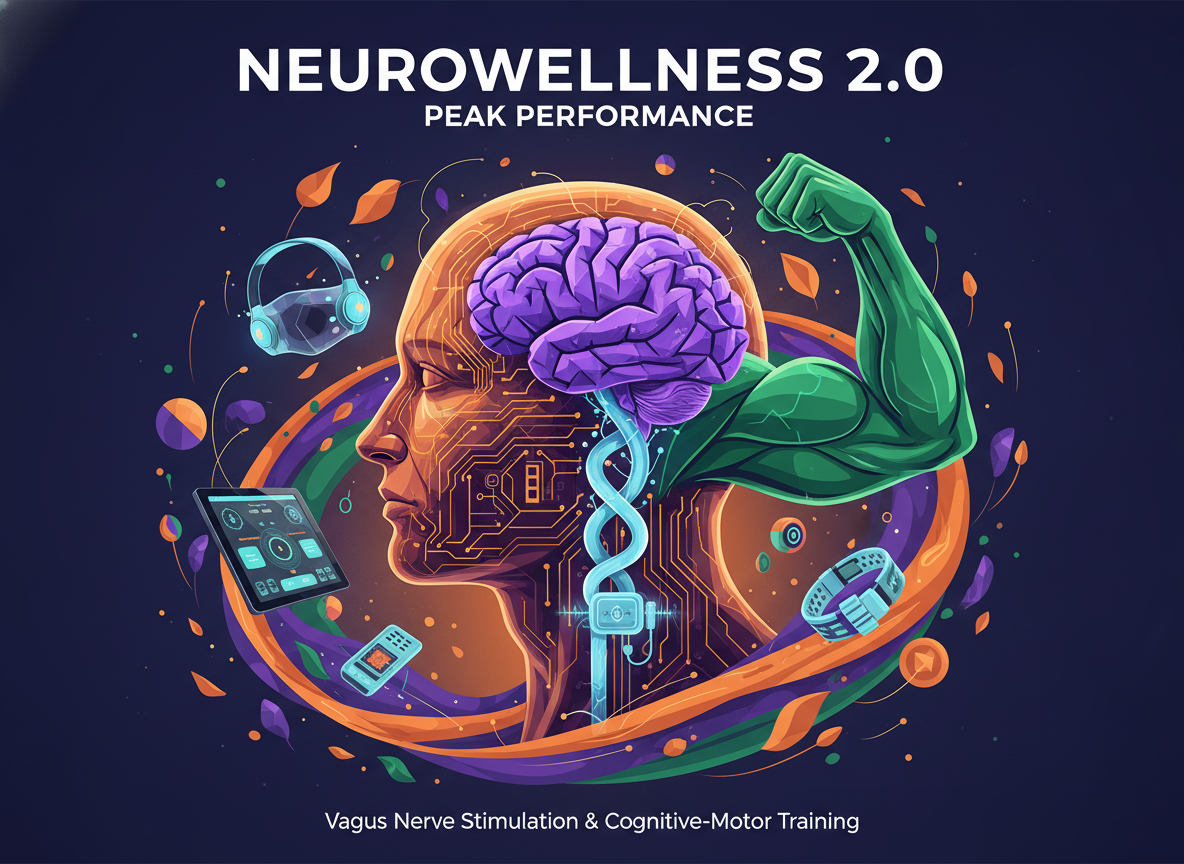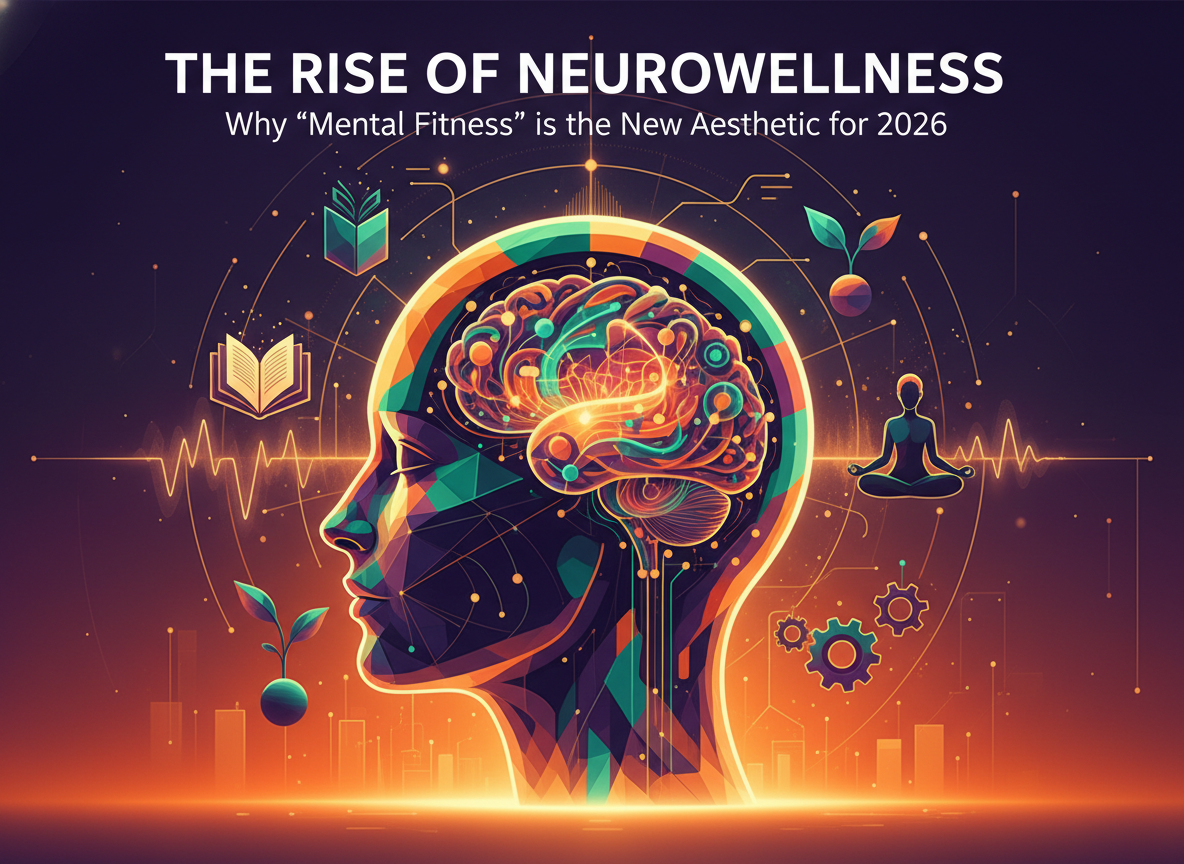
As of March 31, 2026, the 'no pain, no gain' philosophy that defined the fitness industry for decades has been largely replaced by a more nuanced, scientifically-backed focus on 'Neurowellness.' This term, which has dominated wellness discourse throughout the first quarter of the year, refers to the use of technology and specific lifestyle practices to manually regulate the nervous system. Consumers are no longer just chasing lower body fat percentages; they are seeking 'mental fitness'—the ability to remain resilient, focused, and calm in an increasingly complex world. This shift represents a maturation of the fitness industry from pure aesthetics to holistic well-being.
The 'JOMO' (Joy of Missing Out) movement has officially overtaken the 'FOMO' culture of the early 2020s. In the context of 2026 fitness, JOMO translates to an intentional rejection of high-pressure, comparison-based workout environments in favor of presence and self-care. Gyms across the world are responding by creating 'Low-Intensity Zones' and removing mirrors from certain areas to reduce 'gymtimidation' and performance anxiety. On World Mental Health Day earlier this year, several major gym chains even removed all weights from their floors, replacing them with meditation pods and breathwork stations to emphasize that mental health is the strongest foundation for physical strength.
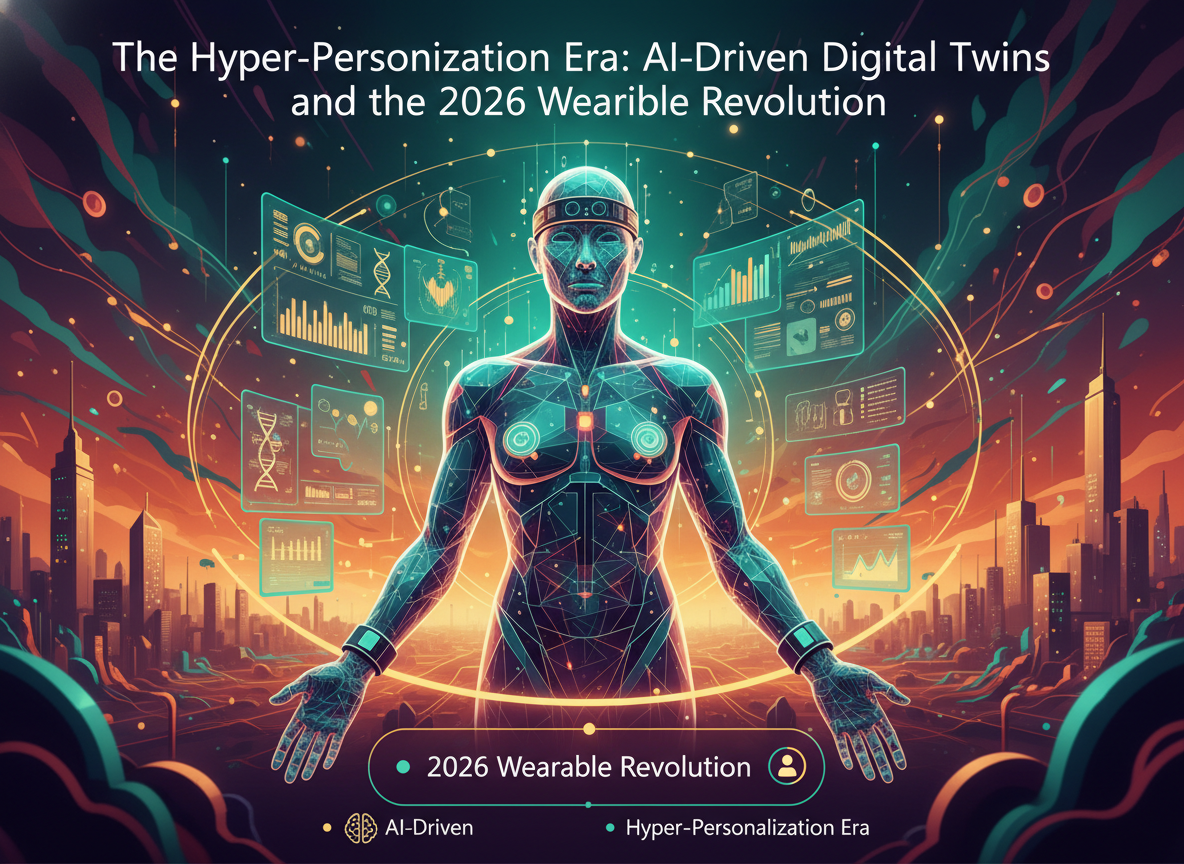
Technology is playing a pivotal role in this neurowellness transition through the mass adoption of portable EEG headbands and vagus nerve stimulators. These devices allow users to track their brainwave patterns and stress levels in real-time, much like they would track their heart rate during a run. In 2026, a 'successful' workout is often measured by how quickly a user can transition from a sympathetic (fight-or-flight) state to a parasympathetic (rest-and-digest) state following exercise. This 'recovery agility' is now considered a key marker of elite athletic performance and general health.
The 'Zone Zero' training trend has exploded in popularity this March, focusing on ultra-low-intensity movement that prioritizes lymphatic drainage and nervous system soothing over caloric burn. Activities like somatic stretching, slow-flow yoga, and mindful walking are now the fastest-growing segments of the fitness market. For Gen Z specifically, wellness has become a deeply social experience centered around these low-stress activities. Community-based 'wellness clubs' that offer a mix of gentle movement, infrared saunas, and social connection are seeing record-high enrollment, outpacing traditional high-intensity boutique studios.
Nutritional focus in 2026 has similarly shifted toward 'Cognitive Nutrition'—foods and supplements specifically designed to support brain health and emotional stability. Nootropics, adaptogens, and anti-inflammatory diets are no longer niche; they are mainstream staples. As of today, March 31, new regulations in regions like Texas concerning hemp-derived products are also prompting a shift toward more standardized, pharmaceutical-grade wellness supplements that target the endocannabinoid system to manage anxiety and sleep quality without the psychoactive effects of traditional THC products.
Sleep optimization has evolved from a 'lifestyle nice-to-have' into a core pillar of fitness programming. In 2026, personal trainers are as likely to review a client's sleep biomarkers—such as hormonal rhythms and sleep stage analysis—as they are to check their bench press progress. AI-driven sleep systems that adjust room temperature, lighting, and sound frequencies based on real-time biometric feedback have become common in health-conscious households. The goal is to maximize the brain's 'glymphatic' clearing process, which is now understood to be essential for preventing long-term neurodegenerative decline.
Gym infrastructure is being redesigned to support this neurological focus, with 'Regenerative Gyms' becoming the gold standard. These facilities use biophilic design, incorporating natural light, indoor forests, and living walls to lower cortisol levels the moment a member enters. Many of these gyms also utilize energy-generating cardio equipment, where the physical effort of the members helps power the facility’s wellness recovery suite. This connection between personal health and environmental sustainability is a major driver for the eco-conscious consumer of 2026, who views their fitness routine as part of a larger ecological ecosystem.
As we look toward the remainder of 2026, the integration of mental and physical fitness is expected to become even more seamless. We are seeing the rise of 'Neuro-Athleticism,' where cognitive drills are integrated into physical training to enhance focus under pressure. Whether it’s a professional athlete or a busy executive, the target is the same: a high-performing brain in a resilient body. By prioritizing neurowellness today, the fitness world is finally acknowledging that the most important muscle we can ever train is the one between our ears, setting the stage for a future where health is defined by how we feel and think, not just how we look.