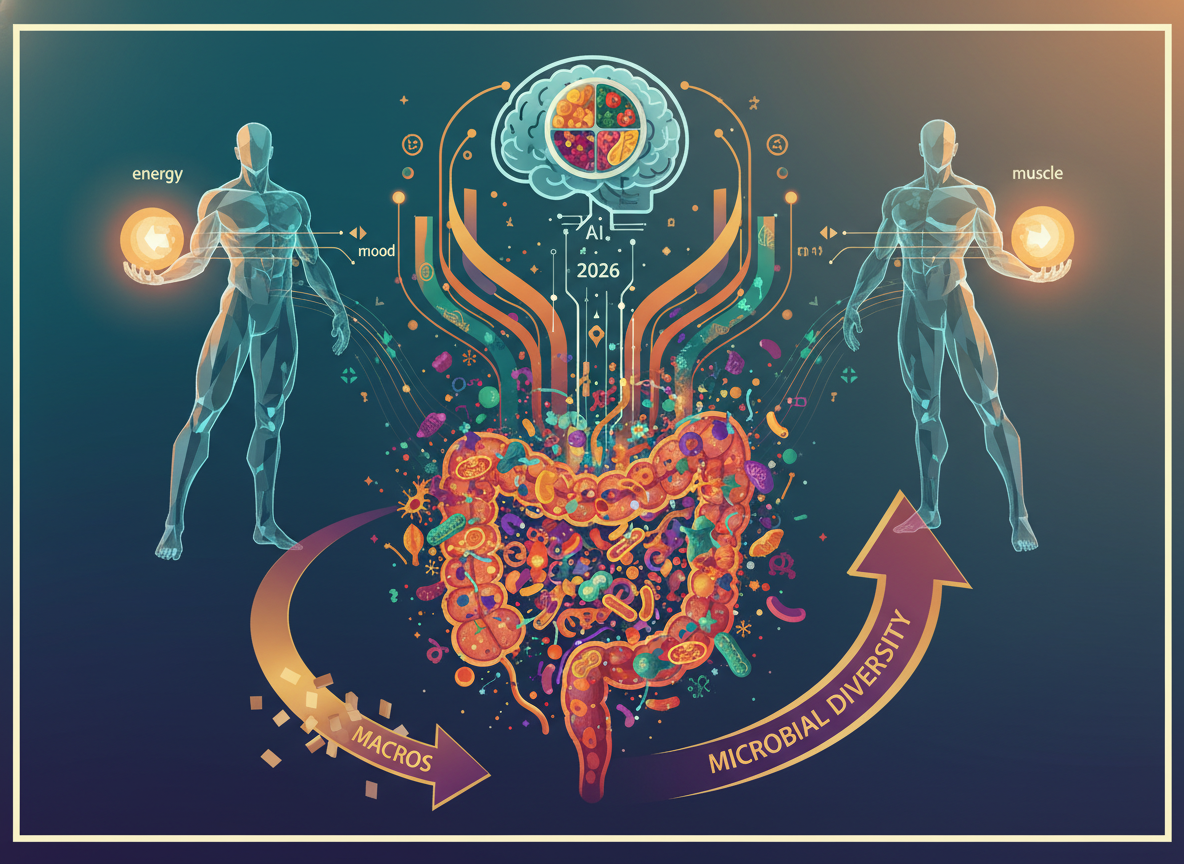
In March 2026, the nutrition industry has officially entered its 'Precision Era.' The old 'if it fits your macros' philosophy has been replaced by 'if it fits your microbes.' As our understanding of the gut-organ axis deepens, the focus has shifted entirely toward cultivating a diverse and resilient microbiome. Using AI-driven analysis of stool and breath samples, consumers are now receiving hyper-personalized dietary prescriptions that go far beyond basic food groups, targeting specific bacterial strains to optimize everything from serotonin production to fat metabolism.
A major breakthrough in 2026 has been the rise of 'Postbiotics'—the metabolic byproducts of probiotics that perform the actual work in the body. While probiotics were the focus of the last decade, 2026 is about the direct supplementation of short-chain fatty acids like butyrate and urolithin A. These compounds are being integrated into 'Smart Foods' designed to repair the gut lining and reduce systemic inflammation, allowing athletes to recover faster and office workers to maintain sharper focus throughout the day.
The 2026 'Microbiome-First' startups are scaling rapidly, offering continuous monitoring via wearable sensors that track fermentation gases in the gut. These devices provide a real-time 'Bloat Score' and 'Energy Index' on a user's smartwatch, alerting them when a certain food is causing dysbiosis. This instant feedback loop has made it possible for individuals to identify food sensitivities with surgical precision, eliminating the need for restrictive 'elimination diets' that were common in the early 2020s.
AI-driven meal delivery services have also pivoted to this model. By 2026, your weekly meal kit is no longer just 'vegetarian' or 'paleo'; it is formulated based on your latest microbiome test. If your gut is low in *Akkermansia muciniphila*, your meals will be rich in specific polyphenols like pomegranate and cranberry to boost that specific strain. This 'Nutritional Engineering' is proving to be far more effective for sustainable weight management and metabolic health than simple caloric restriction.
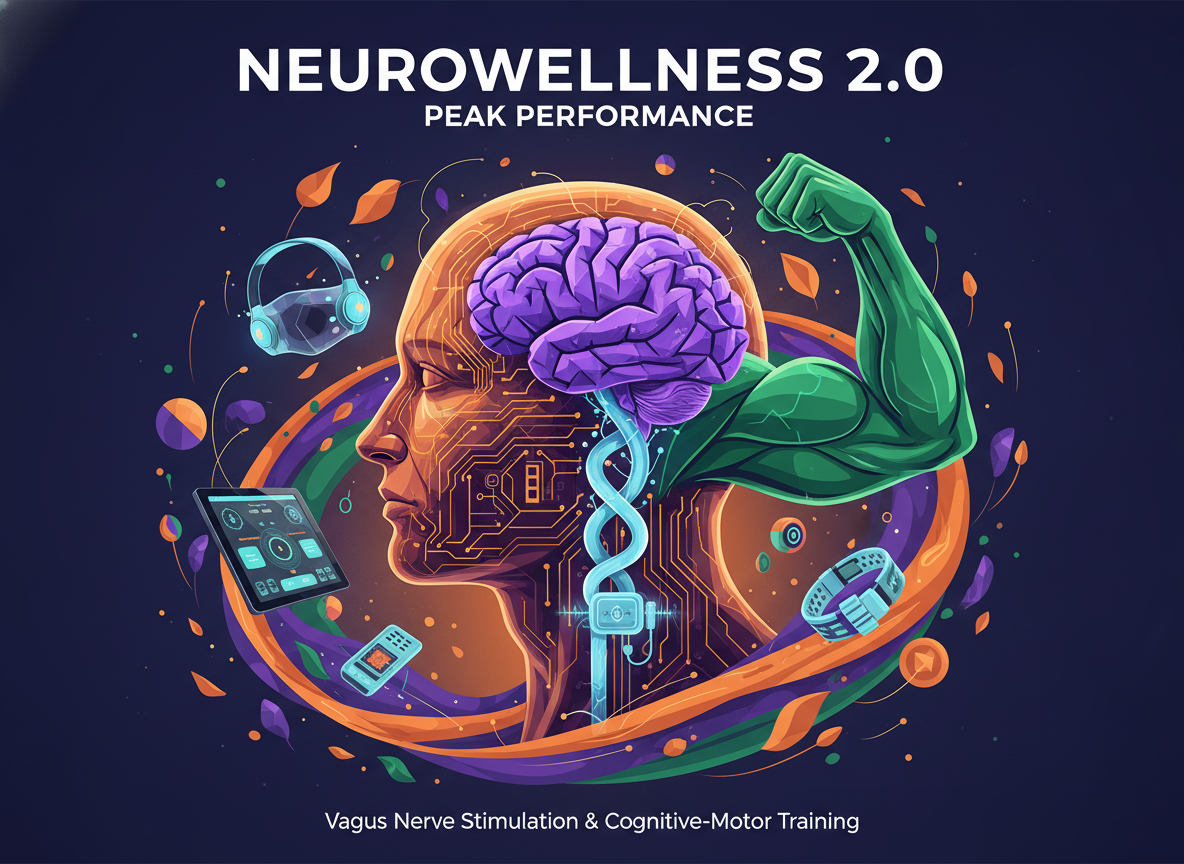
Another fascinating trend in 2026 is the link between gut health and 'Neurowellness.' New research into the gut-brain axis has identified specific 'Psychobiotics'—strains of bacteria that can alleviate symptoms of anxiety and depression. As a result, 2026 has seen a surge in 'Mood-Boosting' fermented beverages and snacks that are clinically proven to modulate cortisol levels. Mental health is now being treated through the stomach, and 'Gut-Brain Training' has become a staple in holistic fitness programs.
Precision fermentation is the silent engine of the 2026 nutrition market. This technology allows for the creation of identical-to-nature proteins and fibers in a lab, tailored to be highly bioavailable and easy on the digestive system. We are seeing a new wave of 'Bio-Identical' whey and collagen that provide all the muscle-building benefits without the bloating or ethical concerns of traditional animal agriculture. These ingredients are now staples in the diets of elite 2026 athletes seeking every possible performance edge.
The 'Life-Stage Nutrition' movement has also embraced the microbiome. Special protocols have been developed for perimenopause, aging, and childhood development, recognizing that the gut's needs change as we age. For older adults in 2026, the focus is on 'Microbiome Resilience' to prevent the age-related decline in immune function known as 'immunosenescence.' Fiber-rich, anti-inflammatory protocols are being prescribed as a primary defense against the diseases of aging, replacing the multivitamin as the daily health foundation.
As we look forward, the 'Microbiome-Mapping' of entire populations is providing public health officials with unprecedented data on the links between diet and chronic disease. By the end of 2026, we expect to see 'Gut-Healthy' certifications on restaurant menus becoming as common as gluten-free labels. The message for 2026 is clear: look after your 100 trillion microbial partners, and they will look after you. The era of generic nutrition is dead; the era of the personal ecosystem has begun.