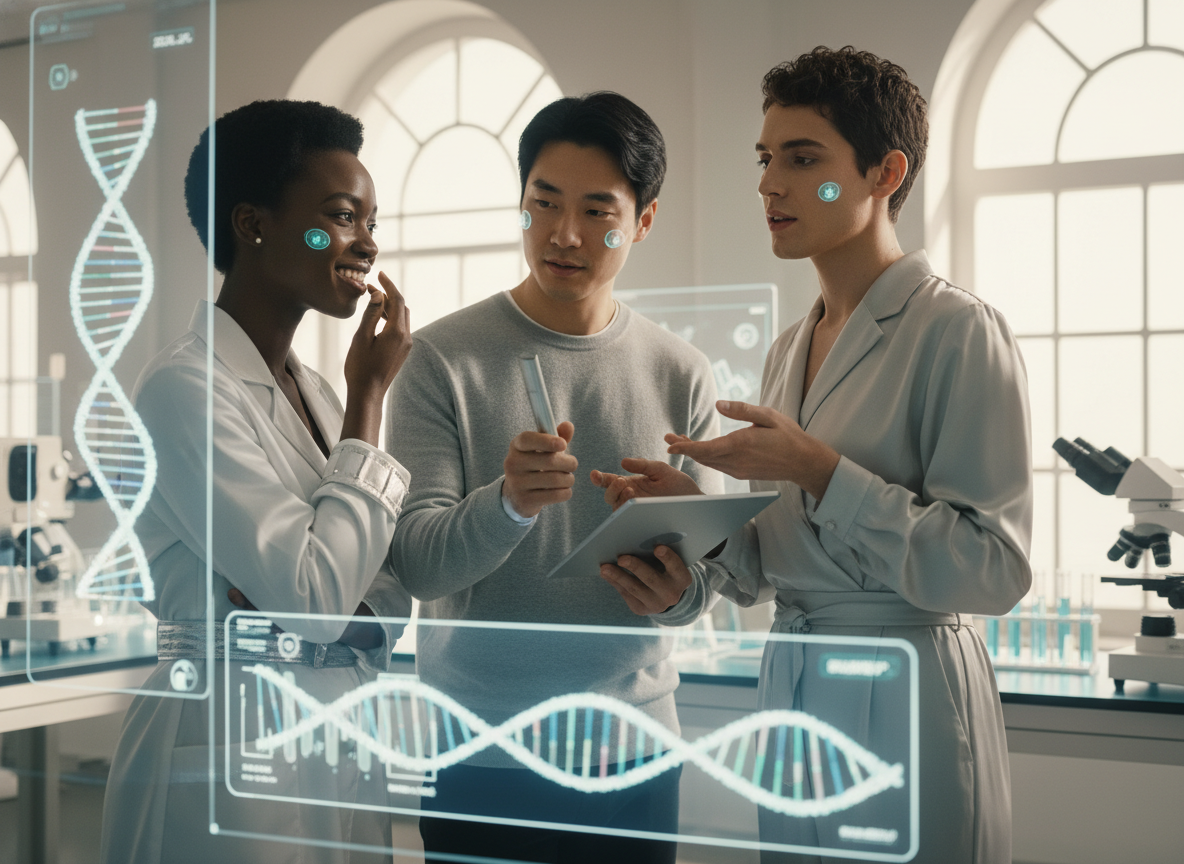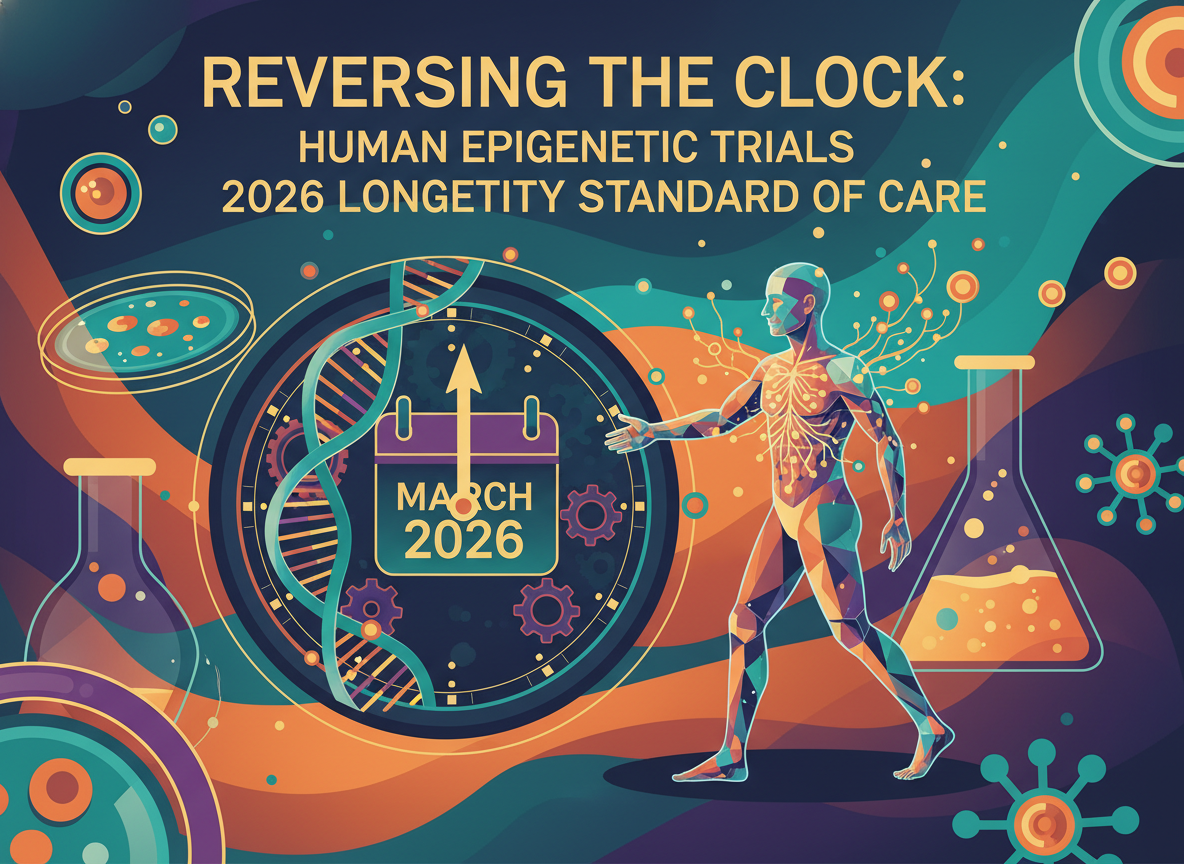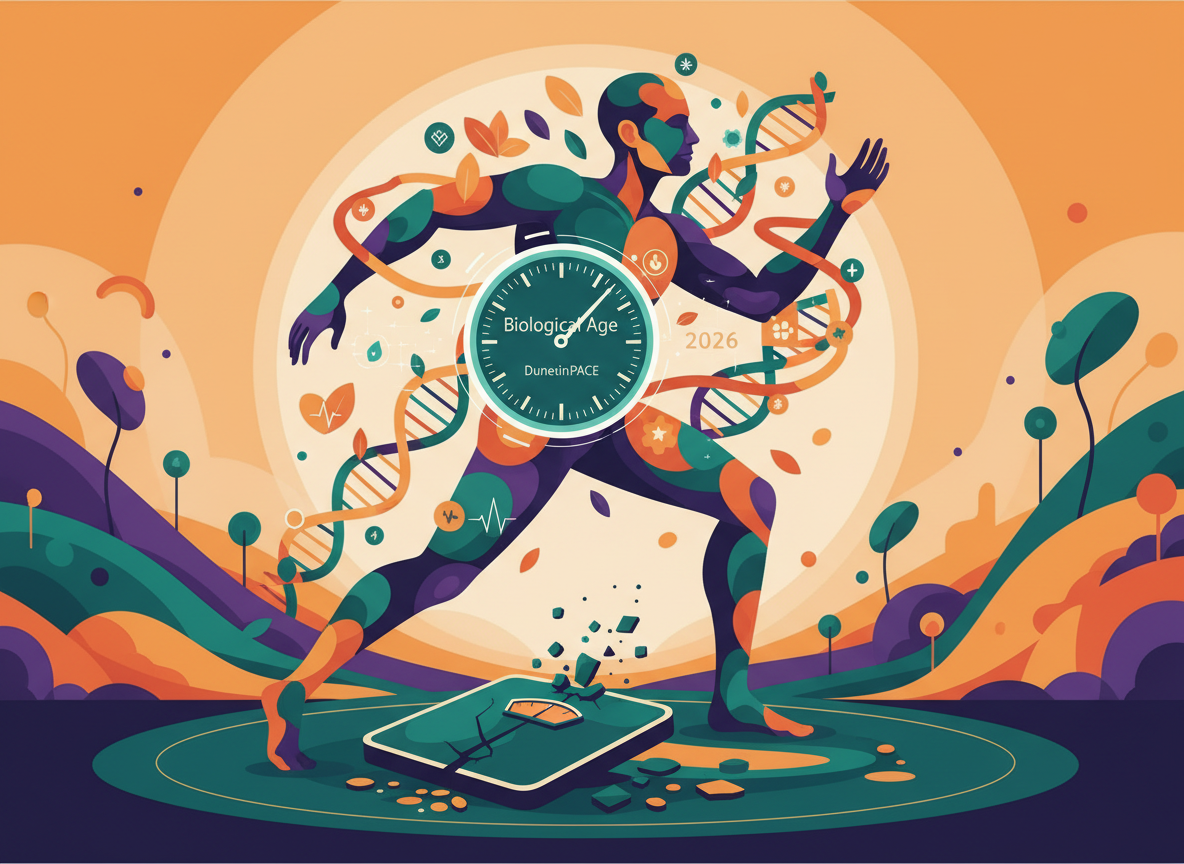
In the spring of 2026, the most sought-after number in the fitness world isn't a target weight or a body fat percentage; it's a 'Pace of Aging' score. The shift toward epigenetic fitness has officially gone mainstream, with millions of people using saliva and blood-based DNA methylation tests to determine their biological age. These tests, lead by the now-famous DunedinPACE clock, measure the chemical tags on our DNA to see how quickly our cells are deteriorating compared to our chronological years, providing a more accurate reflection of healthspan than any traditional metric.
The massive growth of the longevity economy in early 2026 has been fueled by recent studies showing that specific exercise protocols can actually decelerate, or even marginally reverse, these epigenetic markers. High-intensity interval training (HIIT) combined with strategic Zone 2 cardio has been identified as the 'Gold Standard' for DNA age deceleration. Fitness enthusiasts are now obsessively tracking their 'Epigenetic Velocity,' aiming to age at a rate of 0.8 or lower—meaning for every calendar year that passes, their body only 'ages' 0.8 years biologically.
Longevity clinics are popping up in major cities, replacing traditional boutique gyms. these facilities don't just offer treadmills; they offer 'Multi-Omic' assessments that include proteomic and metabolomic testing. In 2026, a standard gym induction includes a biological age baseline. Trainers then use this data to prescribe 'Longevity Interventions'—a mix of resistance training to preserve telomere length and autophagy-inducing protocols like fasted movement and cold-water immersion to clear out senescent 'zombie' cells.
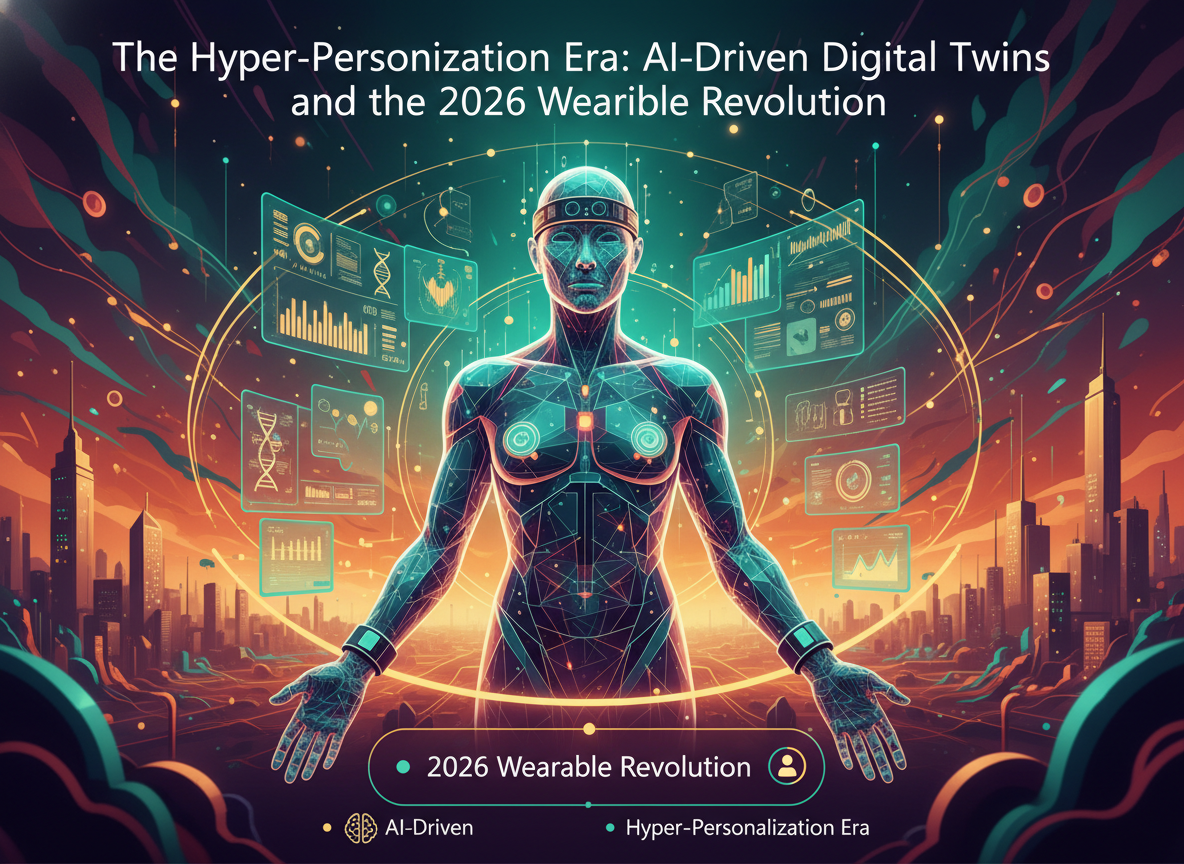
The technology making this possible has become incredibly affordable and user-friendly this year. At-home saliva kits now deliver results to a smartphone app within 48 hours, providing personalized recommendations based on 'Organ-Specific Clocks.' In 2026, you can discover if your heart is aging faster than your lungs and adjust your aerobic training accordingly. This level of precision has turned the fitness journey into a highly technical, data-driven pursuit of cellular optimization.
A groundbreaking study released on March 24, 2026, highlighted the 'Exercise Variety' effect on mortality risk. Researchers found that individuals who engage in a wide diversity of movements—from rock climbing to yoga to heavy lifting—showed the slowest rates of epigenetic aging. This has led to a surge in 'Cross-Functional' memberships, where users ditch the repetitive gym routine for varied, social fitness experiences that challenge both the brain and the body simultaneously, maximizing neuroplasticity alongside muscle mass.
Dietary trends in 2026 have also realigned with epigenetic science. The 'Longevity Diet' of the moment isn't about restriction but about 'Methyl-Donor' richness. Foods high in folate, B12, and specific polyphenols are being marketed as 'Epigenetic Superfoods' capable of supporting the DNA methylation process. Supplements like NAD+ precursors and senolytics like Fisetin have moved from the fringe biohacking community to the shelves of mainstream health stores, often paired with apps that track their direct impact on the user's biological clock.
The cultural impact of biological age testing is profound. We are seeing a 'De-aging' of the workforce, where 60-year-olds with a biological age of 45 are outperforming their younger counterparts in physical and cognitive tasks. This has sparked a national conversation about the definition of 'senior' and 'retirement,' as the 2026 fitness movement effectively pushes the boundaries of human vitality further into the later decades of life than ever before.
As we look toward the second half of 2026, the focus is shifting toward 'Social Epigenetics.' Emerging data suggests that community-based fitness and strong social bonds have a protective effect on DNA methylation. The 'Social Fitness' trend, characterized by run clubs and HYROX-style competitive communities, is being hailed not just for its physical benefits, but for its ability to lower biological age through stress reduction and a sense of belonging. In 2026, health is truly a holistic, cellular, and communal endeavor.