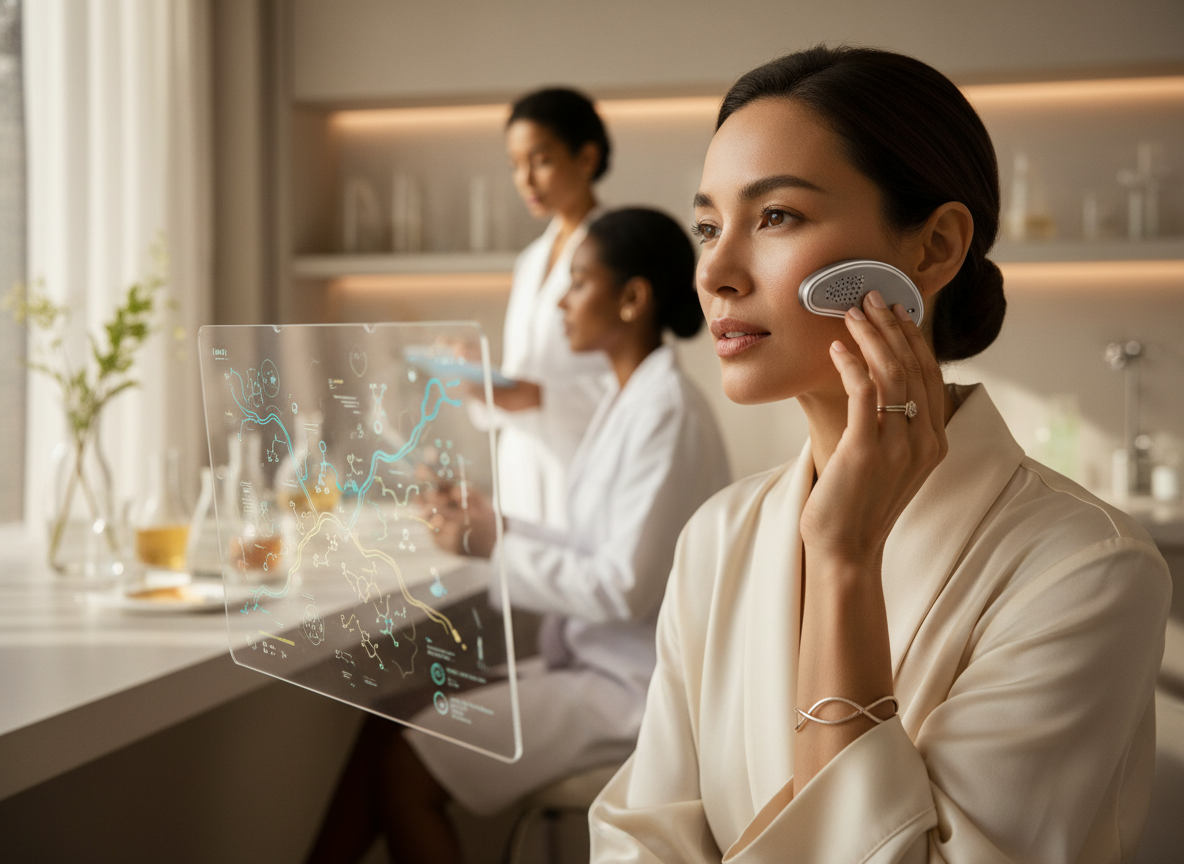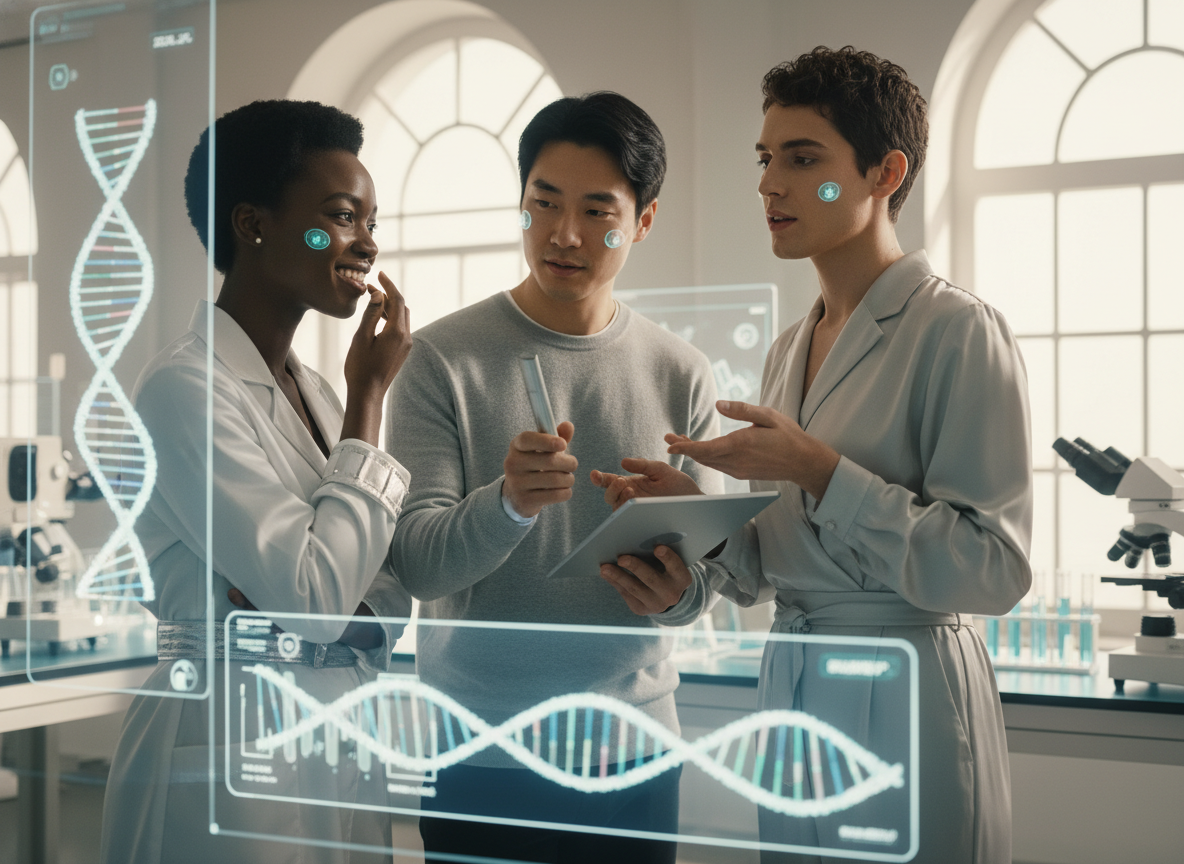
The beauty industry has reached a watershed moment today, April 10, 2026, with the official launch of 'Gen-O'—the world's first fully integrated epigenetic skincare system. This technology moves beyond standard 'skin types' like oily or dry, instead focusing on real-time gene expression. By using a discreet, wearable bio-sensor patch that analyzes interstitial fluid, the system identifies which genes are being 'switched on' or 'off' by environmental stressors like pollution, blue light, and cortisol. This data is then sent to an AI-driven countertop lab that custom-blends a serum for the user every single morning, ensuring the formula is exactly what their skin requires at that precise moment.
Epigenetics, the study of how behaviors and environment cause changes that affect the way your genes work, has been the holy grail of dermatology for years. Today's commercialization of this science means that we can finally address aging at its source. Instead of merely hydrating the surface, these new formulas use micro-encapsulated RNA messengers to signal the skin to produce more collagen or repair damaged barriers. The April 2026 clinical results released this morning show a 65% increase in cellular regeneration rates among users compared to those using traditional high-end moisturizers, a statistic that is sending shockwaves through the cosmetic world.
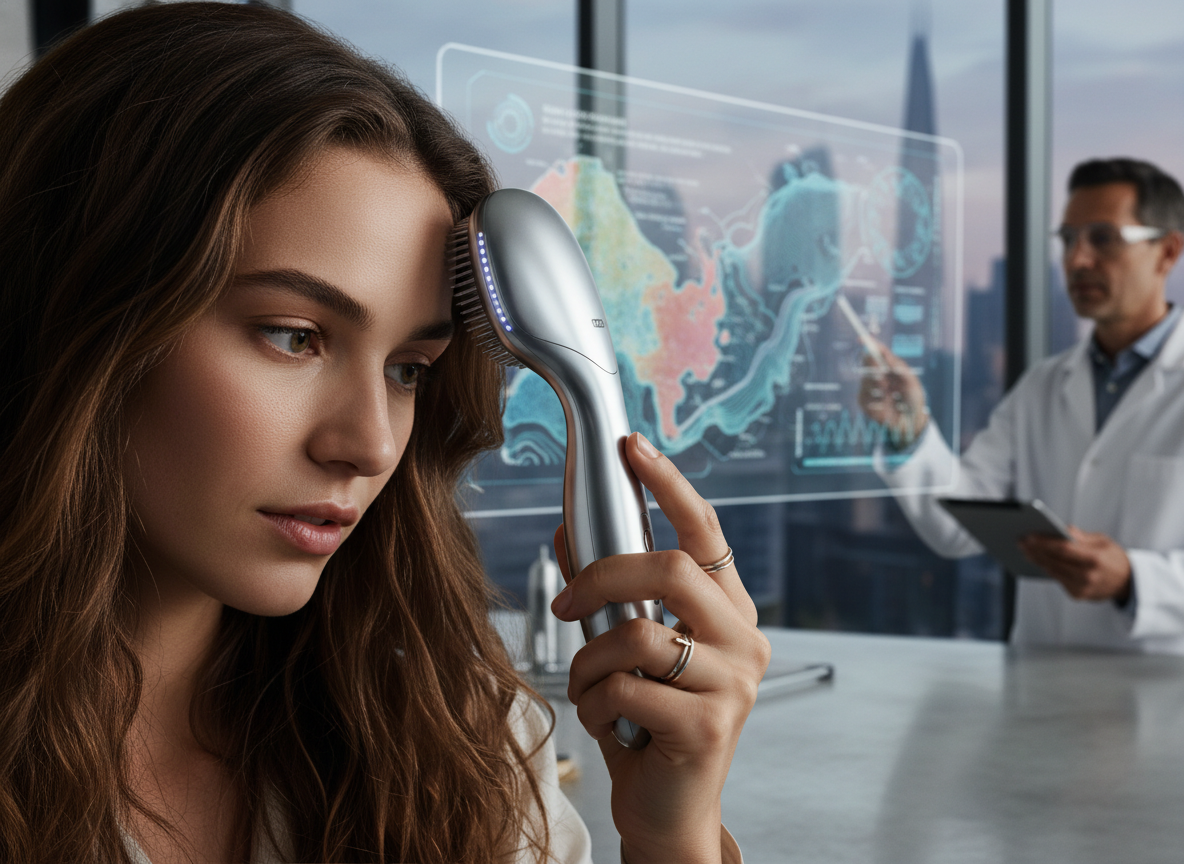
The AI component of this system is what makes it truly revolutionary. It doesn't just look at DNA; it incorporates local weather patterns, air quality indexes, and even the user’s sleep data from their wearable devices. If you had a poor night's rest on April 9, your April 10 serum will be automatically enriched with higher concentrations of caffeine and neuro-peptides to combat inflammation and puffiness. This level of hyper-personalization was unthinkable five years ago and represents the total fusion of wellness, data science, and aesthetic beauty.
Privacy and ethics are, naturally, at the forefront of the conversation today. Critics are questioning the safety of sharing genetic data with beauty corporations. In response, Gen-O and its competitors have implemented 'Bio-Cloud' encryption, a new standard for 2026 that ensures genetic profiles are stored locally on the device rather than on corporate servers. This move has garnered support from consumer advocacy groups, who recognize that while the benefits of epigenetic beauty are vast, the protection of our biological blueprint is paramount. This debate marks a new era of 'Bio-Ethics' in the vanity-driven sectors.
Market analysts are predicting that this breakthrough will lead to the 'death of the generic product.' By the end of 2026, the idea of buying a mass-produced night cream may seem as archaic as using lead-based makeup. Luxury brands are already pivoting, with many announcing the discontinuation of their 'one-size-fits-all' lines in favor of subscription-based personalized bio-labs. This shift is also significantly reducing waste, as the AI-driven mixers use precise amounts of concentrated ingredients, eliminating the need for bulky plastic packaging and reducing the shipping of water-heavy products.
From a consumer perspective, the 'Gen-O' experience is being described as 'therapeutic.' The bio-sensor patch is nearly invisible and can be worn behind the ear, and the daily serum mixing process takes less than thirty seconds. Influencers on April 10 are already sharing 'unboxing' videos of their personalized lab units, which look more like sleek pieces of modern art than medical devices. The aesthetic appeal of the tech is a crucial factor in its rapid adoption by the Gen Alpha and Millennial luxury demographics, who value both efficacy and 'Instagrammable' design.
The long-term implications for dermatological health are profound. Experts suggest that by modulating gene expression early on, we could potentially delay the onset of chronic skin conditions like rosacea or eczema before they even manifest physically. Today's announcements included a roadmap for 'Preventative Bio-Aesthetics,' a field that aims to maintain skin in its 'peak genetic state' indefinitely. This isn't just about looking younger; it's about a fundamental shift in how we perceive the aging process—not as an inevitability, but as a biological variable that can be managed.
As we look at the headlines this evening, the consensus is clear: April 10, 2026, is the day the beauty industry officially became a branch of precision medicine. The convergence of AI, genomics, and consumer tech has created a product that is uniquely 'ours' in the most literal sense. While the price point remains high for now, the rapid advancement of these bio-synthesizers suggests that within the next twenty-four months, epigenetic skincare will be the standard for anyone serious about their skin health. The era of guessing what your skin needs is officially over.