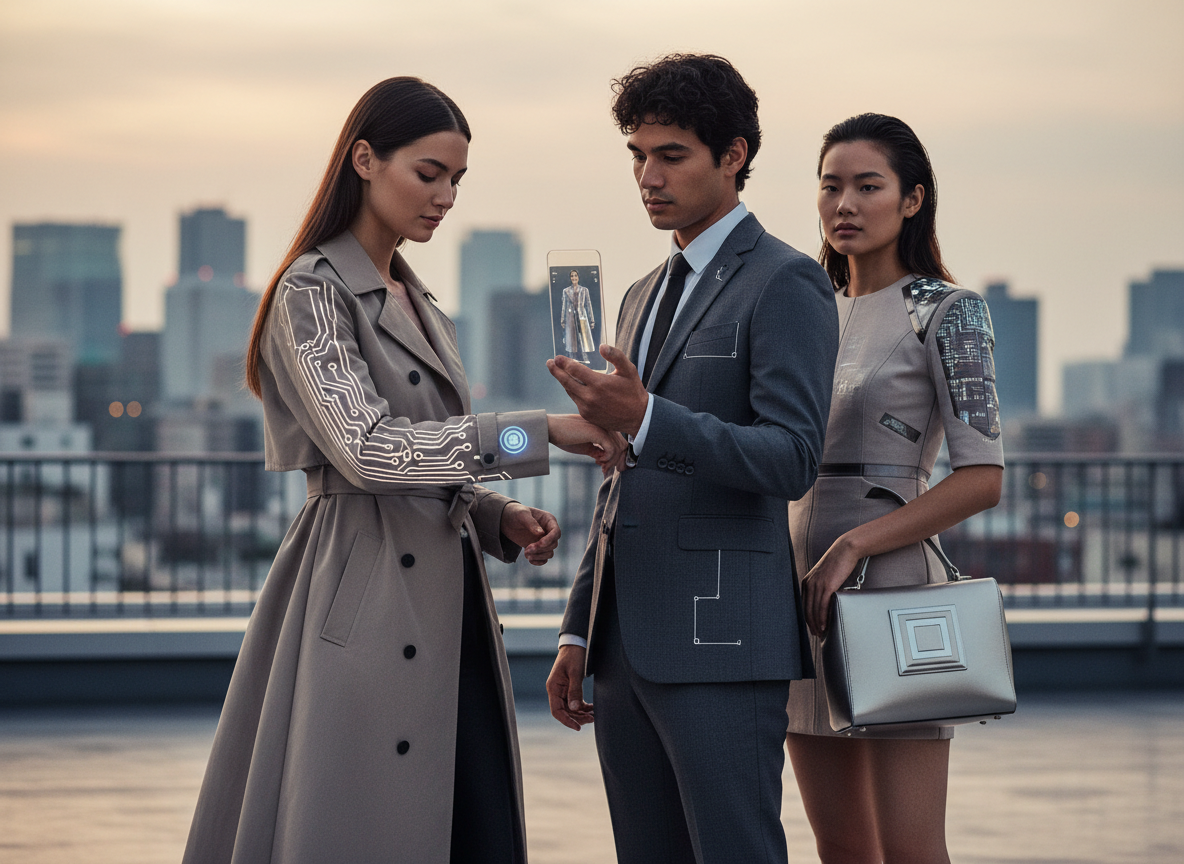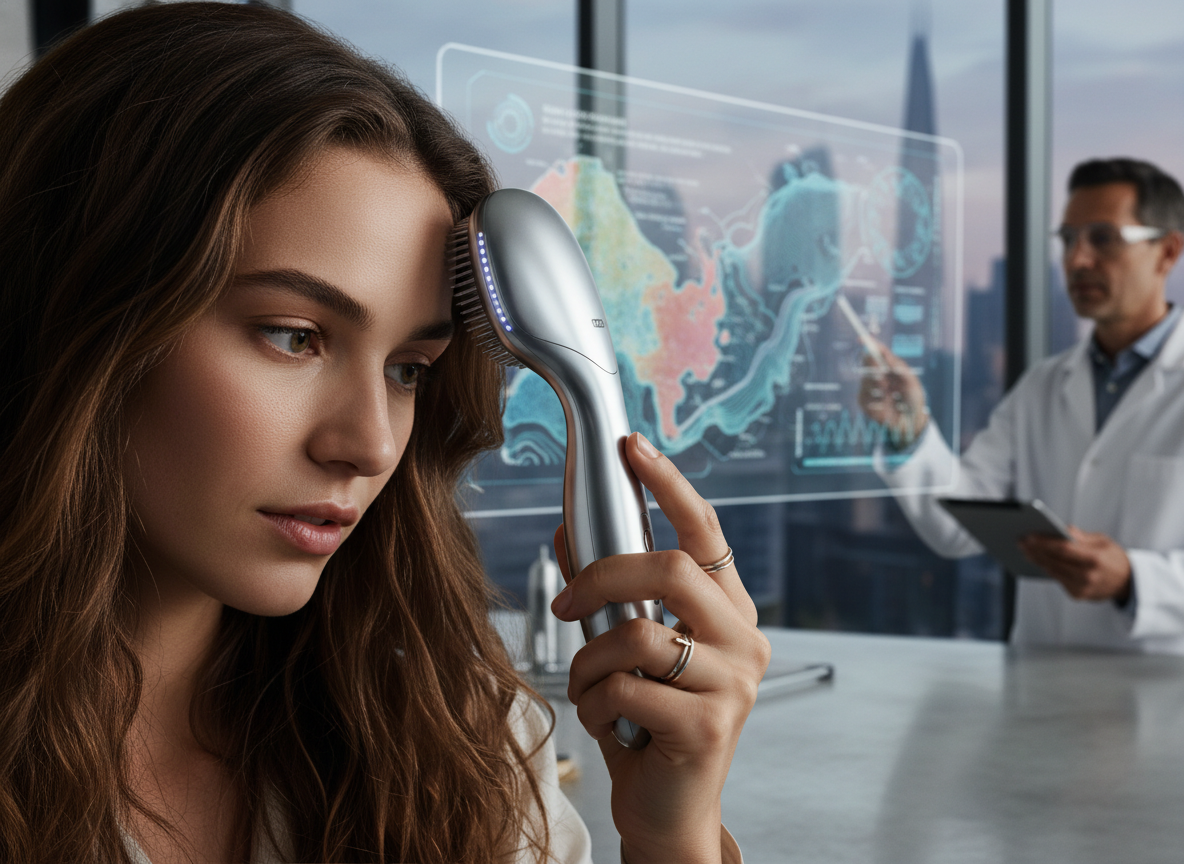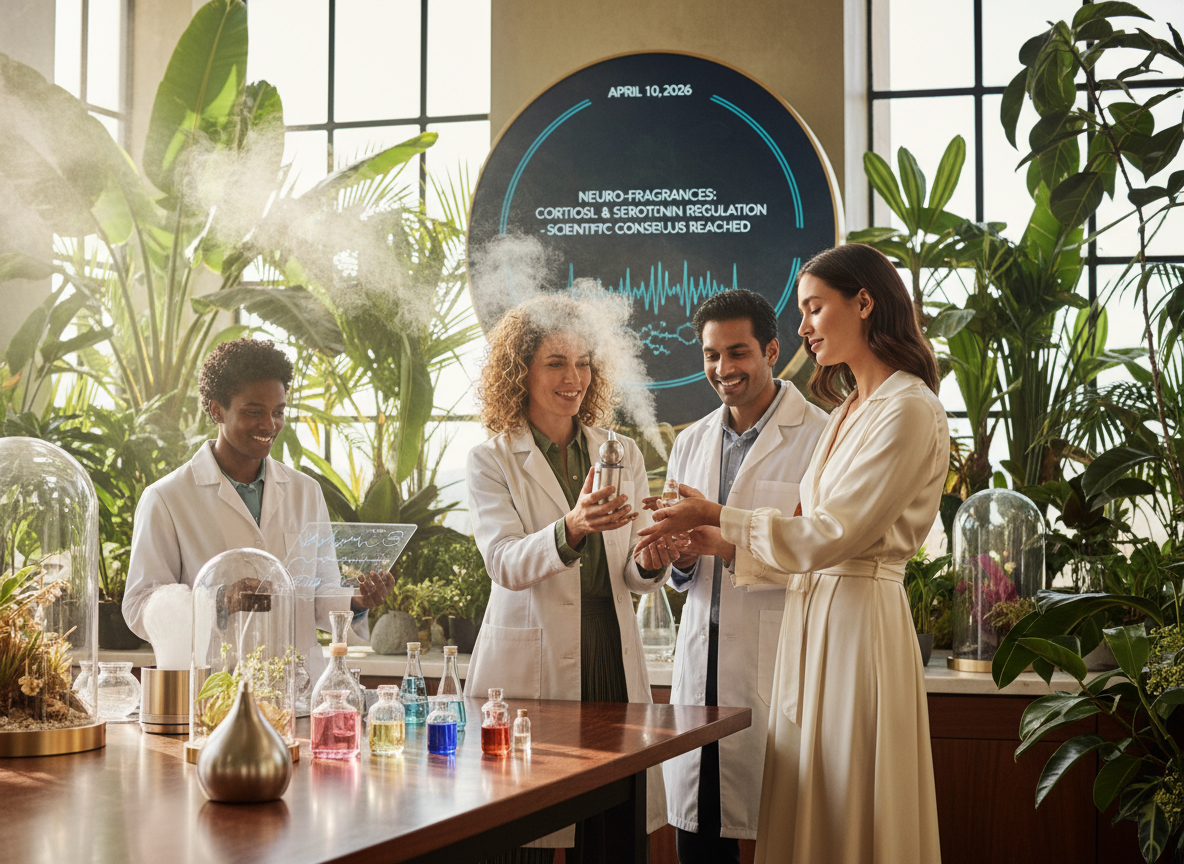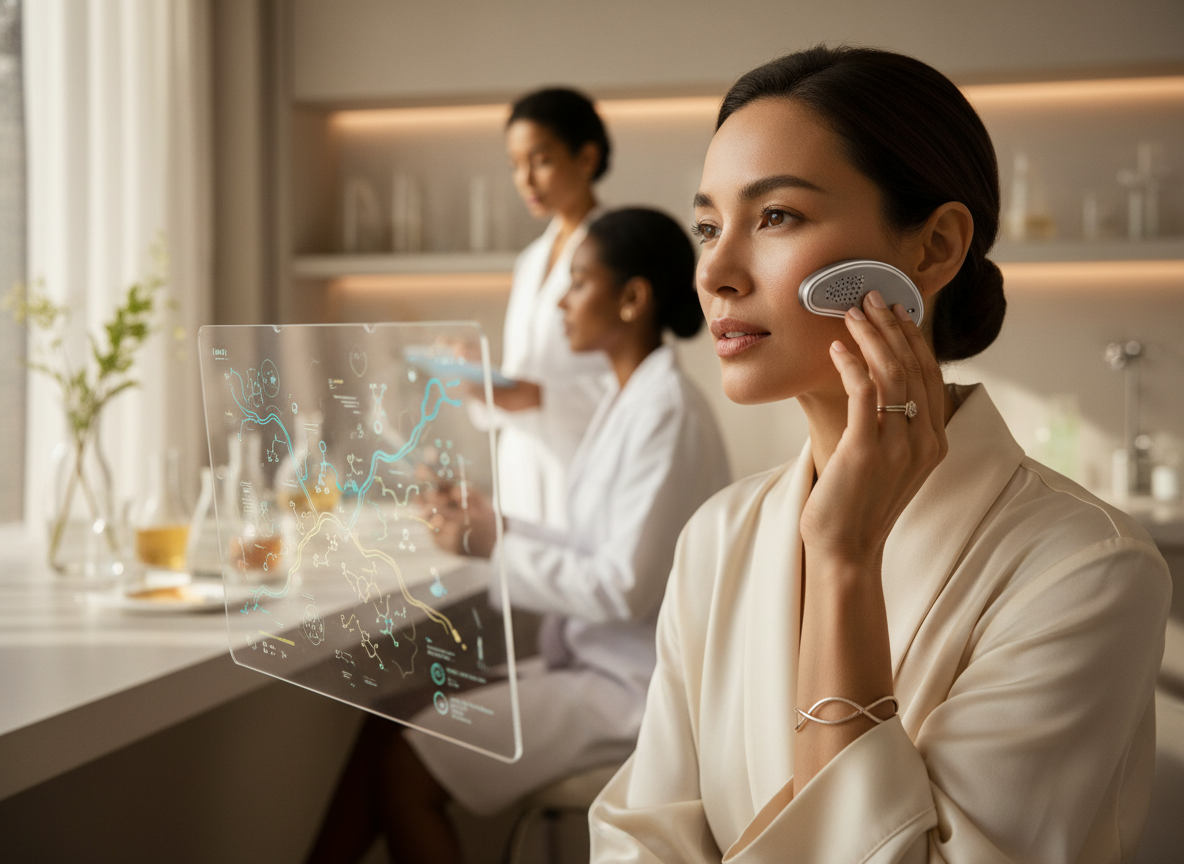
As of April 11, 2026, the beauty industry has shifted from generic product lines to hyper-personalized biometric skincare systems that adapt to the user's immediate environment and biological state. This week, several leading tech-beauty firms have released updated wearable sensors that monitor epidermal hydration levels, UV exposure, and even cortisol markers in real-time. These devices sync instantly with smart dispensers in the bathroom, mixing a bespoke serum each morning and evening to address the specific needs of the skin at that exact moment. The days of 'dry' or 'oily' skin classifications are being replaced by a fluid understanding of skin health that changes by the hour.
The core of this revolution lies in advanced machine learning algorithms that process data from millions of users to predict how various skin types will react to shifting weather patterns. For instance, with the current fluctuating spring temperatures across the Northern Hemisphere, these AI systems are automatically increasing ceramide concentrations in morning formulations to protect against wind-chill while boosting antioxidant levels for peak sun hours. This proactive approach ensures that the skin barrier remains resilient regardless of external stressors, marking a significant leap from traditional reactive skincare.
Regulatory bodies have also stepped in this month to standardize the data privacy protocols for biometric beauty data. As consumers share more intimate biological information with brands, the 2026 Beauty Data Protection Act has become a cornerstone of the industry, ensuring that skin-scan data remains encrypted and under the user's control. This has built immense trust in the market, leading to a 40% increase in the adoption of smart-mirror diagnostic tools compared to last year. Users are now more comfortable than ever letting an algorithm decide the precise ratio of retinol to hyaluronic acid in their evening routine.
In terms of ingredients, we are seeing a massive surge in the use of 'smart peptides' that only activate when they come into contact with specific skin enzymes. These ingredients, featured heavily in the April 2026 product launches, remain dormant until they detect a breach in the skin barrier or a spike in inflammation. This precision delivery system minimizes irritation, which has historically been a major barrier for high-potency active ingredients. By targeting only the areas that require intervention, these formulations allow for maximum efficacy with zero downtime.
Retailers are also transforming to accommodate this shift toward the bespoke. High-end department stores in fashion hubs like New York and Seoul have replaced traditional makeup counters with 'Biometric Labs.' Here, customers undergo a comprehensive multi-spectral skin analysis that maps their face in 3D. This data is then used to 3D-print customized sheet masks and solid-formulation moisturizers that fit the contours of the individual's face perfectly. This fusion of retail experience and high-tech manufacturing is redefining luxury in the beauty space.
Sustainability is another critical pillar of the 2026 biometric trend. Because these products are mixed on-demand or printed in small batches, the industry has seen a drastic reduction in overproduction and chemical waste. Refillable cartridges for smart dispensers have become the standard packaging format, significantly cutting down on single-use plastics. By only using the exact amount of product the skin needs, consumers are seeing longer-lasting results while contributing to a circular economy that prioritizes efficiency over volume.
Looking at the competitive landscape, legacy brands are now racing to acquire tech startups specializing in 'dermal-link' technology. The recent merger announced today between a major French luxury conglomerate and a Silicon Valley bio-sensor firm highlights the urgency of this transition. For these giants, the goal is to create a seamless ecosystem where one's diet, sleep patterns, and skincare are all interconnected through a single health-and-beauty dashboard. The convergence of wellness and vanity is now complete, as healthy skin is seen as a direct data-reflection of internal health.
As we move further into the second quarter of 2026, the focus is clearly on the 'quantified self' within the beauty realm. Experts predict that by the end of the year, over 60% of premium skincare users will have integrated some form of biometric tracking into their daily lives. The shift toward real-time personalization isn't just a trend; it is the new baseline for an industry that has finally mastered the art of biological precision. For the consumer, this means a more effective, safer, and highly efficient path to radiant skin than ever before.