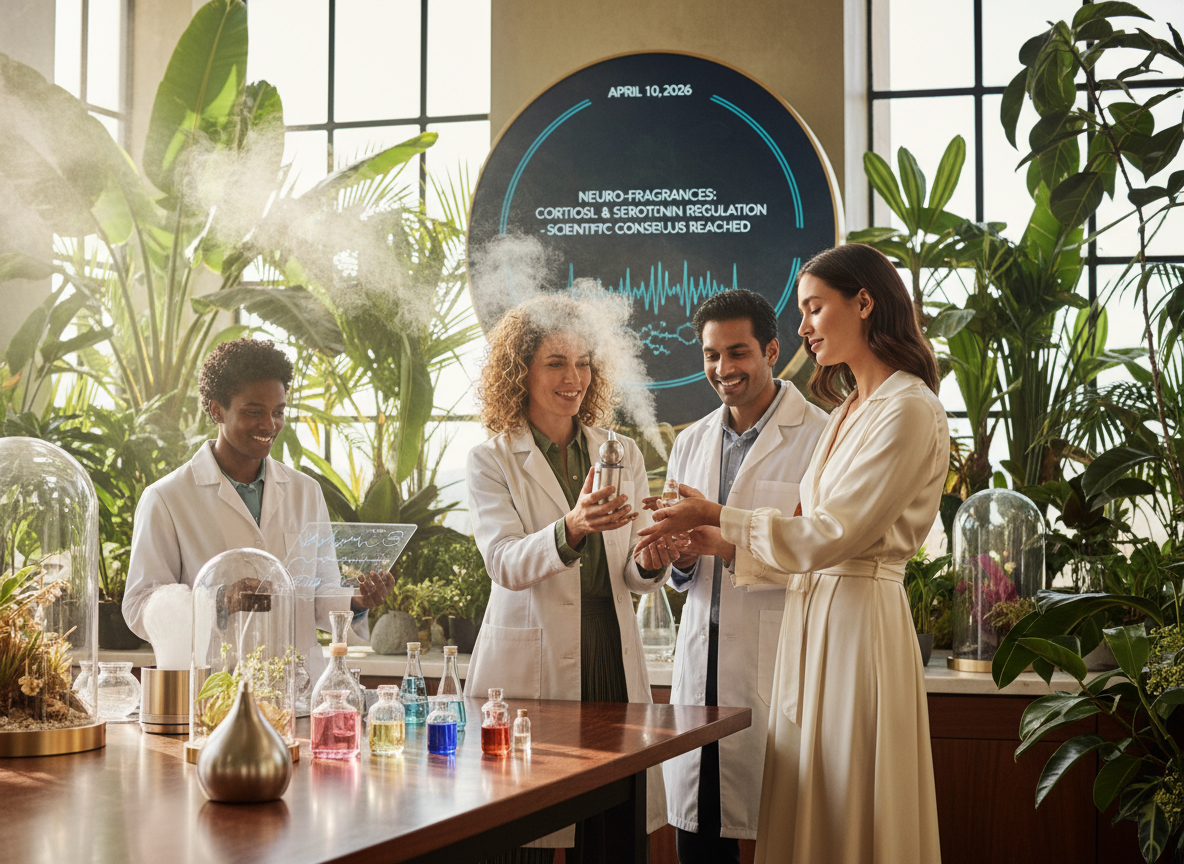
Today marks a historic day for the fragrance industry as the Global Olfactory Association officially recognized the category of 'Neuro-Fragrances' on April 10, 2026. This follows the publication of a three-year clinical study involving over 50,000 participants, which proved that specific, lab-engineered scent molecules can cross the blood-brain barrier to trigger predictable emotional responses. Unlike traditional aromatherapy, which relies on anecdotal evidence, neuro-fragrances are precisely calibrated to stimulate the amygdala and hypothalamus, effectively functioning as 'scent-based supplements' for mental regulation.
The headline news today is the launch of 'Sero-Scent 01' by a leading luxury conglomerate. This fragrance is designed specifically to boost serotonin levels during the mid-afternoon slump. Using a patented 'Vibe-Lock' molecular structure, the scent is released slowly throughout the day, ensuring the wearer maintains a steady baseline of calm and focus. Market data released this morning shows that functional fragrances now account for 35% of all luxury scent sales, a staggering increase from just 5% in 2023. People are no longer choosing scents based on how they want to 'smell,' but on how they want to 'feel.'
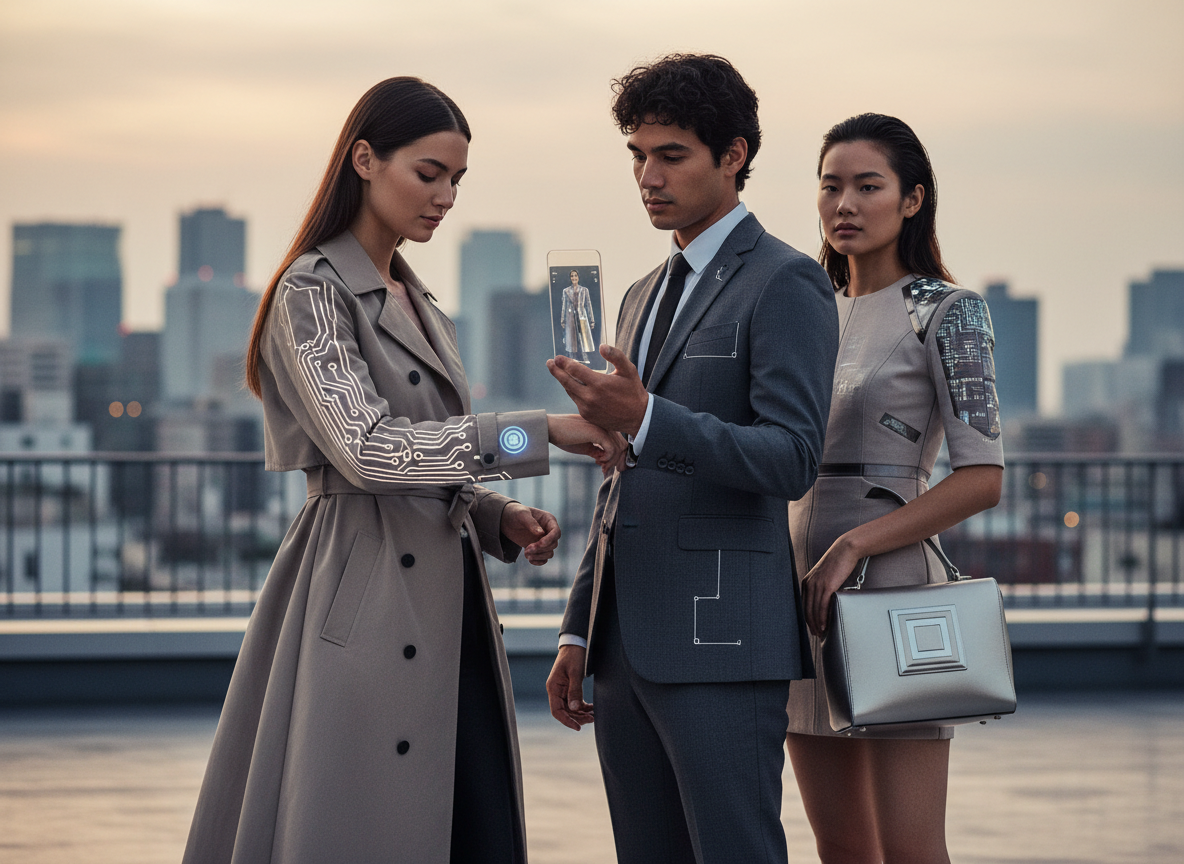
This shift is driven by the rise of the 'Wellness-first' consumer. In 2026, beauty is no longer viewed as separate from health. Neuro-fragrances are being integrated into holistic wellness routines, often paired with wearable bio-trackers that monitor heart rate variability (HRV). Some of the new 'Smart-Atomizers' released today can actually detect when a wearer’s stress levels are spiking and automatically puff a micro-dose of a cortisol-inhibiting scent. This proactive approach to mental health through the sense of smell is a revolutionary step in 'Passive Wellness' technology.
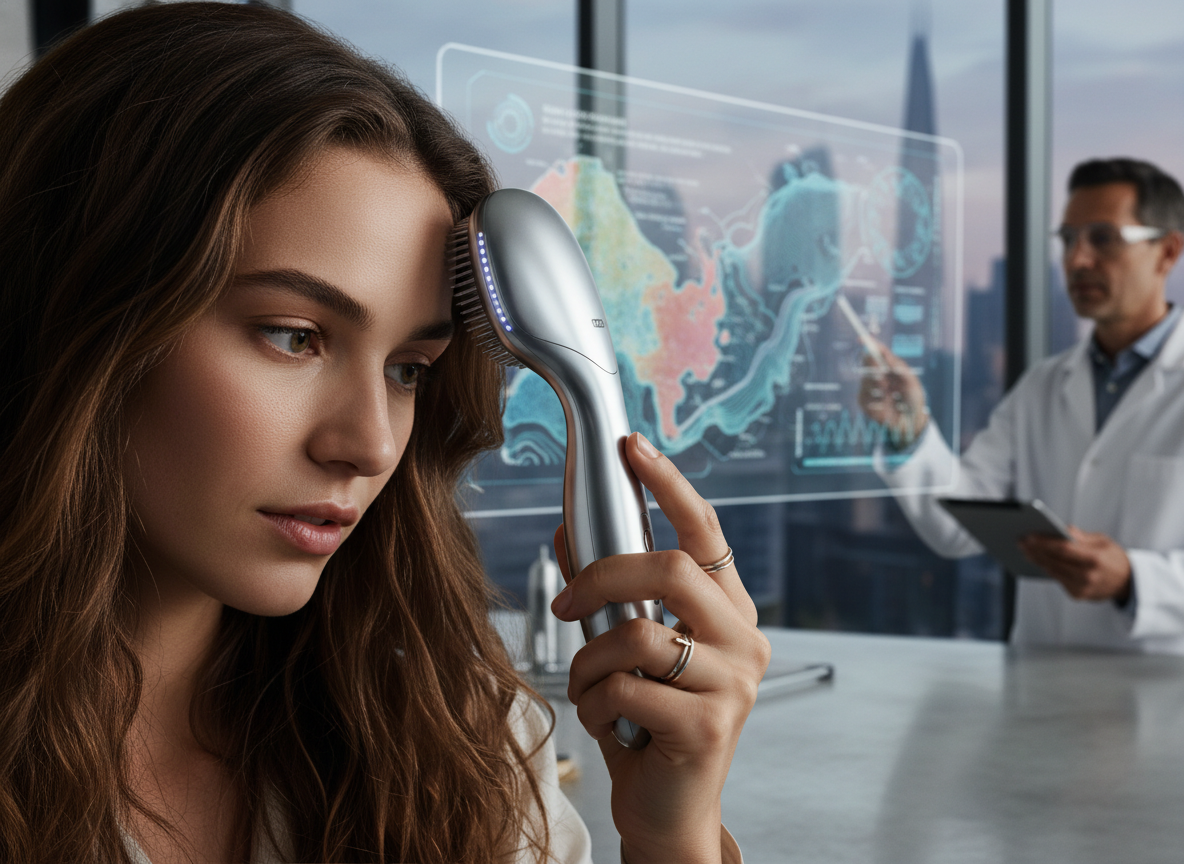
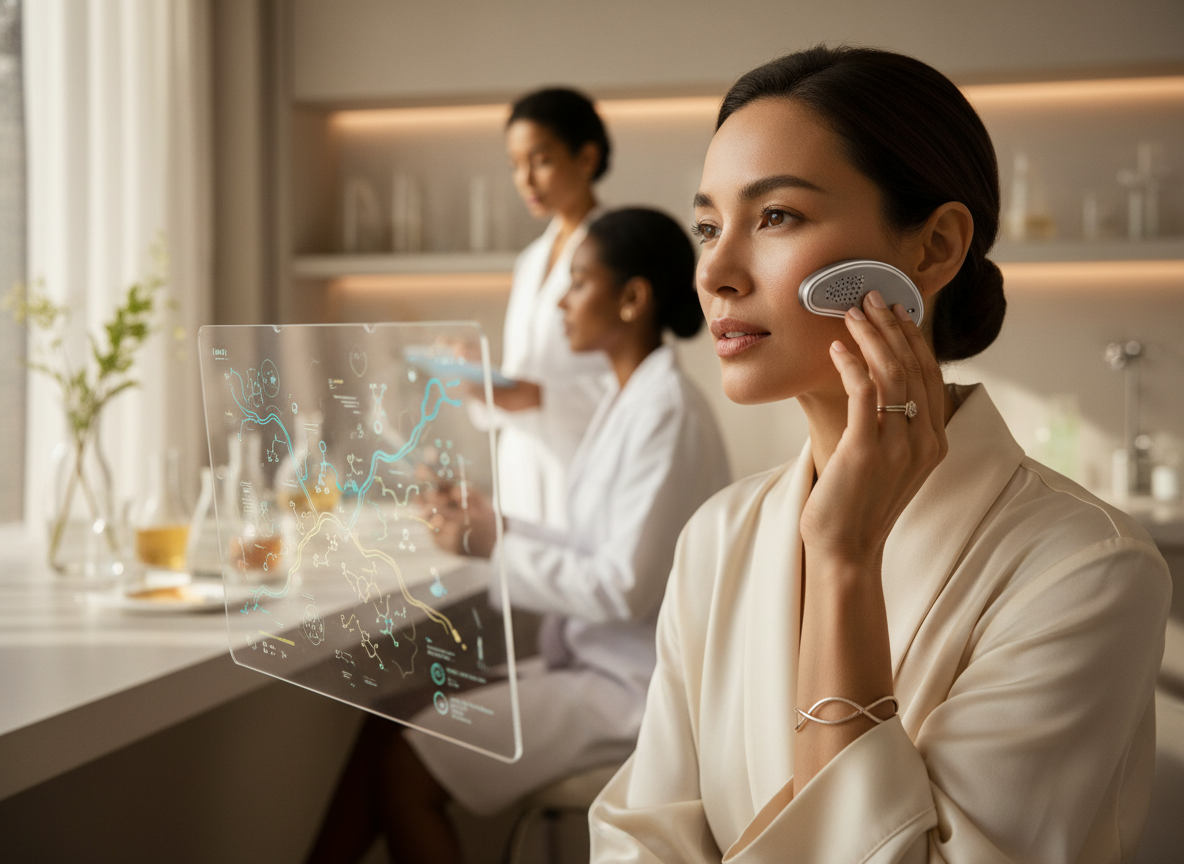
The science behind these scents involves 'Aura-Mapping,' a process where brain activity is scanned while subjects are exposed to different molecular combinations. Researchers have found that certain synthetic musks, when paired with specific botanical extracts, can mimic the neurological effect of a twenty-minute meditation session. This morning's symposium in Grasse, France, highlighted that these molecules are not found in nature; they are 'Bio-Identical' hybrids that are more potent and stable than traditional essential oils, making them the new 'active ingredients' of the perfume world.
Ethical and regulatory bodies are also weighing in today. The debate centers on whether neuro-fragrances should be regulated as cosmetics or as over-the-counter mood stabilizers. Because they have a measurable effect on brain chemistry, there are calls for stricter labeling requirements. However, the industry argues that as long as they do not claim to 'cure' medical conditions, they should remain accessible to the public. This tension highlights the growing power of beauty products to influence our internal states, a power that requires a new framework of consumer protection in 2026.
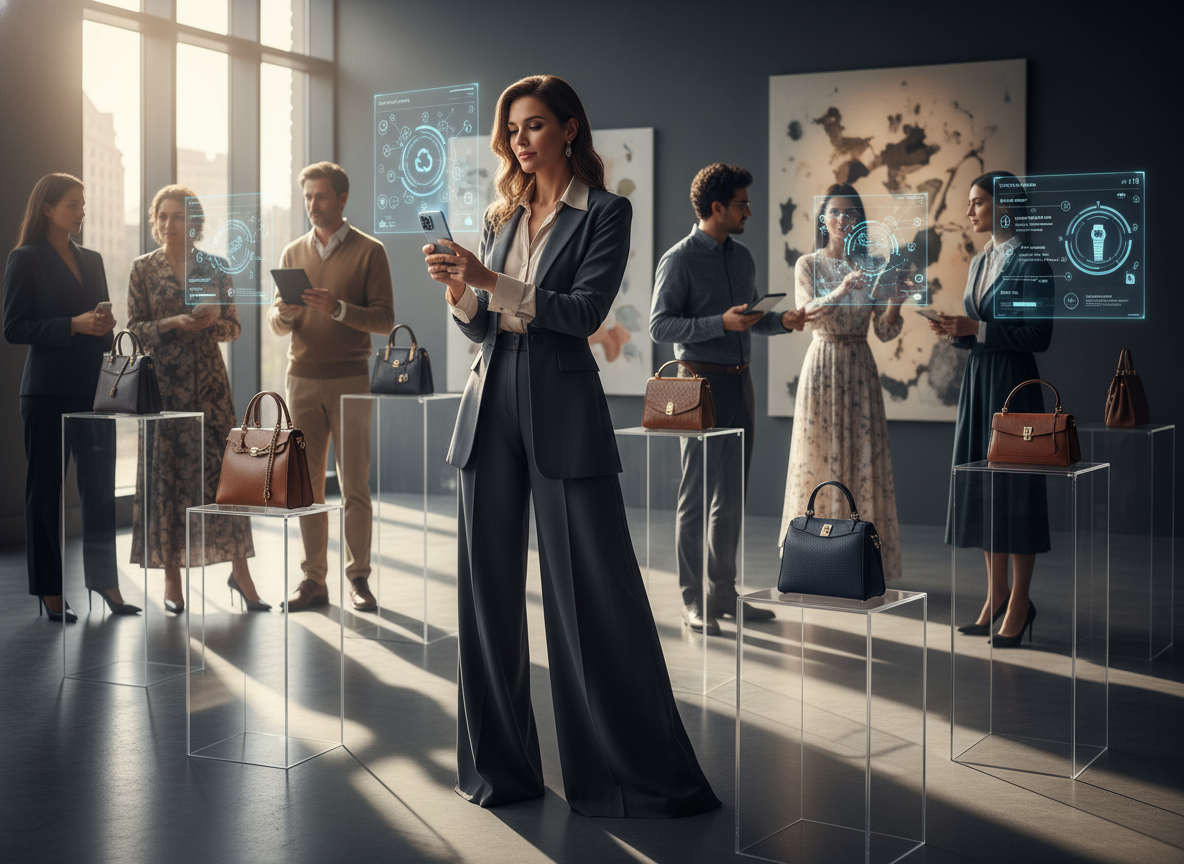
Luxury houses are pivoting their marketing strategies to reflect this new reality. The romanticized, cinematic perfume ads of the past are being replaced by data-driven campaigns that emphasize 'Bio-Efficacy' and 'Neurological Harmony.' On April 10, several flagship stores in New York and Tokyo unveiled 'Neuro-Testing Booths,' where customers can have their brainwaves mapped in real-time while sampling different scents to find their perfect 'Emotional Match.' It’s a highly personalized, scientific approach to shopping that treats the nose as a gateway to the mind.
Sustainability remains a key pillar of this new movement. Because neuro-fragrances are engineered in labs, they do not require the mass harvesting of rare or endangered flora. This 'Synthetic-Naturalism' is a major selling point for eco-conscious Gen Z and Gen Alpha consumers who are wary of the environmental impact of traditional perfume production. Today's reports indicate that the shift to lab-grown scent molecules has saved an estimated 2 million hectares of land from monoculture farming over the last two years, proving that high-tech beauty can be high-ethics too.
As we wrap up today's coverage on April 10, 2026, it is clear that we are entering the 'Decade of the Senses.' Neuro-fragrances are just the beginning of a larger trend toward neuro-cosmetics, which will soon include topical creams that can reduce physical pain or improve sleep quality through skin-to-brain signaling. The beauty industry has successfully rebranded itself as a wellness necessity, and our vanity tables are becoming our most important tools for mental health. The scent of the future isn't just a smell; it's a state of mind.