


Quick Summary
- Rising cyber threats make data protection essential in 2026.
- Practical tips help users secure personal information online.
- Understanding privacy laws helps navigate data rights.
- Tools like VPNs and encrypted messaging boost security.
- Regular updates and strong passwords are key defenses.
As digital threats grow more sophisticated in 2026, safeguarding your digital privacy is crucial. Hackers, trackers, and data brokers constantly target personal information, making it vital to adopt effective security practices.
This guide covers practical steps you can take today to protect your data, from using privacy tools to understanding your rights under new regulations.
How to Protect Digital Privacy in 2026: Essential Strategies
Protecting your digital privacy in 2026 involves a combination of technical tools and behavioral changes. As governments tighten data laws and hackers become more targeted, staying informed and proactive is key.
Start by reviewing your privacy settings on social media and online services. Use strong, unique passwords and enable two-factor authentication where possible. For more advanced security, consider using a VPN and encrypted messaging apps like Signal.
Regularly update your devices and software to patch vulnerabilities. Be cautious about the permissions you grant to apps, and avoid oversharing personal data online. For comprehensive privacy, explore privacy-focused browsers and search engines such as DuckDuckGo.
What are the most effective tools for digital privacy?
- VPNs like NordVPN and ExpressVPN encrypt your internet traffic.
- Encrypted messaging apps protect your conversations from interception.
- Privacy browsers block trackers and fingerprinting.
According to a recent report by Cybersecurity Ventures, the use of privacy tools has increased by over 50% in 2026, reflecting growing awareness of digital threats.
Key Privacy Tips for 2026
- Use strong, unique passwords for all accounts.
- Enable two-factor authentication on critical services.
- Regularly update your devices and software.
- Utilize VPNs and encrypted messaging apps.
- Limit sharing personal info on social media.
"Adopting these privacy practices can significantly reduce your risk of data breaches and identity theft."
Cybersecurity Expert
Understanding Privacy Laws in 2026 and Your Rights
New privacy regulations in 2026, such as the updated GDPR and CCPA, give consumers more control over their personal data. Knowing your rights helps you demand better data practices from companies.

For example, you can now request access to your data, ask for it to be deleted, or restrict certain uses. Regularly review the privacy policies of services you use to stay informed about how your data is handled.
Legal experts recommend exercising your rights whenever possible and reporting violations to authorities like the European Data Protection Board.
Why do privacy laws matter?
They set standards for data security, prevent misuse, and empower consumers to control their digital footprint. Staying compliant with these laws also helps avoid legal penalties for companies.
Why Privacy Laws Are More Important Than Ever
- They protect consumers from data misuse and abuse.
- Empower individuals to control their online footprint.
- Encourage companies to adopt better security practices.
- Help prevent identity theft and fraud.
Practical Ways to Enhance Your Digital Privacy Daily
Implementing daily habits can dramatically improve your security posture. For instance, routinely checking privacy settings and using password managers like LastPass can prevent breaches.
Avoid public Wi-Fi for sensitive transactions, or use a VPN if necessary. Regularly clearing cookies and browser history minimizes tracking. Educating yourself about phishing scams and avoiding suspicious links is also crucial.
These small but consistent actions can make a big difference in maintaining your privacy and reducing vulnerability to cyber threats.
What are common mistakes that compromise privacy?
- Using weak passwords across multiple accounts.
- Sharing too much personal info publicly.
- Ignoring software updates and patches.
"Small daily habits can greatly reduce your risk of cyber attacks."
Cybersecurity Analyst
Future Outlook: Will Privacy Tools Get Better in 2026?
As privacy threats evolve, so do the tools designed to counter them. Expect to see more AI-driven privacy solutions that can automatically detect and block trackers or malicious scripts.
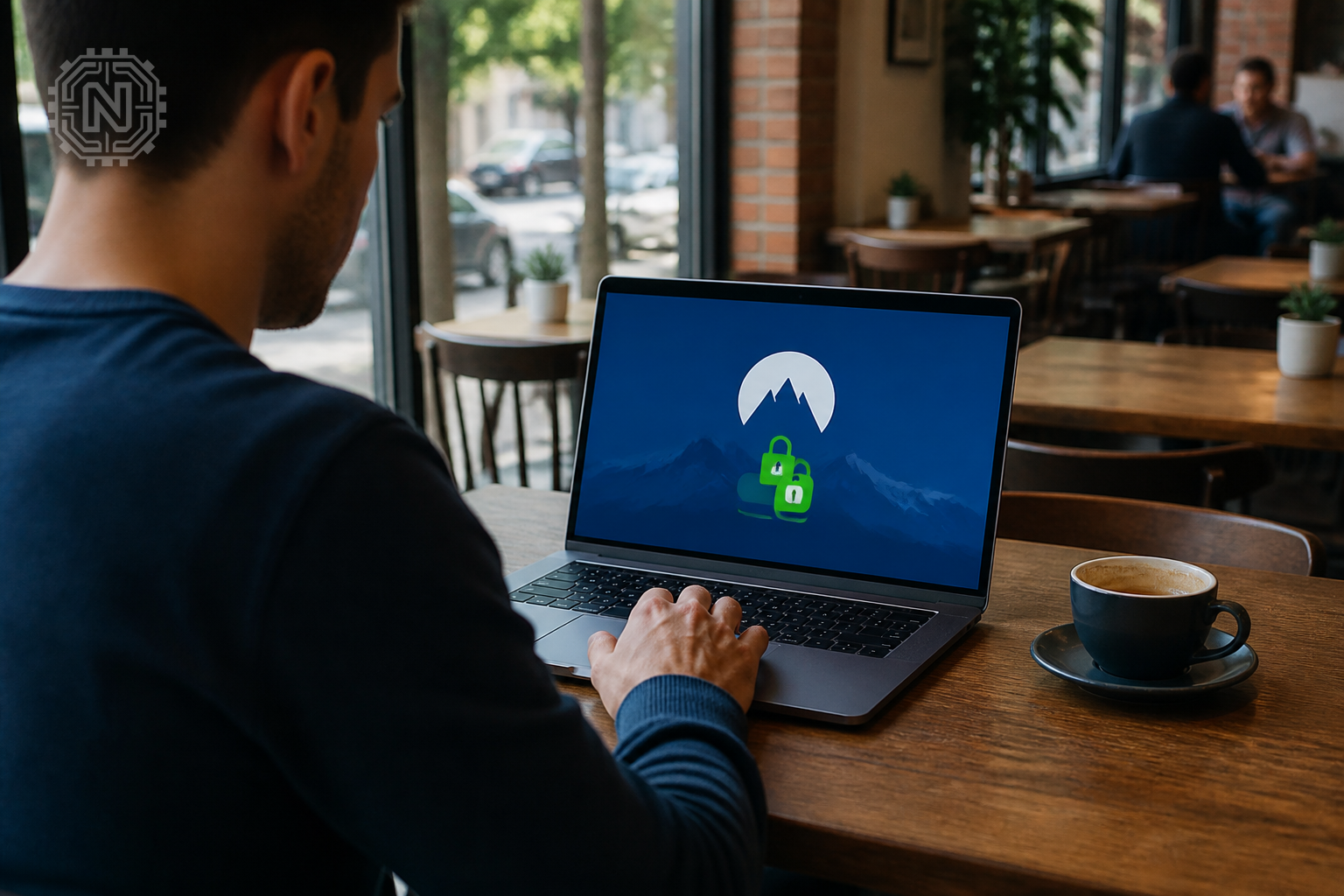
Companies are investing heavily in privacy tech, making tools more accessible and user-friendly. However, users must stay informed and adapt as technology advances.
Experts predict a rise in decentralized identity systems and privacy-preserving technologies, like zero-knowledge proofs, which could fundamentally change data management.
What’s next for digital privacy?
Look for more integrated privacy features in operating systems and apps, giving users better control over their data in real-time.
The Future of Privacy Tech in 2026
- Pro: More automated privacy protections.
- Con: Increased complexity may confuse users.
- Pro: Greater control through decentralized systems.
- Con: High development costs and regulatory hurdles.
Editorial Sources
Conclusion
Protecting your digital privacy in 2026 requires a combination of awareness, tools, and habits. Staying informed about laws and emerging technologies ensures you can adapt your defenses and keep your personal data secure in an increasingly connected world.
Frequently Asked Questions
What is the best way to secure my online accounts in 2026?
Use strong, unique passwords and enable two-factor authentication on all critical services.
Are VPNs still effective for privacy in 2026?
Yes, VPNs encrypt your internet traffic and are a key tool for maintaining privacy online.
How can I check if my data has been compromised?
Regularly review your accounts for suspicious activity and use data breach notification services.
What are the safest messaging apps in 2026?
Encrypted apps like Signal and Telegram are considered the most secure for private communication.
Can privacy laws really protect my data?
They give you rights to access, delete, or restrict your data, but enforcement varies by country.
Should I stop sharing personal info on social media?
Limiting what you share reduces your risk of identity theft and targeted scams.
How often should I update my device software?
At least once a month or as soon as updates are released to patch vulnerabilities.
Is it worth investing in privacy tools?
Absolutely, they significantly reduce your risk of cyber threats and data misuse. For more on How-To, explore Newtechzy. You can also review our Privacy Policy and Cookie Policy, or learn more About us.
Related Topics
Explore our comprehensive privacy tools guide or contact us to learn more about securing your online presence today.
Start Your Journey Today!


