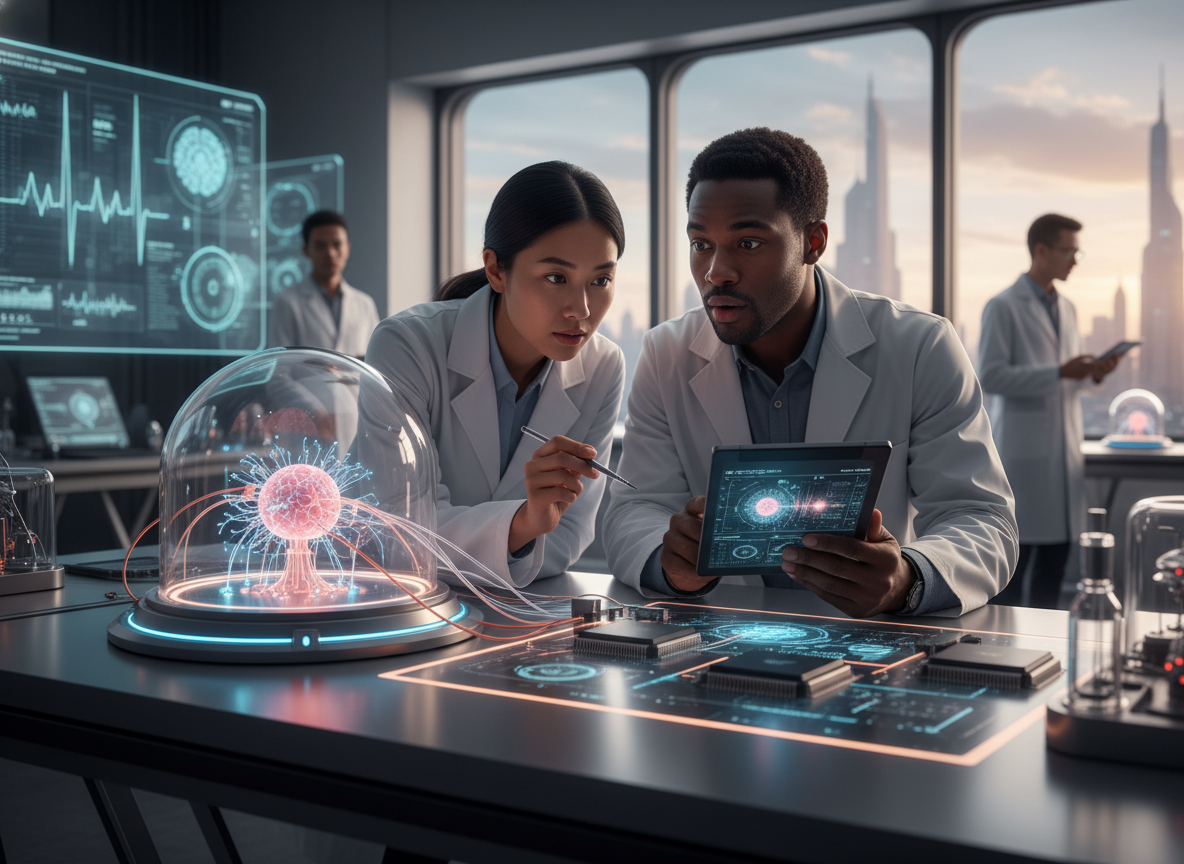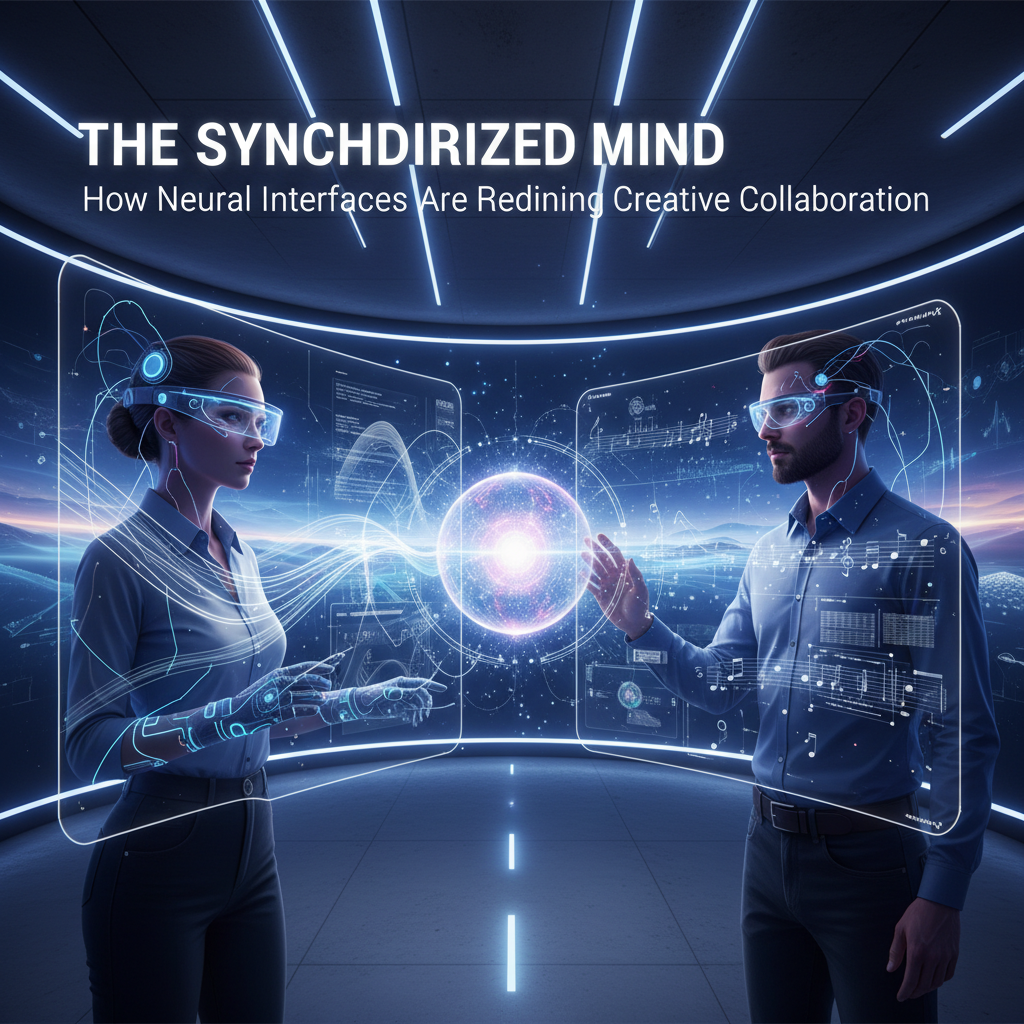
In the mid-2020s, the dream of direct thought-to-digital translation began to transition from science fiction to laboratory reality. Today, we stand on the precipice of a cognitive revolution that promises to bridge the gap between human imagination and digital manifestation.
By 2026, the introduction of non-invasive, high-fidelity Neural Interface Units (NIUs) has revolutionized how creative teams brainstorm. These devices utilize advanced optogenetics and graphene-based sensors to interpret neural patterns with unprecedented accuracy, allowing for real-time visualization of complex ideas.
Imagine a design session where concepts are shared not through words or sketches, but through direct cognitive imagery and emotional resonance. This collective neural workspace allows for a level of synchronization previously impossible, significantly reducing the lossy nature of verbal communication and traditional prototyping.
The impact extends beyond mere efficiency. Artists and engineers are reporting a new phenomenon known as Synthetic Resonance, where the combined brainpower of a group produces insights that no individual could achieve alone. This is not just collaboration; it is the birth of a networked consciousness.
As we look forward, the ethical implications of such intimate connectivity remain a primary concern for developers and regulators alike. Issues of cognitive privacy, neural consent, and the potential for mental fatigue must be addressed to ensure that this technology serves as an empowerment tool rather than an intrusive burden.