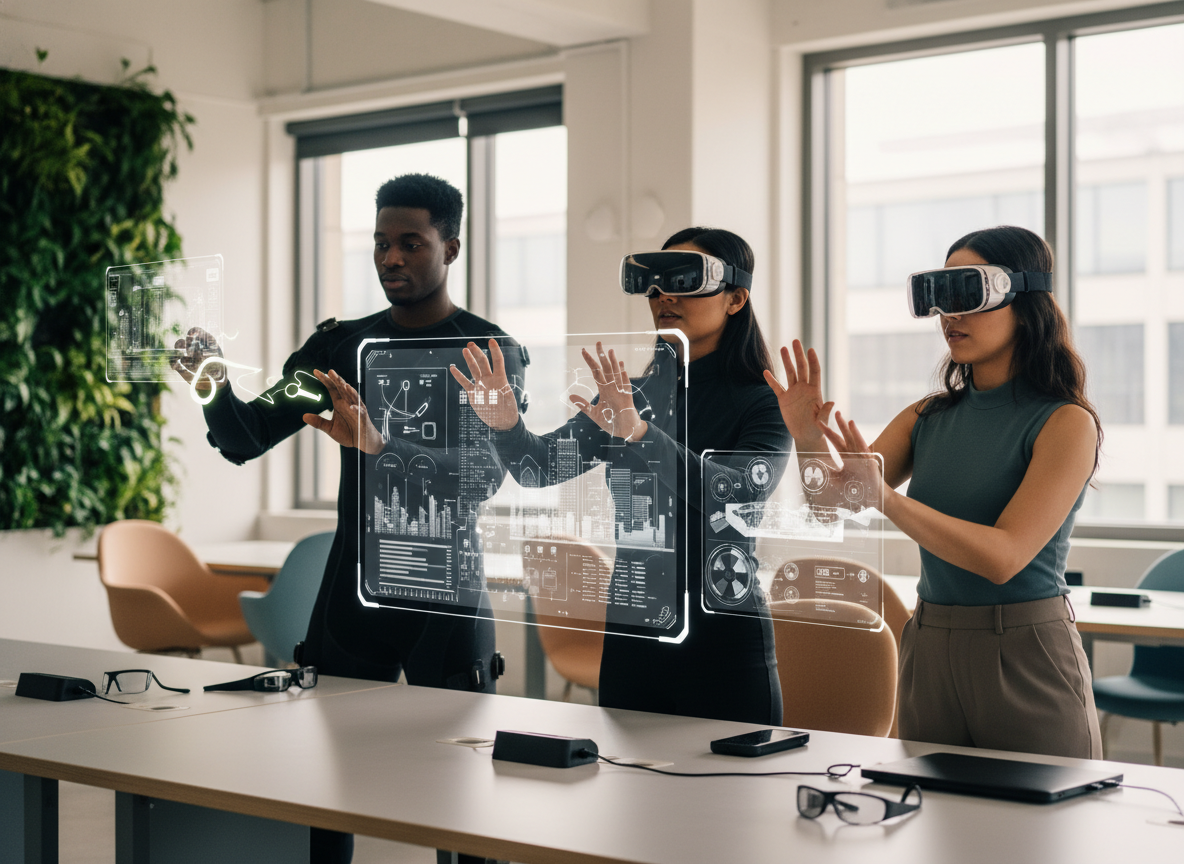
As of April 2026, the adoption of lightweight, stylish Mixed Reality (MR) glasses has reached a critical tipping point, fundamentally altering how we interact with the digital and physical worlds. For the side-hustle community, this has opened up a brand-new frontier: the 'Spatial Web.' No longer confined to 2D screens, online earning now involves creating, managing, and monetizing three-dimensional experiences that overlay our physical reality. This shift is creating opportunities that simply did not exist two years ago, making it one of the most exciting periods for digital entrepreneurs in recent history.
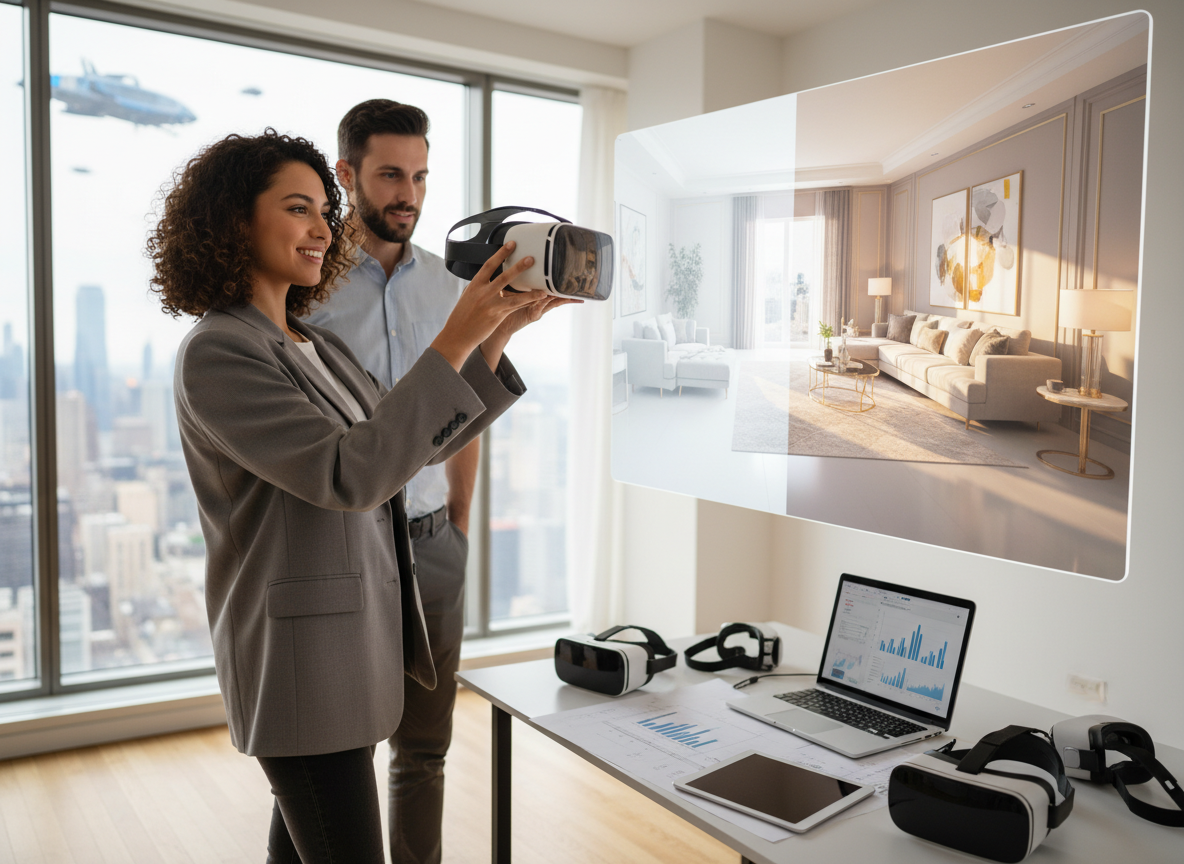
One of the most immediate and profitable side hustles in this space is 'Spatial Content Curation.' Companies are now seeking experts who can design immersive virtual storefronts and interactive advertisements that appear to users in their physical environments. Unlike traditional web design, spatial curation requires an understanding of 3D depth, user movement, and environmental lighting. Freelancers who have transitioned from UI/UX design to spatial design are currently commanding rates three to four times higher than their 2D counterparts as brands scramble to establish a presence in the MR ecosystem.
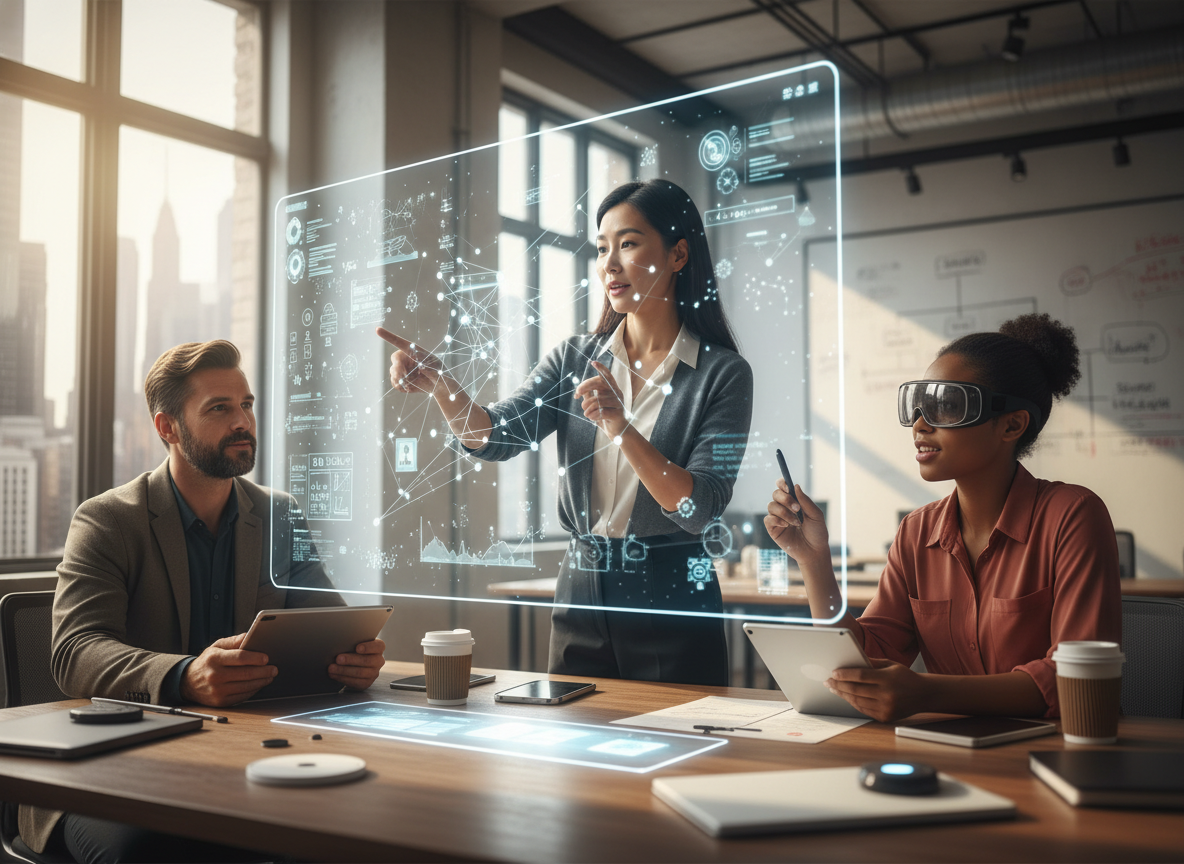
Another rapidly growing niche is the 'Fractional Spatial Officer' role. Small businesses are increasingly looking for part-time consultants to help them navigate the complexities of mixed reality operations, from setting up virtual meeting rooms that feel like physical offices to implementing AR-based training protocols for their staff. As a fractional officer, a side-hustler can manage four or five clients simultaneously, providing strategic oversight on how these businesses can use spatial technology to reduce overhead and improve employee engagement without the cost of a full-time executive.
The 'Immersive Skill-Sharing' market is also seeing an explosion in growth this April. Professionals are moving away from standard video courses on platforms like Udemy and instead hosting live, 3D workshops. For example, a master plumber can now teach students around the world by projecting a 3D hologram of a complex boiler system into the student's actual workspace. This hands-on, spatial approach to learning has proven to be far more effective than traditional methods, allowing experts to charge premium prices for 'tele-presence' coaching sessions that feel incredibly personal and direct.
Digital real estate has also taken on a new dimension in 2026. While the 'metaverse' hype of the early 2020s focused on purely virtual worlds, the current trend is 'Location-Based AR Monetization.' Individuals are 'claiming' digital layers over physical landmarks and high-traffic urban areas, then leasing that digital space to advertisers or game developers. If you own the digital layer of a popular local park, you can earn a passive income every time a user’s MR glasses display a sponsored message or a game character in that specific geographic coordinate.
Technical support has evolved into 'Remote Spatial Assistance.' This side hustle involves using AR to guide non-technical users through complex physical tasks, such as repairing a car or setting up a home theater system. By seeing exactly what the user sees through their MR lenses, the assistant can draw annotations in the user's field of vision to provide step-by-step instructions. This high-efficiency support model is being utilized by independent contractors to offer specialized help globally, breaking down the geographical barriers that previously limited local service providers.
Despite the opportunities, the spatial economy of 2026 presents unique challenges, particularly regarding data privacy and 'visual clutter.' A new side hustle has emerged for 'Privacy Architects' who help individuals and businesses secure their spatial data and optimize their MR interfaces to prevent sensory overload. These specialists ensure that the digital overlays do not interfere with physical safety and that sensitive information isn't accidentally projected in public spaces. As the spatial web becomes more crowded, these 'cleaners' and 'protectors' will be essential to the ecosystem’s stability.
Looking ahead through the rest of 2026, the integration of biometric feedback into MR devices will likely lead to 'Bio-Responsive Side Hustles.' We are already seeing early adopters create wellness and productivity environments that automatically adjust based on the user's heart rate and eye-strain levels. For the modern side-hustler, the message is clear: the future of work is not just digital, it is spatial. Those who can bridge the gap between our physical surroundings and digital possibilities are set to become the most successful earners of this new era.