The arrival of the Apple Vision Pro 3 and the Meta Quest 4 Pro in early 2026 has finally pushed spatial computing into the mainstream. This has created an unprecedented demand for 'Virtual Real Estate Staging.' Unlike the crude metaverses of years past, today's spatial web consists of hyper-realistic 3D environments where brands and individuals host events, shop, and socialize. Side hustlers who can design and stage these digital environments are currently commanding premium rates, as the internet moves from flat 2D pages to immersive 3D spaces.
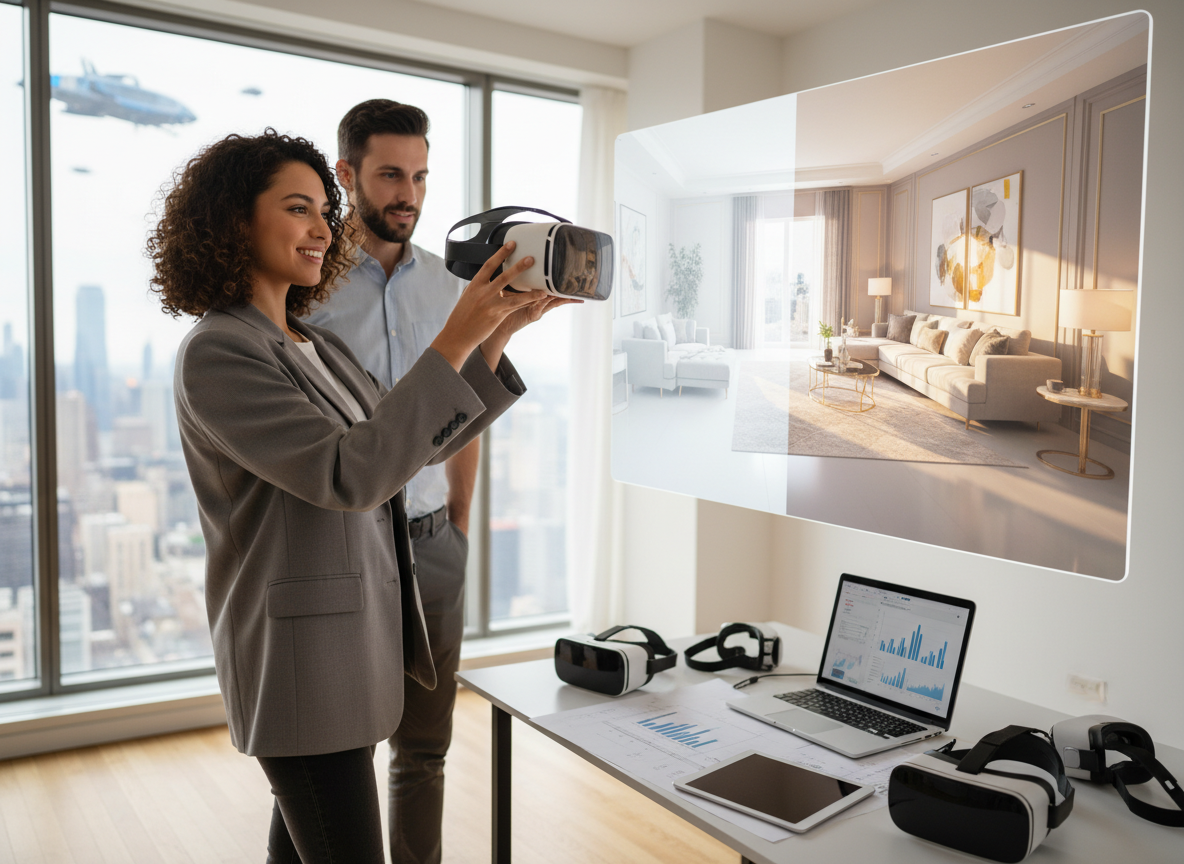
Virtual staging isn't just for imaginary lands; it is increasingly used for the real estate market. Realtors now use spatial goggles to show 'ghost properties'—homes that are under construction but can be fully walked through in 1:1 scale. A side hustler's role is to digitally 'furnish' these spaces, using high-fidelity assets that reflect the potential of the home. This provides a much more emotional and effective selling tool than static 2D renders, leading to a surge in demand for spatial designers who understand lighting, texture, and architectural flow.
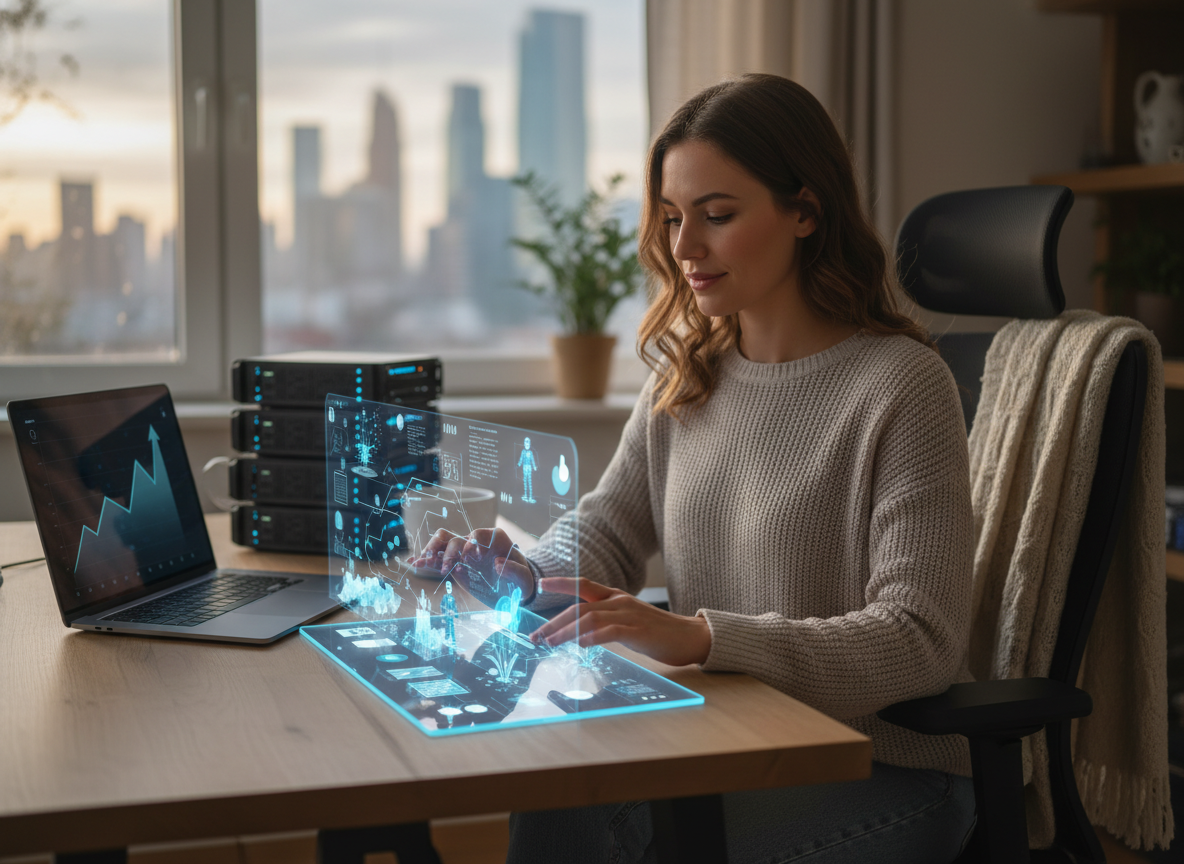
The tools required for this hustle have become remarkably accessible. As of April 10, 2026, AI-driven 3D modeling tools allow creators to generate complex furniture and decor items using simple text-to-3D commands. This means you don't need a degree in CAD or game design to enter the field. Mastery of 'Spatial Layout Engines' like Unreal Engine 6 or the new Web3D standard is all that is needed to start taking on clients. Many designers are finding success by focusing on niche styles, such as 'Biophilic Digitalism' or 'Neo-Deco,' which are trending in the spatial web right now.
One of the most profitable sub-niches in this space is 'Event Space Staging.' Brands are no longer building physical pop-up shops; they are creating 'Spatial Brand Worlds' for product launches. For instance, a sneaker brand might commission a spatial designer to create a zero-gravity mountain range where customers can virtually try on shoes. These projects can pay thousands of dollars and often lead to recurring maintenance contracts as the brand updates its spatial presence for different seasons and campaigns.
The economics of virtual staging are driven by the 'Digital Twin' economy. Many physical businesses want a digital replica of their office or storefront to allow for remote work and global shopping. By offering a 'Twin and Stage' package, side hustlers can help brick-and-mortar businesses transition into the spatial era. This involves 3D scanning the physical location and then optimizing the digital version for performance on various headsets, ensuring a seamless experience for the end-user regardless of their hardware.
Monetization strategies have also evolved to include 'Spatial SEO.' Just as websites need to rank on Google, spatial environments need to be discoverable in the 3D web's directories. Experts who understand how to optimize spatial metadata and 'anchor' digital locations to physical coordinates are seeing a massive influx of work. This intersection of marketing and design is where the highest-paid consultants are currently operating, as they help businesses navigate the complexities of spatial visibility and user retention.
As we look at the market data for April 2026, the competition is still relatively low compared to traditional graphic design or social media management. This 'skills gap' is the perfect entry point for those willing to learn the basics of spatial UX. The industry is currently in its 'Goldilocks' phase—the technology is mature enough to be useful, but the market isn't yet saturated with service providers. Investing time in learning spatial design today is akin to learning web design in the late 90s; the potential for growth is astronomical.
To conclude, the shift to the spatial web is an inevitable evolution of our digital interaction. For the savvy side hustler, it offers a chance to be at the forefront of a new creative economy. Whether you are staging homes for realtors or designing immersive showrooms for global brands, the opportunities in 3D design are limited only by your imagination. As April 2026 unfolds, the spatial web is where the real money is being made, transforming the internet from something we look at into something we inhabit.