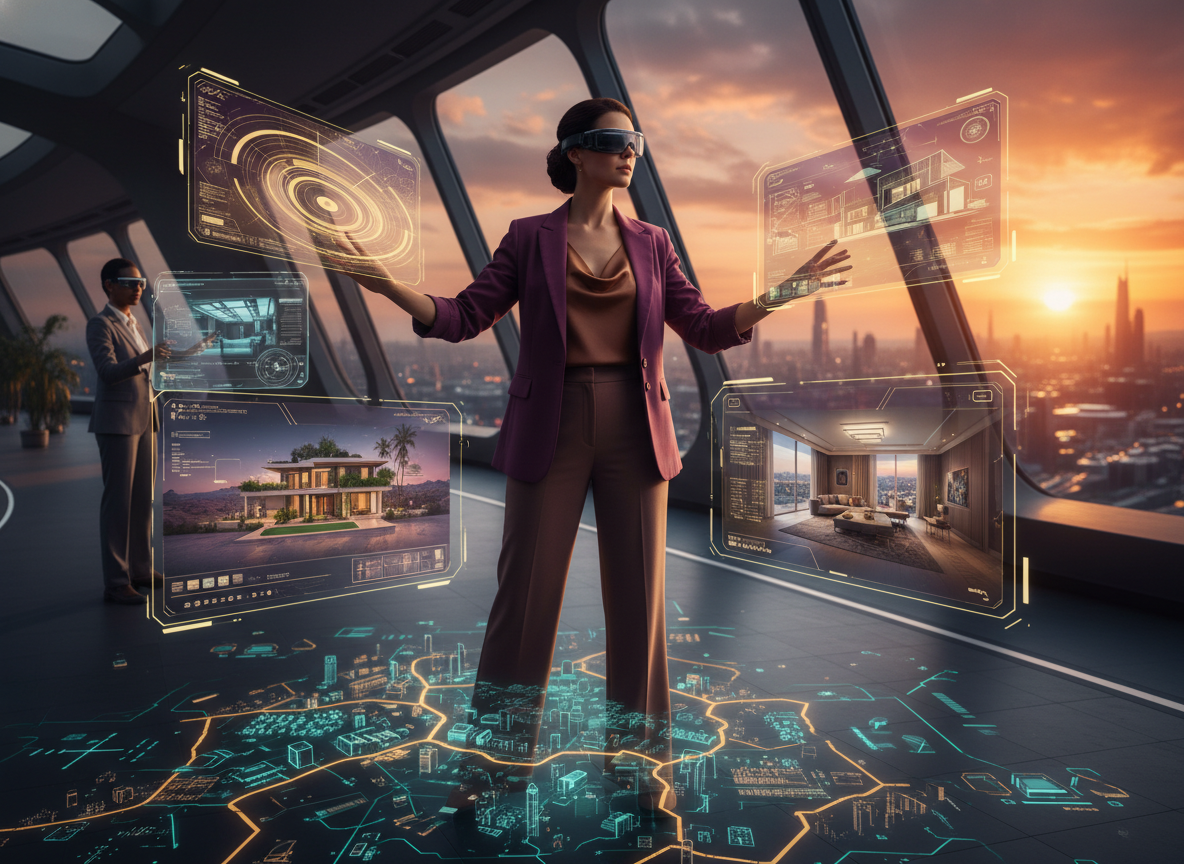
With the widespread adoption of the Apple Vision Pro 3 and Meta's ultra-lightweight Ray-Ban glasses, the 'Spatial Web' is no longer a futuristic concept but a daily reality. This shift has opened up a multi-billion dollar side hustle economy centered around Extended Reality (XR) content creation. Designers who previously focused on 2D layouts for websites are now pivoting to 3D spatial environments, creating immersive experiences that bridge the gap between the digital and physical worlds.
The most immediate opportunity lies in 'AR Commerce Support.' Brands are desperate to create 3D versions of their products that consumers can 'place' in their homes before buying. Freelancers specializing in high-fidelity 3D modeling and USDZ file optimization are commanding premium rates. This isn't just about making things look good; it's about optimizing assets so they load instantly in a user's field of vision, which requires a blend of artistic skill and technical optimization.
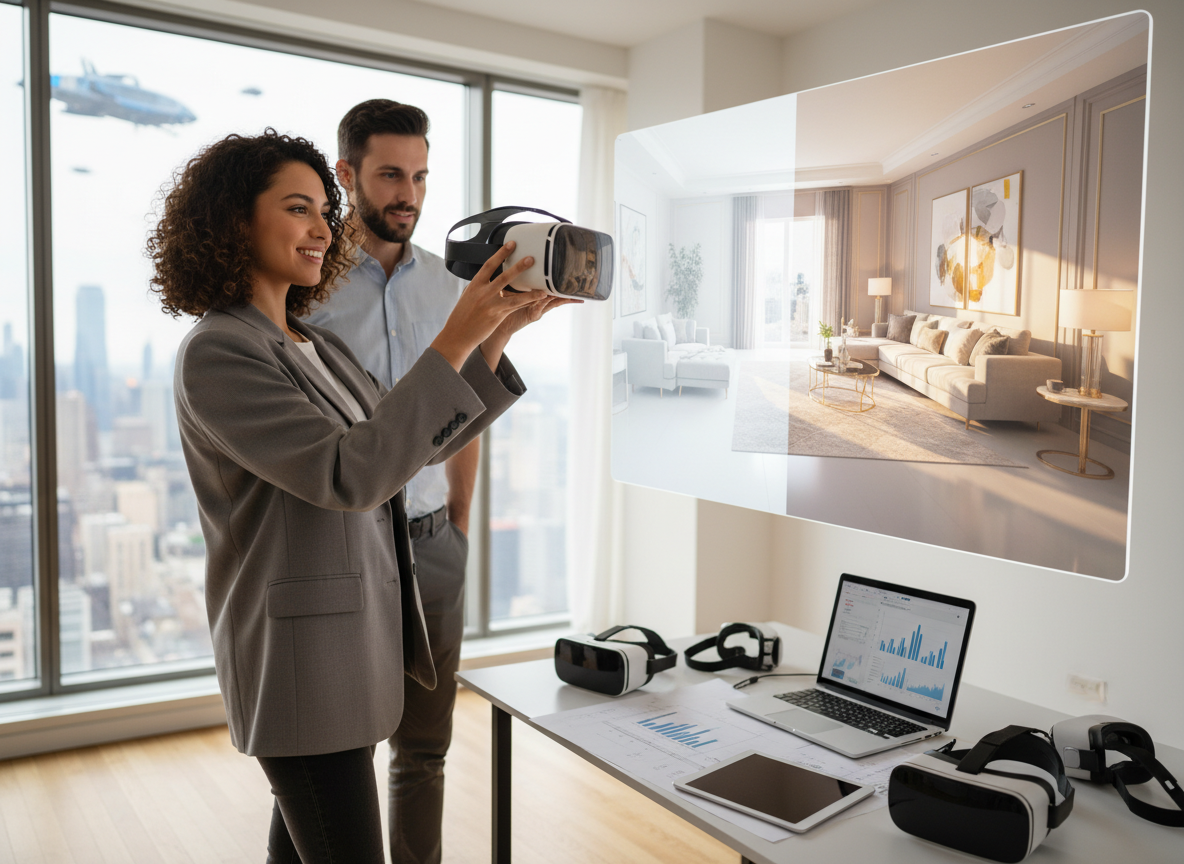
Another burgeoning field is 'Virtual Real Estate Staging.' With the real estate market increasingly moving toward remote viewings, agents are hiring XR specialists to 'stage' empty homes digitally. In 2026, this involves creating interactive elements where potential buyers can change wall colors, swap furniture styles, or even view the home at different times of day—all within a spatial headset. This high-value service can be performed from anywhere in the world.
The training and education sector is also being revolutionized by spatial computing. Experts in fields ranging from plumbing to surgery are creating 'Immersive Tutorials.' Instead of a YouTube video, they sell a spatial recording where the student can see the expert's hands in 3D space, following along step-by-step. These 'Spatial Courses' sell for significantly higher prices than traditional video content due to the enhanced learning efficacy they provide.
Spatial advertising is another frontier for the creative side hustler. Brands are moving away from intrusive banners toward 'Contextual AR Objects.' Imagine walking through a park and seeing a beautifully rendered, interactive digital art piece that, when engaged with, offers a coupon for a nearby coffee shop. Creating these location-based digital experiences requires a mix of creative storytelling and geospatial programming, making it a highly specialized and lucrative niche.
We are also seeing the rise of 'Spatial Consultants' for small businesses. Local shops need help 'claiming' their spatial footprint—ensuring that when a user wearing AR glasses walks by, their shop appears with correct, updated information and perhaps an inviting 3D holographic display. Helping local businesses navigate this transition from SEO to 'Spatial SEO' is a service that is currently in extremely high demand and low supply.
For those with a more technical bent, developing 'Spatial Widgets' is a growing income stream. Similar to mobile apps, these are small, persistent utilities that float in a user's workspace—like a 3D stock ticker, an AI-driven personal assistant avatar, or a spatial Pomodoro timer. These tools are often sold in spatial app stores, providing a source of passive income for developers who can create useful, non-intrusive spatial utilities.
The spatial computing era is still in its early growth phase, making now the perfect time to build a reputation in this space. As the technology becomes more affordable and integrated into daily life, the demand for high-quality XR content will only skyrocket. Whether you are a 3D artist, an educator, or a marketing strategist, the spatial web offers a canvas limited only by your imagination and willingness to learn the new tools of the trade.