The coaching industry has undergone a radical transformation in the last 12 months. While 2024 was the year of the 'Zoom Webinar,' 2026 is the year of the 'Immersive Mastermind.' High-ticket coaches are moving their operations into dedicated VR environments where they can provide a level of presence and interactivity that was previously impossible. This shift is allowing mentors to charge even higher premiums for their time and expertise.
In a VR coaching session, the environment is part of the lesson. A business coach can lead a group through a 3D visualization of a complex organizational structure, or a fitness coach can use haptic feedback suits to correct a client's form from 5,000 miles away. This 'Spatial Learning' has been shown to increase information retention by over 70% compared to traditional video-based learning, justifying the $5,000 to $20,000 price tags for these programs.
The rise of 'Haptic Mentorship' is particularly interesting. New consumer-grade haptic gloves and vests allow coaches to literally 'touch' and 'guide' their students in a virtual space. This is a game-changer for physical skills—like playing an instrument, surgery, or high-performance athletics. Side hustlers who are masters of a physical craft are finding that they can now teach globally with the same efficacy as an in-person tutor.
VR also allows for 'Simulated Pressure Environments.' Public speaking coaches, for example, are placing their students on a virtual stage in front of 10,000 AI-generated 'audience members' who react in real-time to the speaker's tone and body language. This allows for safe, repeatable practice of high-stakes scenarios, making the coaching process much more efficient and result-oriented than simple theoretical discussions.
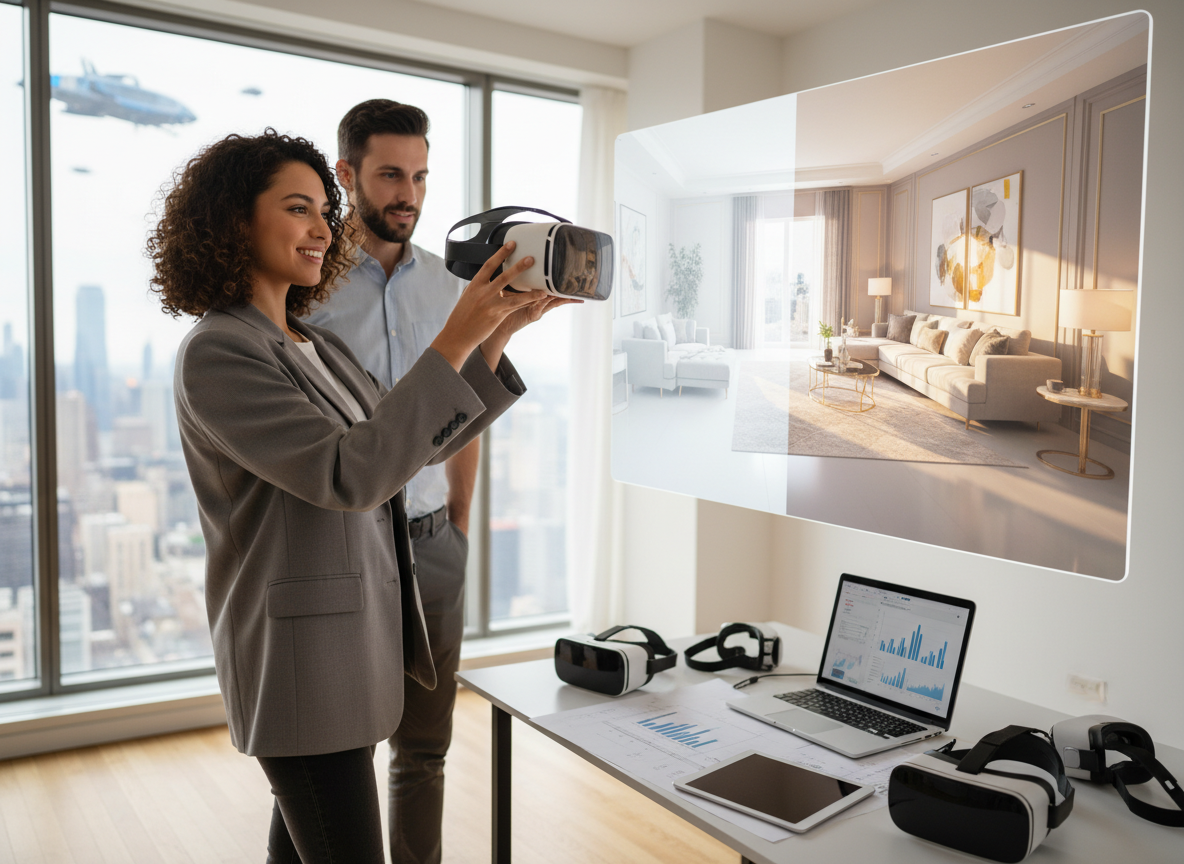
From a logistics perspective, running a VR coaching business in 2026 is surprisingly simple. Platforms like 'SpatialEDU' or 'Engage VR' provide customizable 'classrooms' and 'boardrooms' that can be branded and launched in minutes. Coaches don't need to build their own software; they just need to bring their expertise and a high-quality VR headset. The 'Virtual Campus' model allows for both live sessions and 'Persistent Learning Zones' where students can interact with 3D materials anytime.
The social aspect of VR coaching is a major selling point. In traditional online courses, student completion rates are notoriously low due to a lack of engagement. In VR, the sense of 'co-presence'—the feeling of actually being in the room with others—fosters deep connections and accountability. This community aspect makes the coaching program much more 'sticky,' leading to higher renewal rates and more word-of-mouth referrals.
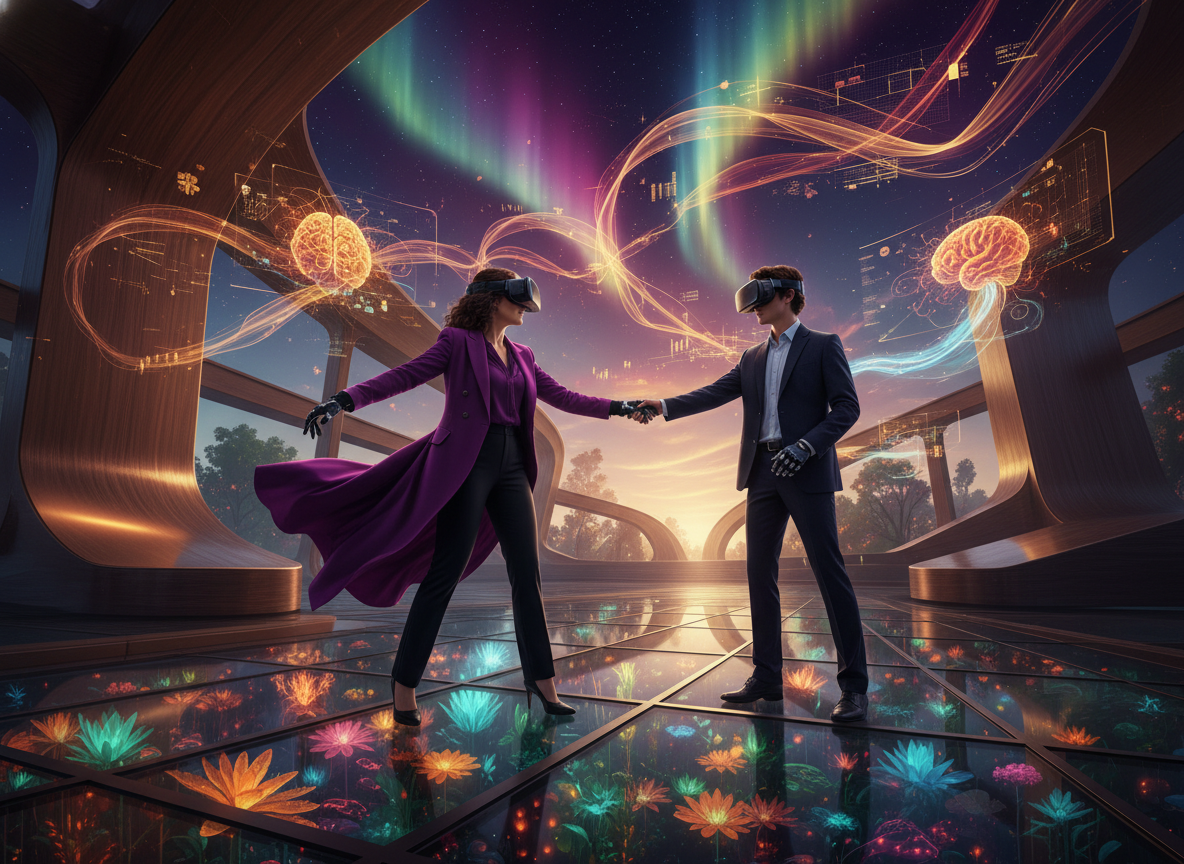
Monetization has also evolved with the tech. Many VR coaches now offer 'Hybrid Memberships.' For a base fee, students get access to recorded 3D lessons, and for a premium fee, they get live VR sessions and personalized 'Spatial Audits' of their work. Some are even using NFT-based 'Access Keys' that grant students entry to exclusive virtual retreats held in stunning, AI-generated environments like a digital Swiss Alps or a futuristic Martian colony.
As we look at the educational landscape of 2026, it's clear that the 'Personal Touch' is being redefined by technology. Those who can master the art of virtual presence will be the leaders of the next generation of online earners. Whether you are a business strategist, a spiritual guide, or a technical expert, the move to immersive VR is the most significant opportunity to scale your impact and income in the current market.